

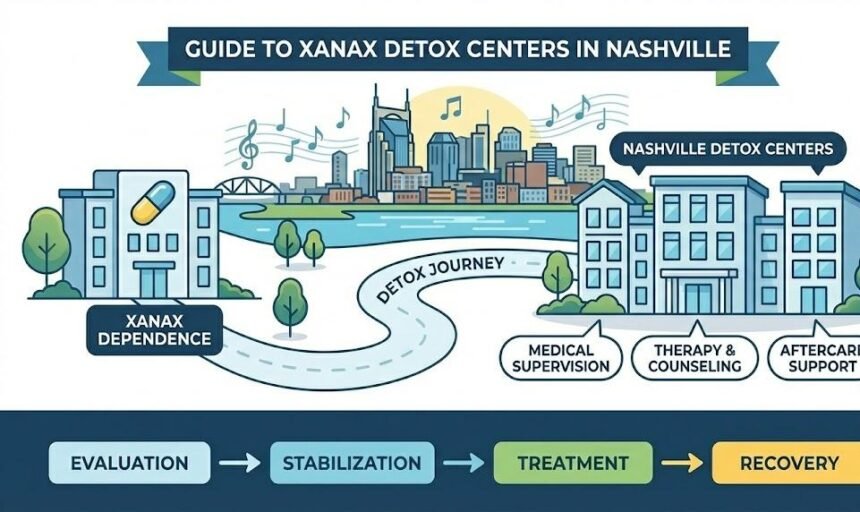
Finding safe and reliable treatment for benzodiazepine dependence can be overwhelming, especially for individuals dealing with Xanax withdrawal symptoms. The journey toward recovery begins with choosing trusted Xanax detox centers in Nashville that specialize in medically supervised detox and comprehensive withdrawal care. Because Xanax is a potent benzodiazepine with a high potential for dependence, professional detox is essential for both safety and long-term healing.
Xanax (alprazolam) is commonly prescribed for anxiety disorders, panic attacks, and short-term stress relief. While effective when used correctly, it can quickly cause tolerance, meaning the body needs more to feel the same calming effect. Over time, this leads to dependence, and once the medication is reduced or stopped, withdrawal can become severe. Detoxing from Xanax without medical support can be dangerous, as symptoms may include seizures, hallucinations, rapid heart rate, severe anxiety, and intense rebound panic.
Xanax detox centers in Nashville provide a safe and structured environment where patients can withdraw from the medication under clinical supervision. These centers focus on stabilizing physical health, supporting mental wellness, and preparing individuals for the next step in their recovery journey. Understanding what happens inside these detox programs, why medical oversight is crucial, and how treatment continues beyond detox can help individuals and families make informed decisions.
Understanding Xanax Withdrawal
Withdrawal from Xanax is different from withdrawal from many other substances because benzodiazepines directly affect the central nervous system. They enhance the effects of GABA, a calming neurotransmitter that slows down brain activity. When someone takes Xanax regularly, the brain becomes dependent on this external calming effect. Removing the substance suddenly leaves the brain overstimulated, creating overwhelming and sometimes dangerous withdrawal symptoms.
These symptoms can begin just a few hours after the last dose and may include shaking, insomnia, irritability, headaches, memory issues, confusion, and heart palpitations. More severe reactions can include psychosis, delirium, or seizures. Without proper medical support, detox becomes unsafe and unpredictable.
Xanax detox centers in Nashville understand the complexities of benzodiazepine withdrawal and are equipped to respond quickly to medical complications. Their staff includes physicians, nurses, mental health specialists, and addiction professionals who work together to ensure safety and comfort throughout the process.
Why Professional Detox Is Necessary
Attempting to detox from Xanax at home can be risky due to the potential for life-threatening symptoms. Medical detox centers provide around-the-clock supervision to monitor vital signs, manage psychological distress, and intervene in emergencies. Another benefit of professional detox is the ability to create individualized tapering plans. Tapering involves reducing the dose gradually rather than stopping Xanax abruptly.
A slow taper allows the brain and body to adjust at a safer pace. Depending on the patient’s history, clinicians may use long-acting benzodiazepines to support stabilization before lowering the dosage. This method reduces the intensity of withdrawal and decreases the risk of complications.
Professional detox also provides access to medications that help manage anxiety, insomnia, and discomfort. Therapeutic support is available to address emotional symptoms, which can be intense during withdrawal. Counseling, grounding techniques, and mindfulness-based practices are often integrated into detox plans to reduce fear and anxiety.
What Happens Inside Xanax Detox Centers Nashville
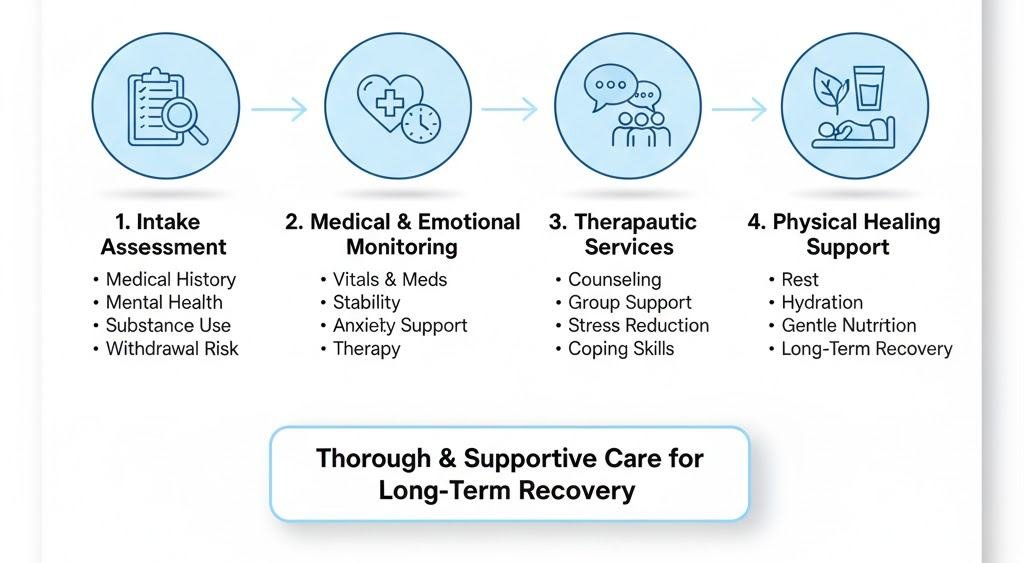
Although each detox center may operate differently, most follow a similar structure to ensure thorough and supportive care. Treatment typically begins with an intake assessment that evaluates medical history, mental health background, substance use habits, co-occurring disorders, and withdrawal risk. This information helps staff design customized detox plans.
During detox, patients receive continuous medical monitoring. Clinicians check vital signs, adjust medication doses, and ensure the patient remains stable. Emotional support is also essential, as withdrawal often intensifies anxiety, irritability, and panic symptoms. Therapists meet with patients regularly to help them cope with stress and provide reassurance.
In many cases, detox is complemented by therapeutic services such as individual counseling, group support, and stress-reduction strategies. These approaches lay the foundation for long-term recovery by helping individuals understand their triggers and develop healthier coping mechanisms. Detox centers also encourage rest, hydration, and gentle nutrition to support physical healing.
Importance of Mental Health Support During Detox
Many individuals who become dependent on Xanax first received the medication to manage anxiety, panic disorder, or trauma-related symptoms. When withdrawal begins, these underlying mental health issues often return or intensify. This makes psychological support during detox essential.
Mental health professionals help patients process their symptoms, develop calming techniques, and manage emotional distress. Cognitive behavioral therapy (CBT) is commonly used to help individuals recognize unhelpful thought patterns and replace them with more encouraging ones. Mindfulness and grounding exercises help reduce panic and build emotional stability.
For individuals with co-occurring disorders such as depression, PTSD, bipolar disorder, or generalized anxiety disorder, integrated treatment is essential. Xanax detox centers in Nashville often provide dual-diagnosis care, which focuses on treating both the addiction and the mental health condition simultaneously. This approach leads to more stable recovery outcomes.
Post-Detox Treatment Recommendations
Detox is only the first stage of recovery, and while it stabilizes the body, long-term treatment is needed to address the psychological and behavioral components of dependence. After completing detox, patients are typically encouraged to transition into higher levels of care such as residential treatment, partial hospitalization programs, or intensive outpatient programs.
These programs provide continued therapy, relapse-prevention planning, coping-skills development, and structured support. They help patients build new routines, regain emotional balance, and navigate life without relying on benzodiazepines. Outpatient services often include weekly therapy sessions, psychiatric care if needed, support groups, and personalized recovery coaching.
Lifestyle changes also play a key role in post-detox recovery. Establishing regular sleep patterns, maintaining a healthy diet, practicing relaxation techniques, and engaging in physical activity help stabilize mood and reduce anxiety. Individuals benefit greatly from recognizing triggers and creating supportive environments at home and work.
Long-Term Benefits of Professional Xanax Detox
Completing detox at a professional center provides several long-term benefits. Patients often experience improved clarity, better emotional balance, and a stronger sense of control over their lives. As the body and mind heal, anxiety levels tend to decrease, sleep improves, and cognitive function begins to return to normal.
Professional detox also prevents medical complications and ensures that patients feel supported from the moment they begin withdrawal. The structured environment eliminates the risk of relapse during the most vulnerable phase. With access to both medical supervision and emotional support, patients gain the confidence they need to move forward in recovery.
Many individuals also benefit from learning healthier coping strategies during detox. These skills remain useful long after treatment ends. Over time, individuals regain the ability to manage stress, regulate emotions, and maintain healthier lifestyle habits.
Choosing the Right Detox Center
Selecting a detox center is an important decision. When searching for Xanax detox centers in Nashville, individuals should look for facilities with experienced medical staff, licensed clinicians, and a strong focus on benzodiazepine withdrawal. The center should offer personalized treatment plans, continuous monitoring, and integrated mental health support.
The environment matters as well. A calm, supportive, and structured setting helps reduce anxiety during detox. Compassionate staff, comfortable accommodations, and clear communication all contribute to a positive treatment experience.
Another important consideration is whether the detox center offers pathways to ongoing treatment. Facilities that provide connections to therapy, outpatient programs, or residential care are often the most beneficial, as they support the full continuum of recovery.
Building a Healthier Future
Recovering from Xanax dependence is a profoundly personal journey, and choosing the right detox center is an essential first step. With medical supervision, emotional support, and thoughtful guidance, individuals can successfully navigate withdrawal and begin rebuilding their lives. Xanax detox centers in Nashville offer a safe and supportive environment where healing can begin, and momentum toward long-term recovery can grow.
For those seeking trusted care, Tennessee Behavioral Health provides professional medical detox and comprehensive behavioral health services designed to support individuals through every stage of recovery. As a respected provider in the region, Tennessee Behavioral Health offers compassionate treatment, experienced clinical support, and personalized care to help individuals overcome Xanax dependence and move forward with confidence and hope.
Disclaimer
The information provided in this guide is for educational and informational purposes only and is not intended as medical advice. Xanax (alprazolam) is a prescription medication, and withdrawal from benzodiazepines can be dangerous or life-threatening. Individuals should not attempt to detox or taper from Xanax without the supervision of a licensed healthcare professional. Always consult a qualified medical provider for personalized advice regarding treatment, withdrawal management, or mental health concerns. Mentioned detox centers, including Tennessee Behavioral Health, are provided as examples of available services and do not constitute an endorsement. Recovery experiences may vary, and professional guidance is essential for safety and effective care.