

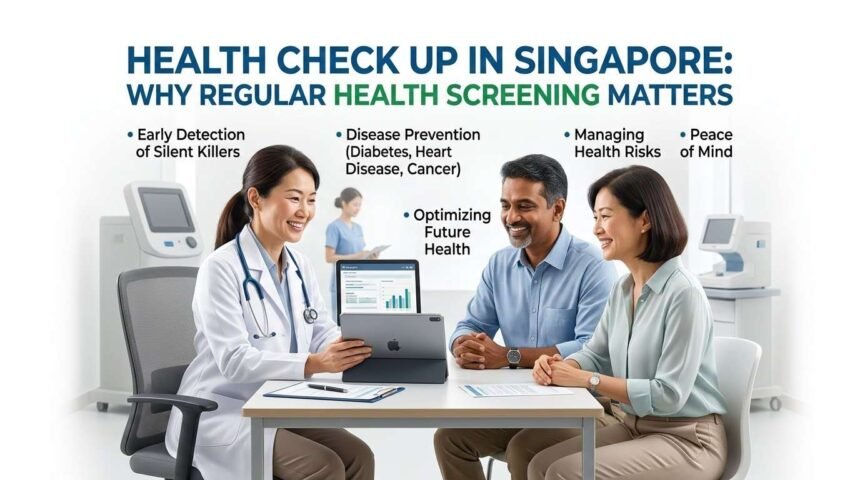
Maintaining good health requires more than treating illness after it appears. Preventive care, and in particular regular health check ups in Singapore services, plays a critical role in detecting conditions before they become serious, costly, or life-threatening. Singapore’s healthcare system is internationally recognised for its quality, and its preventive screening infrastructure gives residents and visitors alike access to comprehensive, professionally guided health assessments in a convenient outpatient setting.
Many of the most common chronic diseases affecting adults today, including hypertension, type 2 diabetes, high cholesterol, and several cancers, develop gradually and silently. By the time symptoms appear, a condition may have already progressed to a stage where treatment is more complex and outcomes less predictable. Regular screenings interrupt that progression by identifying risk early, when intervention is most effective.
Key fact: The World Health Organization estimates that over 70 percent of premature deaths from non-communicable diseases such as heart disease, stroke, and diabetes are preventable through lifestyle changes and early detection. Routine health screenings are one of the most practical tools available for preventive care.
Why Health Screenings Are Important
Conditions that develop without symptoms
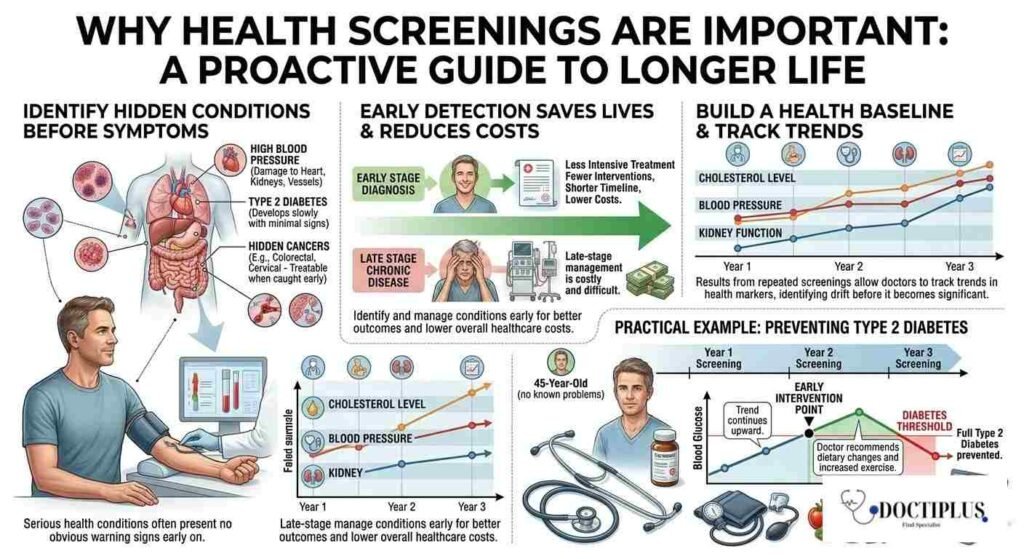
A significant number of serious health conditions present no obvious warning signs in their early stages. High blood pressure, for example, is often called the silent killer because it can damage the heart, kidneys, and blood vessels for years before a patient notices anything is wrong. Type 2 diabetes can similarly develop over a long period with minimal symptoms. Certain cancers, including colorectal cancer and cervical cancer, are far more treatable when caught through screening before symptoms arise.
Clinical and financial case for early detection
Early detection consistently produces better clinical outcomes and lower overall healthcare costs. A condition identified and managed in its early stages typically requires less intensive treatment, fewer specialist interventions, and a shorter treatment timeline than the same condition diagnosed after it has progressed. From a personal financial perspective, the cost of a routine annual health screening is almost always far lower than the cost of managing a late-stage chronic disease.
Role of screening in building a health baseline
Even when screening results are normal, the process is valuable. Results from repeated screenings over time allow a doctor to track trends in your health markers, such as gradual changes in cholesterol levels, blood pressure, or kidney function, and identify drift before it becomes clinically significant. This longitudinal view of your health is only possible with regular monitoring.
Practical example: A 45-year-old with no known health problems books an annual health screening. Results show fasting blood glucose at the high end of the normal range. Over the next two years of monitoring, the trend continues upward. The physician recommends dietary changes and increased exercise before the level reaches the diabetic threshold. That early intervention likely prevents the development of full type 2 diabetes.
What a Health Check-Up Usually Includes
A comprehensive health screening is not a single test but a structured set of assessments covering multiple body systems. The exact composition varies by package, provider, age group, and individual risk factors, but most screenings share a common core set of evaluations.
Standard components in most screening packages
- Blood pressure measurement: Assesses hypertension risk. High blood pressure is one of the leading modifiable risk factors for heart disease, stroke, and kidney damage.
- Fasting blood glucose: Screens for diabetes and pre-diabetes. Elevated fasting glucose levels indicate impaired insulin regulation that warrants monitoring and lifestyle intervention.
- Full lipid panel (cholesterol): Measures total cholesterol, LDL, HDL, and triglycerides. Lipid profiles directly indicate cardiovascular risk and guide decisions about diet, exercise, and medication.
- Body Mass Index (BMI): Provides a standardised measure of weight relative to height. Used alongside other markers to assess risk for metabolic conditions, joint disease, and sleep apnea.
- Complete blood count (CBC): Evaluates red and white blood cell levels and platelets. Helps detect anaemia, infections, clotting disorders, and early signs of blood-related conditions.
- Liver function tests: Assess liver enzyme levels to detect inflammation, fatty liver disease, or early organ damage that may not yet cause symptoms.
- Kidney function tests: Include creatinine and urea measurements to evaluate how well the kidneys are filtering waste from the blood.
- Urine analysis: Screens for urinary tract infections, kidney disease, diabetes indicators, and other systemic conditions that can be detected through urine composition.
Additional tests in comprehensive or age-specific packages
- Electrocardiogram (ECG): Records the heart’s electrical activity to detect arrhythmias, prior heart attacks, or structural abnormalities. Often recommended for adults over 40 or those with cardiac risk factors.
- Bone density scan (DEXA): Measures bone mineral density to assess osteoporosis risk. Particularly relevant for post-menopausal women and older adults.
- Ultrasound imaging: Abdominal ultrasound can detect gallstones, liver enlargement, kidney abnormalities, and other organ conditions not visible in blood tests.
- Chest X-ray: Screens for lung conditions including infections, chronic obstructive pulmonary disease, and, in some protocols, early-stage lung abnormalities.
- Thyroid function tests: Assess thyroid hormone levels, which regulate metabolism, energy, weight, and mood. Thyroid disorders are common and frequently underdiagnosed.
Cancer screening components
- Mammogram: Breast imaging recommended for women typically from age 40 onwards, depending on individual risk. Detects early-stage breast cancer when treatment outcomes are significantly better.
- Pap smear and HPV testing: Cervical screening for women to detect abnormal cell changes caused by HPV infection before they progress to cervical cancer. Recommended every three to five years for women aged 25 and above.
- Colorectal cancer screening: Faecal occult blood testing or colonoscopy for adults typically from age 50, or earlier with a family history of colorectal cancer. Colorectal cancer is among the most treatable cancers when detected early.
- PSA (Prostate-Specific Antigen) test: A blood test for men that can indicate prostate abnormalities. Typically discussed with a physician at age 50, or earlier for men with elevated risk.
Important: Not all screening tests are appropriate for all people. Some tests carry a risk of false positives that can lead to unnecessary anxiety or follow-up procedures. Your physician will weigh the benefits and limitations of each test based on your individual health profile before recommending a screening plan.
Health Screening Options in Singapore
Singapore offers one of the most accessible and well-developed preventive healthcare systems in Asia. Health screenings are available through public hospitals, private hospitals, polyclinics, and dedicated health screening centres across the island.
Public sector options
The Health Promotion Board (HPB) of Singapore coordinates the Screen for Life programme, which subsidises key screenings for Singapore citizens and permanent residents at participating CHAS (Community Health Assist Scheme) GP clinics. Subsidised tests include diabetes, hypertension, lipid disorders, cervical cancer, and colorectal cancer screenings. Eligible individuals can access these screenings at highly subsidised rates, sometimes at no out-of-pocket cost depending on their CHAS tier.
Private hospitals and specialist centres
Private hospitals in Singapore offer a broader range of health screening packages, from entry-level basic packages to comprehensive executive health assessments. These typically include a wider panel of tests, faster turnaround on results, a dedicated consultation with a physician to review findings, and a detailed written health report.
At Mount Alvernia Hospital, for example, health screening services are delivered in a comfortable clinical environment using modern diagnostic equipment. Patients can choose from packages calibrated to different age groups and health needs, with the option to add specific tests based on individual risk factors. A private physician consultation is included to discuss results and provide personalised health guidance.
Pricing for private health screening packages in Singapore generally ranges from approximately SGD 277 for basic packages to over SGD 1,000 for comprehensive executive assessments that include imaging, cardiac evaluation, and multiple cancer markers. The right package depends on your age, health history, and what level of detail is appropriate for your circumstances.
Polyclinics
Singapore’s network of public polyclinics operated by SingHealth and National Healthcare Group offers health screening services at subsidised rates for residents. While the range of tests is narrower than at private hospitals, polyclinics provide an accessible and affordable entry point for routine preventive care, particularly for younger and lower-risk individuals.
Tip for Singapore residents: If you hold a CHAS card or are a Singapore citizen or PR aged 40 and above, check your eligibility for subsidised screenings under the Screen for Life programme at participating GP clinics before paying full price for a private package. You may already be entitled to key tests at low or no cost.
How to Choose the Right Health Screening Package
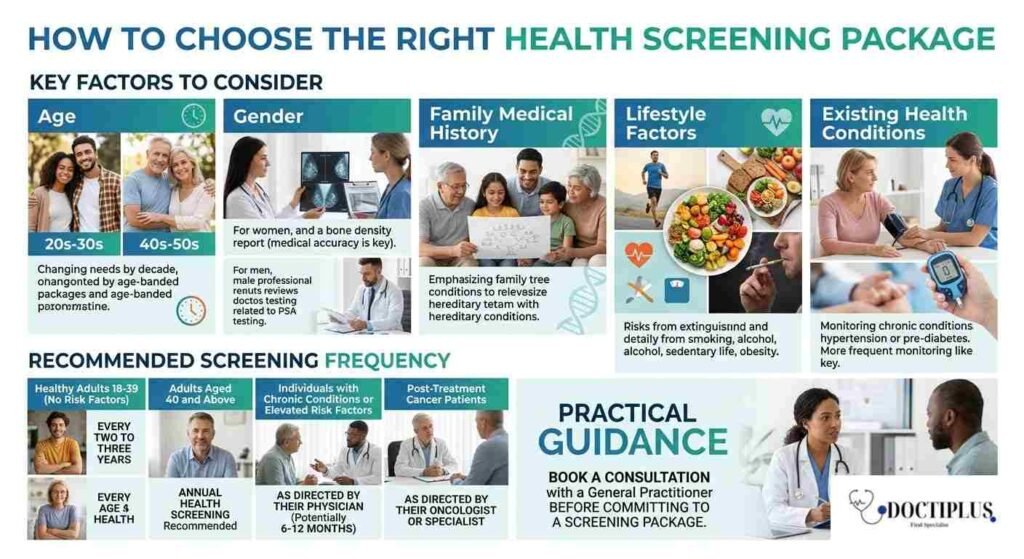
Selecting the most appropriate screening package is not simply a matter of choosing the most comprehensive option available. The right package is the one that matches your specific health risks, age, gender, and medical history. Over-testing without clinical justification adds cost and can generate results that require further investigation without improving your health outcomes.
Key factors to consider
- Age: Screening recommendations change significantly by decade. Adults in their 20s and 30s typically require fewer tests than those in their 40s and 50s, when chronic disease risk increases substantially. Many providers offer age-banded packages that reflect these differences.
- Gender: Women require specific screenings such as mammograms, Pap smears, and bone density scans that are not relevant for men. Men may be recommended to undergo PSA testing at a certain age. Gender-specific packages account for these differences.
- Family medical history: A family history of heart disease, diabetes, cancer, or other hereditary conditions increases your personal risk and often warrants earlier or more frequent screening for those conditions.
- Lifestyle factors: Smoking, high alcohol consumption, a sedentary lifestyle, or obesity each increase risk for specific conditions and may indicate the need for more targeted testing.
- Existing health conditions: Individuals already managing a chronic condition such as hypertension or pre-diabetes typically require more frequent monitoring than those without any known health issues.
Recommended screening frequency
- Healthy adults aged 18 to 39 with no significant risk factors: every two to three years for basic metabolic and cardiovascular markers
- Adults aged 40 and above: annual health screening recommended by most physicians
- Individuals with chronic conditions or elevated risk factors: as directed by their physician, potentially every six to twelve months for relevant markers
- Post-treatment cancer patients: as directed by their oncologist or specialist
Practical guidance: If you are unsure where to start, book a consultation with a general practitioner before committing to a screening package. A brief GP visit allows you to discuss your health history and risk factors, and to receive a personalised recommendation for which tests are genuinely appropriate for you at this point.
Step-by-Step: How to Prepare for Your Health Screening
- Book your appointment at least a week in advance and confirm any fasting requirements. Most blood tests, including glucose and lipid panels, require a fast of eight to twelve hours beforehand.
- Avoid alcohol for at least 24 hours before the screening, as it can affect liver enzyme readings, blood glucose levels, and triglycerides.
- Drink water normally during your fasting period unless instructed otherwise. Staying hydrated makes blood draws easier and does not interfere with standard test results.
- Bring a list of all current medications and supplements you are taking. Some medications affect test results, and your physician needs to account for them when interpreting findings.
- Wear loose, comfortable clothing that gives easy access to your arm for blood pressure measurement and blood draws.
- Arrive slightly early to complete any required forms and to allow your blood pressure to settle before measurement. Rushing in and being immediately tested often produces falsely elevated blood pressure readings.
- Be honest with your physician during the consultation about your lifestyle, symptoms, family history, and any concerns. The consultation is where the real value of a health screening is realised.
- Read your results carefully and ask questions if anything is unclear. Request that the physician explain the clinical significance of any abnormal findings and what follow-up is recommended.
What to Do After Your Screening Results
Receiving your results is not the end of the process. Acting on what you learn is where the real benefit of health screening is realised.
If your results are normal
Normal results are genuinely good news and worth acknowledging. They also provide a baseline against which future screenings will be compared. Use the outcome as motivation to maintain the habits that are producing good results. Book your next screening on the recommended schedule before you leave the clinic.
If results show borderline or elevated values
Borderline results are common and do not necessarily indicate disease. They are an early warning that a particular marker is moving in a direction that warrants attention. Your physician will typically recommend lifestyle changes, a follow-up test in a defined period, or referral to a specialist, depending on the nature of the finding. Take these recommendations seriously and follow through on the proposed timeline.
If a significant finding requires follow-up
If screening identifies something that requires further investigation, such as an abnormal mammogram, elevated PSA, or suspicious imaging result, your physician will explain the recommended next steps. In most cases, a screening finding requires additional confirmation before any diagnosis is made. Try not to interpret a screening result as a diagnosis. It is a prompt for a more detailed evaluation.
Reminder: A health screening is a tool for early detection, not a guarantee of health. A normal screening result does not mean you cannot develop a health condition between screenings. Pay attention to new or persistent symptoms and consult your doctor when something feels different or wrong, regardless of when your last screening was.
Supporting Long-Term Health Between Screenings
Health screenings provide a snapshot of your health at a point in time, but they are most effective when supported by consistent healthy habits throughout the year. The lifestyle factors below have the strongest evidence base for preventing the chronic conditions that screenings are designed to detect early.
- Physical activity: At least 150 minutes of moderate-intensity aerobic activity per week, plus two sessions of muscle-strengthening exercise. Regular activity reduces the risk of cardiovascular disease, type 2 diabetes, certain cancers, and mental health conditions.
- Diet quality: A diet rich in vegetables, fruits, whole grains, legumes, and lean proteins, with limited processed foods, refined sugars, and excessive sodium. Dietary quality is one of the strongest modifiable determinants of metabolic health.
- Weight management: Maintaining a healthy BMI reduces risk across multiple chronic disease categories. Even modest weight loss of five to ten percent of body weight produces measurable improvements in blood pressure, glucose, and lipid levels.
- Sleep: Seven to nine hours of quality sleep per night for adults. Chronic sleep deprivation is associated with elevated cortisol, impaired glucose metabolism, increased cardiovascular risk, and reduced immune function.
- Stress management: Chronic psychological stress has direct physiological effects, including sustained elevation of cortisol and inflammatory markers. Regular stress-reduction practices such as exercise, mindfulness, and adequate rest support both mental and physical health.
Avoiding tobacco and limiting alcohol: Smoking is the single largest preventable cause of cancer in Singapore and globally. Limiting alcohol to within recommended guidelines reduces liver, cardiovascular, and cancer risk.
Conclusion
A routine health check-up is one of the most practical and high-value investments you can make in your long-term wellbeing. By identifying potential health issues at an early stage, screenings allow you and your physician to intervene before conditions become serious, and to make informed, evidence-based decisions about your health.
Singapore’s health screening infrastructure, spanning subsidised programmes for residents, comprehensive private hospital packages, and accessible polyclinic options, means that quality preventive care is within reach for most people. The key is to choose a package appropriate to your age and risk profile, to prepare properly for your appointment, and to act meaningfully on what your results reveal.
Your health does not have to wait for a symptom to prompt attention. A proactive approach, anchored by regular screenings and supported by healthy daily habits, is the most reliable path to a longer, healthier life.
Disclaimer
This article is provided for general informational and educational purposes only. It does not constitute medical advice, diagnosis, or treatment recommendations. Health screening guidelines, recommended frequencies, and appropriate test panels vary by individual health status, age, gender, family history, and risk profile, and can only be properly determined through consultation with a licensed physician or qualified healthcare professional. Pricing information, programme availability, and subsidy eligibility referenced in this article are subject to change and should be verified directly with the relevant healthcare provider or government agency. The mention of specific hospitals or health programmes is for illustrative purposes only and does not constitute an endorsement. Always consult a qualified medical professional before making decisions about your health care.
References and Resources
- Health Promotion Board (HPB) Singapore. Screen for Life Programme. https://www.healthhub.sg/programmes/screen-for-life
- Ministry of Health, Singapore. Recommended Health Screening Guidelines. https://www.moh.gov.sg/resources-statistics/nationally-recommended-health-screenings
- HealthHub Singapore. Health Screening Information and Tools. https://www.healthhub.sg/live-healthy/health-screening
- Community Health Assist Scheme (CHAS). Eligibility and Benefits Guide. https://www.chas.sg
- World Health Organization. Noncommunicable Diseases: Prevention and Early Detection. https://www.who.int/news-room/fact-sheets/detail/noncommunicable-diseases
- U.S. Preventive Services Task Force (USPSTF. Evidence-Based Screening Recommendations by Condition. https://www.uspreventiveservicestaskforce.org/uspstf/recommendation-topics
- Singapore Cancer Society. Cancer Screening Recommendations for Singapore. https://www.singaporecancersociety.org.sg/get-screened
- National Registry of Diseases Office, Singapore. Disease Trends and Statistics. https://www.nrdo.gov.sg
- Mount Alvernia Hospital. Health Screening Services. https://www.mountalvernia.com.sg/medical-services/specialist-services/health-screening
- SingHealth Health Screening. Comprehensive Patient Services. https://www.singhealthscreenings.com.sg
- National University Hospital. Preventive Health Programmes. https://www.nuh.com.sg
- World Health Organization. Physical Activity Guidelines for Health. https://www.who.int/news-room/fact-sheets/detail/physical-activity
- Health Promotion Board Singapore. Healthy Living Resources. https://www.hpb.gov.sg/healthy-living
- National Heart Centre Singapore. Cardiovascular Risk Factors and Prevention. https://www.nhcs.com.sg/patient-care/conditions-treatments/cardiovascular-disease