

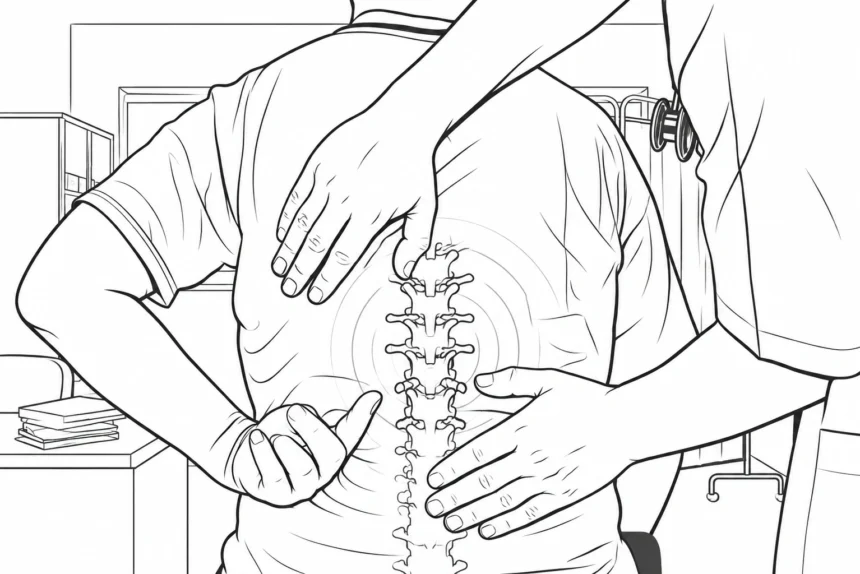
Spinal injuries are among the most serious outcomes of car accidents. While some injuries are immediately apparent, others develop over time, creating long-term health challenges that may not be obvious in the early stages. The spine plays a central role in movement, sensation, and overall bodily function, which means even a moderate injury can have far-reaching effects.
The hidden complications associated with spinal injuries is essential for proper treatment, recovery, and long-term care. Many individuals focus on initial symptoms, but ongoing monitoring is often necessary to identify and manage complications that may arise later.
Why Spine Injuries Often Go Unnoticed After a Crash
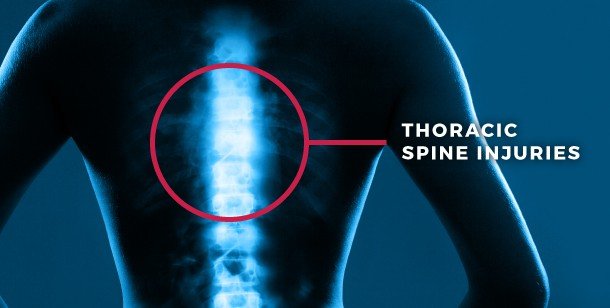
The spine is a complex structure made up of vertebrae, discs, nerves, and supporting muscles. It protects the spinal cord and allows the body to move and function properly. When a car accident occurs, the force of impact can damage any part of this system.
Spinal injuries can range from soft tissue damage and herniated discs to fractures or spinal cord injuries. The severity of the injury often determines the extent of recovery and the likelihood of complications.
Even injuries that seem minor at first, such as whiplash or mild disc damage, can lead to long-term issues if not properly treated. That delayed progression can also make early medical documentation important when the injury results from a collision. Hank Stout, co-founder of Sutliff & Stout, has handled serious accident claims involving spinal injuries where the long-term effects became a major part of the damages. The Houston personal injury firm reports an $11 million settlement for a client who was left wheelchair-bound after being rear-ended, with the case accounting for future medical needs and long-term care.
Delayed Pain and Chronic Discomfort
One of the most common hidden complications of spinal injuries is delayed pain. Immediately after an accident, adrenaline may mask discomfort, making it difficult to recognize the extent of the injury.
Over time, inflammation and tissue damage can lead to persistent pain. This may present as stiffness, soreness, or sharp discomfort in the neck, back, or surrounding areas.
Chronic pain can interfere with daily activities and reduce overall quality of life. Managing this condition often requires a combination of medical treatment, physical therapy, and lifestyle adjustments.
Nerve Damage and Neurological Symptoms
Spinal injuries can affect the nerves that run through the spine. When nerves are compressed or damaged, individuals may experience symptoms that extend beyond localized pain.
These symptoms may include numbness, tingling, or weakness in the arms or legs. In more serious cases, nerve damage can affect coordination and mobility.
Neurological complications may not appear immediately. Symptoms can develop gradually as swelling or structural changes in the spine impact surrounding nerves.
Early diagnosis and treatment are essential for preventing further damage and improving long-term outcomes.
Reduced Mobility and Flexibility
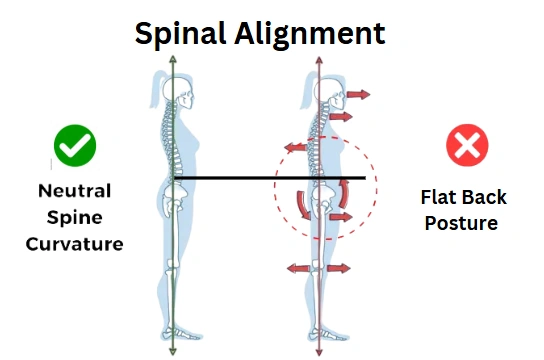
Another hidden complication of spinal injuries is reduced mobility. Damage to the spine can limit range of motion, making it difficult to perform everyday tasks.
Stiffness in the neck or back may develop over time, particularly if the injury is not properly rehabilitated. This can affect posture, balance, and overall physical function.
Physical therapy often plays a key role in restoring mobility. Through targeted exercises, individuals can gradually rebuild strength and flexibility while minimizing discomfort.
Risk of Degenerative Conditions
Spinal injuries can increase the risk of developing degenerative conditions later in life. Damage to discs or joints may accelerate wear and tear, leading to conditions such as degenerative disc disease or arthritis.
These conditions may not become apparent until months or years after the initial injury. Symptoms can include chronic pain, reduced flexibility, and difficulty with movement.
Regular medical evaluations can help monitor these changes and allow for early intervention when necessary.
Psychological and Emotional Effects
The impact of a spinal injury extends beyond physical health. Many individuals experience emotional challenges during recovery, including stress, anxiety, and frustration.
Chronic pain and limited mobility can affect independence and daily routines, which may lead to changes in mood and overall well-being. The uncertainty surrounding recovery can also contribute to emotional strain.
Addressing mental health is an important part of the recovery process. Support from healthcare professionals, family, and counseling services can help individuals navigate these challenges.
Complications From Inactivity
Recovery from a spinal injury often involves periods of limited activity. While rest is necessary, prolonged inactivity can lead to additional health concerns.
Muscle weakness, reduced cardiovascular fitness, and joint stiffness are common issues associated with inactivity. In some cases, individuals may also experience weight gain or decreased energy levels.
Balancing rest with appropriate physical activity is essential. Healthcare providers typically recommend gradual movement and exercise to maintain overall health during recovery.
Legal Considerations After a Spinal Injury
When a spinal injury results from a car accident caused by another party, legal considerations may come into play. Medical expenses, rehabilitation costs, and lost income can create financial challenges during recovery.
In situations where the accident involved a pedestrian, consulting Peoria pedestrian accident lawyers can help individuals understand their legal rights and explore options for compensation.
Legal professionals often assist with gathering evidence, reviewing accident details, and communicating with insurance companies. This support can help ensure that claims accurately reflect the extent of injuries and related costs.
Seeking Support for Complex Cases
Spinal injury cases can be complex, particularly when long-term complications are involved. Determining the full impact of the injury may require input from medical experts and detailed documentation.
Working with a top-rated pedestrian accident lawyer can provide additional guidance during the legal process. Attorneys help evaluate claims, negotiate settlements, and represent clients when necessary.
Having experienced support allows individuals to focus on recovery while addressing the legal aspects of their situation.
Steps Toward Managing Long-Term Effects
Managing the long-term effects of a spinal injury involves a combination of medical care, rehabilitation, and lifestyle adjustments. Individuals can take proactive steps to support their recovery.
Maintaining a consistent physical therapy routine, following medical recommendations, and staying active within safe limits can help improve outcomes. Proper posture, ergonomic adjustments, and regular exercise also play a role in reducing strain on the spine.
Additionally, staying informed about complications allows individuals to recognize symptoms early and seek appropriate care.
Moving Forward After Your Crash
Spinal injuries from car accidents can present challenges that extend beyond the initial trauma. Hidden complications may develop over time, affecting physical health, emotional well-being, and daily life.
By understanding these risks and taking a proactive approach to treatment and recovery, individuals can better manage their condition and improve their quality of life. Awareness, consistent care, and informed decision-making all contribute to a more effective recovery process and a stronger path forward.
Research Based References
- https://www.ninds.nih.gov/health-information/disorders/spinal-cord-injury
- https://www.cdc.gov/traumatic-brain-injury/index.html
- https://www.cdc.gov/traumatic-brain-injury/long-term-effects.html
- https://www.mayoclinic.org/diseases-conditions/spinal-cord-injury/symptoms-causes/syc-20377890
- https://www.who.int/news-room/fact-sheets/detail/spinal-cord-injury
- https://www.webmd.com/brain/spinal-cord-injuries-overview
- https://www.hopkinsmedicine.org/health/conditions-and-diseases/spinal-cord-injury
- https://www.spinalcord.org/resource-center/for-patients-and-families/
- https://www.health.harvard.edu/pain/understanding-and-managing-chronic-pain