


Pregnancy, even in high-risk cases, is manageable with the right monitoring and clinical support. But there are specific warning signs that require immediate medical attention, not a wait-and-see approach. Knowing these signs and understanding why prompt action matters can directly affect outcomes for both mother and baby. Every woman in a high-risk pregnancy should have this information well before her due date.
Why High-Risk Pregnancies Require Greater Vigilance
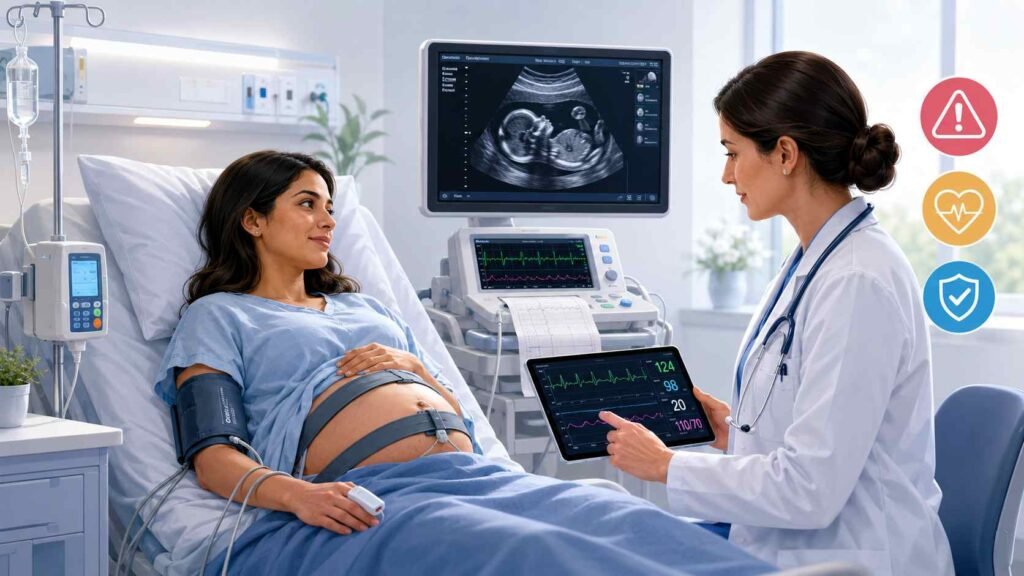
A high-risk pregnancy specialist monitors closely because the conditions that make a pregnancy high-risk can change rapidly. What appears stable at a routine appointment may deteriorate significantly within hours. This is why a high-risk pregnancy hospital is designed with rapid-response capability, and why recognising warning signs early enables intervention before complications escalate.
Warning Signs That Need Emergency Care
The following symptoms should prompt an immediate call to your obstetric team or a visit to the emergency department of a high-risk pregnancy hospital without delay:
- Sudden severe headache: Particularly one that is described as the worst headache of your life or that does not respond to paracetamol. This can be a sign of severely elevated blood pressure or preeclampsia.
- Visual disturbances: Blurring, flashing lights, or temporary loss of vision are neurological warning signs associated with preeclampsia and require urgent assessment.
- Sudden swelling of the face, hands, or feet: A rapid increase in swelling, particularly in the face, is associated with hypertensive disorders of pregnancy.
- Epigastric pain: Pain in the upper right abdomen can indicate liver involvement in severe preeclampsia or HELLP syndrome.
- Vaginal bleeding at any stage: Bleeding during pregnancy always warrants assessment. It can indicate placenta praevia, placental abruption, or foetal distress.
- Significantly reduced foetal movement: After 28 weeks, a significant reduction in the baby’s movements compared to the usual pattern should be assessed the same day.
- Leaking fluid from the vagina: This may indicate rupture of the amniotic sac, which requires immediate obstetric review regardless of gestational age.
- Regular contractions before 37 weeks: Preterm labour in a high-risk pregnancy needs to be assessed without delay, as interventions may be time-sensitive.
Role of 24/7 Obstetric Emergency Response
A high-risk pregnancy specialist and their team need to be reachable at any hour. Renowned hospitals like Rainbow Hospitals provide a 24/7 obstetric emergency response with on-call MFM and fetal medicine specialists, ensuring that any of the warning signs above can be assessed and managed without waiting until business hours. The emergency obstetric unit has direct access to the operating theatre and the Level III NICU, so that if delivery becomes necessary, the full team and infrastructure are ready within the same facility.
What Happens When You Arrive at the Emergency Department
On arrival at a high-risk pregnancy hospital with any of the above symptoms, you can expect a rapid assessment including blood pressure monitoring, foetal heart rate monitoring, and urine testing. Depending on the presentation, blood tests for liver function, platelets, and clotting may be ordered. The obstetric team will review findings and decide whether observation, medication, or delivery is the appropriate response. Speed of assessment matters enormously in these scenarios.
Preparing in Advance
Women with high-risk pregnancies should have a clear plan in place before any emergency arises. This includes knowing the direct line for the obstetric team, having the hospital address programmed into a phone, and making sure a support person knows what to do. Discuss this plan with your emergency high-risk pregnancy care team at an antenatal appointment well before the third trimester.
Managing Anxiety as a High-Risk Expectant Mother

Being told that a pregnancy is high-risk can trigger significant anxiety, which is entirely understandable. However, persistent anxiety itself can affect blood pressure and sleep quality, which are already areas of focus in high-risk management. Acknowledging this and addressing it proactively is part of comprehensive care.
Practical strategies include limiting exposure to anxiety-inducing online content about pregnancy complications, speaking with your high-risk pregnancy specialist openly about your concerns at each appointment, and asking whether a perinatal counsellor is available within the hospital programme. Many women also find regular antenatal education sessions, connecting with others in similar situations, and breathing or mindfulness techniques useful in managing day-to-day anxiety during the pregnancy.
Conclusion
Recognising high-risk pregnancy warning signs early and responding to them without delay is one of the most important things an expectant mother can do. The obstetric emergencies that lead to serious complications are often preceded by symptoms that, if addressed promptly, allow timely intervention. A hospital with 24/7 emergency care, an in-house NICU, and an experienced team of high-risk pregnancy specialists gives families the best chance of a safe outcome when these situations arise.
Disclaimer
This content is for general educational purposes only. In any obstetric emergency, always contact your healthcare provider or go directly to a hospital. Do not rely on this content to delay seeking care.