

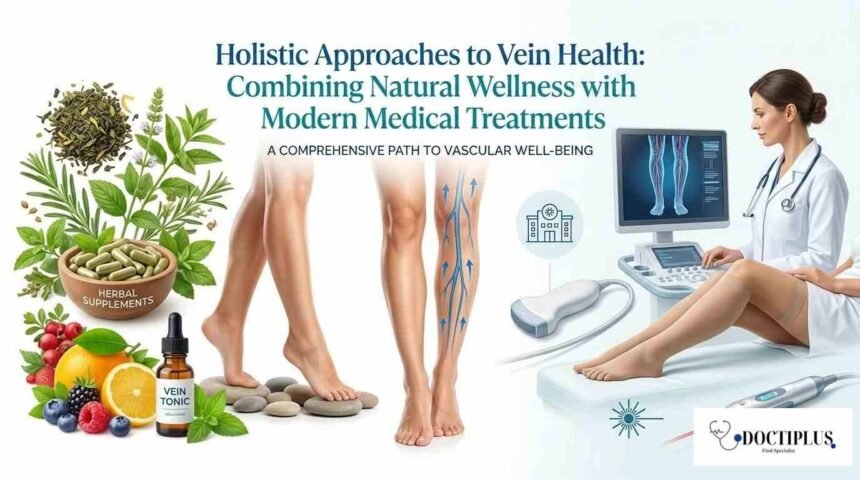
Vein health plays a crucial role in maintaining overall wellness, yet it is often overlooked until noticeable symptoms appear. The circulatory system is responsible for transporting oxygen, nutrients, and essential compounds throughout the body while removing waste products. When veins function properly, blood flows smoothly back to the heart, supporting healthy organs, tissues, and muscles. However, when vein function becomes impaired, it can lead to a variety of conditions such as varicose veins, spider veins, and chronic venous insufficiency.
In recent years, healthcare professionals have increasingly emphasized a holistic approach to vascular health. Rather than relying solely on medical procedures, many experts now advocate for combining natural wellness practices with modern medical treatments. This integrated strategy addresses both the underlying causes of vein problems and the symptoms they produce. By supporting circulation through lifestyle habits, nutrition, and preventive care while also utilizing advanced medical therapies when necessary, individuals can achieve better long-term results.
Understanding how natural wellness and modern medicine work together provides a more complete picture of vein health. It empowers individuals to take proactive steps toward maintaining strong circulation and overall well-being.
Understanding Vein Function and Circulatory Health
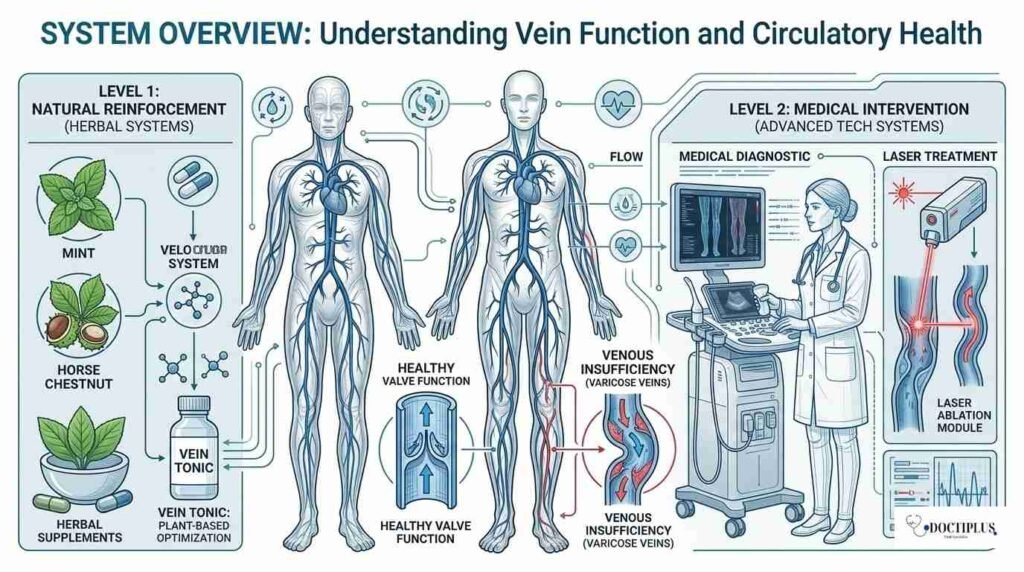
The circulatory system consists of arteries, veins, and capillaries that work together to transport blood throughout the body. While arteries carry oxygen-rich blood away from the heart, veins return oxygen-depleted blood to the heart for recirculation. In the legs, veins must work against gravity to move blood upward, relying on tiny one-way valves that prevent blood from flowing backward.
When these valves weaken or fail, blood may begin to pool in the veins. This increased pressure can cause veins to stretch, enlarge, and become visible beneath the skin. Over time, this process may result in conditions such as varicose veins or chronic venous insufficiency. Symptoms can include swelling, aching, heaviness in the legs, and fatigue.
While these conditions are often associated with aging, lifestyle factors such as prolonged sitting, lack of physical activity, obesity, and poor circulation can contribute to their development. Addressing these contributing factors through a holistic wellness approach can help support healthier veins and prevent the progression of vascular problems.
Holistic Perspective on Vein Health
Holistic health focuses on treating the body as an interconnected system rather than addressing isolated symptoms. When applied to vein health, this perspective considers how lifestyle habits, nutrition, stress levels, and physical activity influence circulation.
Healthy veins depend on a combination of strong blood vessels, efficient muscle movement, balanced inflammation levels, and proper hydration. Holistic strategies aim to support these functions naturally. By improving circulation through daily habits and preventive care, individuals can reduce strain on the veins and support long-term vascular health.
While holistic practices can significantly improve circulation, they are most effective when combined with professional medical guidance. Modern vascular medicine provides diagnostic tools and treatment options that address structural issues within the veins that lifestyle changes alone may not resolve.
Nutrition and Natural Support for Healthy Veins
Diet plays an essential role in maintaining strong blood vessels and healthy circulation. Nutrient-rich foods provide the vitamins and antioxidants necessary to protect veins from inflammation and oxidative stress. Vitamin C, for example, supports collagen production, which helps maintain the strength and elasticity of blood vessel walls.
Foods rich in flavonoids, such as berries, citrus fruits, and leafy greens, may also contribute to improved circulation by supporting blood vessel function. These compounds help reduce inflammation and encourage proper blood flow throughout the body.
Fiber-rich foods support digestive health and help maintain a healthy body weight, which reduces pressure on the veins in the legs. Healthy fats from sources such as nuts, seeds, and olive oil also support cardiovascular wellness by helping regulate cholesterol levels and reduce inflammation.
Hydration is another important factor in circulatory health. Adequate fluid intake helps maintain blood volume and ensures that blood flows efficiently through the veins and arteries. Dehydration, on the other hand, can make circulation less efficient and place additional strain on the vascular system.
Physical Activity and Circulatory Strength
Regular physical activity is one of the most effective ways to support healthy veins. Movement stimulates circulation and encourages the muscles in the legs to contract, helping push blood back toward the heart. This natural pumping action reduces the likelihood of blood pooling in the veins.
Low-impact activities such as walking, cycling, and swimming are particularly beneficial for promoting circulation without placing excessive stress on the joints. These exercises strengthen the muscles that assist venous blood flow while also supporting cardiovascular health.
Stretching and mobility exercises can further improve circulation by encouraging flexibility and reducing muscle tension. Even simple habits such as taking short walking breaks during long periods of sitting can make a significant difference in maintaining healthy blood flow.
By incorporating regular movement into daily routines, individuals can support their vascular system naturally and reduce the risk of developing vein-related issues.
Stress Management and Vascular Wellness
Chronic stress can influence circulation in several ways. When the body experiences stress, it releases hormones that can cause blood vessels to constrict and increase blood pressure. Over time, these changes may contribute to vascular strain and reduced circulation efficiency.
Holistic wellness practices such as mindfulness, meditation, and breathing exercises can help regulate the body’s stress response and promote relaxation. Yoga is another practice that combines gentle movement with controlled breathing, encouraging both improved circulation and mental calm.
Managing stress not only supports emotional well-being but also contributes to healthier blood vessels and improved cardiovascular function. These benefits highlight the interconnected nature of mental and physical health within a holistic wellness framework.
Modern Medical Treatments for Vein Conditions
While natural wellness strategies play a valuable role in supporting vein health, some conditions require medical intervention to correct underlying structural problems in the veins. Fortunately, modern vascular medicine has developed highly effective treatments that are far less invasive than traditional surgical approaches.
Minimally invasive procedures such as endovenous laser therapy and radiofrequency ablation are commonly used to treat varicose veins. These techniques involve inserting a thin catheter into the affected vein and delivering controlled energy that causes the vein to close. Blood is then redirected through healthier veins, improving overall circulation.
Sclerotherapy is another widely used treatment that involves injecting a specialized solution into smaller veins, causing them to collapse and gradually fade. These procedures are typically performed in outpatient settings and require minimal recovery time.
For patients experiencing persistent symptoms or visible vein changes, consulting experienced specialists can help determine the most appropriate treatment options. Clinics such as Florida Vein Experts provide comprehensive evaluations and advanced treatment approaches designed to restore healthy circulation and relieve discomfort.
Integrating Natural Wellness with Medical Care
The most effective approach to vein health often involves combining holistic lifestyle strategies with modern medical care. Lifestyle changes such as improved nutrition, regular exercise, and stress management can strengthen the circulatory system and reduce the risk of future vein problems.
Medical treatments, on the other hand, address structural issues within the veins that cannot be corrected through lifestyle changes alone. By closing or repairing damaged veins, these procedures restore proper blood flow and relieve symptoms associated with venous disease.
When patients adopt healthy habits alongside professional medical treatment, they often experience improved outcomes and longer-lasting results. This integrative approach reflects the growing trend in healthcare toward treating the whole person rather than focusing solely on individual symptoms.
Preventing Future Vein Problems
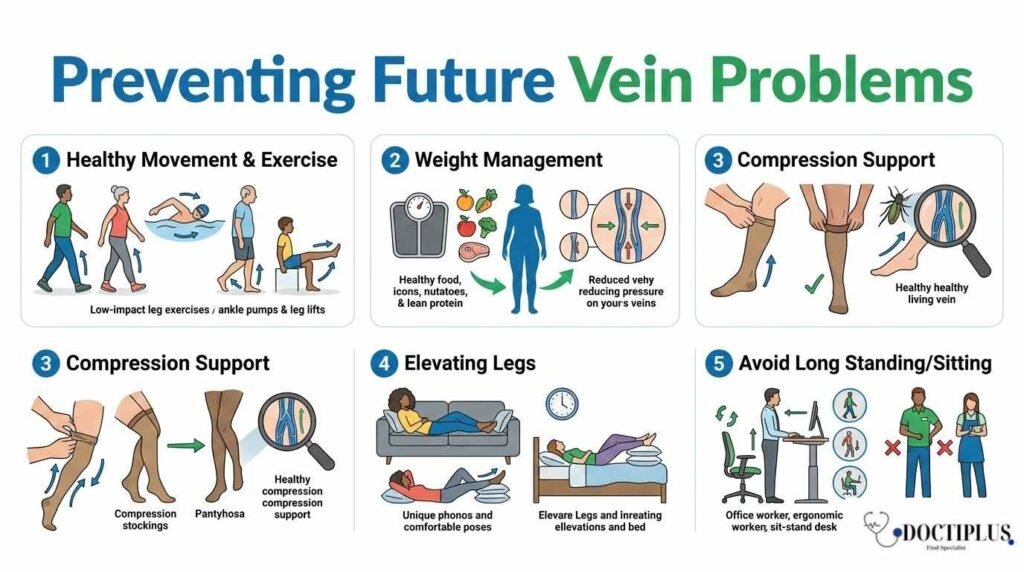
Prevention is a key component of long-term vascular health. Individuals who are mindful of their circulation can take steps to protect their veins and reduce the likelihood of developing complications later in life.
Maintaining a healthy weight reduces pressure on the veins, while staying physically active encourages proper blood flow. Elevating the legs after long periods of standing or sitting can also help reduce swelling and support venous circulation.
Wearing compression stockings may be recommended for individuals who experience symptoms of poor circulation, particularly those whose occupations involve extended periods of standing or sitting.
Regular medical checkups allow healthcare providers to detect early signs of vascular problems and recommend appropriate interventions before symptoms worsen.
Conclusion
Vein health is an essential component of overall wellness that influences comfort, mobility, and long-term cardiovascular function. A holistic approach to vascular health recognizes that lifestyle habits, nutrition, and mental well-being all contribute to maintaining strong circulation.
By combining natural wellness practices with modern medical treatments, individuals can address vein conditions more effectively and support lasting vascular health. Preventive care, healthy daily habits, and timely medical intervention work together to protect the circulatory system and improve quality of life.
As awareness of vein health continues to grow, more people are embracing integrated strategies that promote both natural wellness and advanced medical care. This balanced approach offers a practical and sustainable path toward healthier veins, better circulation, and improved overall well-being.
Disclaimer
This article is for informational purposes only and is not intended as medical advice, diagnosis, or treatment. Always consult a qualified healthcare professional or licensed medical provider regarding any concerns about your vein health or before starting any new treatment or wellness program. Individual results may vary, and medical treatments should be tailored to each person’s specific condition and needs.