

In the field of clinical geriatrics, we spend significant time discussing pharmaceutical interventions and fall prevention. We track bone density, monitor cardiovascular markers, and manage the nuances of cognitive decline. However, there is a quiet pillar of senior health that often goes overlooked until it reaches a crisis point: environmental thermoregulation.
But can a thermostat really be as important as a prescription? In many cases, the answer is a resounding yes.
As the human body ages, its ability to respond to external temperature fluctuations naturally diminishes. This isn’t just a matter of comfort; it is a complex physiological shift involving sweat gland density, subcutaneous fat layers, and the cardiovascular system’s overall efficiency. For seniors living in high-humidity, high-heat urban environments, the stakes are remarkably high. It is a medical reality that requires a proactive, rather than reactive, approach to daily care. To be fair, most of us don’t even think about our own thirst until we are already parched, but for a senior, that lag time can be dangerous.
Physiology of Aging and Heat
To understand why environmental management is so critical, we have to look at how the body cools itself. In a younger individual, the hypothalamus triggers a rapid increase in blood flow to the skin and activates sweat glands to dissipate heat through evaporation. It is a high-efficiency system.
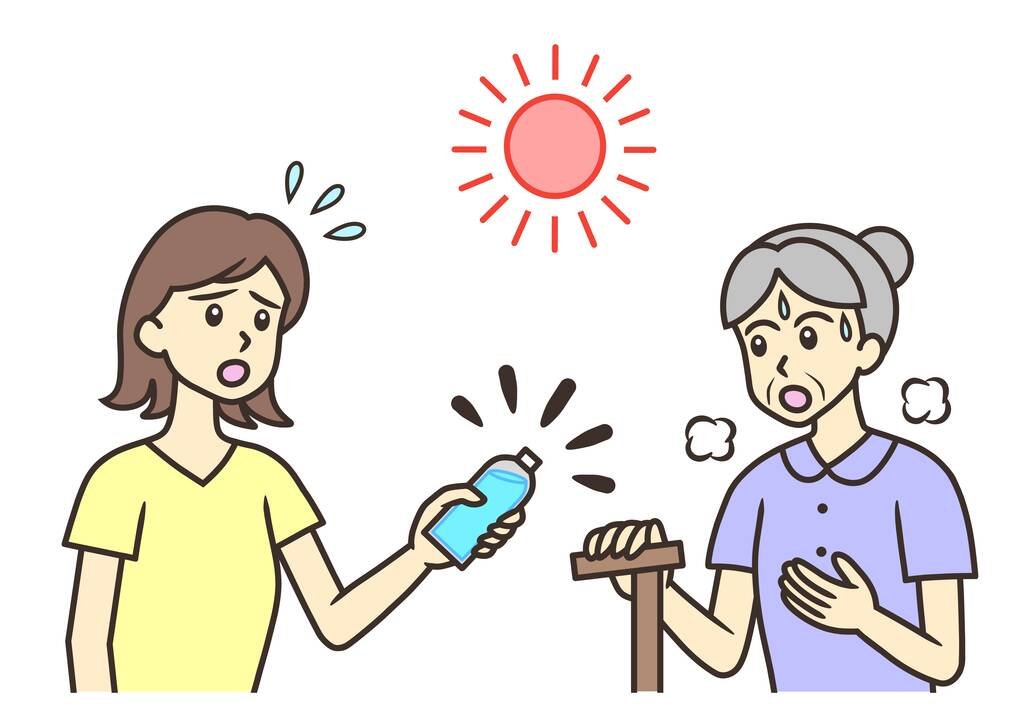
In seniors, this response is often delayed or blunted. Reduced sweat production and a thinner subcutaneous fat layer make it harder for the body to sense and respond to rising temperatures.
Furthermore, many common medications, such as diuretics for hypertension or certain beta blockers, can interfere with the body’s natural cooling mechanisms. When you layer these physiological vulnerabilities on top of a climate known for extreme humidity, you create a recipe for silent heatstroke.
- It is the kind of emergency that doesn’t always announce itself with a fever. Instead, it is a slow, dangerous drift into confusion.
- You might think a loved one is having an off day or is a bit more tired than usual.
- By the time the clinical symptoms are obvious, the dehydration is often deep.
Role of Consistent Monitoring
One of the most dangerous aspects of heat-related illness in the elderly is that it rarely looks like a traditional emergency. It doesn’t always present as a sudden collapse. Instead, it manifests as increased lethargy, mild disorientation, or a slight worsening of existing chronic conditions like congestive heart failure.
Because of this, care for seniors has to be obsessive about the details. It requires a set of eyes on the ground that can recognize the subtle signs of dehydration or heat exhaustion before they escalate into an ER visit. This is why many families are turning to specialized senior care in Houston to ensure their loved ones aren’t just staying indoors but are actively monitored for physiological signs of heat stress.
In a city where the temperature can hover in the triple digits for weeks at a time, having a professional caregiver who understands the importance of fluid schedules and internal climate control isn’t a luxury. It is a medical necessity. Let’s be real: checking the weather app isn’t the same as checking a pulse.
“Urban Heat Island” Effect and Senior Safety
The Urban Heat Island effect exacerbates the challenge. In dense metropolitan areas, concrete and asphalt absorb heat during the day and radiate it back at night. This means that for seniors living in the heart of the city, there is often no cool period for the body to recover. The physiological stress is constant. It is like a battery that never gets a chance to recharge fully.
For a senior with limited mobility, the inability to leave a warm apartment or adjust a complex HVAC system can become life-threatening in a matter of hours. Environmental management, therefore, becomes a form of preventative medicine. We must view the maintenance of a cool, hydrated environment with the same clinical rigor that we view a medication titration.
If the environment isn’t stable, the patient isn’t stable. Period.
Nutritional Hydration: Beyond the Water Glass

We often tell seniors to drink more water, but hydration is more complex than simple fluid intake. As we age, the sensation of thirst actually diminishes. A senior may be clinically dehydrated and yet feel no urge to drink. This is a primary driver of acute kidney injury and electrolyte imbalances in the summer months.
This is where professional intervention adds immense value. Caregivers can promote hydration by incorporating water-dense foods such as cucumbers, melons, and broths into the daily diet.
They can also monitor electrolyte balance, ensuring that the senior isn’t just flushing their system but is actually retaining the minerals necessary for cellular function.
- This level of detail is difficult for long-distance family members to manage.
- But it is the bread and butter of high-quality local care.
- It is a clinical intervention disguised as a meal plan.
- It is the difference between a glass of water sitting on a coaster and a senior actually staying hydrated throughout the day.
Social Isolation as an Environmental Risk
There is a final, often ignored component to environmental safety: social connectivity. A senior who is socially isolated is at a significantly higher risk of environmental emergencies. If the air conditioning fails or a window won’t open, an isolated senior may not have the cognitive or physical resources to seek help.
By integrating professional care into the home, we aren’t just providing help with chores; we’re providing support for the whole person. We are providing a safety net.
We are ensuring that there is a human connection that can identify an environmental hazard before it becomes a clinical disaster. In many ways, the presence of a caregiver is the most effective early warning system we have in geriatric medicine.
Looking Toward a Climate-Resilient Future for Seniors
As our global climate continues to shift, the way we approach geriatric care has to evolve. We can no longer view the home as a static, safe box. We must view it as a dynamic environment that requires constant adjustment and oversight.
The most successful models of senior wellness in the coming decade will prioritize environmental health alongside clinical health. By leveraging local expertise and professional care networks, we can ensure that our aging population doesn’t just survive the summer: they thrive through it.
Ultimately, the goal of any medical intervention is to preserve the quality of life. And in the heat of a southern summer, quality of life begins with a cool room, a full glass of water, and a watchful eye.
Doctor Recommendations for Protecting Seniors from Heat-Related Health Risks
Medical professionals who specialize in geriatric care often emphasize that preventing heat-related illness is far easier than treating it. Small daily habits and environmental adjustments can dramatically reduce the risk of dehydration, heat exhaustion, and heatstroke in older adults. Physicians and geriatric care specialists commonly advise the following recommendations.
Maintain a Stable Indoor Temperature
Doctors recommend keeping indoor living spaces consistently cool, especially during peak summer months. Ideally, the temperature should remain between 72°F and 78°F (22°C–26°C) depending on the senior’s comfort level and health condition.
Air conditioning systems should be serviced regularly to ensure reliable performance. If central cooling is not available, portable air conditioners, fans, and shaded windows can help reduce indoor heat buildup. Bedrooms should remain particularly cool at night so the body can recover from daytime heat exposure.
Follow a Structured Hydration Schedule
Rather than relying on thirst, physicians encourage seniors to follow a scheduled hydration routine throughout the day. Small amounts of fluid every hour are often more effective than drinking large quantities at once.
Water should remain the primary source of hydration, but other options can help maintain electrolyte balance, including:
- Light broths or soups
- Herbal teas
- Fruits with high water content, such as watermelon, oranges, and berries
- Electrolyte beverages in moderation if recommended by a doctor
Caregivers should also monitor urine color and frequency, which can provide simple early indicators of dehydration.
Review Medications During Heat Waves
Certain medications can increase heat sensitivity or affect fluid balance. Doctors often advise reviewing medication lists with a healthcare provider during the summer months, especially if the senior takes:
- Diuretics
- Blood pressure medications
- Beta blockers
- Anticholinergic medications
Adjustments are sometimes necessary to prevent dehydration or overheating, particularly during extended heat waves.
Encourage Lightweight Clothing and Limited Outdoor Exposure
Loose, breathable clothing made from natural fabrics such as cotton or linen allows the body to cool more effectively. Physicians also recommend avoiding outdoor activity during the hottest hours of the day, typically between 10 a.m. and 4 p.m.
If a senior enjoys walking or light exercise, early morning or evening hours are generally safer. Even then, hydration and shade should always be prioritized.
Monitor for Subtle Warning Signs
Family members and caregivers should stay alert to early symptoms of heat stress. Doctors emphasize that these warning signs can appear gradually and may be mistaken for fatigue or mild illness.
Key symptoms include:
- Increased confusion or forgetfulness
- Unusual fatigue or weakness
- Dry mouth or reduced urination
- Headaches or dizziness
- Rapid heartbeat or nausea
Early intervention, such as cooling the environment and increasing fluid intake, can prevent a minor issue from becoming a medical emergency.
Maintain Regular Human Check-Ins
One of the most effective safety measures physicians recommend is consistent daily contact. Whether through family visits, caregivers, neighbors, or scheduled phone calls, regular interaction ensures that someone can quickly notice changes in behavior or environment.
Even simple check-ins can prevent dangerous situations such as prolonged dehydration, overheating, or equipment failures like broken air conditioning units.
Final Perspective
From a medical standpoint, heat safety for seniors is not simply about comfort. It is a form of preventative healthcare that protects cardiovascular stability, kidney function, and cognitive well-being.
Doctors consistently stress that environmental awareness, hydration, and regular monitoring are among the most powerful tools available to support healthy aging. When these practices become part of everyday care, they significantly reduce the likelihood of heat-related complications and help seniors maintain independence and quality of life even during the hottest months of the year.