
Emergencies rarely send a calendar invite. They arrive suddenly at a family gathering, during a morning jog, in a busy office hallway, or at a child’s weekend game. In those first few critical minutes, what happens next can shape the outcome of a life. This is where CPR and first aid step out of textbooks and into reality. They are not just certifications to frame on a wall; they are practical, powerful skills that transform ordinary people into first responders when it matters most.
Prepared hands protect lives. And preparation begins long before an emergency ever happens.
First Few Minutes: Why Timing Is Everything
When someone experiences cardiac arrest, severe bleeding, choking, or unconsciousness, time becomes the most valuable resource. Brain cells begin to suffer damage within minutes without oxygen. Severe blood loss can turn critical shock into a fatal outcome if not addressed immediately. Waiting for emergency medical services is necessary but doing nothing while waiting can cost precious time. CPR (cardiopulmonary resuscitation) keeps oxygenated blood circulating when the heart stops beating effectively. First aid stabilizes injuries, controls bleeding, manages fractures, and prevents further harm. Together, these skills bridge the gap between the onset of an emergency and the arrival of professional medical care.
That bridge can mean the difference between recovery and tragedy.
Breaking the Myth: “I’m Not a Medical Professional”
One of the biggest misconceptions about CPR and first aid is that they are only for healthcare workers. In reality, these skills are specifically designed to be learned and applied by everyday people parents, teachers, coaches, office workers, and even teenagers.
You don’t need a medical degree to recognize the signs of a heart attack, perform chest compressions, or place someone in the recovery position. Training programs focus on simplicity and clarity. They teach you how to assess the scene, check responsiveness, call for help, and take action safely.
When communities are trained, survival rates improve. Workplaces become safer. Schools feel more secure. Homes become better prepared. Preparedness is not about becoming a doctor. It’s about becoming capable.
Confidence Under Pressure
The greatest barrier in an emergency is often not lack of skill it’s panic. People freeze because they’re unsure what to do or afraid of doing something wrong.
Training reduces that fear.
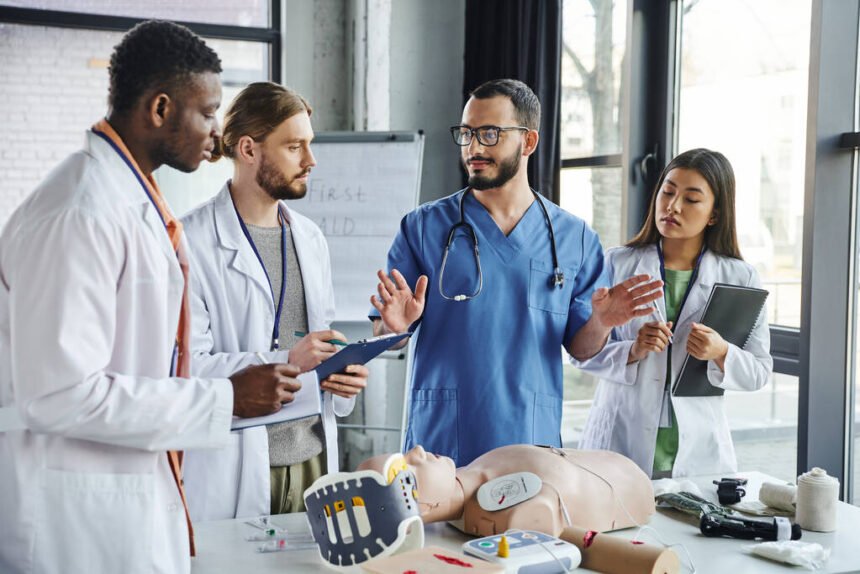
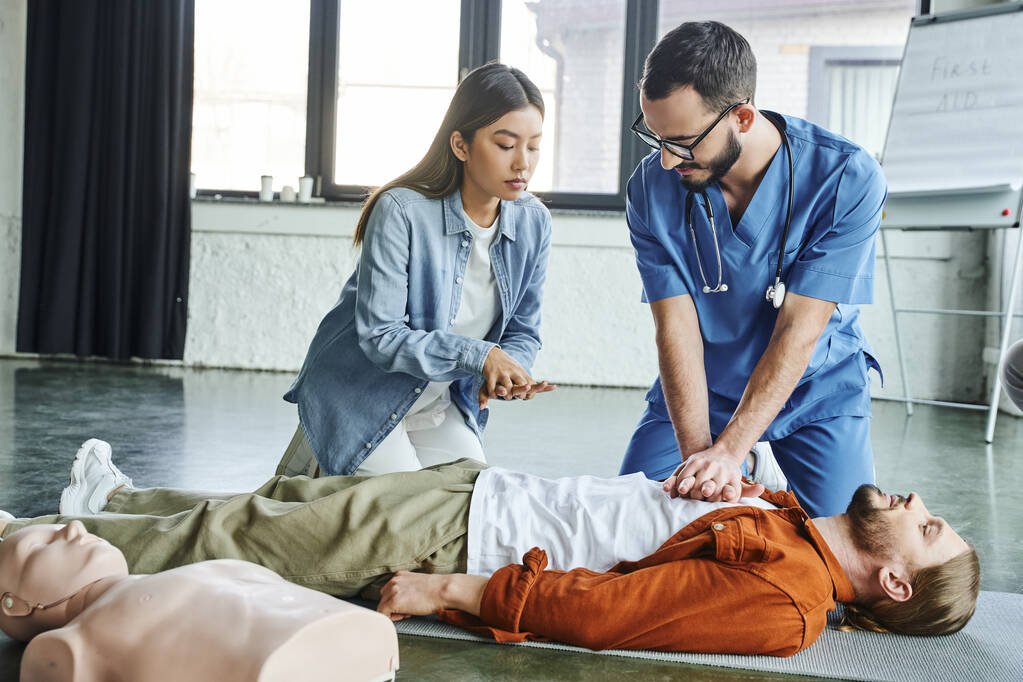
When you’ve practiced compressions on a mannequin, learned how to wrap a bandage correctly, or rehearsed what to say when calling emergency services, your brain has a blueprint to follow. Instead of panic, you feel purpose.
You also become familiar with basic CPR lingo terms like “compressions,” “rescue breaths,” “AED,” and “recovery position.” Understanding this vocabulary ensures you can communicate clearly with dispatchers and medical professionals. In high-stress situations, clarity saves time.
Confidence does not eliminate fear, but it replaces hesitation with action.
Everyday Scenarios Where First Aid Matters
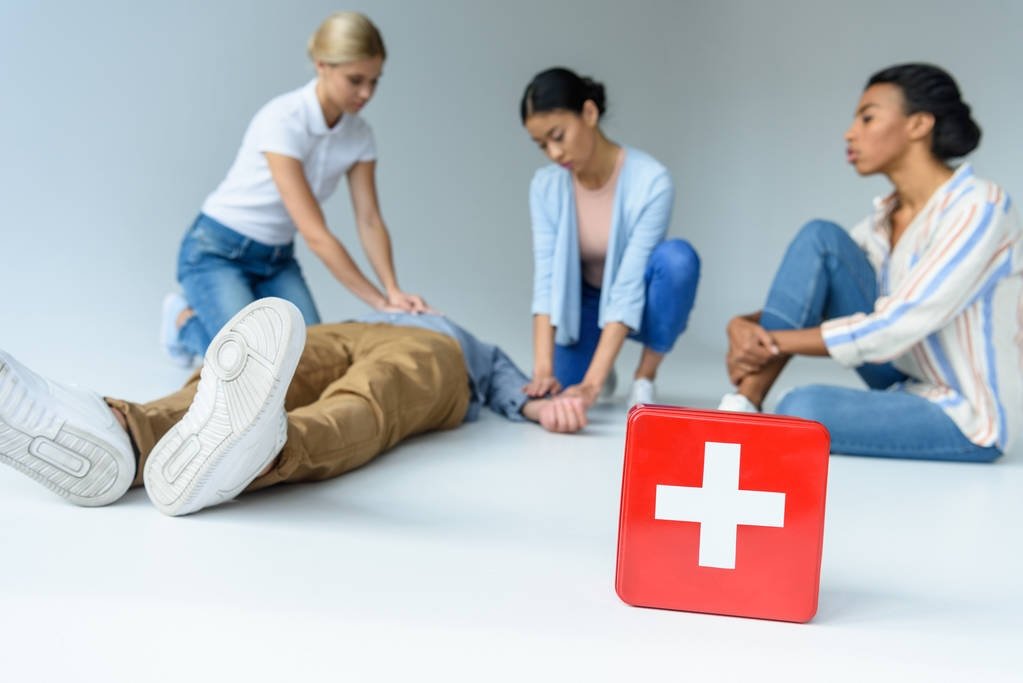
Emergencies are not always dramatic cardiac arrests. Often, they are everyday incidents that escalate quickly:
- A child choking on food
- A coworker fainting from dehydration
- A cyclist with a deep cut after a fall
- A family member experiencing heatstroke
- A friend with a severe allergic reaction
In each case, knowing how to assess the situation and apply basic first aid can prevent complications. Even something as simpleas correctly applying pressure to a wound can significantly reduce blood loss.
Preparedness is about recognizing that emergencies happen in ordinary settings.
CPR and AEDs: A Powerful Combination
Automated External Defibrillators (AEDs) are increasingly available in public places airports, malls, gyms, offices, and schools. But an AED is only effective if someone knows how to use it.
Modern training includes hands-on instruction with AED devices, showing participants how to turn them on, attach pads correctly, and follow voice prompts. The device analyzes heart rhythm and delivers a shock only if necessary, making it safe for trained non-medical individuals.
When CPR and AED use are combined quickly, survival rates from sudden cardiac arrest increase dramatically.
Learning how to respond is not just helpful it’s transformative.
Workplace Safety and Legal Awareness
For businesses, CPR and first aid training go beyond goodwill they reflect responsibility. Many industries require safety training as part of compliance standards. Construction sites, schools, childcare centers, gyms, and corporate offices benefit from having trained personnel on site.
Employees feel safer knowing someone nearby can respond in an emergency. Companies build trust by prioritizing safety.
Investing in local CPR training is not just a regulatory step; it’s a culture-building decision. It signals that leadership values human life and well-being.
When preparation becomes part of workplace culture, everyone benefits.
Parents, Coaches, and Caregivers: Frontline Protectors
Parents and caregivers are often the first to respond when a child is injured. Whether it’s a fall at the playground or a sudden allergic reaction at a birthday party, being equipped with CPR and first aid knowledge provides peace of mind.
Youth sports coaches, too, carry immense responsibility. Sports-related injuries, dehydration, and cardiac events, though rare, can occur. A trained coach who can quickly assess and respond becomes a safeguard for every child on the field.
Preparedness is an act of love. It’s protection in its most practical form.
Emotional Impact of Being Prepared
There is a psychological dimension to emergency preparedness that often goes unnoticed. Knowing you are trained to help can significantly reduce anxiety about worst-case scenarios.
Instead of worrying “What if something happens?”, you think, “If something happens, I know what to do.”
That mindset shift is empowering.
Communities that prioritize training often report increased social cohesion. People feel connected by shared responsibility. Preparedness becomes a collective effort rather than an individual burden.
Technology and Modern Training Methods
Today’s CPR and first aid courses are more accessible than ever. Blended learning options allow participants to complete theoretical components online before attending practical sessions. Interactive simulations, updated guidelines, and realistic training tools make learning more engaging and effective.
Some programs even incorporate scenario-based learning, teaching participants how to manage multiple emergencies or coordinate with others during a crisis.
Modern training focuses on retention and confidence, not just passing a test.
Removing Barriers to Action
Many people avoid training because they believe emergencies are rare or that someone else will step in. But the “bystander effect” is real. When everyone assumes someone else will act, no one does.
Training dismantles that mindset. It transforms bystanders into responders.
Cost and time are also common concerns. However, courses are widely available and often affordable. Many communities, organizations, and healthcare providers offer accessible options to ensure more people are trained.
Preparedness is not reserved for a select few. It is achievable for anyone willing to learn.
A Skill That Stays With You
Unlike many courses we take in life, CPR and first aid training offer skills that can be used anywhere, at any time. They do not depend on location, job title, or income level.
Once learned, they become part of you.
Even if you never need to perform CPR, you carry the quiet assurance that you could. And if that moment ever arrives, you may become the reason someone survives long enough to see another sunrise.
That is not a small thing.
Prepared Hands Save Lives
CPR and first aid are more than certifications; they are commitments. Commitments to family, coworkers, neighbors, and strangers. Commitments to stepping forward instead of stepping back.
Emergencies do not discriminate. They happen in homes, offices, schools, and public spaces. The question is not whether we can prevent every crisis; it’s whether we are ready when one unfolds before us.
Prepared hands are powerful hands.
Protected lives begin with someone choosing to learn.
Final Insight
In the end, CPR and first aid are not just about responding to emergencies; they are about redefining responsibility. They shift us from passive observers to active protectors within our families, workplaces, and communities.
You may never expect to be the one kneeling beside someone in need, counting compressions, stopping bleeding, or offering reassurance in a frightening moment. But emergencies do not choose the “qualified”; they rely on the present.
Choosing to learn CPR and first aid is choosing readiness over regret.
It is a quiet decision that says:
If the moment comes, I will not stand by helplessly.
And sometimes, that decision is what keeps a story from ending too soon.
Prepared hands do more than respond; they give life a second chance.
Disclaimer
This article is intended for educational and awareness purposes only and does not replace certified CPR or first aid training. In an actual emergency, always contact local emergency medical services immediately. Proper hands-on instruction from a recognized training provider is essential to safely and effectively perform CPR and first aid techniques. Guidelines and recommended practices may vary by region and are subject to updates, so individuals are encouraged to complete accredited training and refresh their knowledge regularly.