

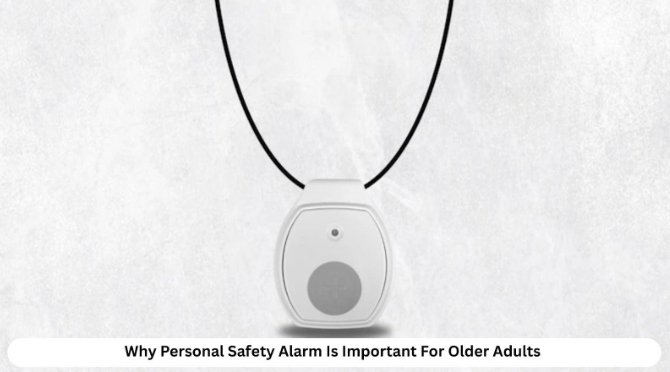
As individuals age, accidents or health complications may occur at any time. For example, bathroom slips, dizziness, or falls while moving around the house may quickly become serious if emergency assistance is not provided promptly.
Therefore, families frequently have concerns about the safety of loved ones living alone and, at the same time, find it difficult to balance independence and protection.
In many situations, seniors are left vulnerable because phones may be hard to reach or use during emergencies. To address this challenge, one of the most practical solutions is a personal safety alarm that allows users to receive immediate help with minimal effort.
With this added support, older adults feel more comfortable moving around without fear, while their families gain reassurance that help is always accessible.
1. Immediate Alert and Rapid Response
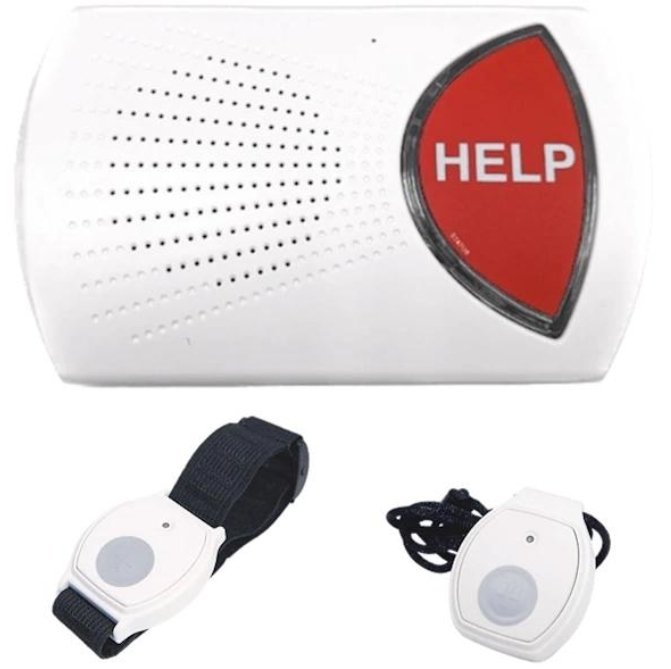
Emergencies are addressed immediately with a personal safety alarm for older adults. Every second counts when a fall, dizziness, or a sudden health problem occurs. These alarms enable users to call for help with a single button press, unlike phones that require dialling and navigating multiple on-screen options during stressful moments.
Many devices have automatic fall detection, meaning they send alerts even when the individual cannot press the alarm. Trained responders or family members can be notified via alerts, helping to get assistance promptly.
This prompt action saves the time a senior might spend alone after an accident and prevents small accidents from developing into major complications. Personal safety alarms give seniors confidence and security because they are assured of assistance whenever they need it, as communication is direct and reliable.
2. Confidence and Freedom in Daily Life
Independence is significant in both mental and emotional well-being. Because they are afraid of accidents or health emergencies, older adults are reluctant to do household chores, walk, or pursue hobbies.
When they are aware that help is within reach, they are motivated to remain active without worrying about it. For example, a personal safety alarm incorporated into everyday activities enables the elderly to move around freely, knowing that help is just a button press away.
When independence and safety are combined, older adults become more confident, enjoy daily life more, and stay physically and mentally healthy.
3. Reassurance and Support for Family
Taking care of an elderly family member remotely can be a source of anxiety, particularly because emergencies can happen at any time. Family members fear that they will take a long time to respond to falls or health complications, which may cause tension in relationships and less peace of mind.
A good solution to this problem is safety devices that notify multiple people, such as family members and professional rescuers, whenever assistance is needed. In this case, a personal safety alarm is helpful, ensuring emergencies are never overlooked and alleviating stress levels among seniors and caregivers.
Moreover, knowing that a loved one has access to quick support helps increase trust in their living conditions, making them more confident and less burdened by the emotional load of remote care.
4. Encouragement for an Active Social Life
Older adults may avoid socialising because of fear of falling or of emergencies. Personal safety alarms provide the peace of mind that help is always available, enabling the elderly to attend get-togethers, visit friends, or enjoy outdoor walks.
Regular engagement in social activities enhances mental stimulation, eliminates isolation, and promotes emotional well-being. A sense of safety motivates seniors to remain involved in their communities, which helps maintain friendships and family ties.
By enabling active social engagement, personal safety alarms reduce stress and help maintain a balanced, fulfilling lifestyle.
5. Protection During Health Challenges
Conditions like heart disease, diabetes, or balance problems make one prone to emergencies in everyday life. Even minor symptoms such as dizziness, weakness, or even shortness of breath may escalate without immediate help.
With a personal safety alarm, the elderly can call for help as soon as something goes wrong with their health, allowing them to get help promptly. In addition to emergencies, these devices can instil a sense of security in the everyday lives of older adults as they go about their daily activities.
Families gain peace of mind knowing that urgent needs will not be overlooked. Integrating safety support into everyday life allows older adults to retain independence while being safeguarded against both sudden and ongoing health concerns.
6. Advanced Features for Reliable Protection
Modern safety devices combine technology and practicality to enhance protection. GPS tracking can locate seniors who may wander or become disoriented, while two-way voice communication allows direct contact with responders in real time.
Some devices offer reminders for medication or monitoring of activity levels. Older adults who use a personal safety alarm benefit from versatile protection at home and outdoors without compromising independence or comfort.
Doctor’s Recommendation on Using a Personal Safety Alarm
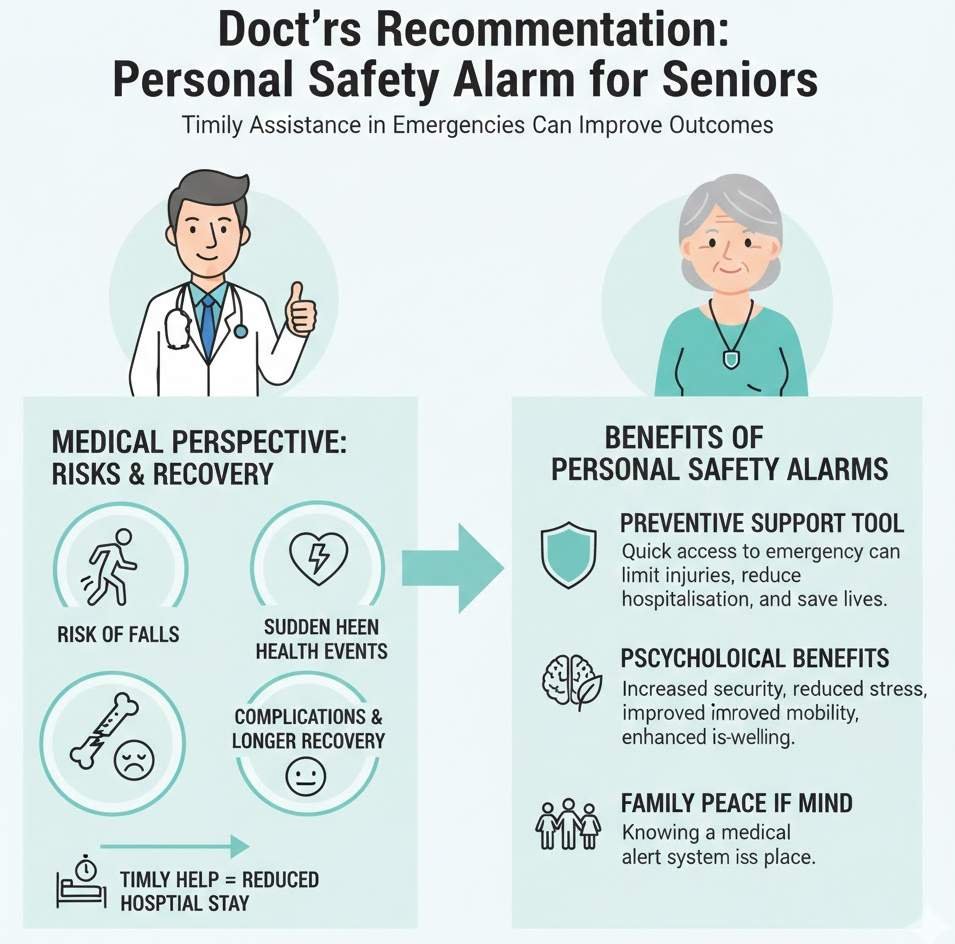
From a medical perspective, timely assistance during an emergency can significantly reduce complications and improve recovery outcomes for older adults. As people age, the risk of falls, sudden blood pressure changes, heart-related events, or diabetic episodes increases. In many cases, the seriousness of these situations depends not only on the condition itself but also on how quickly help is received.
Doctors often recommend personal safety alarms as a preventive support tool, especially for seniors living alone or managing chronic health conditions. Quick access to emergency assistance can limit the impact of injuries, reduce hospitalisation time, and in some cases, save lives.
Healthcare professionals also recognise the psychological benefits of these devices. When older adults feel secure, stress levels decrease, mobility improves, and overall well-being is enhanced. For families, knowing that a medical alert system is in place supports safer independent living while maintaining appropriate medical oversight.
Conclusion
Independence and security can coexist for older adults when practical safety solutions are in place. By providing rapid response during emergencies, boosting confidence, supporting social engagement, and offering advanced features, these devices improve both daily life and overall well-being.
Seniors can remain active, involved, and self-reliant while families gain reassurance that loved ones are protected. The thoughtful integration of a personal safety alarm into daily routines ensures emergencies are addressed promptly, risks are minimised, and independence is preserved.
By combining practical protection with confidence, these tools allow older adults to enjoy life fully while remaining safe, secure, and supported at all times.
Disclaimer
This article is intended for informational purposes only and should not be considered medical advice. Personal safety alarms are supportive tools designed to enhance safety and independence, but they are not a substitute for professional medical care, supervision, or emergency services. Older adults and their families should consult a qualified healthcare provider to determine the most appropriate safety measures based on individual health conditions and needs.