

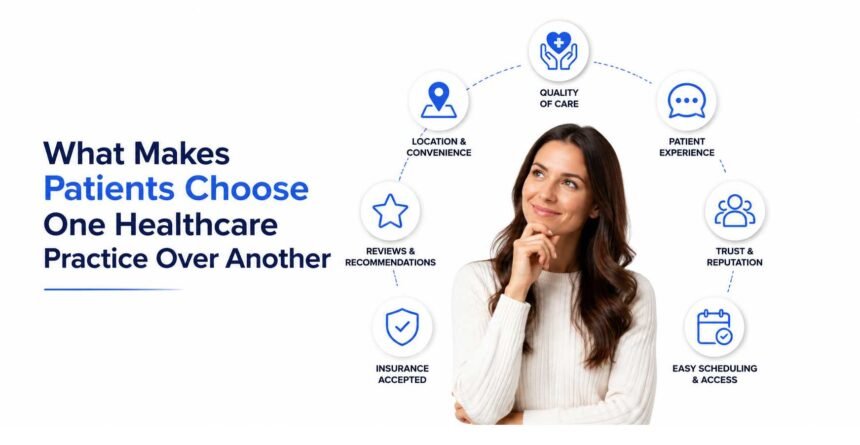
Finding a doctor used to be much simpler in the past because many people relied on recommendations from family members, neighbors, or coworkers. Today, things work differently. Patients usually spend time searching online, reading reviews, comparing offices, checking websites, and looking through social media pages before making a decision.
That change has made competition much stronger for smaller clinics and independent providers. Good medical care still matters most, of course, but it is no longer the only thing people notice. Communication, convenience, reputation, and online presence all influence how someone feels about a doctor before even scheduling a visit.
This shift has pushed many healthcare businesses to think more carefully about how they present themselves both online and offline. Patients want reliable care, but they also want comfort, clarity, and trust.
According to a 2025 Rater8 survey, 84% of patients check online reviews before deciding where to book an appointment, and more than half read at least 6 reviews before making a choice. Those numbers show how much online perception now affects decision-making in medicine.
First Impressions Start Before the Appointment
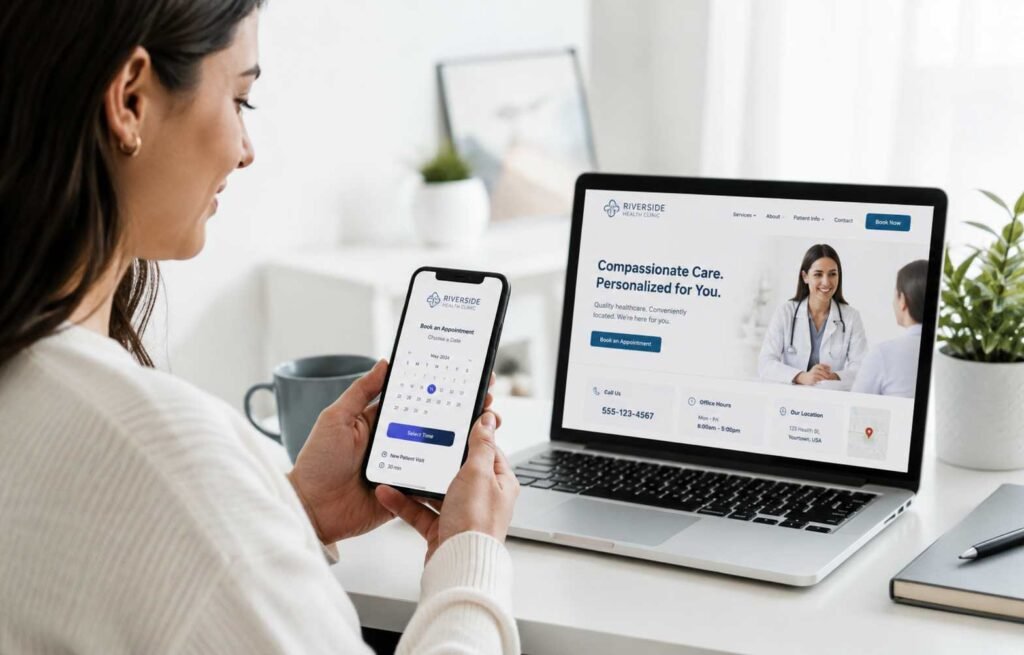
For many people, the first interaction happens through a phone screen. A patient may search for nearby clinics late at night after work or while dealing with symptoms at home. Within minutes, they are already forming opinions.
An outdated website can make an office seem neglected. Broken pages, unclear service descriptions, or missing contact information may create doubt immediately. Meanwhile, a clean layout with simple navigation can make a smaller clinic appear more organized and trustworthy.
Patients also notice how easy it is to find answers. They may want office hours, insurance details, directions, or appointment options without needing to call. When basic information is difficult to locate, frustration builds quickly.
The same goes for communication. A friendly reply to an email or a quick response to a phone inquiry can shape someone’s opinion right away. People often connect responsiveness with reliability.
Trust Matters More Than Advertising
Most people do not choose casually. Health decisions usually involve stress, uncertainty, or concern. Because of that, trust plays a major role.
Online reviews have become one of the biggest influences in healthcare decisions. Research published by Medical Economics found that more than 70% of patients consider reviews either very important or extremely important when making a choice.
People want reassurance before booking an appointment. They often read comments carefully to see how others describe their experiences. Positive feedback about kindness, professionalism, and communication can strongly influence decisions, while negative comments can have the opposite effect. According to a 2025 Tebra report, 62% of patients avoided booking with a provider because of poor reviews.
Interestingly, many complaints are not even about treatment quality. Patients often focus on issues like:
- Long waiting periods
- Rude staff behavior
- Difficulty scheduling visits
- Poor communication
- Feeling rushed during appointments
That tells us something important. Many individuals want to feel respected and listened to just as much as they want proper medical care.
Independent offices can sometimes do very well here because they often provide a more personal experience. Familiar faces and consistent communication help people feel comfortable returning.
Online Visibility Has Become Extremely Important
Even excellent doctors may struggle to attract new patients if people cannot easily find them online. When someone searches for care, they usually type phrases connected to symptoms, treatments, or local services. Those appearing near the top of search results naturally receive more attention.
Many practices now focus on website quality, patient communication, educational content, online reviews, social media activity, and broader digital outreach. Patients often expect an online presence that feels professional, trustworthy, and simple to navigate before they ever make contact.
As part of these efforts, having a healthcare SEO plan has become increasingly important for smaller clinics trying to strengthen their digital presence. Search engine optimization can involve improving website speed, making pages mobile-friendly, updating local listings, and publishing informative content that answers common patient questions. Some also invest in link building through reputable healthcare directories, medical websites, and local organizations, which may help strengthen online credibility over time.
These strategies are not only meant to improve rankings. They also make it easier for patients to access accurate information quickly when searching for medical care online. Smaller practices may not have the same financial resources as large healthcare systems, but they can still compete effectively by creating useful content and maintaining a clear, accessible online presence.
Convenience Influences Modern Decisions
Convenience has become one of the biggest factors today. Busy schedules often push patients toward offices that simplify the process. They prefer those offering online scheduling, digital forms, appointment reminders, or telehealth services. These features save time and reduce frustration.
A 2025 survey covered by the New York Post reported that 71% of respondents considered appointment reminders important, while 53% valued online booking systems. Those features are now expected by many patients rather than viewed as bonuses.
Wait times also matter. Long delays can damage trust, especially if communication is poor. Patients usually understand that emergencies happen, but they still appreciate updates and transparency. Accessibility, like easy parking, clear directions, simple payment systems, and understandable insurance information, all shape the overall experience.
Sometimes, small operational changes improve satisfaction more than expensive marketing campaigns.
Human Side of Care Still Matters Most

Technology continues to change healthcare, but people still want genuine human interaction. A patient may forget medical terminology, but they usually remember how they were treated emotionally. Feeling ignored or rushed can leave a lasting negative impression, even if the treatment itself was effective.
Communication plays a major role here. Patients appreciate doctors who explain things clearly and listen carefully to concerns. Compassion often matters as much as expertise in building long-term loyalty.
Research from TechTarget found that communication problems increasingly appear in negative healthcare reviews. Many complaints involve patients feeling unheard during appointments. That highlights a major reality in healthcare today. Patient experience affects reputation directly.
Simple actions can make a difference:
- Friendly greetings
- Clear explanations
- Follow-up calls
- Respectful conversations
- Calm waiting areas
These details help people feel comfortable and valued.
Smaller clinics sometimes have an advantage because they can create stronger personal relationships. Patients often appreciate seeing familiar staff members and receiving more individualized attention.
Reputation Continues Long After the Visit
The journey does not end after treatment. Follow-up communication, billing experiences, scheduling processes, and ongoing support all shape overall perception. One negative interaction after a visit can still influence reviews and recommendations.
Word-of-mouth remains powerful, especially in local communities. Patients often share experiences with friends, relatives, and coworkers. Positive recommendations can steadily strengthen a reputation over time.
That is why consistency matters so much. Patients expect professionalism during every interaction, not only during appointments. Practices focusing on long-term relationships usually create stronger loyalty naturally.
Final Thoughts
Patients choose their doctors for many reasons, but trust sits at the center of nearly every decision. Communication, convenience, reputation, online visibility, and overall experience all influence how people feel before scheduling care.
People are informed and selective today. Many compare carefully before making choices. The fact that 84% of patients read reviews before making a final decision shows how strongly online perception matters.
For smaller clinics, success does not always require huge advertising budgets or aggressive promotion. Often, steady growth comes from creating positive experiences, building trust, improving communication, and being more approachable.
People want providers who seem reliable, accessible, and genuinely caring. Those qualities continue influencing decisions far more than flashy marketing alone.