

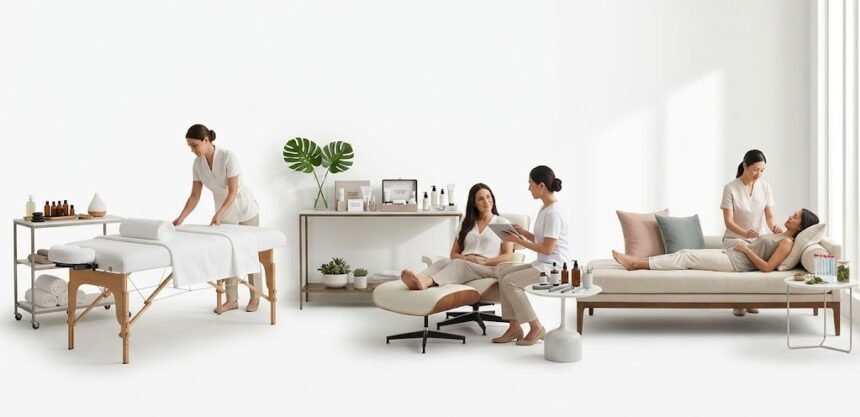
Somewhere along the way, self-care stopped being a luxury and became something people actually budget for. And the way people access wellness has completely flipped. Forget driving across town to sit in a beige waiting room for forty minutes. Today, personalized wellness treatments show up at your front door, your hotel, or your office. The excuses that used to derail every good intention are gone.
The numbers back this up in a big way. The global wellness economy is projected to reach nearly $6.8 trillion in 2024 and push toward $9.0 trillion by 2028, according to the Global Wellness Institute. That is not a fleeting trend. That is a fundamental shift in how modern people think about their health.
What “Personalized” Actually Means in Today’s On-Demand Wellness World
Most people do not realize there is a massive gap between a generic spa package and a treatment that was actually designed for you. One-size-fits-all protocols have their place, but if you are dealing with fatigue, slow recovery, or a compromised immune system, cookie-cutter solutions rarely move the needle. For context on why generalized advice often falls short, our guide on why your gut problems need more than generic advice explains the same principle applied to digestive health.
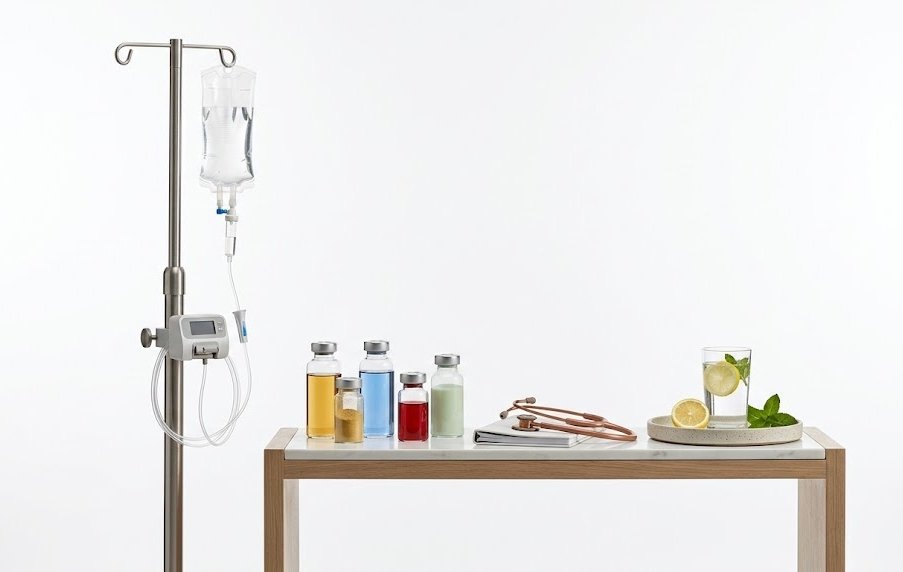
Real personalization starts with a proper health intake covering your medical history, current medications, allergies, and what you are actually trying to accomplish. From there, qualified providers customize everything: vitamin blends, hydration concentration, and targeted add-ons such as antioxidants or anti-inflammatory support. A good provider also adjusts over time. What works in month one should not be identical to what you receive in month four, because your baseline shifts as your body responds.
Companies like Modwella have made this model genuinely practical, operating across multiple states with nurse-administered IV therapy delivered directly to clients. If you have ever searched for mobile IV therapy near me, you already know that reputable concierge services bring licensed professionals straight to your door with full medical oversight, HIPAA-compliant care, and real customization baked in. The HIPAA Privacy Rule applies equally to in-home clinical care, so your records stay protected regardless of where treatment happens.
What Can Actually Come to Your Door
More than most people think. The mobile wellness toolkit has become genuinely impressive and continues to expand.
- At-home IV hydration for dehydration, hangovers, fatigue, and recovery
- B12 and vitamin injections for energy and immune support
- Recovery drips designed for athletes or post-illness rebuilding
- Beauty-focused infusions blending glutathione, biotin, and vitamin C
- Telehealth consultations for diagnosis, prescription follow-ups, and referrals
Each service is adaptable. A good provider is not just checking boxes. They are responding to what your body specifically needs that day, which is part of why holistic wellness approaches are reshaping modern healthcare conversations.
Benefits You’ll Actually Feel
Knowing what is available is only step one. What matters is how these services play out in your real life, not in theory, but on a Tuesday morning when you are exhausted and still have eight things on your calendar.
Research on tech-enabled home care models has consistently shown that patient satisfaction runs exceptionally high when care is delivered in familiar settings. One study published in the Journal of Medical Internet Research found that the overwhelming majority of patients using home-based clinical services reported they would use the service again. That repeat-usage metric is the one worth sitting with, because when nearly 9 out of 10 people want to come back, convenience is clearly not cutting corners on quality.
No More “I Don’t Have Time” Excuses
No waiting room. No commute. No scrambling because you could not find parking. Treatments fit around your schedule before meetings, during nap time, or after a late flight. Plenty of people work remotely during their session, or they use it as a rare window to actually rest. That flexibility is what keeps wellness routines from falling apart, because let us be honest, they usually fall apart because of logistics, not intention. Our piece on small posture fixes and overall well-being makes the same point about micro-friction destroying consistency.
Comfort Changes Everything
There is a low-level stress that creeps in any time you walk into a clinical space. Bright lights, unfamiliar smells, strangers nearby. It is subtle, but it is real. Receiving personalized health treatments in your own environment strips that away entirely. For anyone who is immunocompromised, recovering from illness, or finds clinics anxiety-inducing, that shift in environment genuinely matters. A calmer setting means a more relaxed body, and a more relaxed body responds better to treatment. This is not just anecdotal; the American Psychological Association has long documented how environmental stress elevates cortisol and interferes with physiological recovery.
Precision That Generic Plans Cannot Match
Energy. Immunity. Athletic recovery. Skin clarity. Whatever your specific goal is, a truly personalized protocol can be dialed in and adjusted as your needs change. That is the difference between a customized plan and a wellness menu, where you pick something that sounds vaguely relevant. One of them works. The other is expensive guesswork. If nutrient gaps are part of the picture, our article on why modern lifestyles are leaving people nutrient-deficient is a useful companion read.
At-Home Wellness vs. Traditional Clinic Visits
So how does this stack up against going to a clinic? The gap is bigger than most people expect.
| Feature | At-Home Wellness | Traditional Clinic |
|---|---|---|
| Scheduling | Same-day, evenings, weekends | Business hours, often weeks out |
| Environment | Home, office, hotel | Clinical waiting room |
| Provider Time | One-on-one, unhurried | Often brief and rushed |
| Exposure Risk | Minimal | Crowded waiting areas |
| Personalization Depth | High | Variable |
| Cost Transparency | Direct pricing common | Often unclear upfront |
Scheduling a specialist through traditional channels can sometimes mean waiting over a month. At-home providers work evenings, weekends, and same-day slots. The math is not complicated.
And for anyone managing a chronic condition or post-surgery recovery, skipping a crowded waiting room is not just comfortable, it is a legitimate health consideration. Wellness treatments at home mean your only in-person contact is the licensed professional arriving directly to you. The CDC continues to recommend reducing unnecessary exposure in healthcare settings for vulnerable populations.
Safety First: What to Actually Look For
Safety is the obvious question, and it deserves a straight answer. Reputable at-home wellness providers employ licensed nurses or paramedics, operate under physician oversight, and follow approved clinical protocols every single time.
Before booking anything, verify the following:
- Licensed professionals only. Registered nurses or paramedics, not technicians.
- Transparent medical director oversight. A named physician should be responsible for protocols.
- Clearly explained credentials. A provider who hesitates when asked is a provider to skip.
- Thorough intake forms. Medical history, medications, and allergies are non-negotiable.
- Current licensure. You can verify nursing credentials through your state Nursing Licensure Portal.
Any provider who skips the intake step is one to walk away from immediately. The same logic applies to choosing any healthcare provider you are trusting with your body.
When Personalized Home Wellness Makes the Biggest Difference
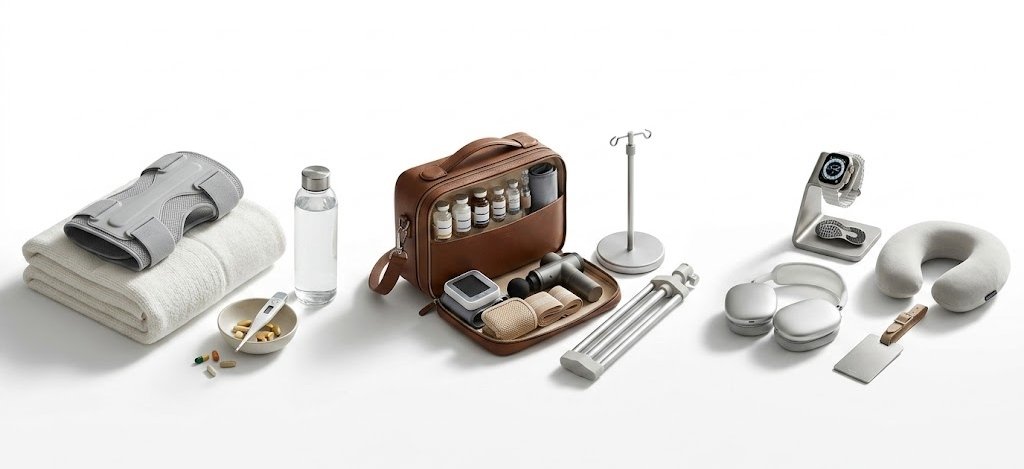
Not everyone needs a mobile wellness provider every week. But there are specific scenarios where this model genuinely outperforms traditional care.
- Post-surgical recovery: when leaving the house feels like climbing Everest
- Chronic fatigue or long COVID: where consistent hydration and nutrient support matter
- High-performance athletes: training schedules leave little room for clinic appointments
- New parents, especially postpartum, when logistics become impossible
- Frequent travelers: jet lag and recovery stack up across time zones
- Professionals with unpredictable schedules: executives, medical staff, shift workers
For those also working through emotional recovery or burnout, our article on how a wellness retreat can reset your nervous system pairs well with the in-home care discussion, because the underlying principle is the same: care meets you where you are.
Frequently Asked Questions
What are the benefits of personalizing patient services?
- Personalized healthcare improves clinical outcomes, enhances quality of life, reduces healthcare costs and resource utilization, and builds a stronger connection between patients and their providers.
What about personalization in broader health and social care? Personalised care improves wellbeing, joins up care in local communities, reduces pressure on stretched services such as the NHS, and helps the wider health system run more efficiently, according to NHS England’s Personalised Care framework.
Is it safe to use convenient wellness services regularly?
- Yes, when administered by licensed professionals with proper medical oversight, convenient wellness services are safe for ongoing use. Always verify credentials, complete intake forms honestly, and flag any changes in your health between sessions.
How often should I receive IV hydration therapy?
- Frequency depends on your goals and clinical situation. Most providers recommend starting with one session, then adjusting based on response. Weekly, biweekly, and monthly cadences are all common. Discuss frequency with your provider based on your intake.
Can I combine at-home wellness with my existing medical care?
- In most cases, yes. A reputable mobile provider will always ask about current medications and existing conditions before recommending any protocol, and should coordinate with your primary physician when needed.
Final Thoughts
The shift toward personalized wellness treatments delivered at home is not just a convenience story. It is quietly reshaping how people build health habits that actually stick. When care meets you where you are, the friction disappears. And without friction, consistency becomes possible. If you have been telling yourself you will “start next month,” maybe the fact that someone can literally arrive at your door is the nudge you have been waiting for.
Medical Disclaimer
This article is for informational and educational purposes only and is not intended as a substitute for professional medical advice, diagnosis, or treatment. Always seek the guidance of your physician or other qualified health provider with any questions you may have regarding a medical condition or before starting any new wellness protocol, including IV therapy, vitamin injections, or similar treatments. Individual results vary, and what works for one person may not be appropriate for another. Never disregard professional medical advice or delay seeking it because of something you have read in this article.
References
- Global Wellness Institute. (2024). The Global Wellness Economy Monitor, 2024. Miami, FL: Global Wellness Institute. Available at: globalwellnessinstitute.org
- U.S. Department of Health and Human Services. (2023). HIPAA Privacy Rule Summary. Office for Civil Rights. Available at: hhs.gov/hipaa
- NHS England. (2024). Personalised Care: Comprehensive Model. London: NHS England. Available at: england.nhs.uk/personalisedcare
- Centers for Disease Control and Prevention. (2024). Transmission-Based Precautions Guidelines. Atlanta, GA: CDC. Available at: cdc.gov
- American Psychological Association. (2023). Stress Effects on the Body. Washington, DC: APA. Available at: apa.org/topics/stress
- National Council of State Boards of Nursing. (2024). Nurse Licensure Verification Resources. Chicago, IL: NCSBN. Available at: ncsbn.org
- Journal of Medical Internet Research. (2023). Patient Satisfaction with Tech-Enabled Home Healthcare Delivery Models. Available at: jmir.org