

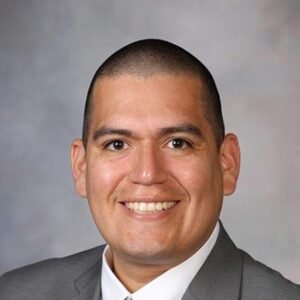
Dr. Yazan Abdeen, MD Pulmonologist and Critical Care Specialist
Dr. Yazan Abdeen, MD, is a pulmonologist and critical care specialist whose work focuses on lung disease, breathing disorders, serious respiratory illness, and advanced airway procedures. His professional credentials also include a Master of Healthcare Administration and fellowship status with the American College of Chest Physicians.
Dr. Abdeen is board-certified in internal medicine, pulmonary medicine, critical care medicine, and obesity medicine. His procedural experience includes therapeutic bronchoscopy, endobronchial ultrasound, and navigational bronchoscopy. (Houston Pulmonary & Sleep Physicians)
A consultation with a pulmonologist does not always lead to an invasive procedure. Many appointments begin with a review of symptoms, lung testing, imaging, medications, sleep concerns, and earlier treatment before the next step is decided.
About Dr. Yazan Abdeen
Dr. Abdeen cares for patients with conditions affecting the lungs, airways, breathing pattern, and respiratory function. His combination of pulmonary and critical care training allows him to manage ongoing outpatient lung problems as well as severe illnesses that may require hospital-based care.
Patients may be referred to him for symptoms such as:
- Continuing shortness of breath
- A cough that does not improve
- Wheezing or chest tightness
- Repeated respiratory infections
- Abnormal chest imaging
- Low oxygen levels
- Loud snoring with daytime tiredness
- Suspected sleep-related breathing problems
- Difficult-to-control asthma
- Chronic obstructive pulmonary disease
- A lung nodule requiring further evaluation
- Breathing complications associated with another medical condition
Dr. Abdeen is part of Pulmonary and Sleep Physicians of Houston, a practice providing pulmonary, critical care, and sleep-related services. Public hospital information lists pulmonary disease as his primary specialty and English and Arabic among the languages he speaks. (hcahoustonhealthcare.com)
Patients can review the wider range of pulmonary and respiratory care services available through Doctiplus when deciding which type of specialist may be appropriate.
Professional Background and Experience
Dr. Abdeen received his medical degree from Jordan University of Science and Technology in 2005. He later completed training in internal medicine, pulmonary medicine, and critical care medicine through Saint Michael’s Medical Center and Seton Hall University.
He also earned a Master of Healthcare Administration from the University of Arkansas at Fort Smith in 2019. This additional qualification relates to healthcare leadership, clinical quality, organisational management, and the operation of medical services. (Houston Pulmonary & Sleep Physicians)
His professional work combines several areas of medicine:
- Outpatient pulmonary care
- Hospital-based critical care
- Evaluation of abnormal lung imaging
- Advanced diagnostic bronchoscopy
- Therapeutic airway procedures
- Management of chronic respiratory conditions
- Assessment of sleep-related breathing problems
- Care planning for patients with complex medical needs
His practice profile also identifies experience with endoscopic and critical care procedures. This may be relevant when a standard examination or chest scan does not provide enough information to explain a respiratory problem.
Education and Medical Training
| Training Area | Institution | Details |
|---|---|---|
| Medical education | Jordan University of Science and Technology | Medical degree completed in 2005 |
| Internship and residency | Saint Michael’s Medical Center and Seton Hall University | Internal medicine training |
| Fellowship training | Saint Michael’s Medical Center and Seton Hall University | Pulmonary medicine and critical care medicine |
| Graduate education | University of Arkansas at Fort Smith | Master of Healthcare Administration completed in 2019 |
Dr. Abdeen completed his internship, residency, and fellowship training by 2015. His training route gave him a foundation in general adult medicine before adding specialist experience in lung disease and critical care.
Internal medicine training is useful in pulmonary care because breathing symptoms can be connected with heart disease, infection, metabolic conditions, medication effects, obesity, or other long-term health concerns.
Board Certifications and Professional Credentials
Dr. Abdeen’s practice profile lists board certification in:
- Internal medicine
- Pulmonary medicine
- Critical care medicine
- Obesity medicine
He is also a Fellow of the American College of Chest Physicians. The designation FCCP recognises professional standing within an organisation focused on chest medicine, pulmonary disease, critical care, and related clinical fields.His listed credentials include:
- MD, Doctor of Medicine
- MHA, Master of Healthcare Administration
- FCCP, Fellow of the American College of Chest Physicians
Board certification is different from medical licensing and professional membership. Patients who need formal confirmation for insurance, employment, legal, or credentialing purposes should consult the relevant certification and medical licensing boards.
Main Areas of Pulmonary Care
Asthma Assessment and Management
Asthma is a long-term condition in which the airways can become inflamed and narrowed. Symptoms may include wheezing, coughing, shortness of breath, and chest tightness. Symptoms can vary over time and may worsen after exposure to allergens, infection, smoke, exercise, weather changes, or workplace irritants. (MedlinePlus)
A pulmonary assessment may include:
- Reviewing the pattern of symptoms
- Identifying possible triggers
- Checking inhaler use
- Performing lung function testing
- Reviewing emergency visits or hospital admissions
- Assessing whether another condition is affecting breathing
- Creating or updating an asthma action plan
Patients should bring all inhalers to the appointment when possible. This allows the clinical team to see exactly which medicines are being used and whether the devices are being handled correctly.
Chronic Obstructive Pulmonary Disease
Chronic obstructive pulmonary disease, commonly called COPD, is a long-term lung condition that limits airflow. It commonly includes features of emphysema, chronic bronchitis, or both.
Symptoms can include a continuing cough, mucus production, wheezing, chest tightness, and shortness of breath during activity. Diagnosis may involve medical history, lung function tests, chest imaging, and blood tests. (MedlinePlus)
Pulmonary care for COPD may involve:
- Inhaled medication
- Smoking cessation support
- Vaccination review
- Pulmonary rehabilitation
- Oxygen assessment
- Exercise and activity planning
- Management of symptom flare-ups
- Monitoring for respiratory infections
COPD treatment is personalised. A medicine or inhaler that helps one patient may not be suitable for another because disease severity, oxygen levels, other medical conditions, and previous responses can differ.
Patients may read Doctiplus information about bronchitis and continuing lung inflammation before discussing recurrent cough or mucus with a qualified professional.
Pneumonia and Respiratory Infections
Pneumonia is an infection that causes inflammation within the lungs. Symptoms may include fever, chills, cough, mucus, breathing difficulty, chest pain, nausea, or weakness. Older adults and patients with serious medical conditions may sometimes develop less typical symptoms, including sudden confusion.
A pulmonologist may become involved when:
- Pneumonia is severe
- Infections keep returning
- The condition is not improving as expected
- An abnormal area remains on imaging
- The patient has an underlying lung disease
- Oxygen levels remain low
- A bronchoscopy may be needed
- The infection occurs during a hospital stay
- The immune system is weakened
Treatment depends on the suspected cause, severity of illness, test results, and the patient’s general health.
Sleep-Related Breathing Problems
Sleep apnea causes repeated interruptions in breathing during sleep. Possible signs include loud snoring, witnessed pauses in breathing, choking during sleep, morning headaches, poor concentration, and daytime tiredness.
Evaluation may involve a sleep history, examination, overnight sleep testing, review of oxygen levels, and discussion of weight, medications, nasal obstruction, and other medical conditions. Treatment options may include positive airway pressure therapy, oral devices, lifestyle changes, or specialist procedures, depending on the cause.
Dr. Abdeen practises within a pulmonary and sleep medicine group. Patients should confirm directly whether he personally provides the specific sleep study, equipment management, or sleep disorder service they need.
Pleural and Chest Conditions
The pleura are thin layers of tissue surrounding the lungs. Fluid, infection, inflammation, bleeding, or air can collect in the space between these layers.
Pleural conditions may cause:
- Sharp pain with breathing
- Shortness of breath
- Cough
- Reduced oxygen
- Pressure or heaviness in the chest
- Abnormal findings on a chest X-ray or CT scan
Evaluation may require ultrasound, chest imaging, laboratory testing, fluid sampling, or another procedure. The correct approach depends on the amount of fluid or air present and its suspected cause.
Lung Nodules and Abnormal Imaging
A lung nodule is a small area that appears different from the surrounding lung tissue on an X-ray or CT scan. Many nodules are not cancer, but some need follow-up or additional testing.
The doctor may consider:
- Nodule size
- Shape and location
- Changes over time
- Smoking history
- Age
- Previous infection
- Occupational exposure
- Personal history of cancer
- Other findings on the scan
Possible next steps include repeat imaging, specialised scanning, bronchoscopy, biopsy, or referral to another specialist. The presence of a lung nodule does not by itself confirm a particular diagnosis.
Advanced Bronchoscopy Procedures
Dr. Abdeen’s practice profile specifically lists experience in therapeutic bronchoscopy, endobronchial ultrasound, and navigational bronchoscopy. (Houston Pulmonary & Sleep Physicians)
Bronchoscopy
Bronchoscopy allows a doctor to look inside the airways using a thin instrument with a camera. It can help investigate a persistent cough, bleeding, infection, airway narrowing, or an abnormal area found on chest imaging.
Small tissue or fluid samples may be collected during the procedure. Bronchoscopy can also be used in selected cases to remove mucus, control bleeding, open an airway, or treat an obstruction.
Endobronchial Ultrasound
Endobronchial ultrasound, often shortened to EBUS, combines bronchoscopy with ultrasound imaging. It allows the doctor to examine structures and lymph nodes near the airways.
EBUS may help:
- Investigate enlarged lymph nodes
- Collect tissue samples
- Evaluate suspected lung cancer
- Assess infection or inflammation
- Reduce the need for a more invasive surgical biopsy in selected cases
Patients should ask what information the procedure is expected to provide and how its results may affect treatment.
Navigational Bronchoscopy
Navigational bronchoscopy uses specialised guidance technology to help the doctor reach areas deeper within the lungs.
It may be considered when a nodule or abnormal area is difficult to reach through ordinary bronchoscopy. The doctor may use information from a CT scan to guide instruments through the branching airways.
Reaching the area does not guarantee that a diagnostic sample can always be obtained. Nodule size, location, movement with breathing, and surrounding anatomy may affect the result.
Therapeutic Bronchoscopy
Therapeutic bronchoscopy is performed to treat an airway problem rather than only examine it.
Depending on the condition and available facilities, it may be used to:
- Remove thick secretions
- Clear an airway blockage
- Control certain types of airway bleeding
- Remove a foreign object
- Open a narrowed airway
- Support placement of an airway stent
- Treat selected tissue growths
The exact risks, sedation method, expected benefit, and recovery instructions should be discussed before the procedure.
Critical Care Medicine
Critical care medicine involves the treatment of patients with serious or life-threatening illness. A critical care specialist may work with emergency physicians, hospital doctors, surgeons, nurses, respiratory therapists, and other specialists.
Conditions that may require pulmonary critical care include:
- Severe pneumonia
- Acute respiratory failure
- Serious asthma attacks
- COPD flare-ups with low oxygen
- Sepsis affecting breathing
- Blood clots in the lungs
- Complications after major surgery
- Need for mechanical ventilation
- Severe airway obstruction
- Multiple medical problems affecting vital organs
Critical care treatment is usually provided in a hospital or intensive care unit rather than during a routine clinic visit.
A critical care doctor may help manage oxygen support, ventilator treatment, airway procedures, medication, fluid balance, and coordination between medical teams.
Obesity Medicine and Respiratory Health
Dr. Abdeen is also listed as board-certified in obesity medicine. Weight-related health concerns can be relevant to pulmonary care because they may affect breathing effort, physical activity, oxygen levels, asthma control, and sleep apnea.
An obesity medicine assessment may consider more than body weight alone. It may include:
- Existing medical conditions
- Sleep quality
- Medication effects
- Metabolic health
- Eating patterns
- Physical limitations
- Breathing symptoms
- Previous treatment attempts
- Personal health goals
Patients can read about comprehensive approaches to obesity management to understand why care may involve several connected health factors.
Patients should confirm directly whether weight-management consultations are currently offered through Dr. Abdeen’s practice.
Who May Benefit From Seeing Dr. Abdeen
A pulmonary consultation may be appropriate for someone who:
- Has breathing symptoms that continue despite basic treatment
- Needs help controlling asthma or COPD
- Has repeated pneumonia or bronchitis
- Has an abnormal chest X-ray or CT scan
- Requires evaluation of a lung nodule
- Experiences unexplained low oxygen
- Has a persistent cough
- Coughs up blood
- Has suspected sleep apnea
- Needs assessment before a bronchoscopy
- Wants another opinion about a lung diagnosis
- Has recently required hospital care for respiratory illness
- Needs follow-up after intensive care treatment
A referral does not always mean that the condition is severe. It may simply mean that specialised testing or a more focused review is needed.
Patients looking for another provider or related specialty can use the Doctiplus doctor search directory to compare available professional profiles.
What Patients Can Expect During an Appointment
A pulmonary consultation normally begins with a detailed discussion of symptoms and medical history.
Patients may be asked:
- When did the breathing problem begin?
- Is it worse during activity or at rest?
- Does it become worse at night?
- Is there coughing, mucus, or wheezing?
- Have there been fevers or infections?
- Has weight changed unexpectedly?
- Is there a history of smoking or workplace exposure?
- Has a sleep partner noticed snoring or breathing pauses?
- Have inhalers or antibiotics helped?
- Has hospital care been required?
The examination may include listening to the lungs, checking oxygen saturation, reviewing breathing effort, and looking for signs that another medical condition may be contributing.
Testing may include:
- Pulmonary function testing
- Chest X-ray
- CT imaging
- Blood testing
- Oxygen measurement
- Walking oxygen assessment
- Sleep testing
- Sputum testing
- Bronchoscopy
- Tissue or fluid sampling
Not every patient needs all these tests. The doctor selects investigations according to the symptoms, examination, and available records.
Preparing for the Consultation
Patients can prepare by bringing:
- A current medication list
- All inhalers and breathing devices
- Allergy information
- Recent chest imaging
- Copies of imaging reports
- Pulmonary function results
- Sleep study reports
- Hospital discharge papers
- Previous bronchoscopy reports
- Laboratory results
- A list of respiratory infections
- Vaccination information
- Insurance and referral documents
- Written questions
Patients should describe how breathing symptoms affect everyday activities. Helpful examples include difficulty climbing stairs, walking a normal distance, sleeping flat, speaking for long periods, or completing household tasks.
It may also help to record oxygen readings, inhaler use, coughing patterns, and nighttime symptoms for several days before the visit.
Questions to Ask Dr. Abdeen
Patients may consider asking:
- What is the most likely cause of my breathing symptoms?
- Do I need pulmonary function testing?
- What did my chest scan show?
- Is the lung nodule likely to need follow-up?
- Why is bronchoscopy being considered?
- Would EBUS or navigational bronchoscopy be useful?
- Are there alternatives to the proposed procedure?
- How should I prepare?
- Should I stop or adjust any medications?
- How can I improve my inhaler technique?
- Do my symptoms suggest sleep apnea?
- Which symptoms require emergency care?
- When should testing or imaging be repeated?
- Will another specialist need to be involved?
Patients should ask for clear explanations of unfamiliar medical terms and request written instructions when preparing for a procedure.
Practice and Appointment Information
Dr. Abdeen practises with Pulmonary and Sleep Physicians of Houston, PA. The practice website lists two clinic locations:
Webster Office
501 Orchard Street, Suite 200
Webster, TX 77598
Pearland Office
10970 Shadow Creek Parkway, Suite 220
Pearland, TX 77584
Phone: 281-557-8555
Clinic addresses, office hours, appointment availability, and provider schedules can change. Patients should call the practice before travelling.
Hospital Affiliations
The practice website lists Dr. Abdeen as an active medical staff member at several facilities, including HCA Houston Healthcare Clear Lake, HCA Houston Healthcare Pearland, UTMB Health Clear Lake Campus, Houston Methodist Clear Lake Hospital, and several long-term acute care or rehabilitation hospitals.
A listed hospital affiliation does not mean that every test or procedure is offered at each facility. Patients should confirm where their consultation, imaging, bronchoscopy, sleep testing, or hospital treatment will occur.
Insurance and Telehealth Information
The practice maintains insurance information, but participation can vary by plan and service.
Before scheduling, patients should ask:
- Is Dr. Abdeen in my insurance network?
- Is the clinic or procedure facility also in network?
- Is a referral required?
- Does bronchoscopy need prior authorisation?
- Will pathology, anaesthesia, or imaging be billed separately?
- Is the requested service covered?
- Are new patients currently being accepted?
Current telehealth availability was not clearly confirmed in the public professional information reviewed. Patients should contact the clinic to ask whether virtual visits are offered for new consultations, imaging reviews, or follow-up care.
When Breathing Symptoms Need Urgent Care
Patients should not wait for a routine pulmonary appointment when breathing becomes suddenly or severely worse.
Urgent assessment may be needed for:
- Severe difficulty breathing
- Blue or grey lips
- New confusion
- Fainting
- Severe chest pain
- Coughing up a significant amount of blood
- Very low oxygen readings
- Inability to speak normally because of breathlessness
- Sudden breathing difficulty after a procedure
- Rapid worsening of asthma or COPD symptoms
- Breathing trouble with swelling of the face or throat
Contact emergency services or visit the nearest emergency department when symptoms appear life-threatening.
Profile Accuracy
This profile was prepared from publicly available practice, hospital, professional, and government provider information. Details that were not clearly confirmed, including present telehealth access and specific insurance participation, have not been presented as established facts.
Readers can review the Doctiplus editorial policy to understand how patient-focused medical information is researched and prepared.
Doctiplus also maintains a collection of trusted medical information resources used to support responsible health content.



Reviews
There are no reviews yet.