
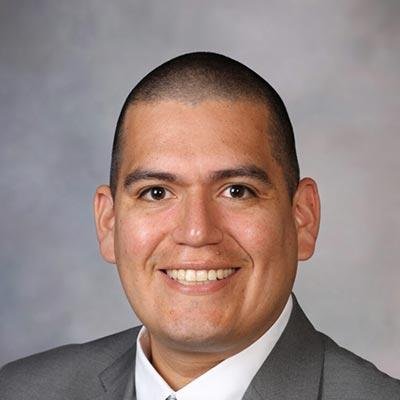
Dr. Humberto C. Sasieta, MD Pulmonologist, Sleep and Critical Care Specialist
Dr. Humberto C. Sasieta, MD, FCCP, is a physician specializing in pulmonary disease, critical care medicine, sleep medicine, and internal medicine. His current professional profile identifies him as quadruple board certified in these four areas, giving him a clinical background that spans chronic lung disease, breathing problems during sleep, and the management of seriously ill patients with respiratory conditions.
His documented clinical interests include chronic cough and airway disease, chronic obstructive pulmonary disease, lung cancer, lung nodules, sleep medicine, and diagnostic procedures involving endobronchial and ultrasound-guided biopsy techniques. He currently practices with Respiratory and Sleep Disorders Specialists.
For patients, the value of this combination is that breathing symptoms do not always belong to one narrow category. Shortness of breath may involve chronic lung disease, airway inflammation, sleep-related breathing problems, heart conditions, or several factors together. A pulmonologist with additional sleep and critical care training can help determine which part of the respiratory system needs closer attention.
Patients interested in related respiratory care can also review the Doctiplus pulmonology services overview, which includes asthma management, COPD treatment, sleep apnea testing, and lung cancer screening.
About Dr. Humberto C. Sasieta
Dr. Sasieta practices pulmonary, sleep, and critical care medicine through Respiratory and Sleep Disorders Specialists. His current practice biography states that he leads the group’s Tomball and Cypress clinics and has practiced in the area since 2018. He is fluent in English and Spanish.
His professional background also includes academic medicine. After completing pulmonary and critical care training at Mayo Clinic, he held the academic rank of Assistant Professor there and participated in clinical research, basic research, and quality-improvement work. His research interests included chronic cough and recovery of the lungs after injurious mechanical ventilation.
Current professional information also identifies teaching roles involving the University of Houston College of Medicine and Sam Houston State University College of Osteopathic Medicine.
This combination of outpatient pulmonary care, sleep medicine, critical care, teaching, and research provides useful context for patients trying to understand the scope of his practice.
Medical Education and Specialty Training
Dr. Sasieta earned his medical degree from Universidad Peruana Cayetano Heredia in Lima, Peru, in 2009. He subsequently completed internal medicine residency training at the University of Arkansas for Medical Sciences from 2011 through 2014.
He then completed fellowship training in pulmonary disease and critical care medicine at Mayo Clinic in Rochester, Minnesota, from 2014 through 2017. Afterward, he completed an additional fellowship in sleep medicine at the University of Texas McGovern Medical School from 2018 through 2019.
| Training Area | Institution | Details |
|---|---|---|
| Medical education | Universidad Peruana Cayetano Heredia | MD, 2009 |
| Residency | University of Arkansas for Medical Sciences | Internal Medicine, 2011–2014 |
| Fellowship | Mayo Clinic | Pulmonary Disease and Critical Care Medicine, 2014–2017 |
| Additional fellowship | UTHealth McGovern Medical School | Sleep Medicine, 2018–2019 |
| Specialty focus | Pulmonary, Critical Care and Sleep Medicine | Adult respiratory and sleep-related care |
This training pathway matters because pulmonary symptoms can overlap with many other medical conditions. Internal medicine provides the broad adult medical foundation, pulmonology concentrates on diseases affecting breathing and the lungs, critical care adds expertise in severe illness, and sleep medicine addresses disorders occurring during sleep.
Board Certification and Professional Credentials
Current provider information lists Dr. Sasieta as board certified in Internal Medicine, Pulmonary Disease, Critical Care Medicine, and Sleep Medicine. Doximity identifies these certifications through the American Board of Internal Medicine, while his practice describes him as quadruple board certified.
His professional profile also lists recognition as a Fellow of the American College of Chest Physicians and membership in organizations including the American Academy of Sleep Medicine, American Thoracic Society, and American College of Chest Physicians.
For patients, these credentials are helpful for understanding his training, but they do not mean every person with coughing, snoring, or shortness of breath requires advanced testing. The first task remains identifying which condition best explains the symptoms.
Chronic Cough and Airway Disease
Chronic cough is one of Dr. Sasieta’s explicitly listed clinical interests and was also an area of his academic research.
A cough that lasts much longer than an ordinary respiratory infection can have several possible explanations. Conditions involving asthma, chronic airway inflammation, reflux, medication effects, upper-airway problems, infection, smoking-related disease, or other lung disorders can produce similar symptoms.
That means a pulmonary consultation should begin with the pattern.
A physician may ask when the cough started, whether it is dry or productive, whether exercise or lying down changes it, whether wheezing occurs, whether there has been a recent infection, and which medications the patient uses.
Previous chest imaging and pulmonary testing can also become important when the cough has already been investigated.
Patients looking for general educational information about airway inflammation can read the Doctiplus guide to bronchitis and persistent lung inflammation.
COPD and Chronic Breathing Problems
COPD is another clinical interest specifically listed in Dr. Sasieta’s current provider biography.
Chronic obstructive pulmonary disease can make it progressively more difficult to move air through the lungs. Patients may notice persistent coughing, reduced exercise tolerance, wheezing, or shortness of breath.
The severity of symptoms does not always match one test result. A pulmonologist may consider breathing tests, oxygen measurements, chest imaging, smoking or exposure history, medications, and how much normal activity has become limited.
Treatment can involve inhaled medication, management of respiratory triggers, rehabilitation, vaccination and infection prevention, or additional evaluation depending on the individual patient.
Doctiplus also identifies COPD treatment as part of its broader pulmonology and respiratory care services.
Pulmonary Function Testing
Pulmonary function tests help physicians understand how effectively the lungs move air and, depending on the testing performed, how well gases move between the lungs and bloodstream.
Dr. Sasieta’s professional profile includes pulmonary function evaluation within his respiratory practice.
These tests can be useful when evaluating symptoms such as persistent breathlessness, chronic cough, suspected obstructive airway disease, or unexplained changes in exercise tolerance.
A result should not be interpreted in isolation.
For example, an abnormal breathing test may need to be considered alongside chest imaging, symptoms, physical examination, and previous medical history before the physician decides whether asthma, COPD, another lung condition, or a non-pulmonary problem better explains the findings.
Lung Nodules
Lung nodules are specifically listed among Dr. Sasieta’s clinical interests.
A pulmonary nodule is a small abnormal area seen on chest imaging. Many nodules are found unexpectedly when a CT scan or X-ray is performed for another reason.
Finding a nodule does not automatically mean cancer.
A pulmonologist may consider its size, appearance, whether it has changed on earlier scans, smoking or exposure history, age, and other medical risk factors.
Some nodules can be monitored with repeat imaging. Others may need additional imaging or tissue sampling when their features justify closer investigation.
Patients should bring earlier chest scans whenever possible because comparison with older imaging can provide information that a single new scan cannot.
Lung Cancer Evaluation and Biopsy
Lung cancer is another area included in Dr. Sasieta’s listed clinical interests. His provider biography also specifically mentions endobronchial biopsy and ultrasound-guided biopsy techniques.
When imaging shows an abnormal lung lesion or lymph node, the next question is whether tissue needs to be sampled.
A biopsy should not be viewed simply as another routine test. The location of the abnormality, likelihood that the result will change treatment, and the safest method of obtaining tissue all matter.
Dr. Sasieta’s profile indicates experience with bronchoscopic and ultrasound-guided approaches used in selected pulmonary evaluations. Patients should confirm which specific procedure is currently recommended for their own imaging findings rather than assuming one biopsy technique is appropriate for every lung lesion.
Doctiplus also includes lung cancer screening within its pulmonary care overview.
Bronchoscopy and Endobronchial Evaluation
Bronchoscopy allows physicians to examine portions of the airways using a flexible viewing instrument.
Dr. Sasieta’s documented interest in endobronchial biopsy and ultrasound-guided biopsy indicates a procedure-focused component within his pulmonary work.
Bronchoscopy may be considered when imaging shows an abnormality that needs closer investigation, when tissue sampling is necessary, or when a physician needs more information about the airways.
The exact procedure depends on what the medical team is trying to learn.
Patients should ask what abnormality is being investigated, whether tissue will be collected, and how the result is expected to affect treatment.
Shortness of Breath
Shortness of breath is one of the most common reasons patients reach a pulmonologist, but it can have several possible causes.
Professional information associated with Dr. Sasieta specifically notes expertise in multifactorial shortness of breath.
That wording is important because not every breathing complaint comes from one lung disease.
A patient could have airway disease, sleep apnea, reduced physical conditioning, cardiovascular disease, anemia, medication effects, or several conditions occurring together.
A pulmonary evaluation may therefore use the symptom pattern, lung examination, pulmonary function testing, oxygen measurement, chest imaging, and other medical information to decide which direction further assessment should take.
Sleep Medicine and Sleep Apnea
Dr. Sasieta completed dedicated fellowship training in sleep medicine at McGovern Medical School and is board certified in Sleep Medicine. Sleep medicine is also listed as one of his main clinical interests.
One common reason for evaluation is obstructive sleep apnea, in which normal airflow is repeatedly disrupted during sleep.
Patients may be referred because of loud snoring, witnessed breathing interruptions, daytime sleepiness, or other symptoms suggesting that nighttime breathing is not stable.
A sleep medicine consultation may involve reviewing sleep patterns, medical history, medications, daytime symptoms, and previous sleep testing.
Respiratory and Sleep Disorders Specialists currently describes its practice as treating both pulmonary disease and sleep conditions, including sleep apnea and insomnia. (Respiratory Sleep Specialists)
The Doctiplus pulmonology service overview also includes sleep apnea testing among its respiratory services.
Sleep Studies and Treatment Planning
Sleep testing can provide information about breathing, oxygen levels, sleep patterns, and other events occurring during the night.
A test is most useful when it addresses a specific clinical concern rather than simply confirming that sleep is poor.
Patients who have already undergone a home sleep study or overnight laboratory study should bring the report to their consultation. Previous positive-airway-pressure information can also be useful for people already using sleep apnea treatment.
The sleep specialist can then determine whether the existing test adequately explains the symptoms or whether further evaluation is justified.
Critical Care Medicine
Dr. Sasieta is also board certified in Critical Care Medicine and completed pulmonary and critical care fellowship training at Mayo Clinic.
Critical care training focuses on patients whose illnesses require intensive monitoring and advanced medical support.
For a pulmonary specialist, this may be particularly relevant when severe pneumonia, respiratory failure, complicated lung disease, or another serious respiratory condition affects a hospitalized patient.
His academic research also included investigation of how lungs recover after injurious mechanical ventilation, reflecting the overlap between pulmonary medicine and intensive-care respiratory management.
This part of his background is different from routine outpatient pulmonology but helps explain why pulmonary and critical care medicine are often trained together.
Research and Academic Experience
Dr. Sasieta has participated in published pulmonary research, with subjects including chronic cough, mechanical ventilation, tuberculosis-related immune profiling, and other respiratory topics. His Doximity profile lists peer-reviewed publications and professional presentations from his academic work.
His practice biography notes awards connected with research and academic medicine, including recognition from the Society of Critical Care Medicine and the Southern Sleep Society.
Research experience does not mean a patient will necessarily receive experimental treatment. Its more practical relevance is familiarity with interpreting evolving respiratory evidence and complex pulmonary problems.
Patients comparing pulmonary physicians can also review the Doctiplus profiles of Dr. Kelley Hill and Dr. Alejandro Pino to see how pulmonology and critical care training may differ between specialists.
What Patients Can Expect During a Pulmonary Consultation
A pulmonary appointment commonly begins with the symptom that prompted the referral.
Dr. Sasieta may need information about:
- When breathing symptoms started
- Whether symptoms occur during activity or rest
- Cough duration and pattern
- Wheezing
- Previous respiratory infections
- Smoking or environmental exposure history
- Existing lung diagnoses
- Sleep symptoms
- Current inhalers and other medications
- Previous hospitalizations
- Earlier pulmonary testing
Patients with lung nodules should bring earlier CT reports or imaging when available.
Those with sleep complaints should know whether previous sleep testing has been completed and whether positive-airway-pressure treatment has already been prescribed.
The next step might involve pulmonary function testing, sleep evaluation, repeat imaging, medication adjustment, bronchoscopy-related assessment, continued monitoring, or coordination with another specialist depending on the findings.
Preparing for an Appointment With Dr. Sasieta
Patients can make the consultation more useful by organizing the records directly related to their breathing or sleep concern.
Helpful information can include:
- Current medication names and doses
- Current inhalers
- Medication allergies
- Previous chest X-rays
- CT chest reports
- Pulmonary function tests
- Sleep-study reports
- CPAP or other sleep-device information
- Previous bronchoscopy reports
- Pathology results when relevant
- Hospital discharge records
- Oxygen-use information
- A short symptom timeline
A patient experiencing shortness of breath may also find it helpful to describe what activity now causes symptoms.
For example, explaining that breathlessness begins after one flight of stairs can give the pulmonologist more useful functional information than simply saying breathing has become worse.
Questions Worth Asking During a Pulmonology Visit
Patients may want to ask what the physician believes is causing their symptoms, whether the lungs are the main source of the problem, and which test is most likely to provide useful information.
For lung nodules, useful questions include whether the finding has changed, whether repeat imaging is enough, and why a biopsy may or may not be necessary.
For chronic cough, patients can ask what causes have already been ruled out and whether airway, reflux, medication, or upper-airway factors remain possible.
For sleep-related symptoms, patients may want to ask whether formal sleep testing is appropriate and how the result would change treatment.
When a bronchoscopy or biopsy is being considered, the patient should understand what the procedure is intended to diagnose before proceeding.
Current Practice and Appointment Information
Dr. Sasieta currently practices with Respiratory and Sleep Disorders Specialists, which maintains pulmonary and sleep offices serving several northwest Greater Houston communities. The practice currently lists 281-296-8788 as its main appointment number.
A March 2026 practice update also confirms that appointments continue to be scheduled through 281-296-8788, with the group’s physicians and advanced practice providers continuing patient care across its locations.
Current professional information lists hospital affiliations including HCA Houston Healthcare Tomball, Memorial Hermann Cypress Hospital, Memorial Hermann The Woodlands Hospital, Houston Methodist Willowbrook Hospital, Houston Methodist The Woodlands Hospital, and other regional facilities.
Hospital affiliations, insurance participation, office schedules, virtual-visit availability, and new-patient appointments can change. Patients should confirm current arrangements directly with the practice when scheduling.
Understanding Dr. Sasieta’s Clinical Profile
The clearest verified professional picture of Dr. Humberto C. Sasieta is that of a physician whose training progressed from internal medicine into pulmonary and critical care medicine at Mayo Clinic and then into additional fellowship training in sleep medicine at McGovern Medical School. He is currently listed as board certified in Internal Medicine, Pulmonary Disease, Critical Care Medicine, and Sleep Medicine.
His documented clinical interests include chronic cough and airway disease, COPD, lung nodules, lung cancer, endobronchial and ultrasound-guided biopsy techniques, and sleep medicine. His background also includes respiratory research, academic teaching, and critical care experience.
For patients, this range can be especially useful when symptoms cross traditional boundaries. A persistent cough may require airway investigation, abnormal imaging may require pulmonary follow-up, nighttime breathing may require sleep evaluation, and severe respiratory disease may require critical care expertise. The important first step is determining which part of that spectrum actually applies to the individual patient before testing or treatment is selected.



Reviews
There are no reviews yet.