
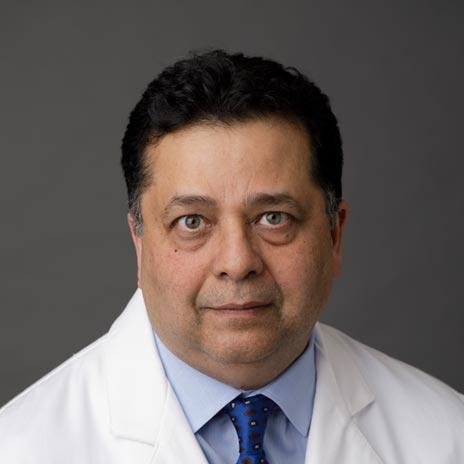
Dr. Said Uddin, MD Internist and Primary Care Physician
Dr. Said Uddin, MD, is a board-certified internal medicine physician providing primary care for adults. His work includes preventive health visits, evaluation of new symptoms, medication management, and ongoing care for conditions such as high blood pressure, diabetes, high cholesterol, kidney disease, arthritis, and respiratory illness.
His current institutional profiles list internal medicine and primary care as his main specialties. His medical background also includes postgraduate training in internal medicine and additional fellowship training in rheumatology.
An internist can serve as the regular physician who brings different parts of a patient’s care together. This may be especially helpful for people taking several medicines, seeing multiple specialists, or managing more than one long-term condition.
About Dr. Said Uddin
Dr. Uddin provides adult primary care through Said Uddin, MD, PA. His broad internal medicine training allows him to assess conditions involving several body systems rather than concentrating on one organ alone.
Patients may consult him for:
- Annual physical examinations
- Preventive health screenings
- High blood pressure
- Diabetes and blood sugar concerns
- High cholesterol
- Cardiovascular risk assessment
- Chronic kidney disease monitoring
- Arthritis and joint symptoms
- Sinus and respiratory infections
- Digestive complaints
- Medication reviews
- Follow-up after hospital treatment
- Specialist referrals
- Unexplained or recurring symptoms
A primary care physician commonly provides preventive care, treats routine medical problems, evaluates how urgent a concern may be, and arranges specialist care when necessary.
Patients preparing for a routine appointment can read more about the importance of regular medical checkups.
Professional Background and Experience
Dr. Uddin has worked in adult medicine for several decades. His current professional listings connect him with outpatient internal medicine, hospital-affiliated care, and the long-term management of common adult health conditions.
His clinical work may include:
- Preventive medicine
- Adult primary care
- Chronic disease monitoring
- Blood pressure treatment
- Diabetes management
- Cardiovascular risk reduction
- Kidney function monitoring
- Musculoskeletal symptom assessment
- Medication safety reviews
- Laboratory result interpretation
- Acute illness evaluation
- Hospital follow-up
- Coordination with specialists
His additional rheumatology fellowship training may support the assessment of joint pain, stiffness, swelling, and symptoms that could be connected with inflammatory or connective tissue conditions. However, patients seeking specialist rheumatology treatment should confirm whether that service is currently provided within his practice.
Education and Medical Training
| Training Area | Institution | Details |
|---|---|---|
| Medical education | Jinnah Sindh Medical University | Medical degree completed in 1988 |
| Internship and residency | Muhlenberg Regional Medical Center | Internal medicine training completed in 1995 |
| Fellowship | Rutgers Health and New Jersey Medical School Program | Rheumatology fellowship completed in 1996 |
| Board certification | American Board of Internal Medicine | Internal medicine |
Dr. Uddin completed his medical education before entering postgraduate internal medicine training. He later completed additional fellowship training in rheumatology.
Internal medicine training provides broad experience in adult health, including diseases affecting the heart, lungs, kidneys, digestive system, joints, metabolism, and blood vessels.
Rheumatology training focuses more closely on arthritis, autoimmune disease, inflammatory joint conditions, muscle disorders, and connective tissue disease.
Board Certification and Professional Credentials
Dr. Uddin is listed as board-certified in internal medicine.
His professional qualifications include:
- MD, meaning Doctor of Medicine
- Residency training in internal medicine
- Fellowship training in rheumatology
- Board certification through the American Board of Internal Medicine
- Experience in adult primary and continuing care
Board certification is separate from medical licensing. A medical license permits a physician to practice within a particular jurisdiction, while certification reflects specialty training and professional assessment.
Current HCA and professional provider listings identify internal medicine as Dr. Uddin’s board-certified specialty.
What an Internal Medicine Physician Does
Internal medicine physicians, often called internists, focus on adult healthcare.
They commonly help patients with:
- Preventive care
- New symptoms
- Chronic medical conditions
- Medication management
- Complex health histories
- Coordination between specialists
- Follow-up after emergency or hospital care
An internist may treat a stable condition directly or refer the patient when advanced testing, surgery, or specialist treatment is needed.
The value of regular internal medicine care often comes from continuity. Changes in laboratory results, blood pressure, weight, medication response, and physical ability may become clearer when reviewed over time.
Preventive Health Visits
Preventive care helps identify medical risks before they produce serious symptoms or complications.
A preventive appointment may include:
- Blood pressure measurement
- Weight and general health assessment
- Diabetes screening
- Cholesterol testing
- Medication review
- Vaccination discussion
- Cancer screening planning
- Kidney and liver testing
- Mental health screening
- Tobacco-use assessment
- Family history review
- Nutrition and activity discussion
The right screening plan depends on the patient’s age, medical history, previous results, family history, medication, and personal risk factors.
Patients should also mention changes that may appear minor, including poor sleep, unusual tiredness, reduced appetite, recurring headaches, changes in bowel habits, or difficulty completing normal activities.
High Blood Pressure Management
High blood pressure often develops without noticeable symptoms. Regular checks are important because uncontrolled hypertension can gradually affect the heart, brain, kidneys, eyes, and blood vessels.
Long-term blood pressure control can help reduce the likelihood of complications such as heart attack, heart failure, stroke, and chronic kidney disease.
A primary care blood pressure review may include:
- Confirming office measurements
- Reviewing home readings
- Checking medication use
- Looking for side effects
- Reviewing sodium intake
- Discussing physical activity
- Assessing sleep quality
- Checking kidney function
- Estimating cardiovascular risk
Patients monitoring blood pressure at home should record:
- Date and time
- Blood pressure result
- Pulse
- Whether medicine was already taken
- Any symptoms
- Unusual pain, illness, or stress
One unusual result may not show the full pattern. Several correctly taken readings usually provide more useful information.
Diabetes and Blood Sugar Care
Diabetes affects how the body manages glucose. High blood sugar over time may affect the heart, kidneys, eyes, nerves, and blood vessels.
Primary care diabetes management may involve:
- Reviewing home glucose readings
- Monitoring HbA1c
- Checking medication use
- Discussing low blood sugar episodes
- Reviewing blood pressure
- Checking cholesterol
- Monitoring kidney function
- Discussing eye examinations
- Checking for foot or nerve symptoms
- Reviewing nutrition and activity
- Referring to an endocrinologist when needed
Treatment should be adapted to the individual. Age, kidney function, other medical conditions, daily routine, medication cost, and the risk of low blood sugar can all affect the plan.
Patients should bring their glucose records, medication list, and details of any episodes involving shaking, sweating, weakness, confusion, or an unexpectedly low reading.
Cholesterol and Cardiovascular Risk
High cholesterol can contribute to plaque buildup inside arteries, but treatment decisions are not based on one number alone.
Dr. Uddin may also consider:
- Blood pressure
- Diabetes
- Kidney health
- Age
- Tobacco exposure
- Family history
- Physical activity
- Previous heart or vascular disease
- Medication tolerance
Some patients may lower their risk through nutrition, physical activity, improved sleep, weight management, and avoiding tobacco. Others may also need cholesterol-lowering medication.
Patients should ask what their personal results mean and what the proposed treatment is intended to prevent.
Coronary Artery Disease
Coronary artery disease develops when the arteries supplying the heart become narrowed by plaque.
Possible symptoms may include:
- Chest pressure
- Tightness or heaviness
- Shortness of breath
- Reduced exercise ability
- Discomfort in the arm, shoulder, jaw, or back
- Unusual tiredness
- Sweating or nausea during activity
Primary care evaluation may include an electrocardiogram, laboratory testing, medication review, or referral to a cardiologist.
New or severe chest pressure should not wait for a routine appointment. Patients can read about possible causes of a tight chest feeling, but serious symptoms require immediate assessment.
Kidney Health Monitoring
The kidneys remove waste and extra fluid from the blood. They also support blood pressure control, electrolyte balance, red blood cell production, and bone health.
Kidney monitoring may include:
- Blood creatinine
- Estimated glomerular filtration rate
- Urine albumin or protein
- Electrolytes
- Blood pressure
- Diabetes control
- Medication review
Blood and urine tests are commonly used to detect and monitor chronic kidney disease. Diabetes and high blood pressure are important kidney disease risk factors.
One abnormal result does not always confirm chronic kidney disease. Dehydration, infection, medication, and temporary illness may affect kidney tests.
Patients can review additional information about kidney warning signs and protective health habits.
Arthritis and Joint Symptoms
Public clinical listings associate Dr. Uddin’s practice with arthritis care, and his training includes a rheumatology fellowship.
Patients may seek an assessment for:
- Continuing joint pain
- Joint swelling
- Morning stiffness
- Reduced movement
- Hand or foot discomfort
- Knee or hip pain
- Muscle aches
- Back stiffness
- Symptoms affecting several joints
Arthritis is not one single condition. Osteoarthritis, rheumatoid arthritis, gout, infection, injury, and other problems can all cause joint symptoms.
Common arthritis symptoms include pain, swelling, stiffness, warmth, and reduced movement.
Evaluation may involve
- Symptom history
- Joint examination
- Blood tests
- X-rays
- Ultrasound
- Medication review
- Referral to a rheumatologist or orthopedic specialist
A hot, very swollen joint accompanied by fever requires urgent assessment because infection must be considered.
Weight and Metabolic Health
Body weight can affect blood pressure, blood sugar, cholesterol, joint comfort, sleep, mobility, and cardiovascular risk.
A primary care discussion may consider:
- Recent weight changes
- Eating patterns
- Physical ability
- Sleep quality
- Medication effects
- Thyroid concerns
- Blood sugar
- Blood pressure
- Joint limitations
- Emotional wellbeing
Weight should be considered as one part of health rather than the only measure of progress.
Patients can read about comprehensive approaches to obesity management before discussing realistic treatment goals.
Respiratory Symptoms and Sinus Concerns
An internist can begin the assessment of many common breathing and upper respiratory problems.
Patients may seek care for:
- Continuing cough
- Sinus pressure
- Nasal congestion
- Wheezing
- Chest congestion
- Bronchitis
- Mild shortness of breath
- Repeated respiratory infections
The evaluation may consider:
- How long symptoms have been present
- Fever
- Recent exposure
- Asthma history
- Tobacco exposure
- Workplace irritants
- Allergy symptoms
- Current medication
- Previous respiratory illness
Antibiotics treat selected bacterial infections but do not work against viruses.
Patients can read more about bronchitis and inflammation of the airways.
Breathing difficulty, blue or gray lips, confusion, or severe chest pain requires urgent medical care.
Digestive Health Concerns
Primary care may be the first step for symptoms such as:
- Acid reflux
- Abdominal discomfort
- Bloating
- Nausea
- Constipation
- Diarrhea
- Changes in bowel habits
- Food-related symptoms
- Unexplained weight loss
Dr. Uddin may review eating patterns, medication, recent infection, travel, family history, and previous digestive conditions.
Further care may include:
- Blood testing
- Stool testing
- Imaging
- Medication
- Nutrition changes
- Referral to a gastroenterologist
Vomiting blood, heavy rectal bleeding, black stool with weakness, or severe abdominal pain requires prompt assessment.
Medication Review and Safety
Medication review is particularly important for patients receiving prescriptions from several doctors.
Patients should bring a complete list that includes:
- Prescription medicines
- Over-the-counter products
- Vitamins
- Herbal products
- Inhalers
- Injections
- Creams
- Medicines used only when needed
The doctor may check for:
- Drug interactions
- Repeated medicines
- Incorrect dosages
- Side effects
- Kidney-related risks
- Medicines that may no longer be necessary
- Treatments requiring laboratory monitoring
Patients should not stop a prescription suddenly unless a qualified healthcare professional provides direct instructions.
Follow-Up After Hospital Care
A primary care appointment after emergency or hospital treatment can connect short-term care with the patient’s longer-term health plan.
The visit may include:
- Reviewing the diagnosis
- Checking discharge instructions
- Comparing medication lists
- Discussing pending results
- Monitoring symptom improvement
- Ordering follow-up tests
- Coordinating specialist appointments
- Reviewing warning signs
Patients should bring hospital discharge paperwork, laboratory results, imaging reports, and an updated medication list.
Who May Benefit From Seeing Dr. Uddin
An appointment may be appropriate for adults who:
- Need a regular primary care physician
- Want a preventive examination
- Have a new or unexplained symptom
- Require blood pressure care
- Need diabetes monitoring
- Have high cholesterol
- Need kidney function monitoring
- Experience joint pain or stiffness
- Take several medications
- Need follow-up after hospital care
- Want help understanding test results
- Need a specialist referral
- Manage several chronic conditions
Patients searching for another healthcare professional can use the Doctiplus directory to find doctors by specialty.
What Patients Can Expect During an Appointment
The consultation normally begins with a review of the patient’s main concern, medical history, medication, allergies, and recent health changes.
Dr. Uddin may ask:
- When did the symptoms begin?
- Are they improving or worsening?
- Which medical conditions have been diagnosed?
- Which medicines are currently being taken?
- Have any side effects occurred?
- Is there a family history of serious illness?
- Has the patient recently visited a hospital?
- Have eating, sleep, or activity patterns changed?
- Are tobacco or alcohol used?
- What did earlier tests show?
The physical examination depends on the reason for the appointment. It may include checking:
- Blood pressure
- Pulse
- Temperature
- Oxygen level
- Heart sounds
- Breathing
- Abdomen
- Joints
- Skin
- Strength and sensation
The next step may involve medication, laboratory testing, imaging, monitoring, or referral.
Preparing for the Appointment
Patients can prepare by bringing:
- A complete medication list
- Medication dosages
- Allergy information
- Recent laboratory results
- Home blood pressure readings
- Blood sugar records
- Hospital discharge documents
- Imaging reports
- Vaccination records
- Insurance information
- Referral paperwork
- Written questions
A brief symptom timeline can also help. It should explain when the problem started, how often it occurs, what makes it better or worse, and which treatments have already been tried.
Patients should mention their main concern early in the appointment so enough time remains to discuss it.
Questions to Ask Dr. Uddin
Patients may consider asking:
- What could be causing my symptoms?
- Which tests are necessary?
- What do my laboratory results mean?
- Should any medicine be changed?
- What side effects should I monitor?
- Which preventive screenings are due?
- How often should my condition be reviewed?
- Should I check blood pressure or blood sugar at home?
- Could my joint symptoms be inflammatory?
- Is specialist care needed?
- When should I schedule another appointment?
- Which symptoms require urgent attention?
Written instructions may be helpful when the treatment plan includes several medicines, tests, or follow-up appointments.
Practice and Appointment Information
Dr. Uddin provides internal medicine and primary care through Said Uddin, MD, PA.
Fallbrook Office
11301 Fallbrook Drive, Suite 200
Houston, TX 77065
Cypresswood Office
22215 Cypresswood Drive, Suite 208
Cypress, TX 77433
Appointment phone:
281-897-9966
Current institutional information lists weekday hours at both locations and identifies Memorial Hermann Cypress Hospital as an affiliated center. Office hours, hospital participation, appointment availability, and locations may change, so patients should confirm details before traveling.
Languages and Communication
Dr. Uddin’s institutional profile lists:
- English
- Hindi
- Urdu
Patients who need another language should ask whether interpreter assistance can be arranged when scheduling.
Insurance and Appointment Planning
Insurance participation depends on the patient’s exact policy and provider network.
Before scheduling, patients should ask:
- Is Dr. Uddin included in my network?
- Is a referral required?
- Is the appointment preventive or diagnostic?
- Are laboratory services billed separately?
- Does testing require prior authorization?
- Are new patients currently being accepted?
- Is telehealth available for this visit?
- Which concerns require an in-person examination?
The current Memorial Hermann profile lists Dr. Uddin as accepting new patients. Telehealth availability and insurance participation should be confirmed directly with the practice.
When Symptoms Require Urgent Care
Patients should not wait for a routine primary care appointment when symptoms are severe, sudden, or rapidly worsening.
Urgent assessment may be needed for:
- Severe chest pressure
- Major breathing difficulty
- Sudden weakness on one side
- New difficulty speaking
- Loss of consciousness
- Severe confusion
- Heavy bleeding
- A serious allergic reaction
- Very low blood sugar with reduced awareness
- A hot and swollen joint with fever
- Severe abdominal pain
- Sudden vision loss
- Rapidly worsening illness
Patients can review guidance about when immediate medical attention is the right choice, but symptoms that appear life-threatening should be assessed without delay.




Reviews
There are no reviews yet.