

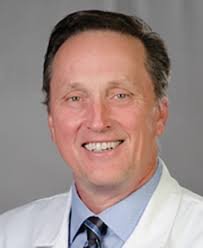
Dr. Fahad Javed, MD Structural and Interventional Cardiologist
Dr. Fahad Javed, MD, is a structural and interventional cardiologist who provides care for adults with heart and blood vessel conditions. His clinical work includes cardiovascular disease evaluation, coronary interventions, structural heart assessment, peripheral vascular care, nuclear cardiology, and the management of complex cardiovascular risk factors.
He may see patients with chest discomfort, coronary artery disease, high blood pressure, heart failure, valve disease, poor circulation, abnormal cardiac test results, or symptoms suggesting reduced blood flow to the heart or limbs.
Meeting an interventional cardiologist does not automatically mean a procedure will be recommended. The first appointment is normally used to understand the symptoms, review earlier test results, assess cardiovascular risk, and decide whether medication, monitoring, additional testing, or catheter-based treatment is appropriate.
About Dr. Fahad Javed
Dr. Javed practices interventional cardiology and cardiovascular medicine through Lake Area Cardiology Associates. Public institutional information identifies his specialties as interventional cardiology, cardiovascular disease, cardiology, and heart and vascular services. His practice biography also describes a clinical focus involving structural heart conditions, peripheral vascular disease, implantable cardiac devices, and advanced cardiovascular procedures.
His areas of care may include:
- Coronary artery disease
- Chest pain and angina
- Heart attack care
- Structural heart disease
- Heart valve conditions
- High blood pressure
- Heart failure
- Cardiomyopathy
- Peripheral artery disease
- Venous insufficiency
- Abnormal stress-test results
- Cardiovascular risk assessment
- Cardiac catheterization
- Coronary angiography
- Angioplasty and stent placement
- Peripheral vascular testing and treatment
- Nuclear cardiac testing
- Long-term heart disease monitoring
Patients comparing related professionals can review other cardiology specialists through Doctiplus.
Professional Background and Clinical Focus
Dr. Javed’s professional work combines general cardiology, interventional treatment, structural heart care, and vascular medicine.
General cardiology focuses on diagnosing and medically managing heart conditions. Interventional cardiology uses thin tubes called catheters to examine blood vessels and treat selected blockages without traditional open surgery.
Structural cardiology focuses on conditions involving the heart’s valves, chambers, walls, and other physical structures. Vascular medicine involves arteries and veins outside the heart, including circulation in the legs and neck.
Dr. Javed’s practice biography also notes experience with cardiac implantable devices and research involving cardiovascular disease and weight management.
Education and Medical Training
| Training Area | Institution | Details |
|---|---|---|
| Medical education | Punjab University Medical College | Medical degree completed in 2004 |
| Internship and residency | St. Luke’s Roosevelt Hospital | Internal medicine training completed in 2011 |
| Fellowship | Ochsner Clinic Foundation | Cardiovascular disease training completed in 2017 |
| Advanced fellowship | Ochsner Clinic Foundation | Interventional cardiology training completed in 2018 |
| Specialty focus | Cardiovascular and interventional medicine | Heart, vascular, structural, and catheter-based care |
Dr. Javed completed his medical education before entering internal medicine residency training. He then undertook cardiovascular disease fellowship training followed by advanced interventional cardiology training at Ochsner Clinic Foundation.
Internal medicine training provides a broad understanding of adult health. This is important in cardiology because heart conditions are often influenced by diabetes, kidney disease, lung problems, anemia, obesity, medication, and other medical concerns.
Cardiovascular fellowship training focuses on heart disease diagnosis, imaging, stress testing, medication management, heart failure, rhythm concerns, and vascular conditions.
Interventional fellowship training provides additional experience in cardiac catheterization, coronary angiography, angioplasty, stenting, and the management of complex cardiovascular procedures.
Board Certification and Professional Credentials
Public institutional and practice profiles describe Dr. Javed as a quadruple board-certified cardiologist. Professional listings also use the credentials FACC and FSCAI, reflecting fellowship recognition through major cardiovascular professional organizations.
His professional credentials include:
- MD, meaning Doctor of Medicine
- Internal medicine residency training
- Cardiovascular disease fellowship training
- Interventional cardiology fellowship training
- Multiple cardiology board certifications
- FACC, meaning Fellow of the American College of Cardiology
- FSCAI, meaning Fellow of the Society for Cardiovascular Angiography and Interventions
Patients who need exact, current certification confirmation for insurance, referral, or another formal purpose should verify the details with the relevant certification organization or Dr. Javed’s practice.
What an Interventional Cardiologist Does
An interventional cardiologist diagnoses cardiovascular disease and performs minimally invasive procedures using catheters.
A catheter is a thin, flexible tube that can be inserted through a blood vessel in the wrist or groin. It is then carefully guided toward the heart or another part of the circulatory system.
Catheter-based testing may help the cardiologist:
- Examine blood flow
- Identify narrowed arteries
- Measure pressure inside the heart
- Assess selected heart valves
- Examine the heart’s pumping function
- Investigate an abnormal stress test
- Plan a cardiovascular procedure
Selected treatments can also be completed through a catheter. These may include opening a blocked artery, placing a stent, treating certain peripheral blood vessel conditions, or supporting another structural heart procedure.
Coronary Artery Disease
Coronary artery disease develops when plaque builds up inside the arteries that supply blood to the heart muscle.
The condition may develop gradually. Some patients have no clear symptoms during its early stages, while others notice discomfort when walking, climbing stairs, exercising, or experiencing emotional stress.
Possible symptoms include:
- Chest pressure
- Tightness or heaviness
- Shortness of breath
- Reduced exercise tolerance
- Discomfort in the arm, shoulder, jaw, neck, or back
- Unusual tiredness
- Sweating
- Nausea during activity
Evaluation may involve an electrocardiogram, blood tests, echocardiography, stress testing, nuclear imaging, CT imaging, or coronary angiography.
Treatment depends on the severity and location of the disease. It may include medication, blood pressure control, cholesterol treatment, diabetes management, cardiac rehabilitation, angioplasty, stenting, or surgical referral.
Chest Pain and Angina
Angina is discomfort caused by reduced blood flow to the heart muscle.
Patients may describe it as:
- Pressure
- Squeezing
- Burning
- Heaviness
- Tightness
- Fullness in the chest
Symptoms may occur during physical activity, emotional stress, cold weather, or after a heavy meal.
Chest discomfort is not always caused by heart disease. Acid reflux, muscle strain, anxiety, lung conditions, and other medical problems can produce similar symptoms.
However, a patient should not assume that new chest pressure is harmless. Doctiplus provides more information about a tight chest feeling and when it may need attention.
Cardiac Catheterization
Cardiac catheterization is used to obtain detailed information about the heart and coronary arteries.
During the procedure, a catheter is passed through a blood vessel and guided toward the heart. Contrast material may be used to make the arteries visible on specialized X-ray images.
Cardiac catheterization may help:
- Identify coronary artery narrowing
- Locate a blocked artery
- Measure heart pressures
- Assess heart-pumping function
- Investigate continuing chest symptoms
- Examine selected valve problems
- Plan angioplasty or another procedure
- Clarify an abnormal stress-test result
A catheterization may be diagnostic only. When an important blockage is found, treatment may sometimes be completed during the same appointment.
Coronary Angioplasty and Stent Placement
Angioplasty is a catheter-based treatment used to open a narrowed or blocked coronary artery.
A small balloon is positioned at the narrowed area and inflated. This creates more room for blood to flow.
A coronary stent may then be placed in the artery. A stent is a small mesh tube designed to help keep the treated blood vessel open.
Angioplasty and stenting may be considered for:
- A heart attack caused by an acute blockage
- Significant coronary artery narrowing
- Continuing angina despite medication
- Reduced blood flow identified during testing
- Selected high-risk coronary findings
- Narrowing within a previously treated area
A stent treats a particular blockage, but it does not remove the underlying tendency to develop plaque.
Patients normally need continued attention to cholesterol, blood pressure, diabetes, tobacco exposure, nutrition, physical activity, and prescribed medication after treatment.
Structural Heart Disease
Structural heart disease involves physical problems affecting the valves, walls, chambers, or major vessels connected with the heart.
Examples may include:
- Aortic valve narrowing
- Mitral valve leakage
- Other valve disorders
- Openings between heart chambers
- Changes caused by previous heart damage
- Structural problems present from birth
- Selected complications affecting heart function
Evaluation may involve:
- Echocardiography
- Transesophageal echocardiography
- CT imaging
- Cardiac MRI
- Cardiac catheterization
- Pressure measurements
- Multidisciplinary review
Some structural conditions require monitoring rather than immediate treatment. Others may be managed with surgery or a catheter-based procedure.
The correct option depends on the diagnosis, symptom severity, age, anatomy, general health, and expected benefit.
Heart Valve Conditions
The heart contains four valves that keep blood moving in the correct direction.
Valve disease may develop when a valve:
- Does not open fully
- Becomes narrowed
- Does not close properly
- Allows blood to leak backward
- Is damaged by infection
- Changes because of aging or another heart condition
Possible symptoms include:
- Shortness of breath
- Reduced exercise tolerance
- Chest discomfort
- Fatigue
- Dizziness
- Fainting
- Leg swelling
- Irregular heartbeat
A heart murmur may be found during a physical examination, but an echocardiogram is normally needed to assess the valve’s structure and function.
Treatment may include monitoring, medication, surgical repair, valve replacement, or a catheter-based approach for suitable patients.
Peripheral Artery Disease
Peripheral artery disease develops when narrowed arteries reduce blood flow to the legs or another part of the body.
Possible symptoms include:
- Leg pain while walking
- Calf cramping
- Foot or toe discomfort
- Numbness
- Coldness in one foot
- Weak leg pulses
- Slow-healing wounds
- Changes in skin color
- Reduced walking distance
Some patients have few noticeable symptoms even when circulation is reduced.
Testing may include:
- Pulse examination
- Ankle-brachial pressure measurement
- Arterial Doppler ultrasound
- CT angiography
- MR angiography
- Peripheral angiography
Treatment may involve medication, walking programs, diabetes and cholesterol management, tobacco cessation, wound care, or an endovascular procedure.
Dr. Javed’s practice lists arterial Doppler testing and peripheral angiography among its cardiovascular services.
Peripheral Angiography and Endovascular Treatment
Peripheral angiography uses contrast material and imaging to examine blood vessels outside the heart.
It may be considered when symptoms or noninvasive tests suggest a significant circulation problem.
When appropriate, a narrowed vessel may be treated with:
- Balloon angioplasty
- Stent placement
- Plaque-removal techniques
- Another catheter-based method
Not every narrowing requires intervention. The decision depends on symptom severity, wound healing, blood flow, risk to the limb, general health, and response to medical treatment.
Patients with diabetes or kidney disease may require additional planning because these conditions can affect circulation, healing, and the use of contrast material.
Venous Insufficiency
Venous insufficiency develops when the veins have difficulty returning blood from the legs toward the heart.
Possible symptoms include:
- Leg heaviness
- Aching
- Swelling
- Visible varicose veins
- Skin discoloration
- Itching
- Symptoms that worsen after standing
- Slow-healing wounds near the ankle
Evaluation may include a venous Doppler ultrasound to examine blood flow and valve function.
Treatment depends on the cause and severity. Options may include compression, physical activity, leg elevation, medical management, or a vein procedure.
Patients can read more about modern approaches to vein health before discussing individual treatment options.
Heart Failure
Heart failure means the heart cannot pump blood as effectively as the body requires.
It does not mean that the heart has completely stopped working.
Possible symptoms include:
- Shortness of breath
- Reduced energy
- Difficulty lying flat
- Waking at night feeling breathless
- Swelling in the feet or legs
- Rapid weight gain caused by fluid
- Persistent coughing
- Reduced exercise tolerance
- Abdominal swelling
Possible causes include coronary artery disease, previous heart attack, high blood pressure, cardiomyopathy, valve disease, and abnormal heart rhythms.
Assessment may involve an electrocardiogram, echocardiogram, blood tests, chest imaging, medication review, and evaluation for coronary disease.
Treatment may include several medicines, fluid monitoring, dietary guidance, cardiac rehabilitation, device-based treatment, or correction of an underlying structural problem.
Cardiomyopathy
Cardiomyopathy is a disease affecting the heart muscle.
The heart may become:
- Enlarged
- Thickened
- Stiff
- Weakened
- Less able to pump normally
Possible causes include coronary disease, long-term high blood pressure, infection, inherited conditions, heart valve disease, medication effects, and an unknown cause.
Patients may experience shortness of breath, swelling, chest discomfort, fainting, irregular heartbeats, or reduced exercise tolerance.
Treatment depends on the type of cardiomyopathy, heart function, symptoms, rhythm concerns, and underlying cause.
High Blood Pressure
High blood pressure can gradually damage blood vessels and place additional strain on the heart.
It may increase the risk of:
- Coronary artery disease
- Heart attack
- Heart failure
- Stroke
- Kidney disease
- Peripheral artery disease
- Other vascular complications
Blood pressure care may include medication, home monitoring, reduced sodium intake, suitable physical activity, sleep assessment, and treatment of related health conditions.
Patients should bring several days of home readings when possible. Each record should include the date, time, blood pressure, pulse, and whether medication had already been taken.
Preventive monitoring is also part of the wider role of regular health checkups.
Heart Rhythm and Implantable Device Care
Heart rhythm disorders occur when the heartbeat becomes too fast, too slow, or irregular.
Possible symptoms include:
- Palpitations
- Fluttering in the chest
- Dizziness
- Fainting
- Weakness
- Shortness of breath
- Chest discomfort
- Reduced exercise ability
Testing may involve an electrocardiogram, wearable monitor, echocardiogram, stress test, or laboratory testing.
Dr. Javed’s professional biography notes experience with implantable cardiac devices. These devices may include pacemakers or other systems used to monitor or support heart rhythm in selected patients.
The exact service needed depends on the type of rhythm disorder. Some patients may also require assessment by a cardiac electrophysiologist.
Nuclear Cardiology and Stress Testing
Nuclear cardiac testing uses a small amount of imaging material to examine blood flow to the heart muscle.
A nuclear stress test may help identify:
- Reduced blood flow during activity
- Areas affected by an earlier heart attack
- Differences between resting and stressed heart function
- The possible cause of chest symptoms
- Whether more testing is needed
The stress portion may involve walking on a treadmill or receiving medication when exercise is not suitable.
An abnormal result does not automatically prove that a severe blockage is present. The cardiologist considers the findings together with symptoms, medical history, examination, and other tests.
Dr. Javed’s practice lists nuclear stress testing, electrocardiographic stress testing, and echocardiography among its diagnostic services.
Cardiovascular Research
Dr. Javed’s practice biography describes an extensive research background. It states that he has contributed to more than 150 peer-reviewed cardiovascular publications and has coauthored textbook chapters involving hypertension, coronary artery disease, peripheral vascular disorders, and cardiac implantable devices.
The same biography notes postdoctoral training at the Obesity Research Center at Columbia University, connecting his research background with cardiovascular risk and metabolic health.
Research involvement does not determine the right treatment for an individual patient. Clinical decisions still depend on symptoms, examination findings, imaging, laboratory results, medical history, and patient preferences.
Who May Benefit From Seeing Dr. Javed
A consultation may be appropriate for adults who:
- Have chest pressure or discomfort
- Become short of breath during normal activity
- Have an abnormal stress test
- Have known coronary artery disease
- Need assessment for cardiac catheterization
- Have been advised to consider angioplasty
- Have a previous coronary stent
- Need follow-up after a heart attack
- Have a heart valve condition
- Have heart failure symptoms
- Experience leg pain while walking
- Have poor circulation or a slow-healing wound
- Have continuing high blood pressure
- Need assessment of a structural heart condition
- Want another opinion before a cardiovascular procedure
A cardiology consultation may also help determine whether symptoms are likely to be heart-related and which test should be completed first.
What Patients Can Expect During an Appointment
The appointment normally begins with a review of symptoms, medical history, medication, and earlier cardiovascular testing.
Dr. Javed may ask:
- When did the symptoms begin?
- Do they occur during activity or rest?
- How long does each episode last?
- Does chest discomfort spread elsewhere?
- Is there sweating, nausea, or breathlessness?
- Has a heart attack occurred before?
- Has a coronary stent been placed?
- Is there diabetes or kidney disease?
- Are the legs painful during walking?
- Is there swelling or a slow-healing wound?
- Does heart disease run in the family?
- Which medicines are currently being taken?
The physical examination may include checking:
- Blood pressure
- Pulse
- Oxygen level
- Heart sounds
- Breathing
- Leg swelling
- Circulation
- Foot pulses
- Signs of fluid retention
The next step may involve medication adjustment, blood testing, echocardiography, stress testing, vascular ultrasound, rhythm monitoring, cardiac catheterization, or follow-up observation.
Preparing for the Appointment
Patients can prepare by bringing:
- A complete medication list
- Prescription dosages
- Allergy information
- Home blood pressure readings
- Blood sugar records
- Cholesterol results
- Previous electrocardiograms
- Echocardiogram reports
- Stress-test results
- Cardiac catheterization records
- Coronary stent information
- Vascular ultrasound reports
- Hospital discharge documents
- Insurance and referral information
- Written questions
Patients with a coronary stent should bring their stent information card when available.
It may also help to record when symptoms happen, how long they last, and what activity was being performed at the time.
Questions to Ask Dr. Javed
Patients may consider asking:
- What is the likely cause of my symptoms?
- Do I have coronary artery disease?
- Which tests are necessary?
- Why is cardiac catheterization being considered?
- Could medication be tried before a procedure?
- Is a heart valve problem present?
- Would angioplasty or a stent help?
- Are there alternatives to intervention?
- Could the symptoms be caused by poor leg circulation?
- What are the main risks of treatment?
- Which medicines may be needed afterward?
- How long might recovery take?
- Should I attend cardiac rehabilitation?
- Which symptoms require emergency care?
- When should I return for follow-up?
Patients should ask what the proposed treatment is expected to improve. The goal may be to reduce symptoms, restore blood flow, protect heart function, improve mobility, or reduce future complications.
Second Opinions Before a Cardiovascular Procedure
A second opinion may be useful when:
- A major cardiovascular procedure has been proposed
- Symptoms and test findings do not appear to match
- Several treatment options are available
- The expected benefit is uncertain
- Kidney disease increases procedural risk
- Surgery and catheter treatment are both being considered
- Previous treatment did not improve symptoms
- The patient does not understand why intervention is needed
Another opinion may confirm the original recommendation or identify another reasonable approach.
Patients should bring original imaging, catheterization results, medication lists, and written reports when seeking another assessment.
Practice and Appointment Information
Dr. Javed provides care through Lake Area Cardiology Associates.
Conroe Office
601 River Pointe Drive, Suite 105
Conroe, TX 77304
Huntsville Office
102 Medical Park Lane, Suite A
Huntsville, TX 77340
Appointment phone:
936-539-5577
Current Memorial Hermann information lists weekday hours from 8:00 a.m. to 5:00 p.m. Monday through Thursday and 8:00 a.m. to 3:00 p.m. on Friday. It also lists Memorial Hermann The Woodlands Hospital as an affiliated center.
Office addresses, schedules, hospital participation, and appointment availability may change. Patients should confirm the correct location before traveling.
Languages and Communication
English is listed as a language spoken by Dr. Javed.
Patients who need another language should ask whether interpreter support can be arranged when scheduling the appointment.
Insurance and Telehealth Information
Insurance participation depends on the patient’s exact policy, facility, test, and procedure.
Current institutional information lists participation with several major plans, including selected Aetna, Blue Cross Blue Shield, Cigna, UnitedHealthcare, Community Health Choice, Memorial Hermann, and Wellpoint plans. Coverage should still be confirmed before care because provider networks may change.
Before scheduling, patients should ask:
- Is Dr. Javed included in my current network?
- Is a referral required?
- Does cardiac testing need prior authorization?
- Is the catheterization facility in network?
- Are imaging and laboratory services billed separately?
- Is the hospital covered?
- Are new patients being accepted?
- Is telehealth available for the appointment type?
Telehealth may be suitable for selected follow-up visits, medication discussions, or test-result reviews. New chest symptoms, poor circulation, fainting, or concerns requiring a physical examination may need an in-person appointment.
When Symptoms Require Emergency Care
Patients should not wait for a routine cardiology appointment when symptoms may indicate a cardiovascular emergency.
Urgent assessment may be needed for:
- New or severe chest pressure
- Chest discomfort with sweating or nausea
- Pain spreading into the arm, jaw, back, or shoulder
- Severe difficulty breathing
- Sudden fainting
- A rapid or irregular heartbeat with weakness
- New confusion
- Blue or gray lips
- Sudden weakness on one side
- New difficulty speaking
- A suddenly cold, pale, painful, or numb limb
- Heavy bleeding from a catheter access site
- Severe symptoms after a cardiovascular procedure
Doctiplus provides further information about when immediate medical attention is the right choice.



Reviews
There are no reviews yet.