
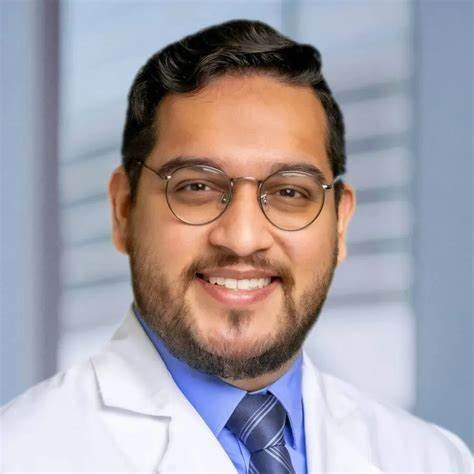
Dr. Omkar H. Dave, MD Orthopedic Surgeon and Sports Medicine
Dr. Omkar H. Dave, MD, is a board-certified orthopedic surgeon with fellowship training in orthopedic sports medicine and arthroscopy. He treats injuries and conditions involving the shoulder, elbow, hip, knee, bones, joints, tendons, ligaments, and surrounding muscles.
His clinical interests include advanced arthroscopic reconstruction, sports injuries, arthritis, fracture care, and shoulder and knee replacement. He practices through Anchor Bone and Joint and sees patients at several offices in the Greater Houston area.
Patients may consult Dr. Dave for persistent joint pain, reduced movement, instability, sports-related injuries, fractures, ligament tears, cartilage damage, or symptoms that have not improved with initial treatment.
An appointment with an orthopedic surgeon does not automatically mean surgery will be recommended. Many musculoskeletal conditions can first be managed with activity changes, medication, bracing, physical therapy, injections, or careful monitoring.
About Dr. Omkar H. Dave
Dr. Dave is an orthopedic surgeon and sports medicine specialist whose work covers both surgical and nonsurgical treatment. His practice includes care for active adults, athletes, people injured at work, and patients whose arthritis or joint damage is interfering with daily activities.
His areas of care may include:
- Shoulder injuries and arthritis
- Rotator cuff tears
- Shoulder instability
- Elbow injuries
- Knee ligament injuries
- Meniscus tears
- Knee arthritis
- Hip injuries and joint conditions
- Sports-related trauma
- Tendon and ligament damage
- Cartilage injuries
- Bone fractures
- Joint reconstruction
- Shoulder replacement
- Knee replacement
- Arthroscopic surgery
- Rehabilitation planning
His professional profile identifies advanced arthroscopic reconstruction of the shoulder, elbow, knee, and hip as a central clinical interest. It also lists shoulder and knee replacement and fracture management among his services.
Patients comparing orthopedic specialists can review other doctors offering specialized surgical care.
Education and Orthopedic Training
| Training area | Institution | Details |
|---|---|---|
| Undergraduate education | Texas A&M University | Bachelor of Science in Biochemistry, minor in Music, magna cum laude |
| Medical education | University of Texas Medical Branch at Galveston | Doctor of Medicine, completed in 2009 |
| Residency | University of Texas Medical Branch at Galveston | Orthopedic surgery, completed in 2014 |
| Fellowship | Mississippi Sports Medicine and Orthopaedic Center | Orthopedic sports medicine and arthroscopy, completed in 2015 |
| Board certification | American Board of Orthopaedic Surgery | Orthopedic surgery |
Dr. Dave completed undergraduate studies in biochemistry at Texas A&M University before earning his medical degree at the University of Texas Medical Branch. He remained at UTMB for orthopedic surgery residency and then completed a sports medicine and arthroscopy fellowship at Mississippi Sports Medicine and Orthopaedic Center.
Orthopedic residency provides broad training in bone and joint injuries, fractures, arthritis, musculoskeletal disease, trauma care, surgical reconstruction, and postoperative management.
A sports medicine fellowship adds focused experience in ligament injuries, tendon repair, arthroscopy, athletic injuries, cartilage conditions, joint preservation, and structured return-to-activity planning.
Board Certification and Professional Credentials
Dr. Dave is identified by current hospital profiles as board-certified in orthopedic surgery.
His professional qualifications include:
- MD, meaning Doctor of Medicine
- Residency training in orthopedic surgery
- Fellowship training in orthopedic sports medicine
- Advanced training in arthroscopic procedures
- Board certification in orthopedic surgery
- Experience in joint replacement and fracture care
Board certification is different from medical licensing. A medical license permits a physician to practice, while board certification reflects completed specialty training and professional assessment.
What an Orthopedic Sports Medicine Surgeon Does
An orthopedic sports medicine surgeon diagnoses and treats conditions involving:
- Bones
- Joints
- Muscles
- Tendons
- Ligaments
- Cartilage
- Other supporting tissues
Sports medicine is not limited to professional athletes. Patients may include teenagers involved in school sports, active adults, workers with repetitive injuries, older adults with arthritis, and people trying to return to walking or exercise after an accident.
A specialist assessment may be useful when:
- Pain continues despite rest
- A joint repeatedly gives way
- Swelling keeps returning
- Movement remains limited
- A tendon or ligament tear is suspected
- An X-ray or MRI shows an abnormality
- Physical therapy has not provided enough improvement
- A fracture involves a joint
- Arthritis affects sleep, work, or mobility
- Another doctor has recommended surgery
Sports-Related Injuries
Sports injuries may develop suddenly during a fall, collision, landing, or change in direction. Others develop gradually through repeated throwing, running, lifting, or training without enough recovery.
Common symptoms include:
- Pain
- Swelling
- Bruising
- Weakness
- Stiffness
- Instability
- Clicking or catching
- Reduced movement
- Difficulty bearing weight
- Loss of athletic performance
Evaluation may involve reviewing how the injury happened, examining joint stability and strength, and ordering imaging when needed.
Treatment may include:
- Temporary activity restriction
- Bracing
- Medication
- Physical therapy
- Strength and movement training
- Injections
- Arthroscopic treatment
- Ligament or tendon repair
- Gradual return to sport
Patients can read more about common sports injuries and how to prevent them while following an individual recovery plan.
Shoulder Pain and Injuries
The shoulder allows a wide range of motion but depends heavily on tendons, muscles, ligaments, and cartilage for stability.
Dr. Dave may evaluate shoulder problems such as:
- Rotator cuff injuries
- Labral tears
- Shoulder instability
- Repeated dislocations
- Impingement
- Tendon inflammation
- Arthritis
- Fractures
- Reduced movement
- Pain following sports or lifting
- Continuing symptoms after an earlier operation
Possible shoulder symptoms include:
- Pain when lifting the arm
- Weakness
- Nighttime pain
- Clicking or catching
- Difficulty reaching behind the body
- A feeling that the shoulder may slip
- Reduced ability to throw or lift
- Stiffness
The examination may include strength testing, movement assessment, stability testing, and checking whether symptoms may be coming from the neck rather than the shoulder.
Rotator Cuff Conditions
The rotator cuff is a group of muscles and tendons that helps move and stabilize the shoulder.
A rotator cuff problem may result from:
- A fall
- Heavy lifting
- Repetitive overhead movement
- Sports involving throwing
- Gradual tendon wear
- Shoulder impingement
- Another injury
Possible symptoms include:
- Pain when raising the arm
- Weakness
- Difficulty sleeping on the affected side
- Pain during overhead activity
- Reduced movement
- Clicking
- Difficulty completing work or household tasks
Treatment may begin with physical therapy, activity changes, medication, or an injection. Surgery may be discussed when a significant tear causes continuing weakness or pain, especially when symptoms began after an injury.
The choice between observation, rehabilitation, and repair depends on the tear’s size, tendon quality, symptoms, age, activity needs, and how long the injury has been present.
Shoulder Instability and Labral Tears
The shoulder may become unstable when the upper-arm bone moves excessively within the socket.
This can occur after:
- A complete dislocation
- Repeated smaller instability episodes
- Contact sports
- Throwing
- Falling onto an outstretched arm
- Ligament or labral damage
Symptoms may include:
- A feeling that the joint is slipping
- Pain in certain arm positions
- Repeated dislocations
- Weakness
- Clicking
- Reduced confidence during sports
- Avoidance of overhead movement
Physical therapy may help strengthen the muscles that support the shoulder. Arthroscopic repair may be considered when instability continues or structural damage places the joint at risk of additional injury.
Shoulder Arthritis and Replacement
Shoulder arthritis can gradually damage the smooth cartilage covering the joint surfaces.
Possible symptoms include:
- Deep joint pain
- Stiffness
- Grinding
- Reduced movement
- Nighttime discomfort
- Difficulty dressing
- Trouble lifting or reaching
- Pain that continues despite medication or therapy
Early treatment may involve activity modification, medication, physical therapy, and selected injections.
Shoulder replacement may be discussed when joint damage is advanced and nonsurgical care no longer provides enough relief.
Different forms of shoulder replacement may be used depending on the condition of the joint, bone, and rotator cuff. Patients should ask which approach is being considered and what improvement in pain and movement is realistic.
Dr. Dave’s current orthopedic profile lists shoulder replacement among his primary clinical interests.
Knee Pain and Sports Injuries
The knee contains bones, cartilage, ligaments, tendons, and muscles that work together during walking, running, jumping, and changing direction.
Dr. Dave may evaluate:
- ACL injuries
- Other ligament sprains or tears
- Meniscus damage
- Cartilage injuries
- Patellar instability
- Tendon problems
- Sports-related fractures
- Knee arthritis
- Repeated swelling
- Locking or catching
- Continuing pain after an earlier procedure
The correct treatment depends on the injured structure, knee stability, age, daily activities, sports goals, and response to initial care.
ACL Injuries
The anterior cruciate ligament, commonly called the ACL, helps control knee stability during turning, landing, and sudden direction changes.
An ACL injury may cause:
- A popping sensation
- Rapid swelling
- Pain
- Difficulty continuing activity
- Loss of movement
- A feeling that the knee gives way
- Instability while turning
Evaluation may involve examination, X-rays, and MRI. The doctor may also look for meniscus tears, cartilage damage, or injuries to other ligaments.
Not every ACL injury requires surgery. Rehabilitation may be suitable when the knee remains functionally stable and the patient does not plan to return to activities involving frequent pivoting.
Reconstruction may be discussed when instability continues, other structures are damaged, or the patient wants to return to sports that require cutting, jumping, and rapid changes in direction.
Meniscus Tears
The menisci are cartilage structures inside the knee that help distribute pressure and improve stability.
A tear may develop from a twisting injury or gradual changes in the tissue.
Possible symptoms include:
- Pain along the joint line
- Swelling
- Clicking
- Catching
- Locking
- Difficulty fully straightening the knee
- Pain while squatting or turning
Some tears can be managed with physical therapy, activity modification, medication, and time.
Arthroscopic treatment may be considered when symptoms continue, the knee remains mechanically locked, or the tear is unlikely to heal without repair.
When surgery is appropriate, preserving healthy meniscus tissue is generally important because the meniscus helps protect the joint surfaces.
Knee Arthritis and Joint Replacement
Knee arthritis develops as cartilage and other joint structures become damaged.
Symptoms may include:
- Pain while walking
- Stiffness after rest
- Swelling
- Reduced movement
- Difficulty using stairs
- Pain at night
- Bowing or other alignment changes
- Reduced ability to work or exercise
Nonsurgical care may include:
- Activity adjustment
- Physical therapy
- Strengthening
- Medication
- Weight-management support when medically appropriate
- Bracing
- Walking aids
- Selected injections
Knee replacement may be considered when arthritis is advanced and pain or functional loss remains severe despite appropriate nonsurgical treatment.
Public orthopedic profiles identify knee replacement, including robot-assisted knee procedures, among Dr. Dave’s areas of practice.
Hip Pain and Arthroscopy
Hip symptoms may result from cartilage damage, a labral tear, impingement, tendon irritation, arthritis, injury, or another condition.
Possible symptoms include:
- Groin pain
- Hip stiffness
- Clicking
- Catching
- Pain during running
- Difficulty sitting for long periods
- Pain when turning or bending deeply
- Reduced athletic performance
Evaluation may include X-rays, MRI, examination of hip movement, and assessment of the back and surrounding muscles.
Hip arthroscopy may be considered for selected structural conditions. It uses small instruments and a camera to examine and treat damage inside the joint.
Not every hip problem can be treated arthroscopically. Advanced arthritis or extensive joint damage may require another approach.
Dr. Dave’s clinical profile includes advanced arthroscopic reconstruction of the hip.
Elbow Injuries
The elbow may be affected by throwing, lifting, falling, repetitive work, or direct impact.
Dr. Dave’s listed interests include arthroscopic reconstruction of the elbow.
Conditions may involve:
- Tendons
- Ligaments
- Cartilage
- Bones
- Nerves
- Joint surfaces
Possible symptoms include:
- Pain during throwing or lifting
- Reduced ability to straighten the arm
- Swelling
- Instability
- Locking
- Numbness or tingling
- Loss of strength
Treatment depends on the injured structure. Options may include rest, therapy, bracing, medication, injections, arthroscopy, tendon repair, ligament reconstruction, or fracture treatment.
Fracture Care
Fractures may occur after falls, sports accidents, vehicle collisions, direct impacts, or repeated stress.
Possible signs include:
- Sudden pain
- Swelling
- Bruising
- Tenderness over a bone
- Difficulty moving
- Inability to bear weight
- Visible deformity
- Numbness
X-rays are commonly used to identify fractures. CT or MRI may be needed when a fracture involves a joint, is difficult to see, or may be associated with ligament or cartilage damage.
Treatment may involve:
- A splint
- A cast
- A brace
- Limited weight bearing
- Repeat imaging
- Physical therapy
- Surgical fixation with plates, screws, pins, or other devices
Surgery may be considered when the fracture is displaced, unstable, open, or likely to heal in a poor position without fixation.
Arthroscopic Surgery
Arthroscopy is a minimally invasive technique that uses a small camera placed inside a joint.
It may help diagnose or treat problems involving:
- Ligaments
- Tendons
- Cartilage
- Menisci
- The shoulder labrum
- Loose tissue
- Joint inflammation
- Selected fractures
Small incisions are generally used rather than one large opening.
Arthroscopy may reduce disruption to surrounding tissue, but it is still surgery. Recovery may involve temporary restrictions, medication, wound care, physical therapy, and a gradual return to work or sports.
The recovery period depends on what was repaired. A simple diagnostic procedure may require less rehabilitation than ligament reconstruction, cartilage restoration, or tendon repair.
Nonsurgical Orthopedic Treatment
Many conditions can be managed without an operation.
A nonsurgical treatment plan may include:
- Rest from the activity causing symptoms
- Modified work or sports participation
- Anti-inflammatory or pain medication when appropriate
- Physical therapy
- Strengthening
- Flexibility exercises
- A brace or support
- Ice or heat guidance
- Joint injections
- Gradual return to activity
- Monitoring over time
Physical therapy may help restore movement, strength, balance, and confidence.
Patients should report new weakness, numbness, severe swelling, instability, or increasing pain rather than continuing an exercise that appears to be making the injury worse.
When Surgery May Be Discussed
Surgery may become an option when:
- A ligament tear causes continuing instability
- A tendon is completely torn
- A fracture is unstable
- A joint remains locked
- Severe arthritis limits normal activity
- Joint replacement is likely to provide meaningful benefit
- Physical therapy has not restored acceptable function
- Symptoms continue despite appropriate nonsurgical treatment
- Structural damage is likely to worsen
- The patient’s activity goals require surgical reconstruction
The decision should consider:
- The exact diagnosis
- Imaging findings
- Symptom severity
- Age and general health
- Work requirements
- Sports goals
- Recovery time
- Surgical risks
- Expected improvement
Patients should understand whether the procedure is intended to reduce pain, improve stability, restore movement, prevent further damage, or support a return to a specific activity.
Research and Professional Contributions
Dr. Dave has contributed to orthopedic research involving septic arthritis of the knee. A published study examined the number of surgical procedures needed to clear infection and found that longer delays before surgery were associated with a greater likelihood of requiring additional procedures.
His work has also appeared in orthopedic educational material related to shoulder and elbow surgery.
Research findings help inform medical practice, but treatment decisions for an individual patient still depend on examination findings, imaging, medical history, and current symptoms.
Who May Benefit From Seeing Dr. Dave
An appointment may be appropriate for patients who:
- Have continuing shoulder, elbow, hip, or knee pain
- Experienced a sports injury
- Have a suspected ligament or tendon tear
- Notice that a joint repeatedly gives way
- Have reduced movement or strength
- Have been diagnosed with arthritis
- Need fracture follow-up
- Have an abnormal X-ray or MRI
- Have not improved with physical therapy
- Need assessment for arthroscopy
- Have been advised to consider joint replacement
- Want another opinion before orthopedic surgery
- Need a structured return-to-work or return-to-sport plan
Patients can also use the Doctiplus directory to find doctors by specialty.
What Patients Can Expect During an Appointment
The consultation normally begins with a discussion of symptoms, injury history, activities, previous treatment, and medical conditions.
Dr. Dave may ask:
- When did the symptoms begin?
- Did a specific injury occur?
- Was there a pop or sudden swelling?
- Which movements cause pain?
- Does the joint lock, catch, or give way?
- Has strength changed?
- Which treatments have already been tried?
- Has physical therapy helped?
- Have injections been given?
- Has surgery been performed before?
- Which activities does the patient want to resume?
The examination may assess:
- Range of motion
- Joint stability
- Muscle strength
- Swelling
- Tenderness
- Walking pattern
- Balance
- Joint alignment
- Nerve function
- Circulation
Possible next steps include:
- X-rays
- MRI
- CT imaging
- Ultrasound
- Physical therapy
- Bracing
- Medication
- An injection
- Activity modification
- Additional monitoring
- Discussion of surgery
Preparing for the Appointment
Patients can prepare by bringing:
- A complete medication list
- Allergy information
- Previous X-rays
- MRI or CT images
- Written imaging reports
- Physical therapy notes
- Injection records
- Earlier surgical reports
- Details of the original injury
- Workers’ compensation information when relevant
- Insurance information
- Referral documents
- Written questions
Patients should bring the actual imaging files when possible rather than only the written report.
It may also help to record:
- When pain occurs
- Which movements make it worse
- Whether swelling develops
- Whether the joint gives way
- Which activities are difficult
- What treatment has already been attempted
- How the problem affects sleep, work, or sports
Questions to Ask Dr. Dave
Patients may consider asking:
- What structure is causing my symptoms?
- Do my imaging findings match the physical examination?
- Are additional tests needed?
- Could the condition improve without surgery?
- Which physical therapy program is appropriate?
- Would an injection help?
- Why is arthroscopy being considered?
- Can damaged tissue be repaired?
- Is joint replacement necessary now?
- What are the alternatives?
- What improvement is realistic?
- What are the main risks?
- How long may recovery take?
- Will I need crutches, a brace, or a sling?
- When can I drive or return to work?
- When can I resume sports?
- Could the injury return?
- Would another opinion be reasonable?
- Which symptoms require urgent care?
Recovery and Rehabilitation
Recovery varies according to the diagnosis, operation, tissue involved, and patient’s general health.
Follow-up may include:
- Incision checks
- Swelling management
- Medication review
- A brace, sling, or crutches
- Movement restrictions
- Physical therapy
- Strengthening
- Repeat imaging
- Work restrictions
- Sport-specific rehabilitation
- Gradual return to normal activity
Returning to sport is often based on movement, strength, stability, control, confidence, and healing rather than time alone.
Patients preparing for postoperative care can read about recovering from surgery with virtual follow-ups, although orthopedic recovery may still require in-person examinations and imaging.
Practice and Appointment Information
Dr. Dave practices through Anchor Bone and Joint.
Houston Office
15015 Kirby Drive, Suite 200B
Houston, TX 77047
Pearland Office
11555 Magnolia Parkway, Suite 140
Pearland, TX 77584
Friendswood Office
1505 East Winding Way Drive, Suite 200
Friendswood, TX 77546
Pasadena Office
4427 Crenshaw Road, Suite 120
Pasadena, TX 77504
Appointment phone:
281-724-8241
Current Memorial Hermann information lists Dr. Dave as accepting new patients. Office schedules and provider availability may vary by location, so patients should confirm the correct office before traveling.
Hospital Affiliations
Public professional profiles associate Dr. Dave with:
- Memorial Hermann Pearland Hospital
- HCA Houston Healthcare Pearland
- Houston Physicians’ Hospital
The facility used for surgery may depend on the procedure, current hospital participation, insurance network, and scheduling availability.
Languages and Communication
Dr. Dave’s Memorial Hermann profile lists:
- English
- Hindi
- Gujarati
Patients who need care in a particular language should confirm availability when booking. Qualified interpreter services may also be requested when necessary.
Insurance, New Patients, and Telehealth
Insurance participation depends on the patient’s exact plan, office, imaging provider, therapy clinic, and surgical facility.
Before scheduling, patients should ask:
- Is Dr. Dave included in my network?
- Is a referral required?
- Does imaging need prior authorization?
- Is physical therapy covered?
- Are braces or injections billed separately?
- Which facility would be used for surgery?
- Are the surgeon and facility both in network?
- Are new patients currently being scheduled?
- Should earlier images be sent before the visit?
- Is telehealth available for the appointment type?
Current official information confirms new-patient availability, but telehealth services are not consistently described across official profiles. Patients should confirm virtual-visit availability directly with the selected office.
When Orthopedic Symptoms Require Urgent Care
Patients should not wait for a routine orthopedic appointment when symptoms suggest a serious injury, infection, or loss of circulation.
Urgent assessment may be needed for:
- A visibly deformed joint or limb
- Bone visible through a wound
- Heavy bleeding
- A cold, pale, blue, or numb hand or foot
- Sudden loss of strength or movement
- Inability to bear weight after a major injury
- Rapidly increasing swelling
- Severe pain that continues to worsen
- A hot and swollen joint with fever
- Increasing numbness beneath a cast or brace
- A joint locked after an injury
- Spreading redness or drainage after surgery
- An incision that opens
- Chest pain or severe breathing difficulty after an operation
Patients may review general guidance about when immediate medical attention is actually the right call, but severe injuries and symptoms suggesting loss of blood flow require prompt assessment.

Reviews
There are no reviews yet.