
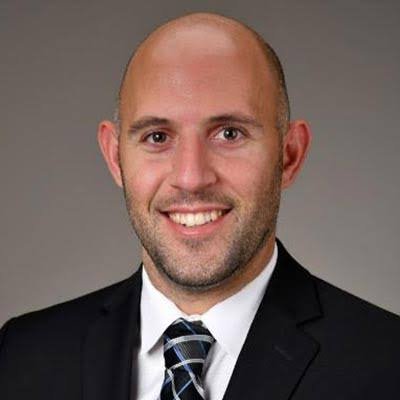
Dr. Matthew D. Weldon, MD Orthopedic Sports Medicine Surgeon
Dr. Matthew D. Weldon, MD, is a board-certified orthopedic surgeon with fellowship training in orthopedic sports medicine. His clinical focus includes arthroscopic and minimally invasive treatment of shoulder, elbow, knee, and ankle conditions, along with fracture care, joint preservation, limb-alignment correction, and selected joint-replacement procedures.
Patients may see Dr. Weldon for sports injuries, joint instability, ligament or tendon tears, cartilage damage, fractures, arthritis, recurring swelling, or pain that has not improved with basic treatment. He currently practices with Texas Bone & Joint.
An orthopedic consultation does not automatically lead to an operation. Many injuries can first be managed with activity changes, physical therapy, bracing, medication, injections, or a monitored return-to-activity plan.
About Dr. Matthew D. Weldon
Dr. Weldon provides orthopedic and sports medicine care for recreational athletes, competitive athletes, active adults, and patients whose joint condition affects normal work or daily movement.
His areas of care may include:
- Shoulder, elbow, knee, and ankle injuries
- ACL and other knee ligament tears
- Meniscus injuries
- Rotator cuff conditions
- Shoulder instability and labral tears
- Elbow tendon and ligament injuries
- Ankle sprains and instability
- Cartilage damage
- Joint alignment problems
- Arthritis and joint degeneration
- Stress fractures and traumatic fractures
- Arthroscopic surgery
- Joint-preservation procedures
- Selected joint-replacement procedures
- Rehabilitation and return-to-sport planning
His current professional biography emphasizes minimally invasive reconstruction, nonsurgical management, rehabilitation, and preservation of the natural joint when medically appropriate.
Patients recovering from an athletic injury may also read about common sports injuries and prevention.
Education and Orthopedic Training
| Training area | Institution | Details |
|---|---|---|
| Undergraduate education | Trinity University | Biology, economics, and business administration |
| Medical education | Ross University School of Medicine | Doctor of Medicine, completed in 2012 |
| Internship | Methodist Hospital | Preliminary general surgery |
| Residency | McGovern Medical School at UTHealth Houston | Orthopedic surgery |
| Fellowship | UTHealth Houston | Orthopedic sports medicine |
| Board certification | Orthopedic surgery | Board-certified orthopedic surgeon |
Dr. Weldon completed undergraduate studies at Trinity University, where public professional biographies also identify him as a former All-Conference football player. He earned his medical degree from Ross University School of Medicine before completing a preliminary surgical internship and orthopedic residency training.
He then completed an additional fellowship year in orthopedic sports medicine at UTHealth Houston and served as administrative fellow during that training.
Orthopedic residency provides broad preparation in fractures, arthritis, trauma, tendon and ligament injuries, joint reconstruction, surgical treatment, and postoperative care.
Sports medicine fellowship training adds focused experience in arthroscopy, athletic injuries, cartilage problems, ligament reconstruction, joint preservation, and structured rehabilitation.
Board Certification and Professional Credentials
Dr. Weldon’s current hospital and practice profiles identify him as a board-certified orthopedic surgeon.
His professional qualifications include:
- MD, meaning Doctor of Medicine
- Preliminary surgical internship training
- Residency training in orthopedic surgery
- Fellowship training in orthopedic sports medicine
- Board certification in orthopedic surgery
- Experience in surgical and nonsurgical musculoskeletal care
- Previous academic involvement with McGovern Medical School
Professional biographies also list membership in the American Academy of Orthopaedic Surgeons and the American Orthopaedic Society for Sports Medicine.
Board certification is separate from medical licensing. A medical license permits a doctor to practice, while board certification reflects completed specialty training and professional assessment.
What an Orthopedic Sports Medicine Surgeon Does
An orthopedic sports medicine surgeon evaluates problems involving:
- Bones
- Joints
- Muscles
- Tendons
- Ligaments
- Cartilage
- Other supporting tissues
Sports medicine is not limited to professional athletes. It can also help children involved in school athletics, adults who exercise recreationally, workers with activity-related injuries, and older patients who want to remain mobile.
A specialist evaluation may be useful when:
- Joint pain continues despite rest
- A knee, shoulder, or ankle repeatedly gives way
- Swelling keeps returning
- A joint catches or locks
- Strength or movement has decreased
- A fracture is suspected
- An X-ray or MRI shows structural damage
- Physical therapy has not provided enough improvement
- Another doctor has recommended surgery
- A second opinion is needed before reconstruction
The examination helps determine whether symptoms arise from one damaged structure or from several problems occurring together.
Sports Injuries
Sports injuries may occur suddenly during a collision, fall, awkward landing, or rapid change in direction. Other injuries develop gradually through repetitive activity and limited recovery.
Common symptoms include:
- Pain
- Swelling
- Bruising
- Weakness
- Instability
- Joint stiffness
- Clicking or catching
- Reduced movement
- Difficulty bearing weight
- Loss of athletic performance
Dr. Weldon may assess how the injury happened, which movements cause symptoms, whether the joint remains stable, and whether related structures may also be damaged.
Treatment may include rehabilitation, bracing, temporary activity restrictions, medication, an injection, arthroscopic treatment, or surgical reconstruction.
Shoulder Pain and Injuries
The shoulder has a wide range of movement, but it depends on muscles, tendons, ligaments, and cartilage for stability.
Dr. Weldon may evaluate:
- Rotator cuff injuries
- Shoulder instability
- Labral tears
- Tendon irritation
- Impingement
- Repeated dislocations
- Arthritis
- Fractures
- Sports-related shoulder pain
- Loss of strength or movement
Possible symptoms include:
- Pain while lifting the arm
- Nighttime discomfort
- Weakness
- Clicking
- Catching
- Difficulty reaching overhead
- A feeling that the shoulder may slip
- Pain while throwing or lifting
The examination may assess strength, range of motion, stability, tenderness, and whether symptoms could be coming from the neck or a compressed nerve.
Rotator Cuff Conditions
The rotator cuff is a group of muscles and tendons that helps move and stabilize the shoulder.
A rotator cuff problem may develop after a fall, heavy lifting, repeated overhead movement, athletic activity, or gradual tendon wear.
Possible symptoms include:
- Pain when raising the arm
- Weakness
- Difficulty sleeping on the affected side
- Pain during overhead activity
- Reduced movement
- Difficulty completing work or household tasks
Not every rotator cuff tear requires immediate surgery. The treatment decision may consider the tear’s size, the quality of the tendon, the patient’s age, activity needs, strength, symptoms, and response to rehabilitation.
Treatment may involve physical therapy, medication, activity changes, an injection, or arthroscopic repair.
Shoulder Instability and Labral Tears
Shoulder instability occurs when the upper-arm bone moves excessively within the socket.
This may happen after:
- A complete dislocation
- Repeated smaller instability episodes
- A fall onto an outstretched arm
- Contact sports
- Repetitive throwing
- Ligament or labral injury
Symptoms may include slipping, clicking, pain in certain positions, weakness, repeated dislocation, or reduced confidence during physical activity.
Physical therapy may help strengthen the muscles that support the joint. Arthroscopic stabilization may be considered when instability continues or structural damage increases the risk of another dislocation.
Elbow Injuries
Elbow pain may develop after throwing, lifting, falling, repetitive work, or direct impact.
Conditions may involve:
- Tendons
- Ligaments
- Bones
- Cartilage
- Nerves
- Joint surfaces
Possible concerns include:
- Tendon tears
- Distal biceps injuries
- Throwing-related ligament problems
- Elbow instability
- Fractures
- Joint stiffness
- Arthritis
- Locking or catching
- Numbness or tingling
Repetitive overhead throwing can place considerable stress on the ulnar collateral ligament along the inner elbow. Treatment depends on the degree of injury, the patient’s activity, and whether stability and throwing function can be restored without surgery.
Knee Injuries
The knee contains several structures that work together during standing, walking, running, jumping, and turning.
Dr. Weldon may evaluate:
- ACL tears
- Other knee ligament injuries
- Meniscus tears
- Cartilage damage
- Kneecap instability
- Tendon injuries
- Sports-related fractures
- Arthritis
- Repeated swelling
- Locking or giving way
The treatment plan depends on the injured structure, joint stability, activity goals, age, general health, and response to earlier treatment.
ACL Injuries
The anterior cruciate ligament helps control knee stability during turning, landing, and rapid changes in direction.
Possible signs of an ACL injury include:
- A popping sensation
- Rapid swelling
- Pain
- Loss of movement
- Difficulty continuing activity
- A feeling that the knee gives way
Evaluation may include a physical examination, X-rays, and MRI. MRI can also help identify meniscus, cartilage, bone, or additional ligament injuries.
Not every ACL tear requires surgery. A patient with a stable knee and lower activity demands may be treated with rehabilitation. Reconstruction may be discussed for continuing instability, associated injuries, or plans to return to sports involving cutting and pivoting.
Meniscus Tears
The menisci are cartilage structures that distribute pressure and support stability within the knee.
A meniscus may tear after a twisting injury or through gradual tissue changes.
Possible symptoms include:
- Pain along the joint line
- Swelling
- Catching
- Clicking
- Locking
- A feeling that the knee gives way
- Difficulty fully bending or straightening the joint
Some tears can be managed with activity modification, physical therapy, medication, and time. Surgery may be considered when the knee remains locked, mechanical symptoms continue, or the tear is suitable for repair.
Sports-related meniscus tears may also occur together with ACL or other knee injuries.
Cartilage Damage and Joint Preservation
Articular cartilage is the smooth tissue covering the ends of bones inside a joint.
It can be damaged by:
- A sports injury
- Ligament instability
- A meniscus tear
- Repetitive impact
- Poor limb alignment
- An earlier fracture
- Gradual joint wear
Cartilage damage may cause pain, swelling, stiffness, catching, or difficulty completing normal activity.
Dr. Weldon has a stated professional interest in joint preservation, including assessment of limb alignment and correction. Joint-preservation treatment aims to improve mechanics, address instability, and protect remaining healthy joint tissue when possible.
Treatment may involve rehabilitation, injections, cartilage procedures, ligament repair, meniscus treatment, alignment correction, or another reconstructive option.
Ankle Injuries and Instability
An ankle sprain occurs when one or more supporting ligaments are stretched or torn.
Symptoms may include:
- Swelling
- Bruising
- Tenderness
- Pain during walking
- Instability
- A feeling that the ankle may give way
Most isolated ankle sprains can be managed without surgery. Treatment may involve temporary immobilization, gradual weight bearing, rehabilitation, balance work, and strengthening.
Persistent instability, repeated sprains, associated cartilage damage, or an additional tendon injury may require more detailed imaging or surgical assessment.
An injury that appears to be a sprain can sometimes be a fracture. Continuing pain, inability to bear weight, or severe swelling should be medically evaluated.
Fracture Care
Fractures may result from falls, sports injuries, vehicle accidents, direct impact, twisting, or repetitive stress.
Possible signs include:
- Sudden pain
- Swelling
- Bruising
- Tenderness over a bone
- Difficulty moving
- Inability to bear weight
- Visible deformity
- Numbness
Treatment may include:
- Splinting
- Casting
- A walking boot
- Limited weight bearing
- Repeat imaging
- Physical therapy
- Surgical fixation
Surgery may be considered when a fracture is displaced, unstable, open, involves a joint surface, or is unlikely to heal in acceptable alignment without fixation.
Limb Alignment and Correction
The alignment of the hip, knee, leg, and ankle affects how weight passes through a joint.
Poor alignment may place excess pressure on one part of a knee or ankle. This can contribute to pain, cartilage wear, instability, or reduced athletic function.
Assessment may involve:
- Standing X-rays
- Comparing both legs
- Evaluating walking mechanics
- Reviewing previous injuries
- Examining ligament stability
- Assessing cartilage and meniscus damage
Treatment may include physical therapy, bracing, activity changes, or a corrective operation in selected patients.
Alignment correction may be discussed as part of a joint-preservation plan, particularly when abnormal mechanics are contributing to localized cartilage damage.
Arthritis and Joint Replacement
Arthritis may cause cartilage loss, stiffness, swelling, pain, and reduced movement.
Initial care may include:
- Activity modification
- Physical therapy
- Strengthening
- Medication
- Bracing
- Walking support
- Selected injections
Dr. Weldon’s current biography states that his practice covers the wider range of joint disease, including joint preservation and joint replacement.
Joint replacement may be considered when damage is advanced and pain or loss of function remains substantial despite appropriate nonsurgical treatment.
The decision should consider the affected joint, age, activity, health, imaging findings, expected benefit, and recovery requirements.
Arthroscopic Surgery
Arthroscopy is a minimally invasive technique that uses a small camera and specialized instruments inserted through small openings around a joint.
It may be used to assess or treat:
- Meniscus tears
- Ligament injuries
- Rotator cuff tears
- Labral injuries
- Cartilage damage
- Loose tissue
- Joint inflammation
- Selected forms of instability
Arthroscopy generally uses smaller incisions than open surgery, but it still requires preparation and rehabilitation. Recovery depends on what was repaired rather than the size of the incision alone.
A simple procedure may require less recovery than ligament reconstruction, tendon repair, or cartilage restoration.
Nonsurgical Orthopedic Treatment
Many musculoskeletal problems improve without an operation.
A treatment plan may include:
- Temporary rest from painful activity
- Modification of work or sports
- Physical therapy
- Strength and movement exercises
- Bracing
- Medication
- Ice or heat guidance
- Selected injections
- Gradual return to activity
- Continued monitoring
Rehabilitation should match the diagnosis. Exercises used for an ankle sprain may not be appropriate for an unstable knee or a repaired shoulder tendon.
Patients should report new weakness, numbness, substantial swelling, joint instability, or increasing pain rather than continuing an exercise that appears to be worsening the problem.
When Surgery May Be Discussed
Surgery may become an option when:
- A ligament tear causes continuing instability
- A tendon is fully torn
- A fracture is displaced or unstable
- A joint remains mechanically locked
- Cartilage damage affects function
- Severe arthritis limits daily activities
- Nonsurgical care has not provided sufficient improvement
- Structural damage is likely to worsen
- The patient’s activity goals require reconstruction
Patients should understand whether the proposed procedure is intended to reduce pain, restore stability, protect cartilage, correct alignment, repair damaged tissue, or support a return to a specific activity.
Who May Benefit From Seeing Dr. Weldon
A consultation may be appropriate for patients who:
- Have continuing shoulder, elbow, knee, or ankle pain
- Experienced a sports injury
- Have a suspected ligament or tendon tear
- Notice that a joint repeatedly gives way
- Experience recurring swelling
- Have a joint that catches or locks
- Need fracture treatment or follow-up
- Have cartilage or alignment concerns
- Have not improved with physical therapy
- Need assessment for arthroscopy
- Have been advised to consider joint reconstruction
- Want another opinion before surgery
- Need a structured return-to-sport plan
Patients searching more broadly can use Doctiplus to find doctors by specialty.
What Patients Can Expect During an Appointment
The consultation generally begins with a discussion of the symptoms, injury history, physical activity, work demands, medical conditions, and previous treatment.
Dr. Weldon may ask:
- When did the symptoms begin?
- Did a specific injury occur?
- Was there a pop or rapid swelling?
- Which movements cause pain?
- Does the joint catch, lock, or give way?
- Has strength changed?
- Which treatments have already been tried?
- Has physical therapy helped?
- Have injections been given?
- Has surgery been performed before?
- Which activities does the patient hope to resume?
The examination may assess:
- Range of motion
- Joint stability
- Muscle strength
- Swelling
- Tenderness
- Limb alignment
- Walking pattern
- Balance
- Nerve function
- Circulation
Possible next steps include X-rays, MRI, CT imaging, physical therapy, bracing, medication, an injection, additional observation, or discussion of surgery.
Preparing for the Appointment
Patients can prepare by bringing:
- A complete medication list
- Allergy information
- Previous X-rays
- MRI or CT images
- Written imaging reports
- Physical therapy notes
- Injection records
- Earlier surgical reports
- Details of the original injury
- Sports or work requirements
- Insurance information
- Referral documents
- Written questions
The actual imaging files may be more useful than the written report alone.
It can also help to record when pain occurs, which movements make it worse, whether swelling develops, and how symptoms affect sleep, work, exercise, or normal daily activity.
Questions to Ask Dr. Weldon
Patients may consider asking:
- Which structure appears to be causing my symptoms?
- Do the imaging findings match the physical examination?
- Are more tests necessary?
- Could the condition improve without surgery?
- Which rehabilitation plan is appropriate?
- Would a brace or injection help?
- Why is arthroscopy being considered?
- Can damaged tissue be repaired rather than removed?
- Does alignment contribute to the problem?
- Is joint preservation possible?
- What improvement is realistic?
- What are the main risks?
- How long may recovery take?
- Will I need crutches, a brace, or a sling?
- When can I drive or return to work?
- When can I return to sports?
- Could the injury happen again?
- Would another opinion be reasonable?
- Which symptoms require urgent care?
Recovery and Rehabilitation
Recovery depends on the diagnosis, operation, tissue involved, and patient’s general health.
Follow-up may include:
- Incision checks
- Swelling management
- Medication review
- A brace, sling, boot, or crutches
- Movement restrictions
- Physical therapy
- Strengthening
- Repeat imaging
- Work restrictions
- Sport-specific rehabilitation
- Gradual return to activity
Returning to sport is usually based on healing, movement, strength, balance, stability, control, and confidence rather than time alone.
Patients preparing for an operation may also read about follow-up care during surgical recovery.
Practice and Appointment Information
Dr. Weldon currently practices with Texas Bone & Joint. The practice lists him among its Houston orthopedic physicians and provides sports medicine, arthroscopy, fracture care, joint-preservation treatment, and other orthopedic services.
Houston Office
1200 Binz Street, Suite 580
Houston, TX 77004
West Houston Office
12606 West Houston Center Boulevard, Suite 350
Houston, TX 77082
Appointment phone:
281-836-9020
The Houston office lists weekday hours from 8:00 a.m. to 5:00 p.m. Practice schedules, office availability, and the location used for a specific appointment may change, so patients should confirm details before traveling.
Hospital Affiliations
Current public provider information associates Dr. Weldon with:
- HCA Houston Healthcare Medical Center
- HCA Houston Healthcare West
Earlier records also connect him with Memorial Hermann facilities through his previous UT Physicians practice. Current hospital participation may depend on the procedure, office, insurance network, and active privileges, so patients should confirm the planned facility before scheduling surgery.
Languages and Communication
Public provider information lists English and Spanish in connection with Dr. Weldon’s care. Patients who need care in Spanish or another language should confirm whether the doctor, a team member, or a qualified interpreter will be available for the appointment.
Insurance, New Patients, and Telehealth
Texas Bone & Joint states that its Houston locations offer same-day appointment options and telehealth services. Dr. Weldon is also currently listed by provider directories as accepting new patients and telehealth appointments. Availability can differ according to the condition and office.
Before scheduling, patients should ask:
- Is Dr. Weldon included in my current network?
- Is a referral required?
- Does imaging need prior authorization?
- Is physical therapy covered?
- Are braces or injections billed separately?
- Which facility would be used for surgery?
- Are the surgeon and facility both in network?
- Are new patients currently being scheduled?
- Should earlier imaging be sent before the visit?
- Is telehealth suitable for my appointment?
New injuries, fractures, instability, weakness, and conditions requiring physical examination usually need an in-person visit.
When Orthopedic Symptoms Require Urgent Care
Patients should not wait for a routine orthopedic appointment when symptoms suggest a serious injury, infection, or loss of circulation.
Urgent assessment may be needed for:
- A visibly deformed joint or limb
- Bone visible through a wound
- Heavy bleeding
- A cold, pale, blue, or numb hand or foot
- Sudden loss of movement or strength
- Inability to bear weight after a major injury
- Rapidly increasing swelling
- Severe pain that continues to worsen
- A hot and swollen joint with fever
- Increasing numbness beneath a cast or brace
- A joint that remains locked after trauma
- Spreading redness or drainage following surgery
- An incision that opens
- Chest pain or severe breathing difficulty after an operation
Patients can review general guidance about when immediate medical attention is the right choice, but severe injuries and symptoms suggesting reduced blood flow require prompt medical assessment.



Reviews
There are no reviews yet.