
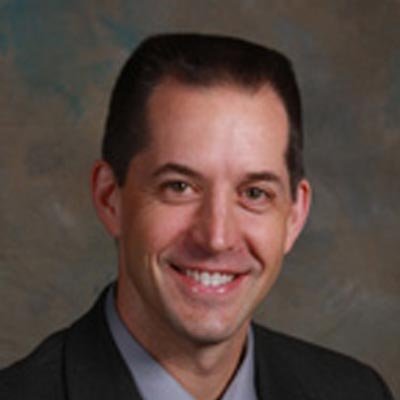
Dr. Mark S. Barlow, MD Plastic and Reconstructive Surgeon
Dr. Mark S. Barlow, MD, is a board-certified plastic surgeon who provides cosmetic and reconstructive surgical care. His practice includes procedures involving the face, breasts, abdomen, body contour, scars, burns, and areas affected by trauma, cancer treatment, or congenital differences.
He completed an integrated plastic surgery residency at the University of Texas Medical Branch after earning his medical degree from McGovern Medical School at UTHealth Houston. Current professional records identify him as certified by the American Board of Plastic Surgery.
Patients may consult Dr. Barlow to discuss a cosmetic procedure, reconstruction after illness or injury, breast reduction for physical symptoms, treatment of a burn scar contracture, or correction of a previous surgical result.
A consultation does not commit a patient to surgery. It should provide a realistic discussion of the available options, expected changes, scars, recovery requirements, possible complications, and whether treatment is medically suitable.
About Dr. Mark S. Barlow
Dr. Barlow practices plastic and reconstructive surgery in the Clear Lake area. His current practice website lists both aesthetic and reconstructive care, including facial, breast, and body procedures, along with selected injectable, laser, and skin treatments.
His areas of care may include:
- Facial cosmetic surgery
- Eyelid surgery
- Facelift and brow lift
- Rhinoplasty
- Ear surgery
- Breast augmentation
- Breast lift
- Breast reduction
- Breast implant exchange
- Male breast reduction
- Abdominoplasty
- Liposuction
- Body lift and body contouring
- Reconstruction after cancer
- Reconstruction after trauma
- Congenital reconstruction
- Burn scar treatment
- Scar and skin resurfacing
- Selected nonsurgical cosmetic treatments
Patients comparing procedural specialists can review other providers offering general and specialized surgical care.
Professional Background
Dr. Barlow’s background is unusual because he completed advanced education and research in engineering and biomaterials before entering medicine.
His professional curriculum vitae lists an honors degree in aerospace engineering from the University of Texas at Austin and a master’s degree in aeronautics and astronautics from the Massachusetts Institute of Technology. His earlier research included space-structure analysis, skin regeneration, tissue engineering, wound healing, and computer modeling of burn injuries.
He later earned his medical degree and completed a six-year integrated plastic surgery training program at UTMB. His training included reconstructive experience at MD Anderson Cancer Center and aesthetic surgery rotations focused on facial, eyelid, nasal, and breast procedures.
Current professional information also identifies him as a clinical assistant professor involved in plastic surgery resident education at UTMB.
Education and Surgical Training
| Training area | Institution | Details |
|---|---|---|
| Undergraduate education | University of Texas at Austin | Bachelor of Science with honors in aerospace engineering, 1989 |
| Graduate education | Massachusetts Institute of Technology | Master of Science in aeronautics and astronautics, 1992 |
| Research education | MIT and related research programs | Biomaterials, skin regeneration, burns, tissue engineering, and structural modeling |
| Medical education | University of Texas Medical School at Houston, now McGovern Medical School | Doctor of Medicine, completed in 2000 |
| Surgical internship | University of Texas Medical Branch | Completed in 2001 |
| Residency | University of Texas Medical Branch | Integrated plastic surgery, completed in 2005 |
| Chief resident experience | University of Texas Medical Branch | Administrative chief resident during final training year |
| Board certification | American Board of Plastic Surgery | Plastic surgery |
Plastic surgery residency includes training in both cosmetic and reconstructive procedures. It may cover facial surgery, breast surgery, hand and extremity reconstruction, wound care, burn treatment, cancer reconstruction, skin grafting, and management of surgical complications.
Dr. Barlow’s professional record states that he became a diplomate of the American Board of Plastic Surgery in 2007 and completed recertification in 2017.
Board Certification and Credentials
Dr. Barlow’s qualifications include:
- MD, meaning Doctor of Medicine
- Integrated plastic surgery residency training
- Board certification in plastic surgery
- Experience in cosmetic and reconstructive procedures
- Clinical teaching involvement
- Membership in the American Society of Plastic Surgeons
- Research experience involving wounds, burns, skin replacement, and tissue engineering
Board certification is different from medical licensing. A medical license permits a physician to practice, while specialty certification reflects completion of an approved training program and professional examinations.
The federal NPI registry identifies Dr. Mark Steven Barlow as an active plastic surgery physician under NPI 1134122856.
What a Plastic and Reconstructive Surgeon Does
Plastic surgery includes two connected areas of medicine.
Cosmetic plastic surgery
Cosmetic surgery changes the appearance, shape, proportion, or contour of a body area. It is generally elective and should be based on the patient’s own informed goals rather than pressure from another person.
Reconstructive plastic surgery
Reconstructive surgery aims to restore form or function after:
- Cancer treatment
- Trauma
- Burns
- Infection
- Congenital differences
- Previous surgery
- Significant scarring
- Loss or damage of skin and soft tissue
Some procedures have both cosmetic and reconstructive purposes. Breast reduction, eyelid surgery, nasal surgery, and scar treatment may improve appearance while also addressing physical symptoms or function.
Patients considering an elective procedure may benefit from reading about what to assess before deciding whether cosmetic surgery is worthwhile.
Facial Cosmetic Surgery
Dr. Barlow’s current practice information lists several facial procedures, including:
- Facelift
- Brow lift
- Eyelid surgery
- Rhinoplasty
- Otoplasty
- Dermabrasion
A facial consultation should evaluate more than one isolated feature. Skin quality, facial proportions, previous procedures, bone structure, medical history, medication, and healing risk may all affect the recommendation.
The surgeon should explain:
- Which structures would be changed
- Where incisions may be placed
- Whether scars will remain visible
- What improvement is realistic
- How long swelling may continue
- When normal activities may resume
- Whether another procedure would be performed at the same time
Facelift and Brow Lift
A facelift is intended to reposition selected tissues of the lower face and neck. It may address loose skin, deeper folds, changes near the jawline, and neck contour.
A brow lift focuses on the forehead and eyebrow area. It may be considered when brow position contributes to a tired or heavy appearance.
These procedures do not stop normal aging. Their effects also depend on:
- Skin elasticity
- Smoking or nicotine exposure
- Sun damage
- Previous surgery
- Weight changes
- Facial anatomy
- Healing response
Patients should ask whether the proposed operation addresses skin alone or also involves deeper supportive tissues.
Eyelid Surgery
Eyelid surgery is also called blepharoplasty.
It may involve the upper eyelids, lower eyelids, or both. Depending on the patient, the procedure may address:
- Excess upper-eyelid skin
- Bulging or displaced fat
- Lower-eyelid fullness
- Skin laxity
- Asymmetry
- Eyelid changes affecting the visual field
An eyelid assessment should include eye health, tear production, contact lens use, previous eye surgery, thyroid disease, dry-eye symptoms, and medication that may increase bleeding.
Patients whose upper-eyelid skin interferes with vision may need photographs and formal visual-field testing when insurance coverage is being considered.
Rhinoplasty
Rhinoplasty changes the shape or structure of the nose.
It may be performed for cosmetic reasons, functional breathing concerns, trauma, congenital differences, or a combination of these issues.
Assessment may include:
- External nasal shape
- Internal nasal airway
- Septum position
- Earlier injuries
- Previous nasal surgery
- Skin thickness
- Facial proportions
- Breathing symptoms
Patients should clearly discuss whether the main goal is appearance, breathing, or both. A cosmetic change does not automatically correct every airway problem.
Ear Surgery
Otoplasty is used to change the shape, position, or proportion of the ears.
It may be considered for:
- Prominent ears
- Ear asymmetry
- Congenital shape differences
- Trauma-related changes
- Earlier surgery requiring revision
The surgeon should explain incision placement, cartilage reshaping, scar location, and the need for dressings or activity restrictions after treatment.
Breast Surgery
Dr. Barlow’s practice lists cosmetic and reconstructive breast procedures, including:
- Breast augmentation
- Breast lift
- Breast reduction
- Implant exchange
- Male breast reduction
- Reconstruction connected with cancer or congenital conditions
Breast surgery planning may consider:
- Breast size and shape
- Skin quality
- Nipple position
- Chest-wall anatomy
- Previous pregnancy or weight change
- Earlier breast surgery
- Mammogram or imaging history
- Family and personal cancer history
- Physical discomfort
- Patient preferences
Patients should understand that scars are expected after breast surgery. Their position and length depend on the procedure and how much tissue must be removed or reshaped.
Breast Augmentation
Breast augmentation generally uses implants or, in selected cases, transferred fat to increase breast volume.
Implant planning may include:
- Implant size
- Implant shape
- Filling material
- Position above or below the chest muscle
- Incision location
- Existing breast tissue
- Future imaging
- Long-term implant monitoring
Breast implants are not lifetime devices. Additional surgery may eventually be needed because of rupture, hard scar tissue, movement, discomfort, appearance changes, or personal preference.
Patients should receive the manufacturer’s implant information and understand the follow-up recommended for the selected device.
Breast Lift
A breast lift, also called mastopexy, removes excess skin and reshapes breast tissue to change breast position.
It does not necessarily add a large amount of volume. Some patients discuss combining a lift with augmentation, while others may benefit from a lift alone or a reduction.
The surgeon should explain:
- The expected scar pattern
- Whether breast volume will change
- How nipple position may be adjusted
- The effect of future pregnancy or weight change
- Possible changes in sensation
- Whether breastfeeding could be affected
Breast Reduction
Breast reduction removes skin, fat, and glandular tissue to reduce breast size and weight.
Patients may seek assessment because of:
- Neck or shoulder discomfort
- Back pain
- Bra-strap pressure
- Skin irritation beneath the breasts
- Difficulty exercising
- Difficulty finding supportive clothing
- Problems with posture or daily activity
Dr. Barlow’s practice describes breast reduction as a procedure that may be performed for physical relief rather than appearance alone. Insurance coverage may be possible when medical necessity requirements are met, but approval depends on the individual policy.
Documentation may include symptom history, previous treatment, photographs, estimated tissue removal, and records from other healthcare professionals.
Breast Reconstruction
Breast reconstruction may be considered after cancer surgery, trauma, infection, or a congenital condition.
Options depend on the amount of remaining tissue, earlier radiation treatment, cancer plan, general health, and personal preference.
Reconstruction may involve:
- An implant
- A tissue expander
- The patient’s own tissue
- Fat transfer
- Scar revision
- Nipple or areola reconstruction
- Treatment of asymmetry
- Revision of an earlier reconstruction
Some reconstruction is performed at the time of cancer surgery, while other treatment is delayed. Patients should discuss timing with the breast surgeon, oncologist, and reconstructive surgeon.
Body Contouring
Dr. Barlow’s practice lists body procedures such as:
- Liposuction
- Tummy tuck
- Body lift
- Body contouring
- Combined breast and abdominal procedures
- Selected nonsurgical contour treatments
Body-contouring surgery is not a substitute for general health care or treatment of obesity. Patients are usually assessed for weight stability, nutritional status, smoking or nicotine use, diabetes control, blood-clot risk, and ability to follow recovery restrictions.
Liposuction
Liposuction removes selected deposits of fat through small incisions using a narrow tube.
It may be used in areas such as the:
- Abdomen
- Waist
- Hips
- Thighs
- Arms
- Back
- Neck or chin
Liposuction does not directly tighten every type of loose skin. Patients with substantial skin laxity may need a different procedure or may decide that surgery is not suitable.
Possible risks include contour irregularity, fluid collection, numbness, asymmetry, infection, blood clots, and the need for revision treatment.
Abdominoplasty
Abdominoplasty is commonly called a tummy tuck.
It may remove excess lower-abdominal skin and repair separation or weakness of the abdominal wall when appropriate.
Patients may consider it after:
- Pregnancy
- Major weight change
- Previous abdominal surgery
- Skin and tissue laxity
- Persistent abdominal wall separation
A tummy tuck is more extensive than liposuction. Recovery may include drains, compression garments, limits on lifting, and gradual return to upright walking and exercise.
The procedure leaves a permanent lower-abdominal scar. The position and length depend on the amount of tissue treated.
Combined Procedures
Some patients ask whether breast and abdominal procedures can be performed during the same operation.
Combining procedures may reduce the number of separate recovery periods, but it may also:
- Increase operating time
- Increase blood-clot risk
- Require more assistance at home
- Make early mobility more difficult
- Increase discomfort
- Change the safest surgical setting
The decision should be based on medical history, procedure length, treatment extent, anesthesia risk, and the surgeon’s assessment rather than convenience alone.
Male Breast Reduction
Gynecomastia refers to enlargement of male breast tissue.
Possible causes include:
- Hormonal changes
- Medication
- Weight changes
- Liver or kidney disease
- Endocrine conditions
- Anabolic steroid exposure
- No clearly identified cause
Evaluation may include examination, medication review, laboratory testing, or breast imaging when the findings are unusual.
Treatment may involve removal of glandular tissue, liposuction, skin removal, or a combination. A new, firm, painful, or one-sided breast mass should be medically assessed before cosmetic treatment is planned.
Reconstructive Surgery After Trauma or Cancer
Dr. Barlow’s practice lists reconstructive care for the face, breasts, and extremities after trauma, cancer, or congenital conditions.
Reconstruction may aim to:
- Close a wound
- Replace missing skin or soft tissue
- Protect exposed structures
- Restore movement
- Improve facial or body symmetry
- Reduce scar restriction
- Support healing after tumor removal
- Correct a congenital difference
The exact operation depends on the location, tissue damage, blood supply, infection risk, and whether further cancer treatment is expected.
Reconstruction may use nearby tissue, skin grafts, tissue rearrangement, implants, or more complex techniques.
Burn Scars and Contractures
A burn contracture develops when scar tissue tightens and restricts normal movement.
It may affect:
- Fingers
- Hands
- Elbows
- Shoulders
- Neck
- Face
- Knees
- Ankles
- Other joints
Dr. Barlow’s practice lists burn contracture release and resurfacing among its reconstructive services. Treatment may combine surgery with rehabilitation to improve movement and reduce the chance of the area tightening again.
Selected scarred areas may also be treated with dermabrasion, grafting, or another resurfacing method to improve contour or texture. Improvement is possible, but normal skin cannot always be completely restored.
Injectable and Skin Treatments
Dr. Barlow’s current practice website lists selected nonsurgical treatments, including:
- Botulinum toxin injections
- Dermal fillers
- Sclerotherapy
- Facials
- Chemical peels
- Laser resurfacing
- Tattoo removal
Nonsurgical treatment still requires medical screening.
Patients should tell the clinician about:
- Allergies
- Previous reactions
- Blood-thinning medication
- Neuromuscular disease
- Skin infection
- Pregnancy or breastfeeding
- Earlier filler or implant treatment
- Autoimmune conditions
- A history of abnormal scarring
Injectables and laser treatments have possible complications and should not be treated as ordinary beauty services.
Who May Benefit From Seeing Dr. Barlow
A consultation may be appropriate for patients who:
- Are considering facial, breast, or body surgery
- Need reconstruction following cancer treatment
- Have tissue damage after trauma
- Have a burn scar limiting movement
- Experience physical symptoms related to breast size
- Need evaluation of a breast implant concern
- Have a congenital difference requiring reconstruction
- Want revision assessment after an earlier procedure
- Need treatment of a difficult scar or soft-tissue problem
- Want a second opinion before elective plastic surgery
Patients searching more broadly can use Doctiplus to find doctors by specialty.
What Patients Can Expect During a Consultation
The consultation normally begins with a review of the patient’s goals, health history, medication, previous treatment, and concerns.
Dr. Barlow may ask:
- What change or problem is being considered?
- How long has it been present?
- Does it cause pain or functional difficulty?
- Has surgery been performed in the area before?
- Is there a history of poor healing?
- Does the patient use nicotine?
- Are blood thinners being taken?
- Is diabetes present?
- Has weight been stable?
- Is future pregnancy planned?
- What result does the patient expect?
The examination depends on the area being assessed. It may include:
- Skin quality
- Tissue position
- Symmetry
- Scars
- Muscle or joint movement
- Blood supply
- Previous incisions
- Breast or body measurements
- Signs of infection
- Photographs for treatment planning
The surgeon should explain whether the patient’s requested result is realistic and whether surgery is medically appropriate.
Preparing for the Appointment
Patients can prepare by bringing:
- A complete medication list
- Supplement information
- Allergy details
- Previous surgical reports
- Implant information
- Pathology reports
- Cancer-treatment records
- Mammogram or breast-imaging results
- Relevant photographs or imaging
- Records of earlier complications
- Insurance and referral documents
- Written questions
Patients should disclose nicotine use, including cigarettes, vaping, patches, gum, and other nicotine products. Nicotine can reduce blood flow and increase the risk of wound-healing problems.
The surgeon should also know about aspirin, prescription blood thinners, anti-inflammatory medicine, diabetes treatment, weight-management injections, vitamins, and herbal products.
Patients should not stop prescribed medication without instructions from the appropriate medical team.
Questions to Ask Dr. Barlow
Patients may consider asking:
- Am I medically suitable for this procedure?
- Is surgery the most appropriate option?
- Are nonsurgical alternatives available?
- Which operation would be performed?
- Where would the incisions and scars be?
- What result is realistic?
- Could more than one procedure be required?
- Which anesthesia would be used?
- Where would the procedure take place?
- Is the surgical facility accredited?
- What are the main risks in my case?
- How often do patients need revision treatment?
- How long will swelling last?
- When can I drive or return to work?
- Will I need help at home?
- Which symptoms require an urgent call?
- What happens when the result differs from the original plan?
- Which costs are included in the quoted fee?
Patients should understand the surgeon’s revision policy, cancellation terms, implant costs, facility charges, anesthesia charges, postoperative care, and treatment of complications before scheduling elective surgery.
Recovery and Follow-Up
Recovery differs considerably among minor office procedures, facial surgery, breast surgery, body contouring, and reconstruction.
Follow-up may include:
- Incision assessment
- Dressing changes
- Drain management
- Swelling control
- Compression garments
- Pain and nausea treatment
- Movement restrictions
- Scar care
- Monitoring for infection
- Gradual return to work
- Additional surgery or revision planning when necessary
Patients may read about how follow-up supports recovery after surgery, although plastic surgery follow-up often requires direct examination of wounds, swelling, circulation, and healing.
Recovery instructions should come from the treating surgical team because two patients having procedures with similar names may still have different restrictions.
Practice and Appointment Information
Dr. Barlow practices through Mark S. Barlow, MD, PA.
Practice address:
450 West Medical Center Boulevard, Suite 207
Webster, TX 77598
Appointment phone:
281-333-8999
The current federal NPI record, official practice website, and professional directory information list this address and telephone number.
His individual National Provider Identifier is:
NPI: 1134122856
Patients should confirm the suite number and appointment time before traveling.
Hospital Affiliations
Current professional information associates Dr. Barlow with:
- Houston Methodist Clear Lake Hospital
- HCA Houston Healthcare Clear Lake
His professional history also includes surgical leadership and plastic surgery staff roles at hospitals and outpatient surgery centers in the Clear Lake area. Facility participation can change, and not every procedure is performed at the same location.
Patients should confirm:
- Where the procedure would occur
- Whether the facility is accredited
- Whether overnight care is available
- Which hospital would manage an emergency
- Whether the surgeon has privileges for the proposed procedure
Insurance, New Patients, and Telehealth
Houston Methodist currently lists Dr. Barlow as accepting new patients and does not list video visits through its directory. Availability should be confirmed directly because appointment policies can change.
Cosmetic procedures are generally paid for by the patient. Insurance may cover selected reconstructive procedures or medically necessary breast reduction, but approval depends on the diagnosis, documentation, policy, and network.
Before scheduling, patients should ask:
- Is Dr. Barlow included in my insurance network?
- Is the procedure considered cosmetic or reconstructive?
- Is prior authorization required?
- Is the surgical facility in network?
- Are anesthesia and pathology billed separately?
- Are postoperative visits included?
- Are implants, garments, or medications separate costs?
- Are new consultations currently available?
- Is an in-person visit required?
- Which records should be submitted before the appointment?
When Symptoms Require Urgent Medical Care
Patients should not wait for a routine follow-up when symptoms suggest bleeding, infection, a blood clot, reduced circulation, or another serious complication.
Urgent assessment may be needed for:
- Severe breathing difficulty
- Chest pain
- Sudden fainting
- Heavy or uncontrolled bleeding
- One-sided leg swelling or pain
- Rapidly increasing swelling near the surgical area
- A breast, flap, nipple, finger, or area of skin becoming unusually pale, blue, dark, or cold
- Severe pain that is rapidly worsening
- Fever with spreading redness
- Foul-smelling or increasing wound drainage
- An incision opening
- Repeated vomiting with inability to drink
- Sudden confusion
- A serious allergic reaction
- Loss of vision or severe eye pain after facial or injectable treatment
Patients can review general guidance about when immediate medical attention is the right choice, but potentially life-threatening symptoms require prompt emergency assessment.


Reviews
There are no reviews yet.