
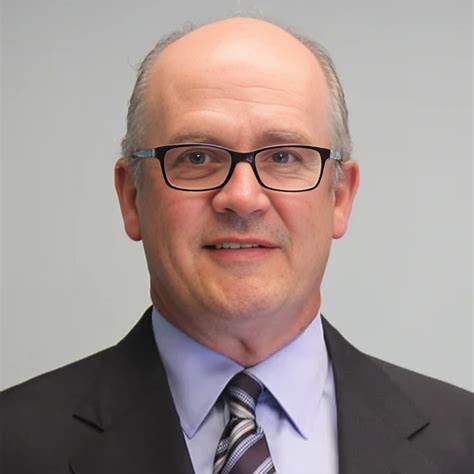
Dr. Leo Lapuerta, MD Plastic and Reconstructive Surgeon
Dr. Leo Lapuerta, MD, is a board-certified plastic and reconstructive surgeon whose practice includes cosmetic surgery of the face, breast, and body, along with reconstructive and hand surgery. He is certified in plastic surgery, general surgery, and surgery of the hand. His professional background includes more than three decades of surgical practice and specialist training in both general and plastic surgery.
Patients may consult Dr. Lapuerta when considering a cosmetic procedure, needing reconstruction after injury or illness, experiencing a hand condition, or seeking another opinion before surgery. A consultation is intended to determine whether a procedure is medically suitable, whether expectations are realistic, and whether nonsurgical care may be a reasonable alternative.
About Dr. Leo Lapuerta
Dr. Lapuerta provides plastic surgery through the Plastic Surgery Institute of Southeast Texas. His work covers aesthetic procedures, reconstructive treatment, hand surgery, scar care, and selected nonsurgical cosmetic treatments.
His main areas of care include:
- Facial plastic surgery
- Breast surgery
- Body contouring
- Plastic and reconstructive surgery
- Hand surgery
- Scar revision
- Surgery after major weight loss
- Male plastic surgery
- Injectable treatments
- Skin resurfacing and cosmetic skin care
His practice lists offices in Pearland, Houston, Katy, and Piney Point. He is also associated with Memorial Hermann Pearland Hospital and Memorial Hermann Southeast Hospital.
Patients comparing professionals in this area can review doctors involved in specialized surgical care.
Education and Surgical Training
| Training Area | Institution | Details |
|---|---|---|
| Undergraduate education | Stanford University | Undergraduate degree |
| Medical education | University of Texas Southwestern Medical School | Doctor of Medicine, completed in 1988 |
| Residency | St. John Medical Center | General surgery |
| Advanced training | St. Joseph Medical Center and Baylor-affiliated training | Plastic and reconstructive surgery |
| Board certification | American Board of Surgery | General surgery |
| Board certification | American Board of Plastic Surgery | Plastic surgery |
| Additional certification | Surgery of the Hand | Hand surgery qualification |
Dr. Lapuerta completed his undergraduate studies at Stanford University before earning his medical degree from the University of Texas Southwestern Medical School.
He then completed general surgery residency training at St. John Medical Center in Detroit. His advanced plastic and reconstructive surgery training was completed in Houston, with public institutional records listing fellowship training through Baylor College of Medicine and St. Joseph Medical Center.
General surgery training provides experience in wound care, abdominal surgery, trauma, critical care, and postoperative management. Plastic surgery training adds focused preparation in tissue repair, body contouring, facial surgery, breast procedures, reconstruction, and restoring form and function after illness or injury.
Board Certification and Professional Credentials
Dr. Lapuerta is listed as board-certified in:
- Plastic surgery
- General surgery
- Surgery of the hand
He is also identified as a Fellow of the American College of Surgeons and a member of professional plastic surgery organizations.
His professional credentials include:
- MD, meaning Doctor of Medicine
- FACS, meaning Fellow of the American College of Surgeons
- General surgery residency training
- Plastic and reconstructive surgery fellowship training
- Certification in plastic surgery
- Certification in general surgery
- Additional certification in surgery of the hand
Board certification is different from medical licensing. A medical license permits a physician to practice, while board certification reflects specialty training and professional assessment.
Cosmetic and Reconstructive Plastic Surgery
Plastic surgery includes both cosmetic and reconstructive care.
Cosmetic surgery is generally chosen to change or refine appearance. Reconstructive surgery aims to restore form or function after injury, cancer treatment, congenital differences, infection, surgery, or another medical condition.
The same procedure may have both cosmetic and reconstructive purposes. For example, breast surgery may be performed to change size or shape, but it may also be used to restore breast form after cancer surgery.
Before moving forward, patients should understand:
- The goal of the procedure
- The expected improvement
- Possible scars
- Recovery time
- Anesthesia requirements
- Medical risks
- The chance that another procedure may be needed
- Whether results may change with aging or weight changes
Patients still deciding whether surgery fits their goals may read about what to consider before choosing cosmetic surgery.
Facial Plastic Surgery
Dr. Lapuerta’s practice includes surgical and nonsurgical procedures involving the face, eyelids, nose, ears, chin, and neck.
Possible facial procedures include:
- Facelift
- Mini facelift
- Neck lift
- Brow lift
- Eyelid surgery
- Rhinoplasty
- Ear surgery
- Chin augmentation
- Facial implants
- Facial fat transfer
- Buccal fat removal
- Neck liposuction
- Scar revision
- Facial contouring
A facial consultation should consider skin quality, facial structure, medical history, previous procedures, aging patterns, and the patient’s specific concern.
Facelift and Neck Lift
A facelift is designed to reposition selected facial tissues and reduce visible looseness in the lower face. A neck lift may address loose skin, muscle separation, or fullness beneath the chin.
These procedures do not stop aging. Results may continue to change because of genetics, sun exposure, skin quality, weight changes, and natural aging.
Possible limitations include visible scars, swelling, bruising, temporary numbness, changes in facial sensation, asymmetry, and the possibility that revision treatment may be needed.
Eyelid Surgery
Eyelid surgery, also called blepharoplasty, may address excess skin, puffiness, or tissue around the upper or lower eyelids.
In some patients, upper eyelid skin can interfere with the field of vision. In others, the concern is mainly cosmetic.
The surgeon should determine whether symptoms are caused by eyelid tissue, eyebrow position, eye disease, muscle weakness, or another condition.
Rhinoplasty
Rhinoplasty changes the structure of the nose. It may be performed to refine appearance, improve breathing, repair an injury, or combine cosmetic and functional goals.
Planning may consider:
- Nasal proportions
- Skin thickness
- Internal airway structure
- Previous injury
- Earlier nasal surgery
- Facial balance
- Breathing symptoms
- Realistic expectations
Swelling can take time to settle, and the final shape may not be clear immediately after surgery.
Breast Surgery
Dr. Lapuerta’s practice lists cosmetic and reconstructive breast procedures, including augmentation, lift, reduction, implant revision, implant removal, and reconstruction.
Breast Augmentation
Breast augmentation uses implants or transferred fat to increase breast volume or change shape.
A consultation may include discussion of:
- Implant type
- Implant size
- Implant position
- Incision location
- Existing breast tissue
- Chest dimensions
- Skin elasticity
- Future pregnancy plans
- Possible need for later implant surgery
Breast implants are not lifetime devices. Some patients may require future imaging, implant replacement, implant removal, or revision surgery.
Breast Lift
A breast lift reshapes and raises breast tissue by removing excess skin and repositioning tissue and the nipple area.
A lift does not always create significant additional volume. Some patients may combine a lift with augmentation, while others may prefer a lift without implants.
Scarring depends on the degree of lifting required and the surgical method used.
Breast Reduction
Breast reduction removes selected breast tissue and skin to reduce breast size and improve proportion.
Patients may consider reduction because of:
- Neck or shoulder discomfort
- Skin irritation
- Bra-strap pressure
- Difficulty exercising
- Clothing problems
- Asymmetry
- Personal preference
Insurance coverage may depend on symptoms, documentation, the amount of tissue expected to be removed, and the patient’s policy.
Breast Implant Revision or Removal
Revision surgery may be considered for:
- Implant rupture
- Capsular contracture
- Implant movement
- Shape changes
- Asymmetry
- Discomfort
- A desire to change size
- A preference to remove implants
Removing implants without replacing them may change breast shape and skin appearance. A lift, fat transfer, or another procedure may be discussed depending on the patient’s goals and anatomy.
Breast Reconstruction
Breast reconstruction may help restore breast form after mastectomy, lumpectomy, injury, implant complications, or congenital differences.
Treatment planning may involve coordination with breast surgeons, cancer specialists, radiologists, and other reconstructive professionals.
Patients researching reconstruction can also review the Doctiplus profile of a plastic surgeon focused on breast and reconstructive procedures.
Body Contouring
Body contouring procedures aim to reshape areas affected by pregnancy, aging, genetics, or major weight changes.
Dr. Lapuerta’s practice lists procedures such as:
- Tummy tuck
- Mini tummy tuck
- Liposuction
- Lower body lift
- Arm lift
- Thigh lift
- Surgery after major weight loss
- Fat transfer
- Abdominal contouring
- Gynecomastia surgery
- Combined body procedures
Tummy Tuck
A tummy tuck, also called abdominoplasty, removes selected excess skin and may tighten separated abdominal muscles.
It is not a weight-loss operation. Patients are often advised to reach a stable weight before surgery because significant later weight changes can affect the result.
Recovery may include temporary limits on lifting, driving, exercise, and upright movement.
Liposuction
Liposuction removes selected fat deposits through small openings using a suction device.
It may improve body contour but does not treat obesity, loose skin, cellulite, or every type of body-shape concern.
Skin elasticity influences how the treated area looks after fat removal. Patients with considerable loose skin may need a skin-removal procedure rather than liposuction alone.
Surgery After Weight Loss
Major weight loss can leave loose skin around the abdomen, arms, thighs, chest, breasts, or lower body.
Possible procedures include:
- Panniculectomy
- Tummy tuck
- Lower body lift
- Arm lift
- Thigh lift
- Breast lift
- Chest contouring
Surgery may be staged rather than performing every area during one operation. Nutritional health, stable weight, anemia, smoking, diabetes, and previous weight-loss surgery may affect safety and healing.
Gynecomastia Surgery
Gynecomastia is enlargement of male breast tissue. Treatment may involve liposuction, removal of glandular tissue, skin removal, or a combination.
Before surgery, the doctor may review medication, hormone-related symptoms, weight changes, supplement use, and possible medical causes.
Hand Surgery
Dr. Lapuerta’s certification in surgery of the hand reflects additional training involving hand and upper-extremity conditions.
Hand surgery may involve assessment of:
- Carpal tunnel syndrome
- Trigger finger
- Tendon injury
- Nerve injury
- Hand trauma
- Scar problems
- Masses or cysts
- Congenital differences
- Reduced hand movement
- Painful or compressed nerves
Treatment does not always require surgery. Splinting, activity changes, medication, injections, hand therapy, or observation may be considered depending on the condition.
A hand examination may assess sensation, grip strength, finger movement, swelling, tenderness, circulation, and signs of nerve compression.
Scar Revision and Reconstructive Care
Scars can result from surgery, injury, burns, infection, acne, or poor wound healing.
Scar treatment may include:
- Silicone products
- Sun protection
- Medication
- Steroid injections
- Laser treatment
- Dermabrasion
- Surgical revision
- Tissue rearrangement
No treatment can guarantee complete scar removal. The aim is usually to make a scar flatter, softer, less noticeable, or more comfortable.
Reconstructive surgery may also be considered after:
- Cancer removal
- Traumatic injury
- Burns
- Wound complications
- Congenital differences
- Earlier surgery
- Tissue loss
The surgeon may use skin grafts, tissue flaps, scar revision, implants, or local tissue rearrangement depending on the problem.
Nonsurgical Cosmetic Treatments
Dr. Lapuerta’s practice also lists injectable and skin treatments. These may include:
- Botulinum toxin injections
- Dermal fillers
- Lip fillers
- Under-eye fillers
- Facial volume treatments
- Chemical peels
- Laser resurfacing
- Dermabrasion
- Skin-care programs
- Selected tightening treatments
Nonsurgical does not mean risk-free. Injectable treatment can cause bruising, swelling, infection, asymmetry, or rare blood-vessel complications.
Patients should tell the provider about allergies, pregnancy, previous fillers, blood-thinning medicine, immune conditions, and earlier reactions.
Information about minimally invasive facial tightening and contouring may help patients understand how nonsurgical and surgical approaches differ.
Who May Benefit From Seeing Dr. Lapuerta
A consultation may be appropriate for patients who:
- Are considering facial plastic surgery
- Want to discuss breast surgery
- Have loose skin after major weight loss
- Are considering body contouring
- Need scar revision
- Have a hand or nerve-related concern
- Need reconstruction after illness or injury
- Have concerns about existing breast implants
- Want another surgical opinion
- Are comparing surgical and nonsurgical options
- Need correction of an earlier cosmetic procedure
- Want realistic guidance about possible results
A consultation can also help a patient decide not to proceed. Surgery may be delayed or avoided when the medical risk is high, expectations are unrealistic, healing conditions are poor, or the proposed treatment is unlikely to address the main concern.
What Patients Can Expect During a Consultation
The consultation usually begins with a discussion of the patient’s goals, medical history, previous operations, current medication, and concerns about recovery.
Dr. Lapuerta may ask about:
- The area the patient wants assessed
- How long the concern has been present
- Previous cosmetic treatments
- Earlier surgery
- Smoking or nicotine use
- Diabetes
- Heart or lung conditions
- Blood-clotting history
- Medication and supplements
- Pregnancy plans
- Weight changes
- Expected results
- Available recovery support
An examination may assess skin quality, tissue position, scars, body proportions, muscle separation, symmetry, or hand function depending on the concern.
The discussion should include:
- The recommended procedure
- Reasonable alternatives
- Expected scars
- Type of anesthesia
- Recovery restrictions
- Major risks
- Likely result
- Total estimated cost
- Follow-up needs
- Possibility of revision surgery
Preparing for the Appointment
Patients can prepare by bringing:
- A complete medication list
- Supplement information
- Allergy details
- Previous surgical records
- Implant information
- Relevant imaging
- Medical clearance documents
- Insurance information
- Photographs showing earlier changes when useful
- A written list of questions
Patients should be honest about nicotine use. Cigarettes, vaping, nicotine gum, and other nicotine products can affect circulation and wound healing.
A trusted adult family member or support person may also attend when permitted, especially when the proposed operation involves anesthesia or a long recovery.
Questions to Ask Dr. Lapuerta
Patients may consider asking:
- Am I a suitable candidate for this procedure?
- What result is realistic for my anatomy?
- Are there nonsurgical alternatives?
- Where will the operation be performed?
- Is the surgical facility accredited?
- Who will provide anesthesia?
- Where will the scars be located?
- How long is the recovery?
- When can I return to school, work, driving, or exercise?
- Which complications are most relevant to me?
- What happens if I am unhappy with the result?
- Could revision surgery be needed?
- What is included in the quoted cost?
- How many follow-up visits are expected?
- Which symptoms require urgent attention?
Patients should take time to understand the plan and should not feel pressured to schedule surgery during the first consultation.
Preparing for Surgery
Preoperative instructions may include:
- Completing laboratory tests
- Obtaining medical clearance
- Adjusting selected medication
- Avoiding nicotine
- Arranging transportation
- Preparing a recovery area
- Filling prescriptions
- Organizing childcare or household support
- Avoiding food and drink before anesthesia
- Following skin and bathing instructions
Patients should not stop prescription medicines without direct instructions from the surgical or anesthesia team.
The office should be told about fever, infection, skin irritation, pregnancy, new medication, or major health changes before surgery.
Recovery and Follow-Up
Recovery depends on the procedure, anesthesia, treatment area, and the patient’s general health.
Follow-up may include:
- Incision checks
- Dressing changes
- Drain management
- Compression garments
- Medication review
- Activity restrictions
- Scar care
- Monitoring swelling
- Gradual return to exercise
- Assessment of healing and symmetry
Swelling and bruising can temporarily hide the final result. Some areas may continue changing for several months.
Patients should follow instructions about lifting, sleeping position, showering, driving, work, exercise, and wearing support garments.
Practice and Appointment Information
Dr. Lapuerta’s main listed Pearland office is:
Plastic Surgery Institute of Southeast Texas
2360 County Road 94, Suite 104
Pearland, TX 77584
Appointment phone:
713-489-0169
The practice lists weekday office hours from 9:00 a.m. to 5:00 p.m. Additional locations are publicly listed in Houston, Katy, and Piney Point.
Practice locations, appointment availability, hospital affiliations, and office hours may change. Patients should confirm the correct location before traveling.
Languages and Communication
Dr. Lapuerta is listed as speaking:
- English
- Spanish
Patients who need additional communication support should ask about interpreter arrangements when scheduling.
Insurance, Cosmetic Costs, and Financing
Cosmetic surgery is often not covered by insurance when it is performed only to change appearance.
Insurance may consider coverage when treatment is medically necessary, such as selected cases involving:
- Breast reconstruction
- Symptomatic breast reduction
- Hand surgery
- Injury repair
- Congenital conditions
- Functional eyelid problems
- Wound reconstruction
Coverage depends on the patient’s policy, documentation, prior authorization, and medical criteria.
Before scheduling, patients should ask:
- Is the consultation fee applied to surgery?
- What is included in the estimate?
- Are anesthesia and facility costs separate?
- Are follow-up visits included?
- Is revision care included?
- Does insurance require photographs or medical records?
- Is prior authorization needed?
- Are payment plans or financing available?
- What costs are nonrefundable?
Patients should request a written estimate rather than relying on a general price range.
When Symptoms Require Urgent Care
Patients should contact the surgical team promptly or seek urgent medical care for serious symptoms after a procedure.
Warning signs may include:
- Severe breathing difficulty
- Chest pain
- Loss of consciousness
- Heavy or uncontrolled bleeding
- Rapidly increasing swelling
- One-sided leg swelling or pain
- Sudden weakness
- Blue or gray lips
- High fever with worsening wound symptoms
- Severe pain not controlled by prescribed medicine
- Opening of an incision
- Dark or unusually pale skin around a surgical area
- New confusion
- A serious allergic reaction
Patients experiencing symptoms that appear life-threatening should seek emergency care rather than waiting for a routine office response.

Reviews
There are no reviews yet.