

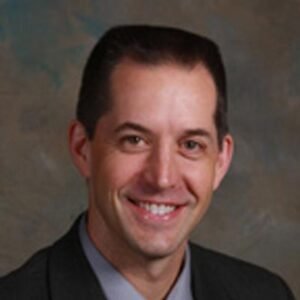
Dr. Lisa D. Santos Plastic Surgeon
Dr. Lisa D. Santos is a board-certified plastic surgeon providing reconstructive and cosmetic surgical care in Houston, Texas.
Her specialty covers procedures that repair, restore, or reshape areas of the body. Patients may seek plastic surgery after an injury, previous operation, medical condition, pregnancy-related physical change, or concern that affects comfort or daily function.
Dr. Santos has more than four decades of medical experience. Her education includes general surgery, plastic surgery, and additional fellowship training in cosmetic surgery.
A consultation with a plastic surgeon does not require a patient to proceed with treatment. It is an opportunity to discuss the concern, learn which options may be medically suitable, and understand the expected benefits, limitations, recovery requirements, and possible complications.
Doctor Information
Name: Dr. Lisa Diane Santos, MD
Specialty: Plastic Surgery
Board Certification: American Board of Plastic Surgery
Medical School: Texas Tech University Health Sciences Center School of Medicine
Medical Degree Completed: 1984
General Surgery Residency: University of Kentucky
Plastic Surgery Residency: University of Texas Health Science Center at Houston
Additional Plastic Surgery Training: Integrated plastic surgery residency through a Northwell-affiliated programme
Fellowship: Cosmetic Surgery, Manhattan Eye, Ear and Throat Hospital
Undergraduate Education: Southern Methodist University
Practice: Lisa D. Santos, MD
Primary Location: Houston, Texas
Hospital Affiliation: HCA Houston Healthcare Medical Center
Professional Membership: American Society of Plastic Surgeons
Languages Listed: English, with some public profiles also listing Spanish
NPI Number: 1942209986
Accepting New Patients: Current availability should be confirmed directly with the office
About Dr. Lisa D. Santos
Dr. Santos completed undergraduate studies at Southern Methodist University before attending Texas Tech University Health Sciences Center School of Medicine.
She received her medical degree in 1984 and then entered postgraduate surgical training. Her early surgical education included internship and general surgery residency training at the University of Kentucky.
Dr. Santos later completed specialised plastic surgery training at the University of Texas Health Science Center at Houston. Public professional records also list further integrated plastic surgery training through a Northwell-affiliated programme.
She completed additional cosmetic surgery fellowship training at Manhattan Eye, Ear and Throat Hospital in New York.
This combination of general surgery, plastic surgery, and fellowship education prepared her to assess both reconstructive and appearance-related concerns.
Plastic surgery requires attention to anatomy, healing, tissue movement, scarring, body function, symmetry, and the patient’s health. The most suitable approach depends on the reason for treatment rather than appearance alone.
Plastic and Reconstructive Surgery
Plastic surgery includes reconstructive and cosmetic care.
Reconstructive procedures aim to repair an area affected by:
- Injury
- Previous surgery
- Congenital difference
- Cancer treatment
- Infection
- Significant scarring
- Tissue loss
- Functional limitation
Cosmetic procedures are elective treatments intended to change a physical feature when there is no urgent medical need.
Some procedures include both reconstructive and cosmetic elements. For example, breast or abdominal surgery may address physical discomfort, tissue changes, asymmetry, or appearance at the same time.
Dr. Santos may discuss which parts of a proposed procedure are medically necessary, which are elective, and what improvement can reasonably be expected.
Conditions Evaluated by a Plastic Surgeon
Depending on her current clinical services, Dr. Santos may assess concerns involving:
- Breast size or shape
- Breast asymmetry
- Changes after pregnancy
- Changes after significant weight loss
- Excess or loose skin
- Abdominal wall changes
- Eyelid tissue
- Facial ageing
- Localised fat deposits
- Scars
- Skin and soft-tissue injuries
- Previous surgical results
- Reconstructive needs after medical treatment
Not every concern requires surgery.
Some patients may benefit from observation, non-surgical care, treatment by another specialist, or no medical intervention.
Reconstructive Surgery
Reconstructive surgery aims to restore form, protection, movement, or comfort after tissue has been damaged or removed.
A reconstructive plan may consider:
- The location of the affected area
- Amount and quality of available tissue
- Previous operations
- Blood supply
- Scarring
- Infection history
- General health
- Smoking or nicotine exposure
- Diabetes
- Medication
- Functional needs
- Personal treatment goals
Reconstruction may involve closing a wound, rearranging nearby tissue, using a skin graft, transferring tissue, or revising an earlier surgical result.
The technique depends on the condition and the amount of repair required.
Cosmetic Surgery Consultation
A cosmetic surgery consultation should provide enough information for the patient to make a careful and voluntary decision.
Dr. Santos may discuss:
- The patient’s specific concern
- What change the patient hopes to achieve
- Whether that goal is medically realistic
- Available surgical and non-surgical choices
- Incision placement
- Expected scarring
- Anaesthesia
- Recovery time
- Activity restrictions
- Possible complications
- The possibility of additional treatment
- Financial and insurance considerations
A patient should not feel pressured to schedule surgery during the first consultation.
Elective treatment can be postponed or declined after the risks and likely results are reviewed.
Breast Surgery
Plastic surgeons may provide several types of breast surgery depending on their current practice and the patient’s needs.
These can include:
- Breast augmentation
- Breast lift
- Breast reduction
- Implant removal
- Implant replacement
- Correction of breast asymmetry
- Revision after an earlier operation
- Reconstruction after breast treatment
Each procedure addresses a different concern.
A breast lift changes the position and shape of breast tissue but does not provide the same result as an implant. Breast augmentation adds volume but may not fully correct significant skin looseness.
Some patients may require a combined procedure, while others may be better served by one operation alone.
Breast Augmentation
Breast augmentation uses implants or, in selected cases, transferred fat to increase breast volume or change shape.
A consultation may cover:
- Implant type
- Implant size
- Implant profile
- Placement above or below the chest muscle
- Incision location
- Existing breast tissue
- Skin elasticity
- Asymmetry
- Expected scarring
- Future monitoring
- Possibility of revision surgery
Implants are medical devices and are not considered lifetime devices.
A patient may later need imaging, replacement, removal, or another procedure because of ageing, physical changes, implant complications, or personal preference.
The goal should be a result that is proportionate to the patient’s anatomy and does not create unrealistic expectations.
Breast Implant Revision
A patient with existing implants may seek evaluation because of:
- Implant age
- Change in breast shape
- Implant movement
- Asymmetry
- Firm scar tissue
- Discomfort
- Rupture concern
- Changes after pregnancy
- Changes after weight loss
- Preference for a different size
- Desire to remove implants
Revision surgery may be more complex than the original augmentation because scar tissue and previous surgical changes must be considered.
Treatment may involve implant replacement, removal, scar-tissue treatment, breast lift, or a combination of procedures.
Breast Implant Removal
Some patients decide to have implants removed without replacing them.
Reasons may include discomfort, implant complications, personal preference, or a change in health priorities.
Dr. Santos may assess:
- Implant type and age
- Breast tissue
- Skin elasticity
- Scar tissue
- Possible rupture
- Existing symptoms
- Previous operative records
- Whether a breast lift may be considered
The breast may not return to its pre-augmentation appearance after removal because the skin and tissue may have changed over time.
A careful consultation helps establish realistic expectations.
Breast Lift
A breast lift, also called mastopexy, reshapes and raises breast tissue by removing selected excess skin and repositioning tissue.
It may be considered after:
- Pregnancy
- Breastfeeding
- Weight change
- Age-related tissue changes
- Loss of skin elasticity
- Previous breast procedures
A lift can improve position and contour, but it creates permanent scars.
The number and location of incisions depend on how much tissue needs to be reshaped.
Patients should discuss future pregnancy plans because pregnancy and major weight changes can alter the result.
Breast Reduction
Breast reduction removes selected skin, fat, and glandular tissue to reduce breast size.
It may be considered when breast weight contributes to:
- Neck discomfort
- Shoulder pain
- Back pain
- Skin irritation
- Bra-strap pressure
- Difficulty exercising
- Difficulty finding supportive clothing
- Limits on physical activity
Breast reduction may have both functional and appearance-related benefits.
Insurance coverage varies. Some plans require documentation of symptoms, non-surgical treatment, medical photographs, or a minimum estimated amount of tissue removal.
Abdominal Surgery
Abdominal plastic surgery may address excess skin, weakened tissue, or changes in the abdominal wall.
Patients may seek evaluation after:
- Pregnancy
- Significant weight loss
- Previous abdominal surgery
- Age-related changes
- Separation of abdominal muscles
- Persistent skin irritation
- Difficulty with hygiene
- Physical discomfort from excess tissue
The recommended operation depends on skin quality, fat distribution, muscle condition, scarring, and general health.
Tummy Tuck
A tummy tuck, also called abdominoplasty, removes selected excess abdominal skin and may tighten weakened tissue.
It is not a general method for weight loss.
The operation may involve:
- A lower abdominal incision
- Removal of excess skin
- Repositioning of the navel
- Repair of separated abdominal muscles
- Limited fat removal
- Drain placement in some cases
Recovery may involve several weeks of restricted lifting and physical activity.
Patients should ideally be near a stable weight and consider whether future pregnancy is likely because pregnancy can change the surgical result.
Abdominal Muscle Separation
Pregnancy or significant abdominal stretching may contribute to separation of the central abdominal muscles, known as diastasis recti.
Possible concerns include:
- Abdominal bulging
- Reduced core support
- Changes in abdominal shape
- Difficulty engaging the abdominal muscles
- Discomfort during movement
Physical therapy may help some patients improve strength and function.
Surgical repair may be considered when separation is significant and the patient is already undergoing abdominal surgery.
The diagnosis should be distinguished from a hernia, which may require evaluation by a general surgeon.
Liposuction
Liposuction removes selected localised fat through small incisions.
It may be used in areas such as the:
- Abdomen
- Waist
- Hips
- Thighs
- Upper arms
- Back
- Neck or chin region
Liposuction is not a treatment for general obesity and does not reliably tighten loose skin.
The best candidates usually have reasonably stable body weight and enough skin elasticity to adapt after fat removal.
Potential concerns include contour irregularity, fluid collection, numbness, asymmetry, infection, bleeding, and blood clots.
The amount treated during one procedure must remain within safe medical limits.
Body Contouring After Weight Loss
Major weight loss can improve health but may leave loose skin that does not contract fully.
Plastic surgery may address excess tissue affecting the:
- Abdomen
- Arms
- Thighs
- Breasts
- Back
- Lower body
Treatment is usually planned in stages rather than performing every procedure at once.
Patients should generally have a stable weight, appropriate nutrition, controlled medical conditions, and realistic recovery support.
Large body-contouring procedures may create long incisions and permanent scars. The likely functional improvement must be weighed against healing time and surgical risk.
Eyelid Surgery
Eyelid surgery, or blepharoplasty, removes or repositions selected tissue around the upper or lower eyelids.
It may address:
- Excess upper-eyelid skin
- Puffiness
- Lower-eyelid bags
- Skin folds
- Visual-field obstruction in selected cases
- Changes around the eyes associated with ageing
Upper-eyelid tissue that interferes with vision may require visual-field testing and documentation when insurance coverage is being considered.
Dry-eye symptoms, previous eye procedures, thyroid eye disease, and other medical conditions should be discussed before surgery.
Facial Surgery
Depending on her current services, Dr. Santos may assess concerns involving facial tissue, eyelids, neck contour, or age-related structural changes.
A facial consultation may consider:
- Skin quality
- Bone structure
- Fat distribution
- Muscle movement
- Previous procedures
- Existing scars
- Medical conditions
- Healing risks
- The patient’s specific goal
Facial surgery should preserve normal expression and function while aiming for a realistic change.
Photographs may be used for planning and to document the condition before treatment.
Scar Revision
Scars naturally form when skin heals after injury or surgery.
Their appearance may be influenced by:
- Wound depth
- Infection
- Tension
- Skin type
- Genetics
- Location
- Sun exposure
- Nicotine use
- Previous treatment
Scar revision may improve a scar’s width, position, texture, or visibility, but it cannot remove a scar completely.
Treatment may include:
- Silicone products
- Sun protection
- Steroid injection
- Laser treatment
- Surgical revision
- Other selected therapies
The appropriate time for treatment depends on the scar’s age and whether it is still changing.
Revision Plastic Surgery
Revision surgery may be considered when a patient has continuing concerns after an earlier procedure.
Reasons may include:
- Asymmetry
- Unexpected scarring
- Implant concerns
- Tissue movement
- Contour irregularity
- Incomplete improvement
- Changes caused by ageing or pregnancy
- A medical complication
The surgeon must understand the original operation and how the tissues have healed.
Patients should bring previous operative reports, implant information, photographs, and medical records whenever available.
Revision surgery cannot always create the result that was originally expected. Scar tissue and reduced tissue flexibility may limit what can safely be changed.
Non-Surgical Options
Not every concern requires an operation.
Depending on the issue and Dr. Santos’s current services, non-surgical choices may include:
- Observation
- Skin care
- Injectable treatments
- Laser or energy-based treatment
- Scar management
- Physical therapy
- Referral to dermatology
- Referral to another surgical specialist
Non-surgical procedures still have risks and should be performed only after the patient understands what the treatment can and cannot accomplish.
Results are often temporary, and repeated sessions may be required.
Surgical Candidacy
A patient’s general health can affect whether elective surgery is reasonably safe.
Dr. Santos may review:
- Heart and lung health
- Blood pressure
- Diabetes
- Bleeding history
- Blood-clot history
- Current weight stability
- Nutrition
- Nicotine exposure
- Current medicines
- Previous anaesthesia reactions
- Existing infection
- Ability to follow recovery restrictions
- Support available at home
A planned procedure may need to be postponed when a medical condition is not well controlled.
A primary care physician or another specialist may be asked to provide preoperative assessment.
Nicotine and Surgical Healing
Nicotine can reduce blood flow to healing tissue.
This can increase the risk of:
- Delayed healing
- Wound separation
- Infection
- Tissue loss
- More noticeable scarring
- Poorer surgical results
Nicotine exposure can come from cigarettes, vaping products, nicotine gum, patches, or other sources.
Patients should answer questions about nicotine honestly so the surgical team can assess risk and provide appropriate instructions.
Testing may be required before selected procedures.
Diabetes and Plastic Surgery
Diabetes can affect healing and infection risk, particularly when blood glucose is not well controlled.
Preoperative planning may include:
- A1C testing
- Review of home glucose results
- Medication instructions
- Nutrition assessment
- Wound-risk discussion
- Coordination with primary care or endocrinology
Some diabetes medicines require special instructions around anaesthesia and fasting.
Patients should not stop insulin or another prescribed treatment unless the responsible medical team gives clear directions.
Medication Review Before Surgery
Patients should give Dr. Santos a complete list of:
- Prescription medicines
- Blood thinners
- Diabetes medicines
- Non-prescription pain relievers
- Vitamins
- Herbal products
- Supplements
- Weight-management medicines
- Hormonal treatments
Some products can increase bleeding, affect anaesthesia, change blood glucose, or interact with postoperative medicines.
The surgical and prescribing teams should decide whether any medicine needs to be adjusted.
Patients should not make changes independently.
Preoperative Evaluation
Before surgery, patients may need:
- Medical history review
- Physical examination
- Blood tests
- Pregnancy testing when relevant
- Heart testing in selected cases
- Imaging
- Mammography before certain breast procedures
- Anaesthesia assessment
- Medical clearance
- Infection screening
- Photographs for planning
The required testing depends on age, procedure, medical history, and type of anaesthesia.
Testing does not remove every risk, but it can identify concerns that should be managed before surgery.
Anaesthesia
Plastic surgery may be performed under:
- Local anaesthesia
- Local anaesthesia with sedation
- General anaesthesia
The choice depends on the procedure, treatment area, duration, and patient’s health.
Patients should report:
- Previous anaesthesia reactions
- Sleep apnoea
- Heart or lung disease
- Medication allergies
- Nausea after earlier surgery
- Family history of anaesthesia complications
- Loose teeth or dental appliances
- Current respiratory illness
Fasting instructions must be followed carefully to reduce anaesthesia-related risk.
Surgical Risks
Every operation has possible complications.
Risks may include:
- Bleeding
- Infection
- Scarring
- Fluid collection
- Delayed healing
- Numbness
- Pain
- Asymmetry
- Blood clots
- Anaesthesia complications
- Tissue damage
- Need for revision surgery
- Dissatisfaction with the result
The type and likelihood of complications vary according to the procedure, patient’s health, and extent of surgery.
Patients should ask which risks are most relevant to their specific operation rather than relying only on a general consent form.
Realistic Expectations
Plastic surgery may create a meaningful change, but it cannot guarantee perfection or exact symmetry.
Healing differs between patients, and results may be affected by:
- Swelling
- Scarring
- Tissue quality
- Age
- Genetics
- Weight change
- Pregnancy
- Sun exposure
- Nicotine
- Medical conditions
- Normal ageing
Photographs can help explain likely outcomes, but another patient’s result cannot predict an identical result.
A responsible surgical plan should aim for realistic improvement while protecting health and function.
Recovery After Plastic Surgery
Recovery depends on the procedure and the patient’s health.
Instructions may cover:
- Incision care
- Dressings
- Drain management
- Compression garments
- Pain medicine
- Showering
- Sleeping position
- Walking
- Lifting restrictions
- Driving
- Returning to work
- Exercise
- Follow-up visits
Swelling and bruising are common after many procedures and may take time to improve.
The early appearance is not always the final result. Tissue can continue settling and scars can continue changing for many months.
Surgical Drains
Some plastic surgery procedures use temporary drains to remove fluid from the surgical area.
Patients may be asked to:
- Empty the drain
- Measure fluid output
- Record the amount
- Keep the site clean
- Avoid pulling the tubing
- Bring the record to follow-up visits
Drains are removed when the surgeon determines that the output and healing are appropriate.
Patients should follow the office’s instructions if the drain stops working, becomes dislodged, or the surrounding area changes.
Compression Garments
Compression garments may be recommended after procedures such as liposuction, breast surgery, or abdominal surgery.
They may help:
- Support healing tissues
- Control swelling
- Improve comfort
- Protect the surgical area
- Hold dressings in place
A garment that is too tight can create pressure and circulation problems.
Patients should use the recommended size and follow instructions about how long it should be worn.
Scarring After Surgery
All operations involving an incision leave a scar.
Scars commonly change over time. They may initially appear red, raised, firm, or darker before gradually becoming softer and less noticeable.
Scar care may involve:
- Keeping the incision protected
- Avoiding nicotine
- Following wound-care instructions
- Sun protection
- Silicone treatment when recommended
- Avoiding tension on the incision
- Attending follow-up visits
Some people develop thick or raised scars because of individual healing patterns.
No treatment can promise an invisible scar.
Follow-Up Appointments
Postoperative visits allow Dr. Santos to assess:
- Incision healing
- Swelling
- Bruising
- Pain
- Drain output
- Signs of infection
- Scar development
- Tissue position
- Return to activity
- Need for additional care
Patients should attend follow-up appointments even when recovery seems normal.
Some complications begin subtly and are easier to manage when identified early.
Choosing a Plastic Surgeon
Patients considering plastic surgery should review:
- Board certification
- Training in the planned procedure
- Hospital privileges
- Facility accreditation
- Anaesthesia arrangements
- Follow-up availability
- Emergency plans
- Clear explanation of risks
- Written financial policies
- Realistic treatment recommendations
Dr. Santos is listed by the American Society of Plastic Surgeons as a US board-certified member.
Professional credentials are important, but patients should also consider whether communication is clear and whether they feel able to ask difficult questions.
Questions to Ask at a Consultation
Useful questions may include:
- What diagnosis or concern are you treating?
- Is surgery necessary?
- What alternatives are available?
- Which procedure do you recommend?
- Where will the surgery take place?
- Who will provide anaesthesia?
- Which scars should I expect?
- What are the most important risks?
- How long is recovery?
- When can I return to school, work, or exercise?
- Could I need another operation?
- What follow-up care is included?
- What happens if a complication develops?
Patients should receive clear answers before signing consent documents or making a financial commitment.
Preparing for a Consultation
Patients can prepare by bringing:
- A current medication list
- Allergy information
- Previous surgical records
- Implant records
- Relevant imaging
- Mammography reports when applicable
- Information about medical conditions
- Details of previous anaesthesia
- Notes about nicotine use
- Questions about treatment
Patients should explain what concerns them and what result they consider meaningful.
Clear goals help the surgeon determine whether the desired change is realistic and medically appropriate.
Coordinated Surgical Care
Plastic surgery may require coordination with:
- Primary care physicians
- Breast surgeons
- General surgeons
- Dermatologists
- Oncologists
- Physical therapists
- Anaesthesiologists
- Wound-care specialists
- Other reconstructive surgeons
Coordination is especially important when reconstruction follows cancer care, trauma, major weight loss, or an earlier operation.
Patients researching other surgical specialists can also review Dr. Daniel H. Kim’s neurosurgical and spine care and Dr. Kim J. Garges’s orthopedic spine profile.
Patient-Centered Plastic Surgery
Dr. Santos provides plastic surgery care based on each patient’s health, anatomy, previous treatment, healing risks, functional concerns, and individual goals.
Her training includes general surgery, plastic surgery, and additional cosmetic surgery fellowship education. Her practice may include reconstructive procedures, breast surgery, abdominal surgery, body contouring, facial procedures, scar treatment, and revision care.
Patients should confirm current appointment availability, accepted insurance plans, available procedures, surgical facilities, hospital participation, and financial policies directly with Dr. Santos’s office.

Reviews
There are no reviews yet.