

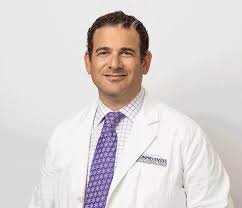
Dr. Maria C. Yates Pediatric Cardiologist
Dr. Maria C. Yates is a board-certified pediatric cardiologist providing diagnostic and continuing care for babies, children, teenagers, and young adults with heart conditions.
Her clinical work includes congenital heart disease, heart murmurs, chest pain, fainting, palpitations, abnormal heart rhythms, high blood pressure, and heart-related symptoms that occur during exercise.
Dr. Yates also evaluates newborns and children whose heart conditions are identified during pregnancy, shortly after birth, or later during childhood. Some patients need only one reassuring assessment, while others require regular monitoring as they grow.
She practises with Pediatric Cardiology Associates of Houston and sees patients through Houston-area clinical locations.
Doctor Information
Name: Dr. Maria Christian Yates, MD
Specialty: Pediatric Cardiology
Board Certification: Pediatric Cardiology
Undergraduate Education: McNeese State University
Graduate Education: Tulane University
Medical School: Louisiana State University Health Sciences Center in New Orleans
Residency: Pediatrics, University of Texas Health Science Center at Houston
Fellowship: Pediatric Cardiology, University of Texas Health Science Center at Houston
Practice: Pediatric Cardiology Associates of Houston
Primary Clinical Area: Houston, Texas
Hospital Affiliations: HCA Houston Healthcare Kingwood and The Woman’s Hospital of Texas
Patient Age Groups: Newborns, infants, children, teenagers, and selected young adults
Accepting New Patients: Yes, according to current Houston Methodist information
Telemedicine: Current availability should be confirmed directly with the practice
About Dr. Maria C. Yates
Dr. Yates grew up in Southwest Louisiana and attended McNeese State University for her undergraduate education.
She continued her academic studies at Tulane University in New Orleans before attending Louisiana State University Health Sciences Center for medical school.
After earning her medical degree, Dr. Yates completed pediatric residency training at the University of Texas Health Science Center at Houston. She remained at the same institution for advanced fellowship training in pediatric cardiology.
Pediatric cardiologists receive specialised education in heart conditions affecting developing babies, newborns, children, teenagers, and young adults.
A child’s heart differs from an adult heart in size, circulation, development, and the types of conditions most likely to occur. Some heart differences are present from birth, while others develop because of infection, inflammation, inherited conditions, blood pressure, or abnormal electrical activity.
Dr. Yates may evaluate a child after a primary care physician identifies a heart murmur, an abnormal pulse, high blood pressure, unusual tiredness, fainting, chest discomfort, or another concern.
Her assessment may include a medical history, physical examination, electrocardiogram, echocardiogram, rhythm monitoring, exercise testing, or additional imaging.
Pediatric Cardiology Services
Dr. Yates may evaluate concerns involving:
- Congenital heart disease
- Heart murmurs
- Chest pain
- Palpitations
- Fainting and dizziness
- Abnormal heart rhythms
- High blood pressure
- Shortness of breath
- Reduced exercise tolerance
- Cyanosis
- Cardiomyopathy
- Heart-valve disorders
- Aortic conditions
- Heart inflammation
- Family history of inherited heart disease
- Abnormal prenatal heart findings
- Follow-up after heart surgery
- Sports participation concerns
The correct evaluation depends on the child’s age, symptoms, family history, examination findings, and previous medical records.
Congenital Heart Disease
Congenital heart disease refers to a structural heart difference present at birth.
These conditions may affect:
- The heart’s internal walls
- Heart valves
- Major blood vessels
- Blood flow through the lungs
- Blood flow to the body
- The heart’s pumping chambers
Some congenital differences are mild and never cause significant symptoms. Others require medication, catheter-based treatment, surgery, or lifelong monitoring.
Dr. Yates may help families understand:
- The name of the heart condition
- Which structures are affected
- Whether normal blood flow is disrupted
- Which symptoms should be monitored
- Whether treatment is needed
- How often follow-up should occur
- Whether physical activity requires adjustment
- What to expect as the child grows
Care may involve coordination with pediatric heart surgeons, interventional cardiologists, imaging specialists, and the child’s primary doctor.
Atrial Septal Defect
An atrial septal defect is an opening between the heart’s two upper chambers.
Small openings may close naturally or remain without causing significant problems.
A larger opening may allow too much blood to move toward the lungs and can place additional strain on the right side of the heart.
Possible findings include:
- A heart murmur
- Frequent respiratory symptoms
- Reduced exercise tolerance
- Slow growth in selected cases
- Enlargement of heart chambers on imaging
Dr. Yates may monitor the opening with echocardiography.
Some defects can be closed through a catheter procedure, while others may require surgery. The decision depends on the size, location, blood-flow effect, and child’s age.
Ventricular Septal Defect
A ventricular septal defect is an opening between the lower pumping chambers of the heart.
Small defects may produce a noticeable murmur without causing serious symptoms.
Larger defects can allow excessive blood flow toward the lungs and may cause:
- Rapid breathing
- Difficulty feeding
- Sweating during feeds
- Slow weight gain
- Repeated respiratory symptoms
- Enlargement of the heart
Dr. Yates may monitor growth, breathing, heart size, and pressure within the lungs.
Some defects become smaller naturally. Others require medicine or surgical closure.
Patent Ductus Arteriosus
The ductus arteriosus is a normal fetal blood vessel that usually closes shortly after birth.
When it remains open, the condition is called patent ductus arteriosus.
A small opening may cause few symptoms. A larger one may increase blood flow to the lungs and make the heart work harder.
Possible findings include:
- A continuous heart murmur
- Rapid breathing
- Feeding difficulty
- Slow growth
- Frequent respiratory symptoms
Treatment may involve observation, medicine in selected premature babies, catheter-based closure, or surgery.
Tetralogy of Fallot
Tetralogy of Fallot is a congenital condition involving several connected structural differences within the heart.
It can reduce the amount of oxygen reaching the body.
Possible signs include:
- Bluish skin or lips
- Reduced oxygen levels
- Rapid breathing
- Difficulty feeding
- Poor growth
- Episodes of increased blueness
- Reduced activity tolerance
Children with tetralogy of Fallot generally require surgical care and continuing cardiology follow-up.
Dr. Yates may monitor heart function, oxygen levels, growth, valve function, and the results of previous surgery.
Coarctation of the Aorta
Coarctation of the aorta is a narrowing within the body’s main artery.
The narrowing can make it harder for the heart to pump blood to the lower body.
Possible findings include:
- High blood pressure in the arms
- Lower blood pressure in the legs
- Weak leg pulses
- Heart murmur
- Headaches in older children
- Reduced exercise tolerance
- Serious illness in newborns with severe narrowing
Treatment may involve surgery or catheter-based intervention.
Continued follow-up is important because high blood pressure or renewed narrowing can develop later.
Heart Murmurs
A heart murmur is a sound created by blood moving through the heart.
Many childhood murmurs are innocent, meaning the heart is structurally normal and the sound does not represent disease.
Other murmurs may be connected with:
- A hole between heart chambers
- A narrowed valve
- A leaking valve
- Increased blood flow
- Another structural difference
Dr. Yates may review the murmur’s location, timing, loudness, and associated physical findings.
An echocardiogram may be recommended when the examination suggests a structural concern or when symptoms are present.
Innocent Heart Murmurs
Innocent murmurs are common in healthy children.
They may become easier to hear when a child has:
- Fever
- Anemia
- Anxiety
- Recent physical activity
- Rapid growth
- A fast heart rate
An innocent murmur does not usually require medicine, surgery, or restriction from ordinary activity.
A pediatric cardiology evaluation can help confirm that the heart is functioning normally and provide reassurance to the family.
Chest Pain in Children
Chest pain in children is usually not caused by blocked coronary arteries.
Common causes may involve:
- Chest-wall muscles
- Rib joints
- Respiratory illness
- Asthma
- Acid reflux
- Stress
- Recent physical activity
Dr. Yates may pay particular attention when chest pain:
- Occurs during exercise
- Is associated with fainting
- Occurs with palpitations
- Is accompanied by unusual shortness of breath
- Appears in a child with known heart disease
- Occurs with a family history of inherited heart disease
Testing may include an electrocardiogram, echocardiogram, exercise test, or rhythm monitor.
Palpitations
Palpitations may feel like a racing, pounding, fluttering, or skipped heartbeat.
Children may have difficulty describing the sensation. Younger patients may simply report that their chest feels strange or that their heart is beating too fast.
Possible causes include:
- Normal response to exercise
- Anxiety
- Fever
- Dehydration
- Caffeine
- Medication
- Premature heartbeats
- Supraventricular tachycardia
- Another rhythm disorder
Dr. Yates may ask when episodes occur, how long they last, and whether dizziness, chest pain, breathing difficulty, or fainting occurs.
Because an abnormal rhythm may not happen during the office visit, portable monitoring may be useful.
Supraventricular Tachycardia
Supraventricular tachycardia is a rapid rhythm beginning in the upper part of the heart.
Symptoms may include:
- Sudden rapid heartbeat
- Palpitations
- Chest discomfort
- Dizziness
- Shortness of breath
- Unusual tiredness
- Feeding difficulty in babies
- Pale or sweaty appearance
Episodes may begin and end suddenly.
Treatment depends on age, frequency, duration, symptoms, and the specific electrical pathway involved.
Some children are treated with medication. Others may later be considered for an electrophysiology procedure.
Fainting and Syncope
Syncope is a temporary loss of consciousness caused by reduced blood flow to the brain.
Many fainting episodes in young people are connected with dehydration, prolonged standing, heat, stress, or a sudden change in blood pressure.
Dr. Yates may ask:
- What happened before the episode
- Whether warning symptoms occurred
- Whether it happened during exercise
- How long unconsciousness lasted
- Whether abnormal movements occurred
- How quickly the child recovered
- Whether there is a family history of sudden cardiac death
- Which medicines or supplements are being used
Testing may include an electrocardiogram, echocardiogram, exercise testing, or rhythm monitoring.
Fainting during exercise generally requires particularly careful evaluation.
Dizziness
Dizziness may be described as light-headedness, imbalance, spinning, or feeling close to fainting.
Possible causes include:
- Dehydration
- Low blood pressure
- Irregular meals
- Anemia
- Inner-ear conditions
- Medication
- Anxiety
- Abnormal heart rhythms
- Another medical condition
Dr. Yates may assess whether dizziness occurs during exercise, after standing, with palpitations, or alongside other cardiovascular symptoms.
The evaluation may require coordination with the child’s primary care physician or another specialist.
High Blood Pressure in Children
High blood pressure can affect children and teenagers.
Possible contributing factors include:
- Kidney disease
- Heart or blood-vessel conditions
- Hormonal disorders
- Sleep-related breathing problems
- Medication
- Family history
- Other medical risks
One high reading does not always confirm hypertension.
The correct cuff size, repeated measurements, and sometimes ambulatory blood-pressure monitoring are needed.
Dr. Yates may review blood pressure patterns, kidney health, heart structure, family history, sleep, medication, and other medical conditions.
Ambulatory Blood Pressure Monitoring
Ambulatory blood-pressure monitoring uses a portable device that takes readings during normal daytime activity and sleep.
It may help distinguish:
- Persistent hypertension
- Anxiety-related high office readings
- Hidden hypertension not seen during appointments
- Daytime and nighttime blood-pressure patterns
The results can provide a more complete picture than one clinic reading.
Abnormal Heart Rhythms
An arrhythmia is an abnormal heart rhythm.
The heart may beat:
- Too quickly
- Too slowly
- Irregularly
- With extra beats
- With pauses
Some rhythm changes are harmless. Others require monitoring or treatment.
Dr. Yates may use an electrocardiogram, Holter monitor, event monitor, or exercise test to identify the rhythm and determine whether symptoms occur at the same time.
Electrocardiogram
An electrocardiogram, often called an ECG or EKG, records the heart’s electrical activity through small adhesive sensors placed on the skin.
It may show:
- Heart rate
- Heart rhythm
- Electrical-conduction patterns
- Signs of chamber enlargement
- Findings associated with selected inherited conditions
- Changes requiring further assessment
The test is quick and does not send electricity into the body.
A normal ECG does not rule out every heart condition, especially when symptoms occur only occasionally.
Holter and Event Monitoring
A Holter monitor records the heart rhythm continuously, often for one or more days.
An event monitor may be worn for a longer period and records the rhythm when symptoms occur or when the device detects an abnormality.
These monitors may help evaluate:
- Palpitations
- Fainting
- Dizziness
- Rapid heartbeat
- Irregular pulse
- Symptoms during exercise
Families may be asked to keep a diary noting symptoms, activity, sleep, and medication.
Echocardiography
An echocardiogram uses ultrasound to create moving images of the heart.
It may assess:
- Heart structure
- Chamber size
- Pumping function
- Heart valves
- Blood-flow direction
- Pressure estimates
- Openings between chambers
- Major blood vessels
The test does not use radiation.
Young children may need additional support to remain still. The need for sedation depends on age, cooperation, and the type of study required.
Exercise Stress Testing
An exercise test assesses the heart during increasing physical activity.
The child may walk or run on a treadmill while the clinical team monitors:
- Heart rhythm
- Heart rate
- Blood pressure
- Symptoms
- Exercise tolerance
- Recovery
Testing may be useful for chest pain, palpitations, fainting, known heart disease, or sports-participation evaluation.
The results can help determine whether symptoms are reproduced during activity and whether the heart responds appropriately.
Cardiomyopathy
Cardiomyopathy is a disease affecting the heart muscle.
The muscle may become:
- Thickened
- Enlarged
- Weakened
- Unusually stiff
Possible symptoms include:
- Shortness of breath
- Poor feeding
- Slow growth
- Tiredness
- Chest discomfort
- Palpitations
- Fainting
- Reduced exercise ability
Some forms are inherited.
Evaluation may include echocardiography, electrocardiography, rhythm monitoring, MRI, blood testing, and family screening.
Treatment depends on the type and severity and may include medicine, activity guidance, implanted devices, or advanced heart care.
Hypertrophic Cardiomyopathy
Hypertrophic cardiomyopathy causes part of the heart muscle to become unusually thick.
Some children have no symptoms.
Others may experience:
- Chest discomfort during exercise
- Shortness of breath
- Palpitations
- Fainting
- Reduced exercise tolerance
Because the condition may run in families, parents and siblings may need screening.
Activity recommendations should be based on the individual child’s imaging, rhythm findings, symptoms, and family history.
Dilated Cardiomyopathy
Dilated cardiomyopathy causes the heart’s main pumping chamber to enlarge and weaken.
Possible symptoms in babies and children include:
- Rapid breathing
- Difficulty feeding
- Sweating during feeds
- Poor growth
- Tiredness
- Swelling
- Reduced activity
Treatment may involve heart-failure medicine, rhythm monitoring, nutrition support, and advanced cardiac care when heart function is severely reduced.
Heart Valve Conditions
Heart valves keep blood moving in the correct direction.
A valve may be:
- Narrowed
- Leaking
- Formed differently from birth
- Affected by infection or inflammation
Possible symptoms depend on the valve and severity.
Dr. Yates may monitor valve function through physical examinations and echocardiography.
Some children only require observation. Others may need catheter-based treatment or surgery.
Bicuspid Aortic Valve
A bicuspid aortic valve has two valve sections rather than the usual three.
It may function normally during childhood or gradually become narrowed or leaky.
The nearby aorta may also require monitoring.
Children with this condition may need periodic echocardiograms even when they feel well.
Activity guidance depends on valve function, aortic size, blood pressure, and other findings.
Kawasaki Disease
Kawasaki disease is an inflammatory condition that mainly affects young children.
It may involve prolonged fever and changes affecting the skin, eyes, mouth, hands, feet, and lymph nodes.
The condition can also affect the coronary arteries.
Pediatric cardiology follow-up may include echocardiograms to monitor:
- Coronary artery size
- Heart function
- Valve function
- Fluid around the heart
The length of follow-up depends on whether the coronary arteries remain normal or show changes.
Myocarditis
Myocarditis is inflammation of the heart muscle.
Possible causes include viral infection, immune reactions, and other medical conditions.
Symptoms may include:
- Chest pain
- Shortness of breath
- Rapid heartbeat
- Tiredness
- Reduced exercise tolerance
- Fainting
- Heart-failure symptoms
Evaluation may include blood testing, ECG, echocardiography, cardiac MRI, and rhythm monitoring.
Some children recover fully, while others require longer-term heart-function monitoring.
Pericarditis
Pericarditis is inflammation of the thin sac surrounding the heart.
Possible symptoms include:
- Sharp chest pain
- Pain that changes with position
- Fever
- Shortness of breath
- Rapid heartbeat
Testing may include an ECG, echocardiogram, blood work, and imaging.
Treatment depends on the cause and whether fluid has accumulated around the heart.
Cyanosis
Cyanosis is a bluish appearance of the lips, tongue, skin, or nail beds caused by reduced oxygen in the blood.
Possible causes include:
- Congenital heart disease
- Lung conditions
- Breathing problems
- Circulation changes
- Cold exposure affecting only the hands or feet
Dr. Yates may assess oxygen levels, heart structure, blood flow, and respiratory findings.
Persistent central blueness involving the lips or tongue requires medical assessment.
Shortness of Breath
Shortness of breath in children may result from:
- Asthma
- Respiratory infection
- Reduced physical conditioning
- Anemia
- Heart conditions
- Anxiety
- Other medical causes
Dr. Yates may consider whether the child also has chest pain, fainting, palpitations, swelling, a murmur, poor growth, or a known heart condition.
Testing should be selected according to the complete symptom pattern.
Prenatal Heart Concerns
A fetal ultrasound may sometimes identify a possible heart difference before birth.
When this occurs, families may be referred for specialised fetal heart imaging and planning.
A prenatal cardiac assessment can help determine:
- Which heart structures may be affected
- Whether the baby is stable before birth
- Whether delivery requires a specialist hospital
- Which doctors should be present after delivery
- Whether immediate treatment may be needed
- What additional testing is required after birth
Not every suspected prenatal abnormality is confirmed after detailed imaging.
Newborn Heart Evaluation
Newborns may be referred because of:
- A heart murmur
- Low oxygen screening
- Rapid breathing
- Feeding difficulty
- Poor circulation
- Bluish colouring
- An abnormal prenatal ultrasound
- Family history of congenital heart disease
Dr. Yates may perform an examination and arrange echocardiography or other testing.
Some conditions require immediate treatment, while others can be monitored through outpatient visits.
Feeding and Growth Concerns
Heart disease can sometimes make feeding more physically demanding for a baby.
Signs may include:
- Taking a long time to feed
- Sweating while feeding
- Rapid breathing
- Frequent pauses
- Tiring before finishing
- Slow weight gain
Dr. Yates may assess whether heart function or blood flow contributes to these symptoms.
Care may require cooperation with the child’s primary doctor, nutrition professionals, and feeding specialists.
Sports Cardiology Evaluation
Children and teenagers may be referred before participating in sports because of symptoms, examination findings, or family history.
Dr. Yates may review:
- Chest pain during activity
- Fainting during exercise
- Palpitations
- Unusual shortness of breath
- Known congenital heart disease
- Cardiomyopathy
- Previous heart surgery
- Family history of sudden cardiac death
- Abnormal ECG findings
Not every heart condition prevents sports participation.
Recommendations should be based on the individual diagnosis, severity, treatment, rhythm findings, and type of activity.
Family History of Heart Disease
Families should tell Dr. Yates about close relatives with:
- Congenital heart disease
- Cardiomyopathy
- Serious rhythm disorders
- Pacemaker or defibrillator placement at a young age
- Unexplained fainting
- Aortic disease
- Sudden unexplained death
- Known inherited cardiac conditions
This information may change which tests are recommended.
In selected cases, parents, siblings, or other relatives may also require screening.
Follow-Up After Heart Surgery
Children who have undergone cardiac surgery may need long-term monitoring even when they feel well.
Follow-up may assess:
- Heart function
- Valve performance
- Blood-flow pathways
- Surgical repairs
- Blood pressure
- Heart rhythm
- Exercise tolerance
- Growth and development
Some repaired congenital conditions require periodic care into adulthood.
Dr. Yates may help families understand the expected follow-up schedule and whether future care should transition to an adult congenital heart specialist.
Medication Management
Children with heart conditions may use medicines for:
- Heart function
- Blood pressure
- Fluid management
- Abnormal rhythms
- Blood-clot prevention
- Other cardiac needs
Dr. Yates may consider the child’s age, weight, kidney function, heart condition, and other medicines when selecting a dose.
Parents should provide an accurate list of prescriptions, non-prescription products, vitamins, and supplements.
Heart medicine should not be stopped or changed without instructions from the prescribing clinical team.
Preparing for a Pediatric Cardiology Appointment
Families can prepare by bringing:
- The child’s medication list
- Primary care records
- Previous ECG results
- Echocardiogram reports
- Rhythm-monitor results
- Hospital discharge documents
- Heart surgery reports
- Prenatal ultrasound records
- Family heart history
- A list of medicine allergies
- Questions about activity or treatment
It may help to record:
- When symptoms began
- How often they occur
- Whether exercise triggers them
- How long episodes last
- Whether dizziness or fainting occurs
- Whether the child becomes unusually tired
- Whether feeding or growth is affected
A clear description can help Dr. Yates decide which tests are most useful.
Helping Children During Heart Testing
Medical testing can feel unfamiliar to a child.
Parents can help by:
- Explaining the visit in simple language
- Avoiding frightening descriptions
- Bringing a comfort item
- Allowing extra time
- Writing down the child’s questions
- Following preparation instructions
- Remaining calm during testing
Most common pediatric cardiology tests are non-surgical and cause little or no discomfort.
Coordinated Pediatric Heart Care
Pediatric heart conditions may require cooperation with:
- Pediatricians
- Pediatric heart surgeons
- Interventional cardiologists
- Electrophysiologists
- Fetal medicine specialists
- Genetic professionals
- Pulmonologists
- Nutrition professionals
- Physical therapists
- School healthcare teams
Coordination is particularly important for children with complex congenital heart disease, rhythm conditions, feeding problems, or previous surgery.
Families looking for neurological care for a child or teenager should seek an appropriately trained pediatric neurological specialist rather than assuming every adult neurologist treats younger patients.
Patient-Centered Pediatric Cardiology
Dr. Yates provides pediatric heart care based on each child’s age, symptoms, examination findings, heart structure, rhythm results, growth, medical history, and family circumstances.
Her clinical services may include heart-murmur evaluation, congenital heart-disease monitoring, chest-pain assessment, rhythm testing, blood-pressure care, echocardiography, sports clearance, and follow-up after cardiac surgery.
Families should confirm current appointment availability, accepted insurance plans, age limits, clinical locations, hospital participation, telemedicine options, and referral requirements directly with Pediatric Cardiology Associates of Houston.


Reviews
There are no reviews yet.