

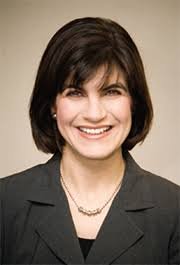
Dr. Kimberly Lazarus, MD Pediatrics
Dr. Kimberly Darlene Lazarus, MD, is a board-certified pediatrician in Houston, Texas, providing medical care for infants, children, and adolescents. Her practice includes preventive pediatric care, well-child visits, growth and developmental monitoring, childhood immunizations, common illnesses, and health concerns that develop as children move into adolescence. She currently practices at the MD Kids Pediatrics Louetta location in northwest Houston.
Dr. Lazarus graduated from Baylor College of Medicine in 2002 and completed her Pediatrics residency at Inova Fairfax Medical Campus and Inova Children’s Hospital from 2002 through 2005. She is certified in Pediatrics by the American Board of Pediatrics and is a Fellow of the American Academy of Pediatrics.
Patients looking for other physicians who care for children can also browse the Doctiplus Pediatrics category, which includes pediatricians focused on children’s health, growth, development, preventive care, vaccinations, and treatment of common childhood illnesses.
Pediatric Primary Care
Pediatrics focuses on healthcare from infancy through adolescence. Pediatricians monitor physical growth and development while also helping families manage common illnesses, preventive healthcare, vaccinations, and longer-term medical concerns.
Dr. Lazarus is currently identified by MD Kids Pediatrics as a board-certified pediatrician. Doximity also lists Pediatrics as her primary specialty and notes Adolescent Medicine as an area associated with her professional practice.
Maintaining an ongoing relationship with a pediatrician can make it easier to recognize changes over time. Growth measurements, developmental progress, vaccination history, previous illnesses, medications, and family medical history can all provide useful context when a new concern develops.
Pediatric care also involves working closely with parents and caregivers. Dr. Lazarus describes listening to both children and parents as an important part of her approach and notes that she adjusts her history-taking and examination approach for children with different abilities and needs.
Well-Child Visits
Well-child appointments are an important part of pediatric healthcare even when a child appears healthy.
The American Academy of Pediatrics recommends a schedule of regular well-child visits. These appointments give pediatricians and families an opportunity to monitor physical, mental, and social health while building an ongoing relationship around the child’s medical needs.
A routine visit may include growth measurements, a physical examination, review of developmental progress, immunization updates, and discussion of questions that parents or caregivers have about the child’s health.
The exact focus changes as a child gets older. Infant visits may concentrate heavily on feeding, growth, sleep, and early development, while appointments for school-age children and adolescents may include school performance, physical activity, emotional health, and increasing independence.
Regular preventive visits can also provide a more complete picture of a child’s health than appointments that occur only during illness.
Newborn And Infant Care
The first year of life includes rapid physical and developmental changes.
Pediatric appointments during infancy can help families monitor weight gain, growth, feeding, sleep patterns, physical development, vaccinations, and other age-related concerns.
Parents may also have questions about changes that are completely new to them, particularly with a first child. A pediatrician can help distinguish common developmental changes from symptoms that may require closer medical evaluation.
Dr. Lazarus explains that her own experience raising three children helps her understand the concerns families can have when caring for both sick infants and older children. She describes her approach as meeting children at their level while also taking time to listen to parents.
For newborn patients, bringing hospital records, newborn screening information, feeding details, and available vaccination records can help establish a clear starting point for continuing pediatric care.
Growth Monitoring
Growth is an important indicator of childhood health, but it is most useful when evaluated as a pattern over time rather than as one isolated measurement.
At routine checkups, pediatric healthcare teams commonly measure characteristics such as height or length and weight. These measurements can then be considered alongside age, development, nutrition, previous measurements, and medical history.
Current clinical listings associated with Dr. Lazarus include experience with growth problems and weight-related concerns in children and adolescents. WebMD identifies growth problems and overweight in children and teens among conditions commonly encountered in her practice.
A change in a child’s growth pattern does not automatically identify one particular illness. Nutrition, genetics, hormonal conditions, chronic disease, medications, and developmental differences can all influence growth.
When growth does not follow an expected pattern, the pediatrician can determine whether continued observation, laboratory testing, dietary review, or specialist consultation is appropriate.
Developmental Monitoring
Child development includes communication, movement, learning, behavior, social interaction, and the ability to perform increasingly complex activities.
Developmental monitoring is therefore broader than simply measuring physical growth.
The CDC provides developmental milestone resources from infancy onward and encourages families to track developmental progress and discuss concerns with a child’s healthcare professional.
A pediatrician can consider what parents observe at home alongside findings during routine medical visits.
Some children develop particular skills earlier or later than others. When a developmental concern is significant or persistent, further evaluation can help determine whether additional services or specialist assessment may be useful.
Current clinical information associated with Dr. Lazarus also includes developmental problems and autism spectrum disorder among conditions seen within her pediatric practice.
Vaccinations
Vaccination is an important component of preventive pediatric healthcare.
The CDC maintains age-based immunization schedules for children and adolescents. These schedules cover recommended vaccines from infancy through the teenage years, while additional recommendations can apply to children with particular health conditions, travel plans, or missed previous doses.
Current clinical information for Dr. Lazarus shows childhood and adolescent immunizations among procedures commonly provided within her practice.
Families changing pediatricians should bring the child’s vaccination record whenever possible. A complete record helps the new physician determine what has already been given and what may still be due.
Parents with questions about a particular vaccine can discuss those concerns during the visit so recommendations can be considered in the context of the child’s medical history.
Common Childhood Illnesses
Children frequently experience acute illnesses, particularly respiratory and gastrointestinal infections.
Current clinical listings associated with Dr. Lazarus include upper respiratory infections, fever, sore throat, ear infections, viral gastroenteritis, rhinitis, and other common pediatric conditions.
Most childhood illnesses are temporary, but symptoms can sometimes overlap between several different conditions.
A pediatrician can evaluate the child’s age, symptoms, examination findings, medical history, and duration of illness before determining whether testing or treatment is appropriate.
Parents can help by describing when symptoms began, whether they are becoming better or worse, whether the child is drinking and eating normally, and whether there are other changes in behavior or activity.
Severe or rapidly worsening symptoms may require urgent medical evaluation rather than waiting for a routine appointment.
Ear Infections
Ear infections are common during childhood and appear among the conditions associated with Dr. Lazarus’s clinical practice.
Children with ear problems may develop discomfort, fever, irritability, hearing changes, or other symptoms.
Treatment depends on factors such as age, examination findings, symptom severity, and whether infections repeatedly return.
Recurrent ear problems or persistent hearing concerns may sometimes lead to additional evaluation by an ear, nose, and throat specialist or audiologist.
A pediatrician often serves as the first point of assessment and can determine when a more specialized referral is appropriate.
Allergies And Rhinitis
Current physician listings also associate Dr. Lazarus with allergic rhinitis and other allergy-related symptoms.
Children with nasal allergies may experience congestion, sneezing, drainage, itching, or recurring symptoms at particular times or around certain environmental triggers.
Because respiratory infections can produce similar symptoms, examining the overall pattern can help determine whether allergies are likely.
Management may involve reducing exposure to known triggers, medication when appropriate, or further allergy evaluation for persistent or more complicated symptoms.
Parents should review medication use with the child’s healthcare professional because dosing and appropriate treatments can vary by age.
Respiratory Concerns
Respiratory symptoms are another common reason children are brought to a pediatrician.
WebMD’s current clinical data identify respiratory problems among conditions frequently treated by Dr. Lazarus.
Coughing, congestion, breathing discomfort, and other respiratory symptoms can result from infections, allergies, asthma, or other conditions.
The medical history can be particularly useful when symptoms repeatedly return or occur in a recognizable pattern.
Parents can note whether symptoms are associated with activity, sleep, illness, weather changes, environmental exposure, or particular seasons.
Persistent breathing concerns may require additional testing or consultation with a pediatric pulmonary or allergy specialist.
Adolescent Medicine
Doximity identifies Adolescent Medicine as an area associated with Dr. Lazarus’s pediatric practice.
Adolescence brings medical needs that differ in several ways from those of younger children.
Routine appointments may address growth and development, nutrition, sleep, physical activity, school, emotional well-being, vaccinations, and preparation for increasing responsibility for personal healthcare.
The American Academy of Pediatrics notes that adolescent well-child visits are designed to help young people gradually become more involved in their own healthcare.
A long-term pediatric relationship can make this transition easier because the physician may already be familiar with the patient’s childhood medical history and development.
Childhood Weight And Nutrition
Current professional data identify weight concerns in children and adolescents among areas commonly encountered in Dr. Lazarus’s practice.
Pediatric growth assessment should consider overall health and a child’s pattern over time rather than focusing on appearance.
Nutrition, physical activity, sleep, medical conditions, medications, development, and family history can all influence growth.
The American Academy of Pediatrics encourages pediatricians to discuss physical activity with families because appropriate activity supports cardiovascular fitness, muscle and bone health, and broader physical and mental well-being.
When growth or nutrition raises a medical concern, a pediatrician can assess the underlying factors and determine whether additional nutritional, endocrine, or other specialist support would be useful.
Behavioral And Emotional Health
Children’s healthcare includes emotional and behavioral development as well as physical health.
School difficulties, changes in sleep, unusual behavior, social concerns, stress, or developmental differences can sometimes become part of a pediatric visit.
Dr. Lazarus states that she has experience caring for children of different abilities and adjusts her approach according to the child’s needs. She also emphasizes slowing down, listening, and allowing the patient and parent to help guide the visit.
Pediatricians can help determine whether a concern appears consistent with a developmental stage, requires closer monitoring, or would benefit from evaluation by another professional.
For older children and adolescents, regular visits can also provide opportunities for them to participate more actively in discussions about their own health.
Children With Special Healthcare Needs
Some children require modifications to the usual history, physical examination, communication style, or visit structure.
Dr. Lazarus specifically states that she sees patients with different abilities and adapts the history and examination to their needs.
Families can help by letting the office know ahead of time about accommodations that may make the visit easier.
Relevant records from developmental specialists, therapists, schools, neurologists, or other healthcare professionals may also help the pediatrician understand a child’s broader needs.
Primary pediatric care can serve as an important point for coordinating recommendations from several different specialists.
Education And Medical Training
Dr. Lazarus completed her undergraduate education at Texas A&M University from 1994 through 1998. She then attended Baylor College of Medicine from 1998 through 2002, earning her medical degree in 2002. Her current MD Kids Pediatrics biography directly confirms both parts of her education.
After medical school, she completed her Pediatrics residency at Inova Fairfax Medical Campus and Inova Children’s Hospital from 2002 through 2005. Doximity currently documents this residency training and independently confirms her Baylor College of Medicine graduation.
This training prepared her to care for children across infancy, childhood, and adolescence while managing both preventive and illness-related pediatric needs.
Board Certification
Dr. Lazarus is certified in Pediatrics by the American Board of Pediatrics. Doximity displays the certification through current American Board of Medical Specialties data, while MD Kids Pediatrics independently describes her as a board-certified pediatrician.
Her professional biography also identifies her as a Fellow of the American Academy of Pediatrics.
Doximity currently lists a Texas medical license through 2026. Formal licensing information can change as renewals are processed, so anyone requiring credential verification should confirm current status with the relevant licensing authority.
Current Practice At MD Kids Pediatrics
As of August 13, 2026, Dr. Kimberly Lazarus is currently listed as a physician at the MD Kids Pediatrics Louetta office in Houston. The practice identifies her as one of the board-certified pediatricians serving this location.
Her listed practice address is:
12015 Louetta Road, Suite 100
Houston, Texas 77070
Doximity independently lists the same address and identifies her as a pediatrician at Pediatric Healthcare of Northwest Houston.
The MD Kids Pediatrics website currently provides an appointment-booking option for Dr. Lazarus at the Louetta location.
Because appointment schedules and insurance participation can change, families should confirm these details directly with the practice before visiting.
Previous And Current Practice Naming
Some physician directories continue to identify Dr. Lazarus with Pediatric Healthcare of Northwest Houston, while the current practice website identifies the Louetta office under MD Kids Pediatrics.
Zocdoc similarly lists Pediatric Healthcare of Northwest Houston at the same 12015 Louetta Road address.
These records point to the same Houston-area pediatric practice location rather than separate physicians with the same name.
For current scheduling, the MD Kids Pediatrics listing is the most direct practice source available in 2026.
Hospital Affiliations
Current HCA Houston Healthcare information lists Dr. Lazarus as a board-certified pediatrician affiliated with HCA Houston Healthcare Tomball and HCA Houston Healthcare North Cypress.
Healthgrades also currently associates her with Houston Methodist Willowbrook Hospital and HCA Houston Healthcare Tomball.
WebMD independently lists HCA Houston Healthcare Tomball and Houston Methodist Willowbrook Hospital among her hospital affiliations.
Hospital affiliations can change, so families who need hospital-based pediatric care should confirm the facility involved directly with the physician’s office.
Languages
Dr. Lazarus’s current MD Kids Pediatrics profile lists English as a language spoken in her practice.
WebMD additionally lists English and Spanish in its physician directory.
Because the official current practice page only confirms English, families who specifically require an appointment in Spanish should ask the office about language availability when scheduling.
Family-Centered Approach
Dr. Lazarus’s current practice biography provides useful insight into how she approaches pediatric care.
She explains that she enjoys helping parents navigate the challenges of raising children and that her own experience as a parent of three children has helped her connect with patients at different ages. She emphasizes approaching children at their level while making an effort to communicate effectively with their parents.
She also identifies listening as an important part of her work and describes intentionally slowing visits down enough to allow the child or parent to guide the discussion.
This approach is consistent with the broader pediatric model of working with both children and caregivers as a healthcare team.
Preparing For A Pediatric Appointment
Parents and caregivers can make a pediatric appointment more useful by bringing vaccination records, current medications, allergy information, previous laboratory or imaging results, and relevant specialist reports.
For new patients, previous growth records and well-child documentation can provide useful context.
When a visit concerns an illness, parents may want to note when symptoms began, whether they are improving or worsening, and whether eating, drinking, sleeping, activity, or behavior has changed.
For developmental concerns, specific examples can be especially helpful. Rather than simply saying that something seems delayed, parents can describe particular communication, movement, learning, or social skills that concern them.
The American Academy of Pediatrics encourages families to use routine checkups as an opportunity to share developmental milestones and concerns with the healthcare team.
Continuing Pediatric Care
Dr. Kimberly Lazarus’s professional background combines medical education at Baylor College of Medicine, Pediatrics residency training at Inova Fairfax Medical Campus and Inova Children’s Hospital, American Board of Pediatrics certification, and more than two decades of pediatric practice.
Her current role with MD Kids Pediatrics places her at the Louetta office in Houston, where she provides pediatric care for children across different stages of growth and development.
Her clinical scope includes preventive healthcare, well-child care, immunizations, common childhood illnesses, developmental concerns, growth monitoring, and adolescent health. Current professional information also reflects her emphasis on listening to families and adapting care to individual children.
For families seeking continuing pediatric care, maintaining regular health visits can provide a consistent place to monitor development, update preventive care, address new symptoms, and review how a child’s healthcare needs change from infancy through adolescence.



Reviews
There are no reviews yet.