

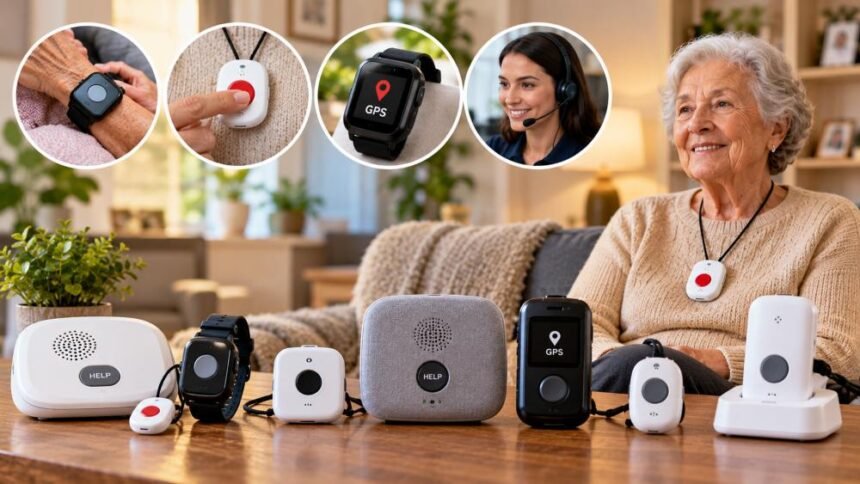
The medical alert industry has begun automating its defining moment, answering emergency calls, with little fanfare. Lifeline now uses automation-assisted response, even as the category relies on a brand name from the 1980s. Shoppers hunting for life alert systems often start by pricing the company testers rank lowest. In reality, “life alert systems” describes the entire category of monitored pendants, wall buttons, and wearables, not just one trademark.
Third parties highlight the gap between that legacy name and its product. NCOA declines to recommend the incumbent, while aginginplace.org rates it the worst value due to three-year contracts, $200 installation charges, and hidden pricing. Modern alternatives offer transparent rates, no contracts, GPS wearables, and trial periods, making legacy prices unnecessary.
The seven providers ranked below feature US-based monitoring. Rankings depend on two key factors: guaranteed live human response and total first-year costs. Bay Alarm Medical takes the top spot by guaranteeing trained human agents at two certified centers on every call, alongside a transparent $27.95 no-contract rate.
Quick Dive
- Who answers the call decides the ranking: providers with 100% human, US-based agents outrank any that fold automation into the answer flow.
- Bay Alarm Medical rates highest at 4.9 on the strength of dual certified centers, all-human answering, a $27.95 rate, and no contract.
- Headline rates mislead: startup and programming charges across these seven run from $0 to $159.
- MobileHelp owns the couples math and LifeFone owns the stopwatch, with a 22-second tested answer.
- No monitored system is free, so a no-contract plan with a trial window is the lowest-risk way to start.
Compare The Best Life Alert Systems
| Provider | Rating | Monthly | Startup fee | Contract | Monitoring |
| Bay Alarm Medical | 4.9 | $27.95 | $0 | None | All-human, two certified US centers |
| LifeFone | 4.5 | $29.95 | $0 | None | US-based, 22-second tested answer |
| ADT Health | 4.2 | $37.99 | $49.50 | Month-to-month | US-based |
| MedicalAlert.com | 4.0 | $27.95 | $99.95 to $159 | None | US-based, EMT-certified |
| Lifeline | 4.0 | Quote by phone | ~$99 | None | US-based, automation-assisted |
| MobileHelp | 4.5 | $24.95 | $0 | None | US-based |
| LifeStation | 4.1 | $36.95 | $99.95 | None | US-based, 27-second tested answer |
Rates reflect published 2026 pricing, and promotions shift it. The startup-fee column separates this field more than the monthly column does.
How We Picked The Best Life Alert Systems
Four dimensions set the order. Staffing came first: providers that guarantee live, US-based agents on every emergency call ranked ahead of any that route calls through automated or AI-assisted queues. Certification came second: CSAA Five Diamond status and UL listing carried weight, as did a redundant second center. Cost of ownership came third, measured as the full first-year outlay once programming, activation, equipment, and shipping charges join the monthly rate, along with any contract terms.
Hardware fit came fourth, covering in-home range, mobile GPS options, battery life, and fall-detection pricing. The ratings synthesize NCOA and U.S. News scores with the tested response times those reviewers recorded, and we weighted verified review volume, since a 4.8 average across 18,000 reviews proves more than a similar average across a few hundred.
Best Life Alert Systems Ranked
1. Bay Alarm Medical
BEST OVERALL VALUE
- Rating: 4.9/5
- Monthly: $27.95
- Startup fee: $0
- Contract: None
Expert review: Bay Alarm Medical answers the category’s automation drift with a plain refusal: a trained human agent handles every emergency call at one of two mirrored US centers in Idaho and Utah, both holding CSAA Five Diamond and UL certification. The SOS Home base station opens the line at $27.95 monthly, contract-free and with zero startup charge, a 15-day risk-free trial covers the decision, and a partner’s button rides on the same plan at no added monitoring cost. NCOA scored its customer service 9.8, the top mark in this field, and its 4.8 Google average draws on more than 18,000 reviews, the deepest verified record here.
Consumer sentiment index: 9.4/10, Good
Ranks: #1 Monitoring reliability · #4 Response speed · #1 Value · #1 Customer service
The response-speed rank sits at #4 because NCOA clocked its answer at 51 seconds against LifeFone’s 22, a gap the service scores more than offset.
Devices available:
- SOS Home base station for in-home coverage
- SOS all-in-one mobile units with GPS
- Fall detection add-on at $10 per month
- Free monitored second button for a partner
- 15-day risk-free trial on every plan
2. LifeFone
BEST RESPONSE RELIABILITY
- Rating: 4.5/5
- Monthly: $29.95
- Startup fee: $0
- Contract: None
Expert review: LifeFone owns the stopwatch numbers: NCOA’s testing clocked its answer at 22 seconds, the fastest in this group, and its VIPx mobile unit runs ten days on a charge, the longest battery any tester recorded. The family firm has operated since 1976 and charges nothing for activation or hardware; spouse coverage comes free and the rate locks for life. Its caregiver app costs $8 a month where rivals include one at no charge, and reviewers call the home base station dated.
Consumer sentiment index: 7.8/10, Good
Ranks: #2 Monitoring reliability · #1 Response speed · #3 Value · #5 Customer service
Tested speed and battery carry the index while the paid app keeps the service rank mid-pack.
Devices available:
- In-home base station
- VIPx mobile unit with a ten-day battery
- Fall detection add-on at $5 per month, the cheapest here
- Caregiver app at $8 per month
- Free spouse coverage with a lifetime rate lock
3. ADT Health
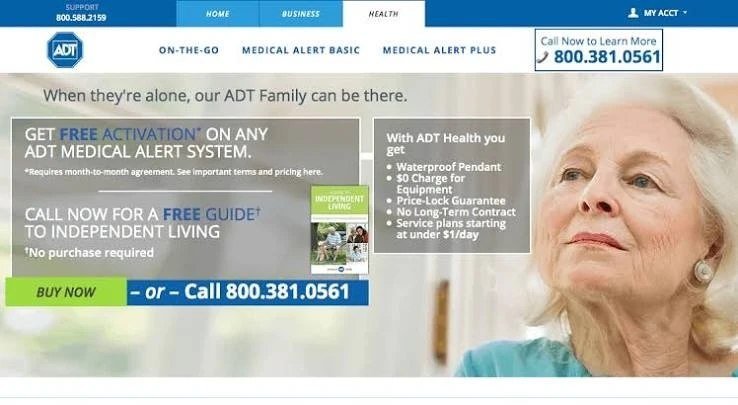
MOST TRUSTED BRAND NAME
- Rating: 4.2/5
- Monthly: $37.99
- Startup fee: $49.50
- Contract: Month-to-month
Expert review: ADT brings 150 years of monitoring history to the category, and BrandSpark named it the most trusted home-security brand in 2025, credibility its fully waterproof buttons and temperature-sensing Medical Alert Plus base back up in hands-on reviews. The bill runs high for the badge: plans open at $37.99 to $39.99 and activation adds $49.50, while ADT collects the first three months of monitoring at purchase, so the opening invoice lands large. The medical line also sits second to the security business, and the lineup includes no smartwatch.
Consumer sentiment index: 6.9/10, Fair
Ranks: #4 Monitoring reliability · #6 Response speed · #7 Value · #7 Customer service
Brand trust props up the reliability rank while the entry costs sink value into the bottom third.
Devices available:
- Medical Alert Plus base with GPS and temperature sensing
- On-The-Go mobile unit
- Fully waterproof help buttons
- Fall detection add-on
4. MedicalAlert.com
EASIEST SETUP
- Rating: 4.0/5
- Monthly: $27.95
- Startup fee: $99.95 to $159
- Contract: None
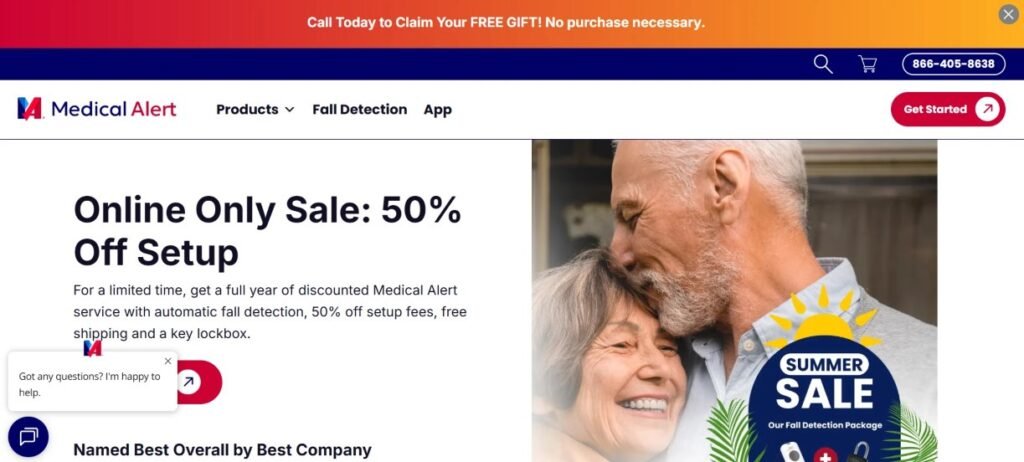
Expert review: MedicalAlert.com earned NCOA’s perfect setup score on the strength of picture-based instructions plus accessibility touches such as a spoken charging cue and a vibration when the call connects, and its support line covers 140 languages. New orders carry a nonrefundable programming charge that runs anywhere from $99.95 up to $159, and the equipment ships without a warranty. NCOA also measured the shortest battery in its testing here, about two days per charge.
Consumer sentiment index: 5.2/10, Fair
Ranks: #5 Monitoring reliability · #7 Response speed · #4 Value · #2 Customer service
A 3.8 average from its 2,489-review Best Company profile, the softest consolidated score in the pool, holds the index down despite the strong setup marks.
Devices available:
- In-home base unit
- Mobile unit with GPS
- Fall detection add-on at $10 per month
- Support line covering 140 languages
5. Lifeline
BEST LEGACY BRAND
- Rating: 4.0/5
- Monthly: Quote by phone
- Startup fee: ~$99
- Contract: None
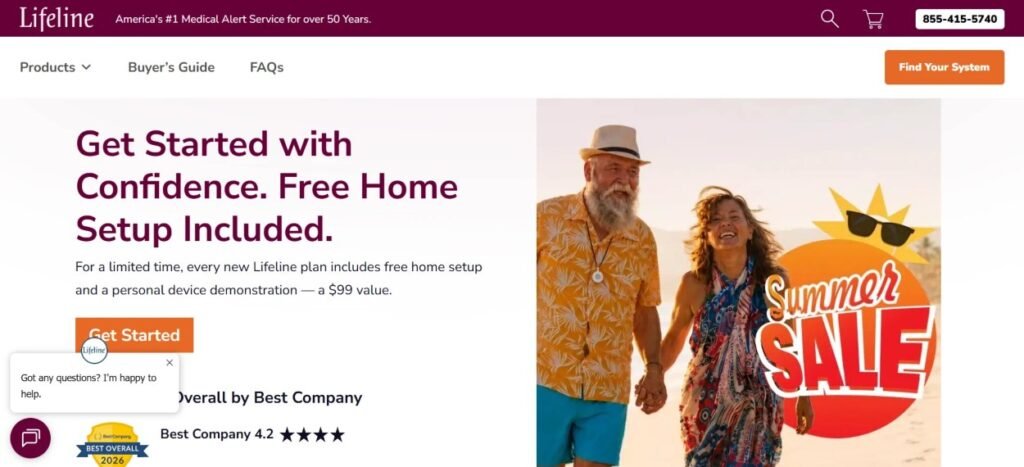
Expert review: Lifeline created this category in the 1970s and remains the one major provider offering a professional install, a fit for seniors who want no part of setup; AARP members get 15% off and the CareCompass nurse line adds non-emergency support. The trade-offs run deep: NCOA and TheSeniorList reviewers flag that the company posts no prices and quotes only by phone, and its answer flow now relies on automation-assisted response rather than a guaranteed live agent. A legacy install charge near $99 persists, and a notice on the company’s own homepage discloses a subscriber data incident.
Consumer sentiment index: 4.9/10, Poor
Ranks: #7 Monitoring reliability · #8 Response speed · #8 Value · #3 Customer service
The nurse line and five decades of history keep the service rank respectable while pricing opacity drags down the rest.
Devices available:
- In-home base unit
- Mobile pendant unit
- Fall detection add-on near $15 per month
- Optional professional installation
- CareCompass nurse line access
6. MobileHelp
BEST FOR COUPLES
- Rating: 4.5/5
- Monthly: $24.95
- Startup fee: $0
- Contract: None
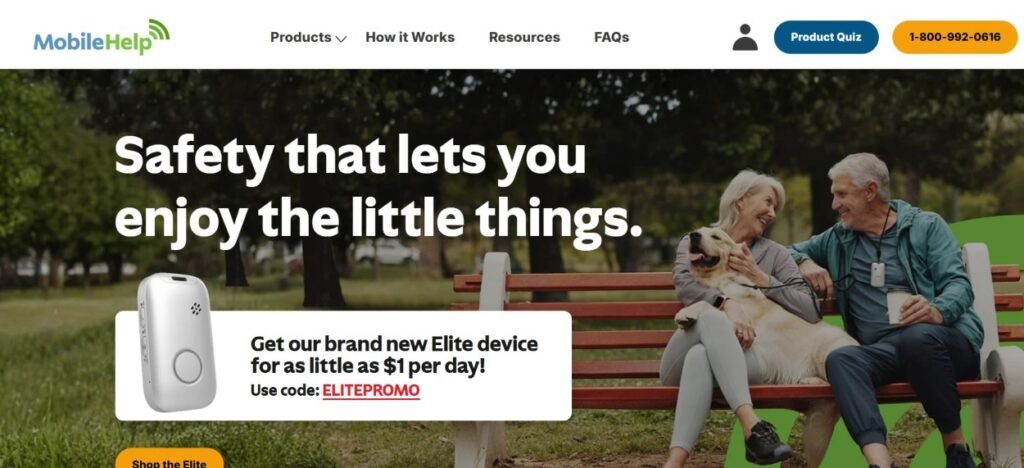
Expert review: MobileHelp holds the strongest two-person math in the category: its Home Duo and Mobile Duo bundles put two wearers on a single bill that lands near $44.95, and no tier charges for equipment. U.S. News rated it the top system of 2026 at 4.7, the highest publisher score in this pool, and a lifetime warranty backs the hardware. The same U.S. News testing measured in-home range near 300 feet against a far larger advertised figure, and reviewers describe the wearables as heavy on the chest, and once a false fall alarm fires, the wearer can’t call it off.
Consumer sentiment index: 7.6/10, Good
Ranks: #3 Monitoring reliability · #5 Response speed · #2 Value · #4 Customer service
Top-of-pool publisher scores drive the value rank while the hardware complaints cap everything else.
Devices available:
- Home Duo in-home bundle
- Mobile Duo bundle with GPS
- Fall detection add-on at $11 per month
- Two-person coverage on a single plan
- Lifetime equipment warranty
7. LifeStation
BEST FOR INSURANCE DISCOUNTS
- Rating: 4.1/5
- Monthly: $36.95
- Startup fee: $99.95
- Contract: None
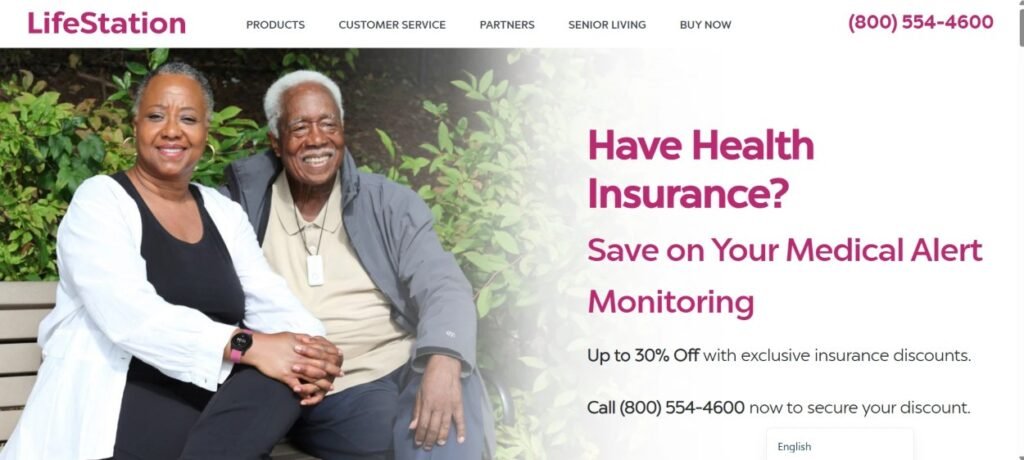
Expert review: LifeStation, a family-run New Jersey operation, pairs the second-fastest tested answer in NCOA’s trials at 27 seconds with location tools no rival matches: a caregiver can pull the wearer’s GPS and WiFi position by text or through Alexa, and participating insurance plans trim the bill by as much as 30%. The Sidekick Home plan opens at $36.95, and most devices add a $99.95 programming charge. Fall detection stacks a protection plan into a combined cost near $16 a month, and the company offers no caregiver app to tie its clever location tricks together.
Consumer sentiment index: 6.1/10, Fair
Ranks: #6 Monitoring reliability · #2 Response speed · #6 Value · #8 Customer service
Speed and location tech earn the #2 rank while stacked fees and checkout-hidden plan tiers pull the rest under.
Devices available:
- Sidekick Home in-home unit
- Mobile unit with GPS and WiFi location
- Location lookups by text or Alexa
- Fall detection near $16 per month combined
The Best Life Alert System For Each Need
For Value With No Lock-In
Bay Alarm Medical lists a $27.95 rate with nothing owed at startup and no contract to sign, backed by the deepest verified review base in the category.
For Couples On One Plan
MobileHelp’s Duo bundles price two-person coverage near $44.95 with zero equipment charges, the cleanest couples deal in the field.
For Raw Speed And Battery Life
LifeFone answered in 22 seconds during NCOA’s testing, and its VIPx runs ten days per charge, a fit for wearers who forget the charging cradle.
For A Household That Wants The Biggest Name
ADT Health suits a family that already trusts the logo on its security panel; budget for the $49.50 activation and the three months of monitoring ADT collects up front.
What A Life Alert System Costs
Monitoring spans $24.95 at the floor and $39.99 at the ceiling across this field, with in-home plans at the low end and mobile GPS plans a step higher. The number that separates providers is what you pay before monitoring starts: three of the seven charge nothing, while programming and equipment fees elsewhere run $49.50 to $159, and Lifeline won’t state a figure until you call.
First-year math shows the spread. Bay Alarm Medical’s $27.95 plan totals $335.40 for year one with nothing added at signup. ADT Health’s $37.99 plan totals $455.88 before monitoring, and activation fees push the real figure higher. Fall detection adds $5 to $16 a month depending on the provider. Original Medicare doesn’t cover any of it, though some Medicare Advantage plans offer an allowance, so a no-contract plan with a refund window keeps the downside small while a family confirms the fit.
Frequently Asked Questions (FAQs)
What Happens When Someone Presses A Life Alert Button?
The device opens a two-way voice channel to the monitoring center, and an agent speaks with the wearer through the base station or pendant. The agent works from a stored profile listing medical details and emergency contacts, so the response can range from a call to a neighbor up to a paramedic dispatch. When fall detection fires the alert on its own and the wearer can’t answer, the agent treats silence as an emergency and dispatches help from the profile.
What Certifications Should A Life Alert Monitoring Center Hold?
Look for two marks. CSAA Five Diamond certification confirms every operator finished the industry’s central-station training program, and UL listing confirms the facility meets standards for equipment, staffing, redundancy, and backup power. A second mirrored center matters as much as either badge; Bay Alarm Medical runs two certified centers that back each other up, so a regional outage at one shifts calls to the other.
Do Real People Answer Life Alert Calls?
Not at every company anymore. Lifeline routes calls through automation-assisted answering, a change described in its own materials. A human agent can read a slurred voice or a confused answer in ways a script can’t, which is why this ranking rewards providers that keep live, US-based staff on every emergency call. Ask any provider to confirm its staffing model in writing before you subscribe.
Can Two People Share One Life Alert Plan?
Yes, and a shared plan costs far less than two subscriptions. Bay Alarm Medical monitors a second button on the same plan for free, and MobileHelp sells Duo bundles built for two wearers at a combined rate near $44.95. Confirm two details before buying: each person needs a separate wearable, and fall detection prices per wearer, not per household.
How Do You Set Up A Life Alert System At Home?
Most systems arrive pre-activated, so setup amounts to plugging in the base or charging the mobile unit, then placing a test call. Walk the button to the far corners of the house during that test, since advertised and measured range diverge; U.S. News found MobileHelp’s real-world in-home reach near 300 feet against a much larger claim. Seniors who want no part of the process can pay Lifeline for a professional install, the one white-glove option left in the category.
Disclaimer: Prices, ratings, and plan features reflect published information at the time of writing and can change without notice. This article is for general information only and is not medical advice. Confirm current terms directly with each provider, and talk to a doctor about fall risk and care needs.