

The liver is your body’s silent workhorse, diligently performing hundreds of vital functions, from detoxifying your blood to metabolizing fats and proteins. When this essential organ is strained or burdened, it can subtly affect your energy, digestion, and overall well-being. Understanding how to support your liver is key to maintaining vibrant health. This guide offers clear, actionable, and medically sound advice to help you nurture this incredible organ.
Understanding the Liver’s Role
The liver, a reddish-brown organ located in the upper right quadrant of the abdomen, is the largest internal organ. Its roles are vast:
- Detoxification: It filters toxins from the blood, including alcohol, drugs, and metabolic waste products.
- Metabolism: It processes nutrients absorbed from the digestive tract, converting them into forms the body can use (e.g., converting glucose to glycogen for storage).
- Bile Production: It produces bile, which aids in the digestion of fats.
- Immunity: It plays a role in immunity by helping to fight infections.
Common Threats to Liver Function
Several factors in modern life can stress the liver, sometimes leading to conditions like Non-Alcoholic Fatty Liver Disease (NAFLD), which is becoming increasingly common.
| Threat Factor | Mechanism of Harm |
| Excess Sugar/Fructose | Converted into fat in the liver, leading to fat buildup. |
| Processed Foods/Trans Fats | Increase inflammation and oxidative stress. |
| Alcohol Abuse | Direct toxic damage to liver cells (hepatocytes). |
| Certain Medications | Can be hepatotoxic (damaging to the liver). |
Nutritional Strategies for Liver Support
Optimizing your diet is the most powerful tool for promoting liver health. Think of food as medicine for
Liver-Friendly Food List
| Category | Recommended Foods | Key Benefit |
| Cruciferous Vegetables | Broccoli, Cauliflower, Brussels Sprouts | Contains glucosinolates to aid detoxification pathways. |
| Allium Vegetables | Garlic, Onions | High in sulfur compounds for Phase II detoxification. |
| Antioxidant-Rich Fruits | Berries, Grapes (especially red/purple) | Contains polyphenols and resveratrol to combat oxidative stress. |
| Healthy Fats | Avocados, Walnuts, Olive Oil | Provides Omega-3s and monounsaturated fats to reduce liver fat. |
‘Avoid’ List (Minimize Intake)
- High-Fructose Corn Syrup (HFCS): Found in sodas, candies, and many processed snacks.
- Excessive Simple Sugars: White bread, pastries, and refined carbohydrates.
- Trans Fats/Hydrogenated Oils: Often found in fried and fast foods.
Hydration and Daily Habits
In addition to diet, simple lifestyle choices can make a significant difference.
Hydration is Key
Adequate water intake (at least 2-3 liters daily) is essential to help the kidneys and liver flush waste products. Consider starting your day with a glass of warm water and lemon, as this may help stimulate bile flow.
Power of Movement
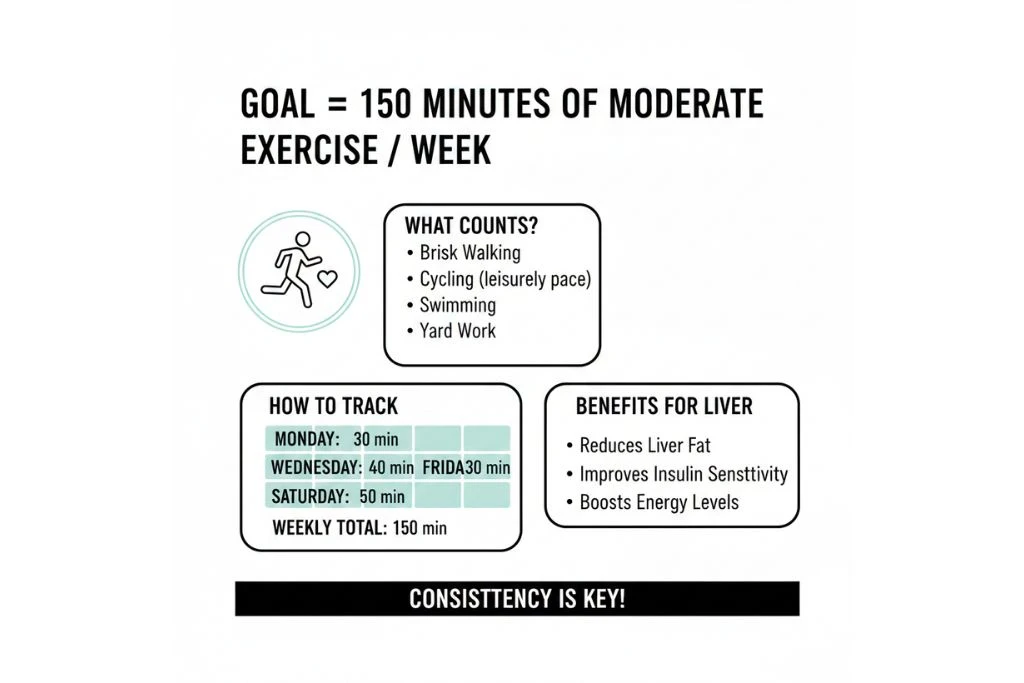
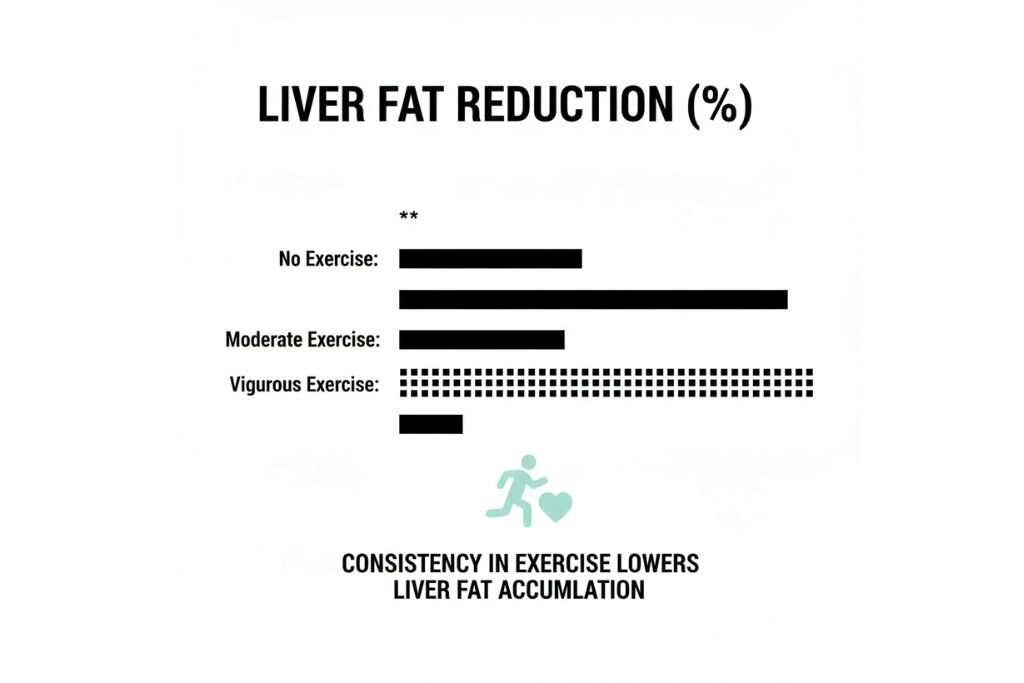
Regular physical activity helps your body use energy (glucose) more effectively and reduces the storage of excess fat in the liver.
Recommended Activity Goal:
Activity Level Impact on Liver Fat (Illustrative ASCII Graph):
Simple Step-by-Step Liver Cleanse Protocol (Non-Fasting)
This gentle, food-based protocol focuses on optimizing the liver’s natural detoxification processes over a 7-day period.
- Eliminate Processed Items: For 7 days, strictly avoid all pre-packaged snacks, sodas, and fried foods.
- Increase Fiber: Aim for 30-40g of fiber daily. Focus on whole grains, beans, and the recommended vegetables listed above. Fiber binds to toxins in the gut, preventing their reabsorption.
- Use Targeted Herbs (Optional): Incorporate foods or teas containing milk thistle (silymarin), dandelion root, or turmeric (curcumin) as they have been studied for their hepatoprotective qualities.
- Prioritize Sleep: Aim for 7-9 hours of quality sleep. The liver performs much of its cellular repair and detoxification work during deep sleep cycles.
When to See a Doctor
While lifestyle changes are powerful, some symptoms require professional medical evaluation.
- Persistent Jaundice: Yellowing of the skin or eyes.
- Severe Fatigue: Unexplained, debilitating tiredness that doesn’t improve with rest.
- Unexplained Pain: Chronic pain or discomfort in the upper right abdomen.
- Sudden Swelling: Swelling in the legs (edema) or abdomen (ascites).
Improvement Timeline
Significant improvements in liver enzymes (markers like ALT and AST) and overall energy can often be achieved through consistent commitment.
- 2-4 Weeks: You should notice improved energy, better digestion, and a reduction in sugar cravings.
- 3-6 Months: Blood tests (like a Liver Function Panel) may show measurable improvements in liver enzyme levels, and imaging (like an ultrasound) may show a reduction in liver fat if NAFLD was present.
- Long-Term (1 Year+): Sustained habits lead to long-term protection, reducing the risk of developing serious liver disease.
Final Advice
Caring for your liver is an act of self-respect. It’s not about a temporary ‘detox’ but a sustainable, nourishing lifestyle. Be patient and consistent. Your liver is highly resilient and will respond positively to your efforts. Small, daily commitments to healthy eating and movement are the formula for long-term liver health.
Medical Disclaimer
The information provided in this article is for educational purposes only and is not a substitute for professional medical advice, diagnosis, or treatment. Always seek the advice of a qualified healthcare provider with any questions you may have regarding a medical condition.
References
- American Liver Foundation. (Current Guidelines on NAFLD).
- National Institute of Diabetes and Digestive and Kidney Diseases (NIDDK). (Diet and Lifestyle Recommendations).
- Journal of Hepatology. (Studies on Silymarin and Curcumin in Liver Health).