


Early recovery often brings hope, clarity, and a sense of new beginnings. As progress builds, many people start realizing how essential ongoing support becomes in maintaining this momentum. This is why many individuals choose structured programs that guide them beyond the initial stages of treatment.
Understanding the role of ongoing support
During the first phase of healing, individuals often focus on stabilizing physically and emotionally. As this phase settles, the challenges of daily life begin resurfacing. Stress, old routines, and unexpected triggers can resurface slowly. When this happens, many find that addiction treatment aftercare becomes a powerful anchor in helping them continue moving forward with confidence.
Aftercare works because it provides continued structure when people need it most. Instead of navigating recovery alone, individuals gain access to therapy, guidance, and community. Through these forms of support, progress remains steady, and setbacks become easier to handle. In many cases, consistency is what makes long-term change achievable.
Why does life after treatment require guidance?
Transitioning out of a treatment program often feels like stepping into a new world. Daily responsibilities resume, relationships shift, and personal expectations grow. Because all of this can feel overwhelming, many notice that addiction treatment aftercare creates a much smoother transition. By offering continued sessions and check-ins, aftercare reduces the pressure of doing everything alone.
Another critical factor is accountability. When someone is actively engaged in ongoing support, they gain motivation to stay consistent. This sense of responsibility helps individuals stay focused on their goals even when life becomes stressful. As a result, they build resilience and learn how to navigate real-life situations with stronger coping skills.
Emotional recovery and long-term stability
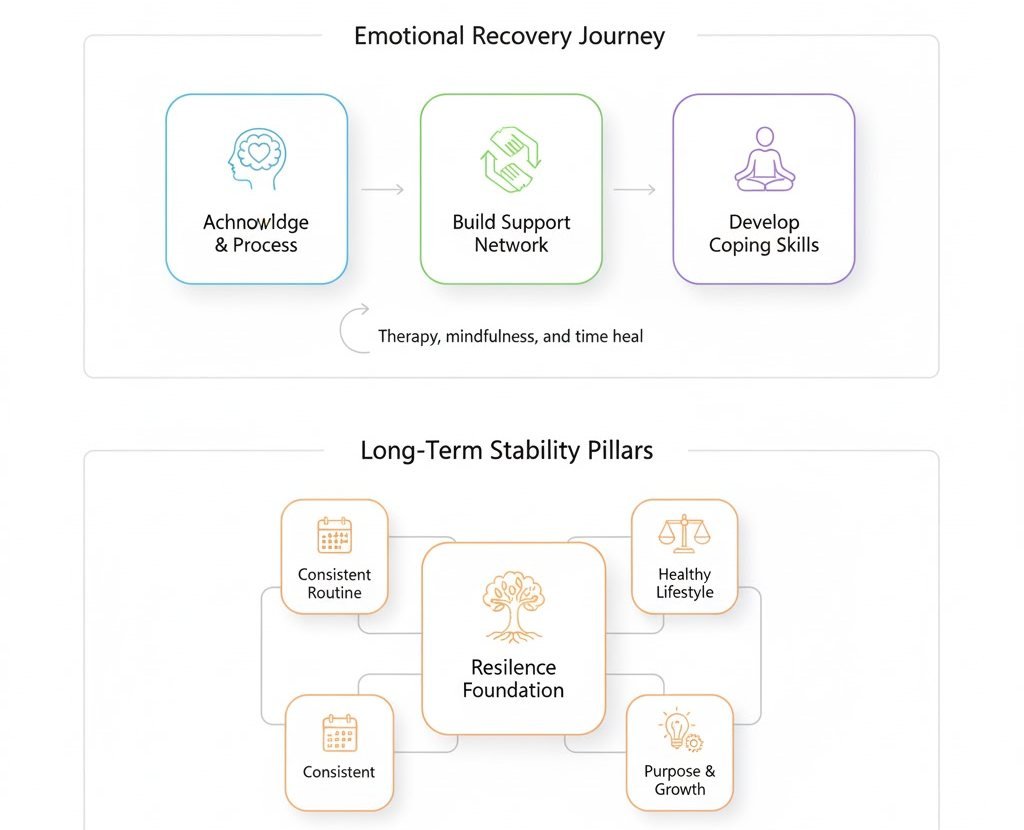
Emotional healing is just as important as physical health. Many people discover that their deeper feelings, memories, and experiences begin resurfacing after the initial treatment period. Because of this, emotional stability often requires patience and consistent guidance. With addiction treatment aftercare, individuals experience a safe space where they continue learning how to process feelings, communicate openly, and strengthen self-awareness.
Emotional support also helps prevent isolation, a significant barrier to recovery. By staying connected with counselors or peers, individuals feel understood and supported. This connection reduces the chances of falling into old patterns and increases the likelihood of long-term progress.
Strengthening coping skills for real life
Every day life brings moments that can create stress. Whether it involves work, family, or relationships, each situation requires different responses. People who remain engaged in addiction treatment aftercare benefit from continuous skill-building that prepares them for these challenges.
Through guided practice, individuals learn how to identify triggers early, communicate clearly, and respond thoughtfully rather than impulsively. Over time, these skills become second nature. This gradual strengthening of coping tools is one of the biggest reasons aftercare contributes to a more stable future.
Rebuilding relationships with compassion
Recovery often affects relationships deeply. Many families hope for healing, but rebuilding trust takes time. Ongoing support helps individuals learn to communicate gently, consider others’ feelings, and rebuild connections through consistent actions.
When someone actively participates in addiction treatment aftercare, they demonstrate commitment and responsibility. This assurance helps loved ones feel more hopeful and supportive. As communication improves, relationships grow stronger, creating a healthier foundation for long-term recovery.
Creating structure and routine
Many people in early recovery realize that structure plays a vital role in staying balanced. A clear routine prevents boredom, reduces anxiety, and keeps the mind focused on positive habits. Because of this, addiction treatment aftercare becomes a guiding framework that helps individuals maintain daily routines that support their goals.
With ongoing support, people learn how to manage their time wisely, set healthy boundaries, and stay engaged in activities that nourish their physical and emotional health. This sense of organization helps prevent chaotic patterns from returning and encourages long-term consistency.
Preparing for unexpected challenges
Life is unpredictable, and unexpected difficulties can arise at any moment. Even when someone feels strong in their recovery, stressors such as job changes, loss, conflict, or uncertainty may arise. Addiction treatment aftercare gives individuals the tools and support needed to navigate these moments with clarity.
By having ongoing access to professionals and peer support, people learn how to address challenges early, before they become overwhelming. This early intervention helps prevent setbacks and keeps individuals grounded even during stressful times.
Power of community and connection
Community is one of the most valuable aspects of long-term recovery. When individuals surround themselves with supportive people who understand their journey, they feel stronger and more motivated. Addiction treatment aftercare encourages connection through groups, meetings, and guided discussions that help people stay committed to their progress.
These connections offer encouragement during difficult days and celebrate victories during uplifting moments. Over time, individuals discover that community becomes a protective factor that strengthens their recovery experience as a whole.
Staying committed to long-term healing
Healing does not end when a treatment program concludes. Instead, recovery becomes a lifelong commitment to growth, balance, and self-understanding. Addiction treatment aftercare gives individuals the tools, support, and structure needed to maintain this commitment. Whether they are continuing care after Drug Addiction in CA or transitioning into independent recovery, through consistent guidance and nurturing environments, people learn how to build a fulfilling life that aligns with their values.
As someone continues to grow, they begin to notice positive changes in their relationships, health, and overall well-being. Each small step contributes to a lasting transformation that becomes stronger over time. This ongoing process is the heart of long-term recovery.
A lasting path forward
Many individuals find that long-term healing feels achievable when they remain connected to trusted professionals who understand their needs. Addiction treatment aftercare provides this connection through continued support that empowers people to maintain stability and build healthier futures. With the proper guidance, individuals learn how to create a life filled with purpose, clarity, and emotional strength.
In the journey toward long-term wellness, consistent support helps people stay grounded and resilient. As time passes, the tools learned through ongoing guidance continue shaping positive behaviors and more substantial confidence. For those seeking compassionate, sustainable care, programs like those offered by Opus Treatment create opportunities for true, lasting transformation.
Disclaimer
The information provided in this article is for educational and informational purposes only and is not a substitute for professional medical, psychological, or addiction treatment advice. Individual recovery experiences may vary, and the effectiveness of aftercare programs depends on personal circumstances, engagement, and professional guidance. Always consult a qualified healthcare or addiction treatment professional before making decisions about your recovery plan or treatment options. Opus Treatment or any related organizations do not guarantee specific outcomes, and participation in aftercare programs should be undertaken as part of a comprehensive treatment plan supervised by licensed professionals.