

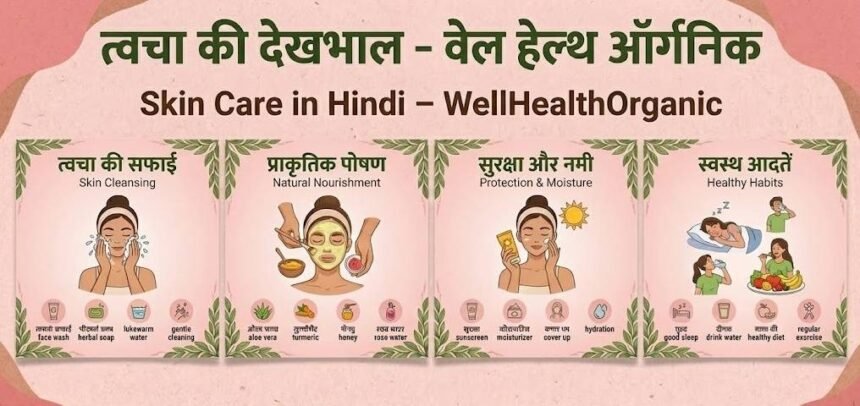
As a practicing dermatologist who sees patients every day, I’ve noticed something interesting. Many of my Hindi-speaking patients come to the clinic after trying multiple products they read about online, often making their skin worse. They ask me, “Doctor, why isn’t anything working?” The answer is usually simple: they’re following generic advice that doesn’t match their actual skin needs.
Let me share what actually works, based on years of treating real patients with real skin problems.
Understanding Your Skin: What Most Articles Don’t Tell You
Your skin isn’t the same as the person sitting next to you. When I examine patients in my clinic, I see how dramatically skin color can vary even among people from the same family. The skincare routine that works beautifully for your sister might cause breakouts for you.
Here’s what I’ve learned from treating thousands of patients: about 60% of people don’t actually know their skin type. They think they have oily skin when they actually have dehydrated combination skin. This mistake alone is the main reason most skincare failures occur.
Real Skin Types (Not What Marketing Says)
Normal Skin
- Feels comfortable throughout the day
- No tight feeling after washing
- Minimal breakouts
- Pores barely visible
In my practice, only about 15% of patients have truly normal skin.
Oily Skin
- Shiny by midday, especially the T-zone
- Makeup slides off
- Frequent blackheads and whiteheads
- Visible pores
Dry Skin
- Feels tight after washing
- Flaky patches, especially in winter
- Fine lines are visible even when young
- Dull appearance
Combination Skin
- Oily forehead, nose, and chin
- Dry or normal cheeks
- Different needs in different areas
This is what most Indian patients actually have.
Sensitive Skin
- Reacts to new products quickly
- Redness and burning are common
- Stings with certain ingredients
- Gets worse with weather changes
Common Mistakes I See Every Week
Let me tell you about Priya, a 28-year-old patient who came to me last month. She was using five different products twice daily, including three “natural” remedies recommended by her aunt. Her face was red and irritated, breaking out more than ever.
This is what I call the “more is better” trap. Here are the mistakes I see repeatedly:
| Mistake | Description | Why It’s a Problem |
|---|---|---|
| Mistake 1: Using Too Many Products | Many people follow long, seven-step routines. Most only need 3–4 products. | Too many products can damage the skin’s natural barrier and cause irritation. |
| Mistake 2: Changing Products Too Quickly | Products are often changed weekly if results aren’t immediate. | Skin needs 3–4 weeks (about 28 days) to renew; frequent changes prevent results and may irritate skin. |
| Mistake 3: Ignoring Sun Protection | Sunscreen is skipped, especially by people who stay indoors. | UV rays pass through windows, and indoor lighting also contributes to pigmentation and premature aging. |
| Mistake 4: Over-Exfoliating | Daily scrubbing is used to remove tan quickly. | This damages the skin barrier, leading to increased pigmentation and sensitivity. |
Skin Care Routine That Actually Works

Based on treating patients daily, here’s what I recommend. This is the skin care in Hindi, a well-health organic approach that combines traditional wisdom with medical science.
Morning Routine (Takes 5-7 Minutes)
Step 1: Gentle Cleansing
Use lukewarm water. I can’t stress this enough. Hot water strips your natural oils. Cold water doesn’t clean properly.
For oily skin, use a gel-based cleanser containing salicylic acid. For dry skin: Use a cream-based or milk cleanser. For combination skin: Use a gentle foaming cleanser.
Step 2: Moisturizing
Yes, even if you have oily skin. When I tell oily-skinned patients to moisturize, they look shocked. “Won’t that make me more oily?” No. Skipping moisturizer makes your skin produce MORE oil to compensate.
Look for these ingredients:
- Hyaluronic acid (holds 1000 times its weight in water)
- Glycerin (simple, practical, affordable)
- Ceramides (repair skin barrier)
Step 3: Sunscreen (Non-Negotiable)
Apply every single day. Reapply every 3-4 hours if you’re outdoors. Use at least a quarter-teaspoon on your face.
Choose SPF 30 minimum, SPF 50 is better. For Indian skin, look for “broad spectrum” protection.
Evening Routine (Takes 7-10 Minutes)
Step 1: Double Cleansing (If You Wear Makeup or Sunscreen)
First cleanse: Remove makeup/sunscreen with micellar water or cleansing oil. Second cleanse: Regular face wash
Step 2: Treatment Products (If Needed)
This is where you’d use products for specific concerns:
- Vitamin C for pigmentation
- Retinol for aging and acne
- Niacinamide for pores and oil control
Start slow with active ingredients. I usually tell patients to use them 2-3 times weekly initially.
Step 3: Moisturize
Night moisturizers can be richer than day ones. Your skin repairs itself while you sleep.
Natural Ingredients That Actually Work
My patients often ask about natural remedies. Some work, many don’t. Here’s what I’ve seen succeed in clinical practice:
Ingredients Supported by Medical Evidence
Aloe Vera
- Reduces inflammation
- Helps healing
- Soothes sunburn
I recommend using fresh gel from the plant when possible. Store-bought versions work too, but check they’re at least 90% aloe.
Turmeric (Haldi)
- Anti-inflammatory properties
- Helps with acne
- Can brighten skin
Warning: Can temporarily stain skin yellow. Mix with gram flour (besan) and milk for better application.
Neem
- Antibacterial
- Helps control acne
- Reduces oil production
Use neem face wash or diluted neem oil. Never apply undiluted essential oils directly.
Rose Water
- Mild toner
- Calming
- Suitable for sensitive skin
Make sure it’s pure rose water without added Alcohol or fragrances.
Natural Ingredients to Avoid
- Lemon Juice Despite what you read online, lemon juice is too acidic. I’ve treated chemical burns from lemon applications. It also makes skin photosensitive.
- Baking Soda: Way too alkaline. Damages your skin’s natural pH. I see irritation from this frequently.
- Toothpaste on Pimples.. Please don’t. It contains ingredients meant for teeth, not facial skin. Causes more irritation than healing.
Addressing Common Skin Concerns
Let me discuss the issues I see most often in my practice and offer practical solutions that work.
Acne and Pimples
Raj, a 22-year-old engineering student, came to me with severe acne. He’d been using harsh anti-acne face washes five times daily. His skin was worse than ever.
Here’s what actually helps:
Mild Cases:
- Salicylic acid cleanser (once daily)
- Benzoyl peroxide spot treatment
- Oil-free moisturizer
- Consistent routine for 6-8 weeks
Moderate to Severe:
- Everything above, plus
- Prescription retinoids
- Sometimes oral antibiotics
- Professional treatments if needed
What Makes Acne Worse:
- Touching your face constantly
- Dirty pillowcases (change twice weekly)
- Heavy makeup products
- Stress (yes, really)
- Dairy products (for some people)
Dark Spots and Pigmentation
This is my most common concern among patients seeking skin care at WellHealthOrganic Solutions. Indian skin tends to pigmen t easily.
Prevention First:
- Sunscreen every day (most important)
- Don’t pick at acne or spots
- Treat inflammation quickly
Treatment That Works:
- Vitamin C serum (15-20% concentration)
- Niacinamide (5-10%)
- Alpha arbutin
- Prescription hydroquinone for stubborn cases
Realistic Timeline: Dark spots take 6-12 weeks minimum to fade. Patients often give up after two weeks. Be patient.
Dry and Dull Skin
Meera came to my clinic with dehydrated skin. She was using gram flour (besan) packs daily because her grandmother recommended it. Her skin barrier was damaged from over-exfoliation.
Immediate Relief:
- Stop all scrubs and peels
- Use a gentle, creamy cleanser
- Apply moisturizer to damp skin
- Use petroleum jelly on dehydrated patches at night
Long-term Management:
- Hyaluronic acid serum
- Rich moisturizer with ceramides
- Weekly hydrating masks
- Humidifier in the bedroom during winter
Oily Skin and Large Pores
Contrary to popular belief, you can’t permanently shrink pores. But you can make them appear smaller.
Daily Care:
- Gel-based cleanser with salicylic acid
- Lightweight, oil-free moisturizer
- Niacinamide serum (helps control oil)
- Clay masks once weekly
What Doesn’t Work:
- Pore strips (temporary, can damage skin)
- Ice cubes (temporary tightening only)
- Lemon juice (harmful)
Special Considerations for Indian Skin
Working primarily with Indian patients, I’ve learned specific things about our skin type.
Sun Protection Challenges
Indian skin has more melanin, which provides some natural protection. However, this doesn’t mean we can skip sunscreen. We’re actually more prone to pigmentation and melasma.
Sunscreen Tips for Indian Skin:
- Look for “no white cast” formulas
- Try gel-based or fluid sunscreens
- Mineral sunscreens might leave a cast; chemical ones usually don’t
- Tinted sunscreens work well for medium to dark skin
Pollution and Skin Health
Living in Indian cities means dealing with high pollution. I see its effects daily: dull skin, premature aging, and increased sensitivity.
Protection Strategy:
- Double cleanse every evening
- Antioxidant serums (Vitamin C, Vitamin E)
- Barrier repair moisturizers
- Weekly detox masks with clay or charcoal
Dealing with Humidity and Heat
Many skincare routines suggested online are designed for temperate climates. They don’t work in Indian weather.
Summer Adjustments:
- Lighter moisturizers
- Gel-based sunscreens
- More frequent cleansing if very oily
- Hydrating mists during the day
Winter Adjustments:
- Richer moisturizers
- Face oils for dehydrated skin
- Reduce the frequency of activities
- Protect lips and hands, too
When to See a Doctor
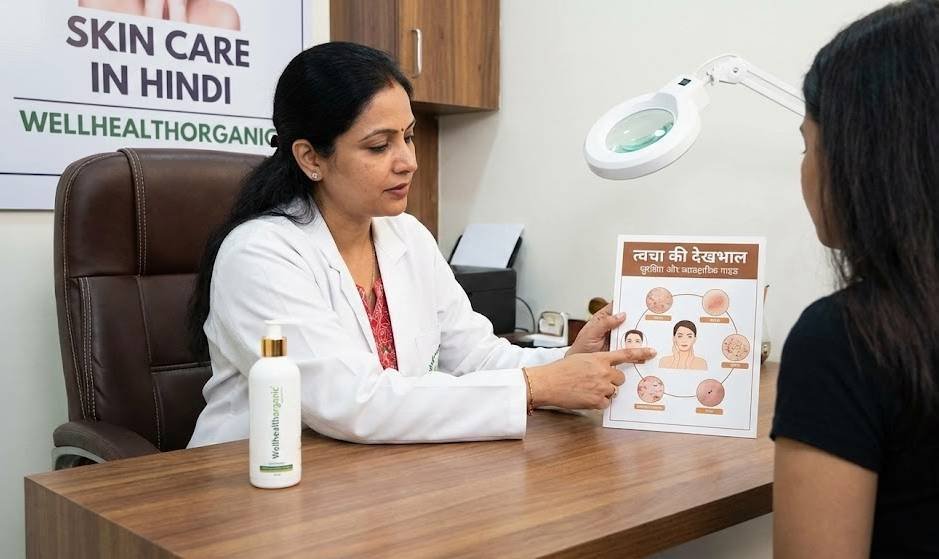
I want to be clear about when home care isn’t enough. Come to a dermatologist if you have:
Immediate Concerns
- Sudden severe rash or hives
- Painful cystic acne
- Skin infection signs (pus, warmth, spreading redness)
- Severe burning or allergic reaction
Persistent Problems
- Acne not improving after 8 weeks of proper home care
- Dark spots that keep getting darker
- Hair loss or scalp problems
- Suspicious moles or growths
- Persistent itching or scaling
Professional Treatments Worth Considering
Some in-office treatments work better than any home remedy:
- Chemical Peels for pigmentation, acne scars, and skin texture. Usually need 4-6 sessions.
- Laser Treatments for permanent hair reduction, deep pigmentation, or scarring.
- Microneedling helps with acne scars and skin texture. Requires multiple sessions.
Creating Your Personal Routine
Now that you understand the basics, here’s how to build your routine:
Step 1: Identify Your Primary Concern
Don’t try to fix everything at once. Choose one central issue:
- Acne
- Pigmentation
- Aging
- Dryness
- Oiliness
Step 2: Start Simple
Week 1-2: Just cleanser, moisturizer, and sunscreen. Week 3-4: Add one treatment product. Week 5-6: Assess results, adjust if needed
Step 3: Track Your Progress
Take photos in the same lighting weekly. Your memory isn’t reliable for gradual changes.
Step 4: Adjust Seasonally
What works in summer might be too light for winter. Reassess your routine when seasons change.
Product Selection Guide
Patients always ask me what specific products to buy. I can’t recommend brands (conflict of interest), but I can tell you what to look for.
Reading Labels Correctly
For Oily/Acne-Prone Skin, Look For:
- Non-comedogenic
- Oil-free
- Salicylic acid
- Niacinamide
- Benzoyl peroxide
Avoid:
- Heavy oils (coconut oil, especially)
- Thick creams
- Products with lots of fragrance
For Dry Skin, Look For:
- Ceramides
- Hyaluronic acid
- Glycerin
- Shea butter
- Squalane
Avoid:
- Alcohol (if listed in first five ingredients)
- Harsh foaming agents
- Products that feel tight after use
For Sensitive Skin, Look For:
- Fragrance-free
- Minimal ingredients
- Centella asiatica
- Colloidal oatmeal
- Allantoin
Avoid:
- Essential oils
- Fragrances
- Too many active ingredients
Diet and Lifestyle Impact
This is where skin care in Hindi, wellhealthorganic principles, really shine. External products are only half the story.
Foods That Help Your Skin
I’ve noticed patients with better diets often have better skin:
Include Daily:
- Water (8-10 glasses)
- Fresh fruits (especially berries)
- Vegetables (particularly green leafy ones)
- Nuts and seeds
- Fatty fish (if non-vegetarian)
Consider Reducing:
- Excess sugar and refined carbs
- Dairy (if you notice acne correlation)
- Processed foods
- Excessive caffeine
Lifestyle Factors
- Sleep: Most of my younger patients sleep 5-6 hours. Their skin shows it. Aim for 7-8 hours.
- Stress, I see a direct correlation between exam periods and acne flares in students—practice stress management.
- Exercise increases blood flow to the skin. Just remember to cleanse after sweating.
- Smoking and AlcoholAlcohol Both age your skin significantly. I can often guess if someone smokes just by looking at their skin.
Seasonal Skin Care Adjustments
Living in India means dealing with distinct seasons. Your routine should change accordingly.
Monsoon Care
- Use lighter moisturizers
- Increase antifungal care if prone to infections
- Keep skin dry, especially between toes
- Watch for increased breakouts from humidity
Winter Care
- Switch to cream-based cleansers
- Use heavier moisturizers
- Don’t skip sunscreen (UV rays present year-round)
- Protect lips and hands extra
- Consider using a humidifier
Summer Care
- Gel-based everything
- Reapply sunscreen religiously
- Use mattifying primers if needed
- Keep face mists handy
- Wash your face more frequently if it’s very oily
Myths I Hear Every Day
Let me clear up common misconceptions:
| Myth | Reality | Explanation |
|---|---|---|
| Myth 1: “Expensive Products Work Better” | ❌ False | Affordable products can be just as effective. Price does not determine performance. |
| Myth 2: “Natural Means Safe” | ❌ Not true | Natural ingredients can still cause reactions (e.g., poison ivy). Always patch-test. |
| Myth 3: “You Can Shrink Pores” | ❌ Impossible | Pore size cannot be permanently reduced; they can only appear smaller temporarily. |
| Myth 4: “Oily Skin Doesn’t Need Moisturizer” | ❌ Wrong | All skin types need hydration, including oily skin. |
| Myth 5: “Dark Skin Doesn’t Need Sunscreen” | ❌ Dangerous misconception | Everyone, regardless of skin tone, needs sun protection. |
Final Thoughts
After years in practice, here’s what I want you to remember about skin care in Hindi: Well-Health Organic approaches:
Consistency matters more than expensive products. The best routine is one you’ll actually follow daily. Start simple. Give products time to work. Don’t compare your skin to filtered photos online.
Your skin is unique. What works for someone else might not work for you. Pay attention to how YOUR skin responds, not what influencers claim.
Be patient. Real skin improvement takes weeks to months, not days. If you’re not seeing results after proper application for 8-12 weeks, then consider changing products or seeing a dermatologist.
Remember, healthy skin isn’t about perfection. It’s about finding a sustainable routine that keeps your skin barrier healthy, protected, and comfortable. The goal isn’t glass skin or poreless skin—it’s happy, healthy skin that functions well.
If you take away just one thing from this article, let it be this: sunscreen every day, gentle cleansing, and appropriate moisturizing will solve 70% of common skin problems. Everything else is supplementary.
Take care of your skin, but don’t obsess over it. Life’s too short to spend hours worrying about every pore and spot. A simple, consistent routine and healthy lifestyle choices will serve you better than any miracle product ever could.