

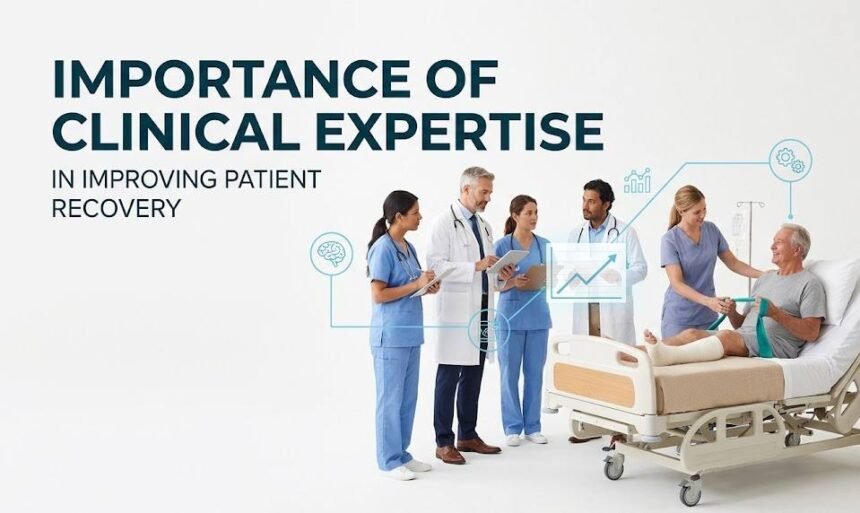
Modern healthcare is more complex than ever. Patients are living longer, often with multiple chronic conditions that require coordinated and highly informed care. This shift has raised expectations for healthcare providers, especially nurses who are directly involved in patient recovery. Clinical expertise now plays a central role in determining how quickly and safely patients heal. It is no longer enough to follow standard procedures. Providers must understand how to adapt care based on individual needs, evolving symptoms, and emerging medical evidence.
In many regions, including areas with growing healthcare demands, institutions are emphasizing advanced training to meet patient needs. Nurses are increasingly expected to lead recovery planning, educate patients, and collaborate across disciplines. This growing responsibility has made higher education more relevant than ever. Many professionals are seeking flexible pathways to build deeper clinical knowledge without stepping away from their roles, creating a clear shift toward more accessible and advanced educational options.
Shift Toward Specialized Nursing Education in Modern Healthcare
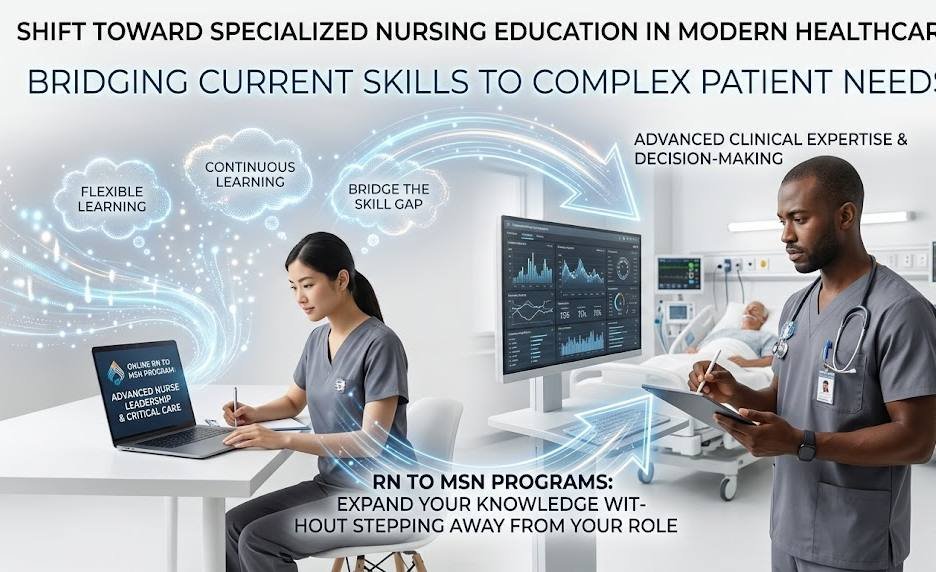
Healthcare systems are moving toward specialization because patient needs have become more complex and nuanced. Nurses are no longer limited to basic care tasks. They are expected to interpret data, anticipate complications, and contribute to clinical decision-making. This level of responsibility calls for a deeper understanding of patient care that goes beyond foundational training. As expectations rise, many nurses begin looking for ways to expand their knowledge while still staying active in their roles.
To meet this demand, many working professionals are pursuing online RN to MSN programs as the next practical step in their careers. These programs allow nurses to gain advanced clinical expertise without stepping away from fast-paced healthcare environments. By combining flexibility with rigorous training, they help bridge the gap between current skill levels and the demands of modern patient care. This shift reflects a broader trend toward continuous learning in healthcare.
How Advanced Education Reduces Hospital Readmission Rates
Hospital readmissions remain a major concern for healthcare systems. They often indicate gaps in patient education, discharge planning, or follow-up care. Nurses with advanced education are better equipped to identify risks before patients leave the hospital. They understand how to assess discharge readiness and can tailor instructions to each patient’s condition and lifestyle. This proactive approach helps prevent complications that lead to readmissions.
In addition, highly trained nurses play a key role in patient communication. They can explain complex medical instructions in ways patients understand, which improves adherence to treatment plans. They also coordinate with other providers to ensure continuity of care after discharge. These efforts reduce unnecessary hospital visits and support smoother recovery experiences.
Enhancing Critical Thinking and Diagnostic Accuracy in Recovery Care
Recovery is not always predictable, especially for patients with multiple conditions. Nurses must be able to recognize subtle changes that could signal complications. Advanced education strengthens critical thinking skills, allowing nurses to analyze patient data more effectively. They can connect symptoms, lab results, and patient history to make informed decisions quickly. This level of insight is essential for preventing small issues from becoming serious problems.
Improved diagnostic accuracy also leads to better patient outcomes. When nurses can identify concerns early, they can initiate timely interventions or alert the broader care team. This reduces treatment delays and enhances overall safety. Strong critical thinking supports confident decision-making, which is vital in high-pressure clinical environments where recovery outcomes depend on timely and accurate care.
Role of Evidence-Based Practice in Patient Recovery
Modern healthcare relies heavily on evidence-based practice to ensure consistent and effective care. Nurses with advanced training know how to evaluate research and apply it in real clinical settings. They do not rely on outdated habits or assumptions. Instead, they use proven methods backed by current data, leading to safer, more predictable recovery outcomes.
This approach also improves consistency across care teams. When everyone follows evidence-based protocols, patients receive a higher standard of care regardless of who is on duty. It reduces treatment variation and supports better long-term results. Nurses who understand research can also adapt guidelines when needed, ensuring care remains both standardized and personalized.
Leadership and Multidisciplinary Coordination in Patient Care
Patient recovery often involves multiple professionals, including physicians, therapists, and support staff. Nurses with clinical expertise are well-positioned to coordinate these efforts. They understand how each role contributes to recovery and can ensure that care plans remain aligned. This coordination reduces confusion and helps prevent treatment gaps.
Strong leadership also improves communication within the team. Nurses who can clearly share updates and advocate for patients help keep everyone on the same page. They address issues early and support smoother transitions between care stages. This level of coordination creates a more organized and effective recovery process for patients.
Bridging the Gap Between Policy and Bedside Care
Healthcare policies are designed to improve outcomes, but they do not always translate easily into daily practice. Clinically trained nurses play a key role in making these policies work at the patient level. They understand both the intent behind regulations and the realities of bedside care. This allows them to apply guidelines in a way that supports real patient needs.
They also provide feedback that can improve future policies. By observing how rules affect patient recovery, they can suggest practical adjustments. This creates a more responsive healthcare system. Their ability to connect policy with practice ensures that standards are not just followed, but used effectively to enhance care quality.
Leveraging Technology and Data for Smarter Recovery Strategies
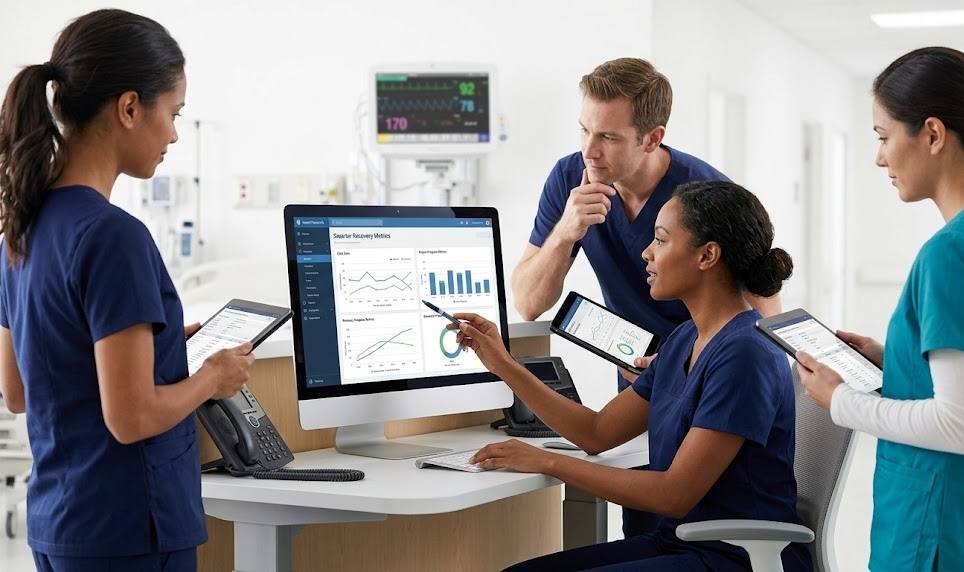
Technology has become a central part of patient recovery. Nurses now use electronic health records, monitoring systems, and data tools to track progress in real time. Advanced training helps them interpret this information accurately. They can identify trends, detect early warning signs, and adjust care plans quickly when needed.
Data-driven care also supports long-term improvements. By analyzing outcomes, healthcare teams can refine recovery strategies and reduce complications over time. Nurses who are comfortable with technology play a critical role in this process. Their ability to combine clinical knowledge with data insights leads to more efficient and informed patient care.
Conclusion
Clinical expertise is no longer an optional asset; it is an essential element of high-quality patient recovery. Nurses and other frontline providers with advanced knowledge and training improve outcomes by anticipating complications, enhancing communication, and coordinating care that is both evidence-based and patient-centered. As healthcare systems continue to evolve, professionals who adopt lifelong learning, especially through flexible and advanced educational pathways, help bridge gaps between policy and bedside care, reduce preventable readmissions, and contribute to safer, more effective recovery for patients of all ages and conditions. Finally, investing in clinical expertise benefits not only individual patients but entire communities, supporting better health outcomes and a more resilient healthcare system.
Disclaimer
This article is intended for informational and educational purposes only. It does not constitute medical, nursing, or professional advice and should not be used as a substitute for consultation with qualified healthcare professionals. Individual patient care decisions should always be made based on clinical judgment and specific patient needs.
References
- Benner, P. From Novice to Expert: Excellence and Power in Clinical Nursing Practice. Prentice-Hall; 1984
- Institute of Medicine. The Future of Nursing: Leading Change, Advancing Health. Washington (DC): The National Academies Press; 2011. DOI: 10.17226/12956
- Melnyk, B. M., & Fineout-Overholt, E. Evidence-Based Practice in Nursing & Healthcare: A Guide to Best Practice (4th ed.). Wolters Kluwer; 2019
- Weiss, M. E., & Piacentine, L. B. Predictors of Success in Hospital Discharge Planning: Implications for Reducing Readmissions. Journal of Nursing Care Quality. 2006;21(3):226-234. DOI: 10.1097/00001786-200607000-00006
- Salmond, S. W., Echevarria, M. Healthcare Transformation and Changing Roles for Nursing. Orthopedic Nursing. 2017;36(1):12-25. DOI: 10.1097/NOR.0000000000000308