

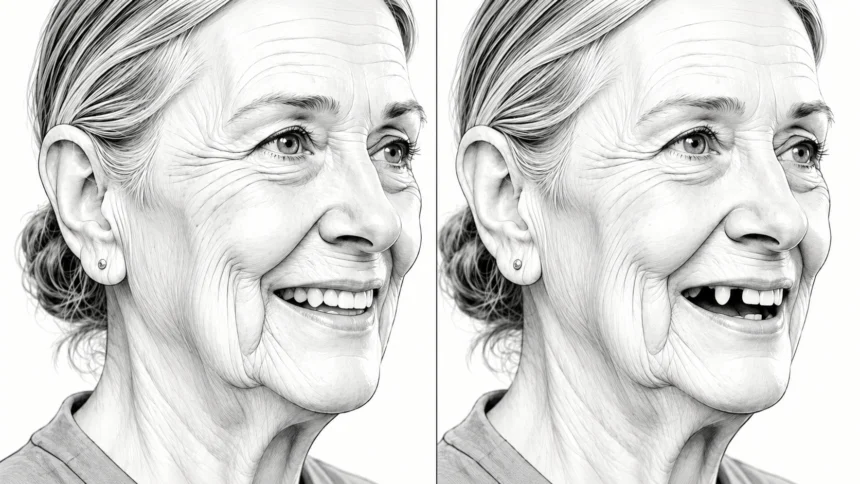
Most people think of a missing tooth as a dental problem. Something to address eventually, when time and budget allow, or to simply live with if neither is available. What the research increasingly shows is that tooth loss is rarely just a dental issue. It is a signal, and in many cases a symptom, of something happening throughout the body that deserves serious attention.
The connection between oral health and systemic health has been studied for decades. What has emerged is a picture of the mouth not as a separate compartment but as a window into the body’s broader inflammatory state, immune function, and chronic disease risk. Understanding that connection changes how tooth loss should be interpreted and what it should prompt.
Tooth Loss as a Biomarker
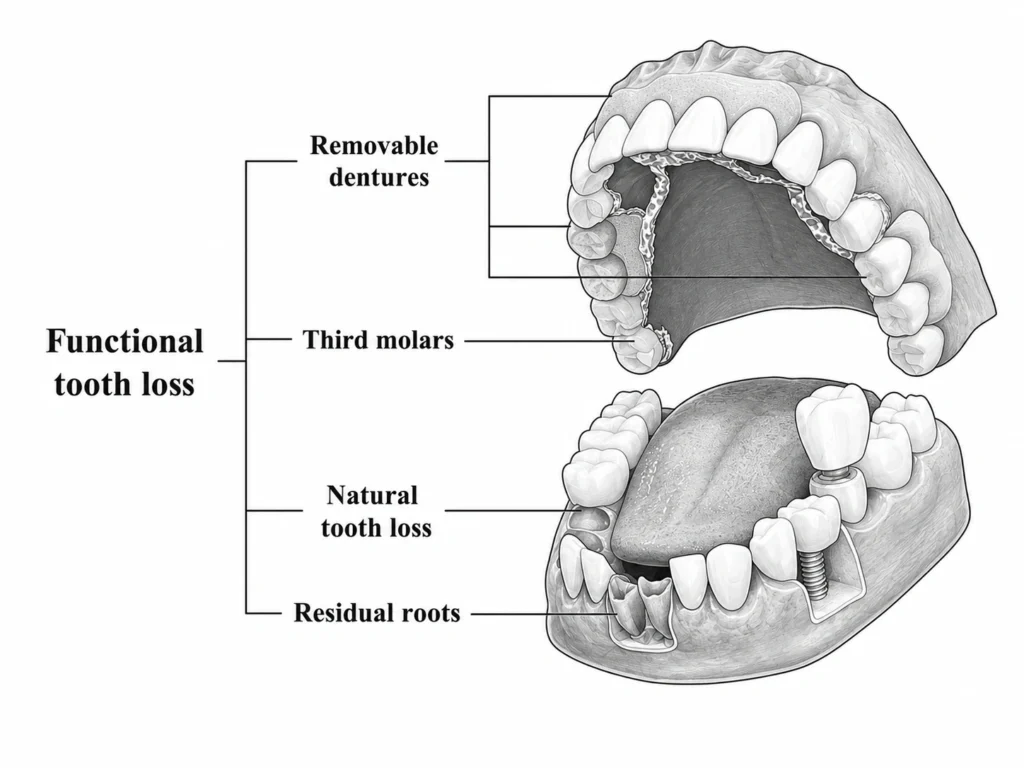
A 15-year longitudinal study published in a peer-reviewed journal examined 35 patients who experienced significant tooth loss and tracked their systemic health trajectories over time. The findings were consistent with a growing body of research: tooth loss correlates with elevated risk for cardiovascular disease, diabetes, and other chronic inflammatory conditions. The study’s authors described tooth loss as an underutilized biomarker for systemic health status, a visible, measurable indicator that something in the body’s larger systems may be dysregulated.
This framing matters because it reorients the conversation. Missing teeth are not just an aesthetic or functional problem to be managed. They are data. San Ramon patients seeking dental implants at Parthenon Dental are often surprised to learn that replacing missing teeth carries genuine health benefits beyond restoring their smile, benefits that extend well beyond the mouth.
The Inflammation Connection
To understand why tooth loss is linked to systemic disease, it helps to understand the role of chronic inflammation. The most common cause of adult tooth loss is periodontal disease, a chronic bacterial infection of the gum tissue and supporting bone. Left untreated, it destroys the connective tissue and bone around teeth until they loosen and are lost.
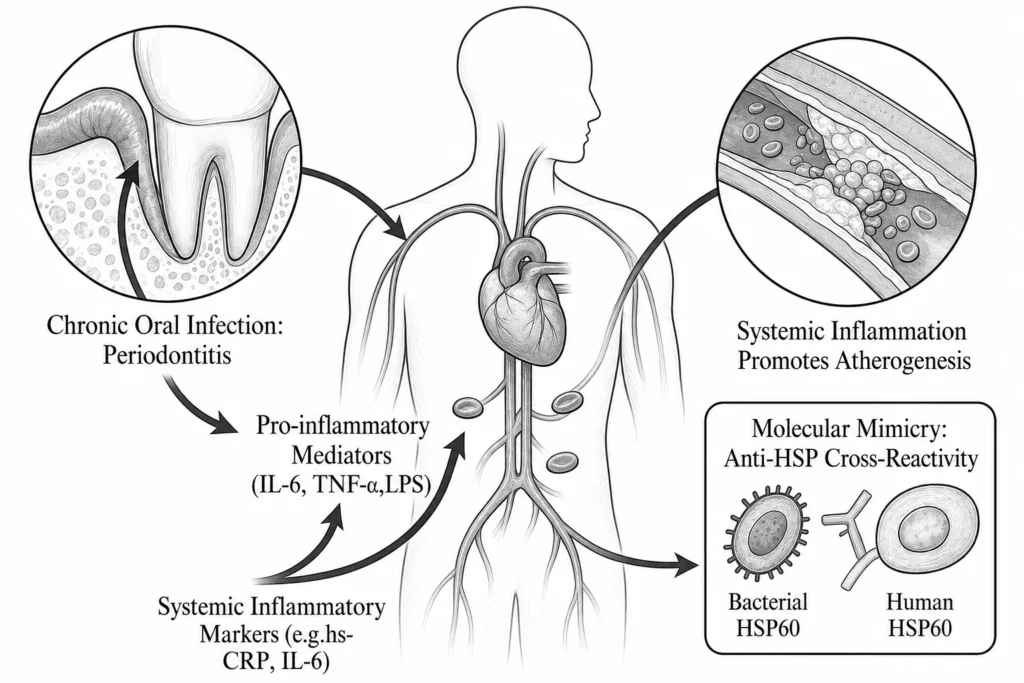
The damage does not stay local. Periodontal disease elevates the body’s overall inflammatory burden. The same bacteria that drive gum destruction can enter the bloodstream, triggering inflammatory responses at distant sites. Research published in peer-reviewed journals has documented associations between periodontal disease
- Cardiovascular disease: Oral bacteria found in arterial plaque have been identified in patients with atherosclerosis. The inflammatory pathway from gum disease to artery inflammation is now well-established in the research literature, though causality is still being studied.
- Type 2 diabetes: The relationship between periodontitis and diabetes is bidirectional. Diabetes impairs immune response, making gum disease worse. Gum disease, in turn, worsens glycemic control. Each condition amplifies the other.
- Respiratory infections: Oral bacteria aspirated into the lungs have been associated with pneumonia and other respiratory conditions, particularly in older adults and those with compromised immune systems.
- Adverse pregnancy outcomes: Research has found associations between untreated periodontal disease and preterm birth and low birth weight, likely through systemic inflammatory mechanisms.
When a tooth is lost to periodontal disease, the infection that caused the loss is rarely fully resolved. The underlying inflammatory process continues, which is why treating tooth loss as a purely mechanical problem, replacing the tooth without addressing the gum health around it, misses the point.
What Happens to the Jaw After Tooth Loss
The structural consequences of missing teeth are less discussed but equally significant. The jawbone is living tissue that responds to mechanical stimulation. The pressure of chewing transmitted through the tooth root into the bone is what signals the body to maintain bone density in that area. When a tooth is lost, that signal disappears.
Bone resorption begins within the first year after tooth loss and continues over time. The rate varies, but the direction does not. A jaw that has lost multiple teeth will lose volume progressively, which affects facial structure, the fit of remaining teeth, bite mechanics, and the ability to chew a full range of foods. It also affects the feasibility of future tooth replacement: the more bone that is lost before treatment is sought, the more complex and expensive the restoration becomes.
This is one of the strongest clinical arguments for addressing tooth loss promptly rather than deferring it. The window for straightforward restoration narrows with time.
Nutrition, Cognitive Health, and the Overlooked Ripple Effects
The ability to chew efficiently shapes what a person actually eats. Research consistently shows that people with significant tooth loss shift toward softer, more processed foods and away from the fibrous vegetables, lean proteins, and whole grains that support long-term health. This dietary shift is not a choice in any meaningful sense. It is an adaptation to a functional limitation.
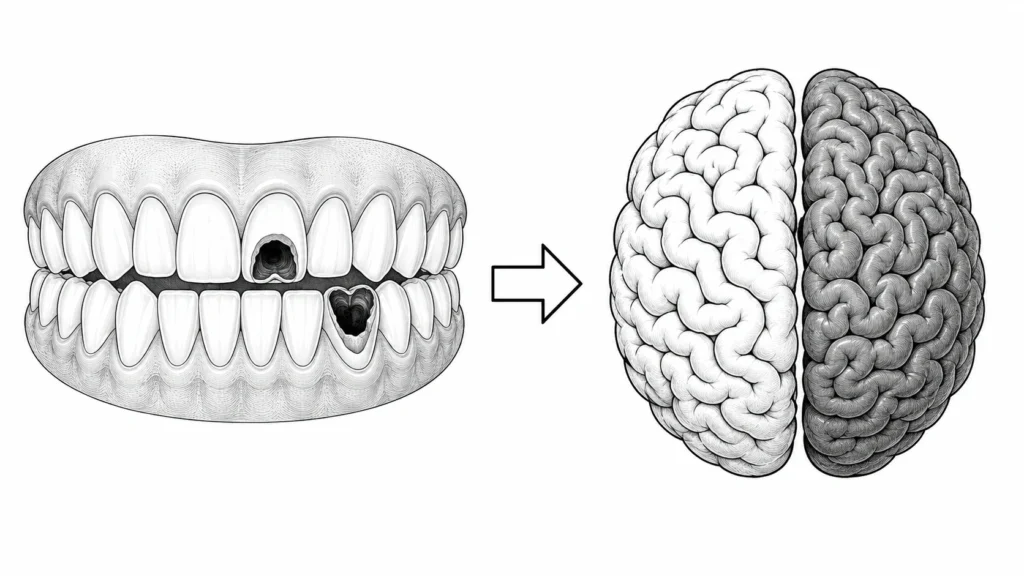
The nutritional consequences compound over time. Reduced intake of fiber, antioxidants, and essential nutrients creates downstream effects on metabolic health, immune function, and cardiovascular risk. For older adults, the link between chewing function and cognitive health has also attracted research attention, with several studies finding associations between tooth loss and increased dementia risk, plausibly connected through nutritional pathways and systemic inflammation.
None of this means tooth loss causes dementia or cardiovascular disease in a simple, direct line. The relationships are associative and multifactorial. But the pattern is consistent enough across multiple independent research bodies that dismissing tooth loss as merely cosmetic is no longer supportable by the evidence.
Dental Implants: Why the Replacement Method Matters
Not all tooth replacement options address the bone loss problem. Dentures and bridges restore some chewing function and appearance, but neither replaces the tooth root. Without a root structure transmitting force into the jawbone, bone resorption continues even with a prosthetic tooth in place.
Dental implants are the only tooth replacement option that restores the mechanical relationship between tooth and bone. A titanium post is placed into the jawbone and integrates with the surrounding tissue through a process called osseointegration. Once integrated, it functions like a natural tooth root, transmitting chewing forces into the bone and preserving its density over time.
For patients who have already experienced some bone loss, the conversation shifts to whether sufficient bone remains for implant placement or whether bone grafting is needed first. This is precisely why the timing of treatment matters: earlier intervention preserves more options.
Who Is at Highest Risk for Tooth Loss
Understanding risk factors allows for earlier intervention, before loss occurs or while it is still limited. The factors most consistently associated with tooth loss include:
- Smoking and tobacco use: Impairs immune response in gum tissue and significantly accelerates periodontal disease progression
- Poorly controlled diabetes: Elevates infection risk and slows healing throughout the body, including in the gums
- Infrequent dental care: Allows plaque and tartar buildup to progress unchecked, particularly in areas that brushing and flossing miss
- Dry mouth: Saliva is one of the mouth’s primary defenses against bacteria. Medications that cause dry mouth, including many common antidepressants, antihistamines, and blood pressure drugs, increase decay and gum disease risk
- Osteoporosis: Lower systemic bone density is associated with lower alveolar bone density and increased susceptibility to periodontal bone loss
- Genetic predisposition: Some individuals mount a more aggressive inflammatory response to the bacteria associated with gum disease, making them more susceptible regardless of their hygiene habits
Reframing the Conversation Around Missing Teeth
The conventional framing of tooth loss, as something embarrassing, expensive to fix, and easy to defer, does not serve patients well. It encourages delay at precisely the point where early action has the most benefit and the lowest cost.
A better framing is clinical: a missing tooth is a structural deficit with measurable consequences for bone health, nutrition, systemic inflammation, and long-term disease risk. It is also treatable. Modern implant dentistry can restore function and structure in a way that supports the body’s long-term health rather than simply papering over an aesthetic gap.
The mouth is not separate from the rest of the body. What happens there matters far beyond what is visible in a smile. Treating it as such is not a luxury. It is basic healthcare.
Research Based Informational References
- https://www.cdc.gov/oral-health/about/about-tooth-loss.html
- https://www.nidcr.nih.gov/health-info/gum-disease
- https://www.mayoclinic.org/diseases-conditions/periodontitis/symptoms-causes/syc-20354473
- https://www.health.harvard.edu/blog/gum-disease-and-heart-disease-the-common-thread-201204234660
- https://www.heart.org/en/health-topics/gum-disease-and-heart-disease
- https://diabetes.org/about-diabetes/complications/oral-health
- https://www.ncbi.nlm.nih.gov/pmc/articles/PMC8157015/
- https://www.who.int/news-room/fact-sheets/detail/oral-health
- https://www.hopkinsmedicine.org/health/conditions-and-diseases/periodontal-disease
- https://www.ada.org/resources/ada-library/oral-health-topics