


As we move through the spring of 2026, Arizona continues to be a national leader in integrated behavioral health. The state has pioneered a model that recognizes the deep connection between physical health, mental wellness, and substance use recovery. For many residents, the primary hurdle to starting this journey isn’t a lack of desire, but the perceived financial barrier of high-quality care.
However, Arizona’s healthcare infrastructure is specifically designed to bridge this gap. Through the Arizona Health Care Cost Containment System (AHCCCS), the state’s Medicaid agency, thousands of individuals gain access to life-saving services every year. Understanding how to navigate the network of treatment centers that accept AHCCCS is the first and most vital step toward reclaiming a healthy, productive life.
1. 2026 Integrated Care Model
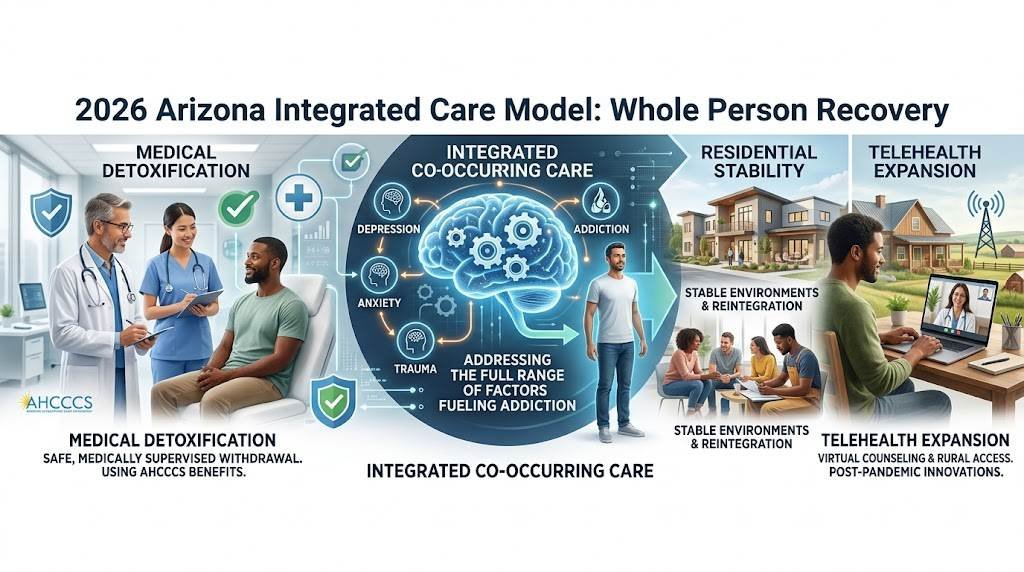
In 2026, Arizona has fully adopt “Whole Person Care.” This means that the best facilities no longer treat addiction in a vacuum. Instead, they address the “Co-Occurring” factors such as depression, anxiety, or trauma that often fuel the cycle of dependency.
- Medical Detoxification: The initial phase involves safe, medically supervised withdrawal. By utilizing AHCCCS benefits, patients can access these services in accredited clinical settings, ensuring safety and comfort during the most difficult first days.
- Residential Stability: Long-term success is often tied to the environment. Arizona offers various levels of residential care, from high-intensity clinical settings to “step-down” sober living environments that help individuals reintegrate into society.
- Telehealth Expansion: Post-pandemic innovations have stayed with us. Many AHCCCS-approved providers now offer robust virtual counseling, ensuring that even those in rural parts of the state have access to top-tier therapists.
2. Breaking the Stigma of Public Assistance
There is a lingering misconception that “Medicaid-funded” means “lower quality.” In Arizona, this couldn’t be further from the truth. The state maintains rigorous licensing standards for all behavioral health institutions.
Many of the premier treatment centers that accept AHCCCS are the same facilities used by those with private PPO insurance. They feature:
- Evidence-Based Modalities: Utilizing Cognitive Behavioral Therapy (CBT), Dialectical Behavior Therapy (DBT), and EMDR for trauma processing.
- Holistic Options: Recognizing that healing involves the body and mind, many centers incorporate yoga, nutritional counseling, and art therapy into their daily schedules.
- Specialized Tracks: Tailored programs for veterans, the LGBTQ+ community, and expectant mothers help ensure that the care feels personal and relevant.
3. Navigating the Intake Process
The window of “willingness”, the moment someone decides they are ready for help, is often brief. Knowing the logistical steps can prevent frustration from derailing a recovery attempt.
Steps to Accessing Care:
- Verification of Benefits: Confirm that your AHCCCS plan is active. Most plans are offered by Complete Care (ACC) contractors such as Banner University, UnitedHealthcare Community Plan, or Mercy Care.
- Clinical Assessment: A professional evaluation determines the “Level of Care” (ASAM criteria) required. This ensures you aren’t over-treated or under-treated.
- Prior Authorization: In 2026, many AHCCCS plans have streamlined the “PA” process, allowing for same-day or next-day admissions for urgent cases.
4. Importance of Localized Support
Arizona’s unique geography, from the high deserts of Sedona to the urban centers of Phoenix and Scottsdale, plays a role in recovery. Choosing a facility within the state enables “Family Involvement,” which has been shown to increase the success rate of long-term sobriety.
Local centers are also better at connecting patients with Arizona-specific resources, such as the Arizona Department of Economic Security (DES) for job placement or local support groups that provide a community of peers after formal treatment concludes.
5. Life After Treatment: The Continuum of Care
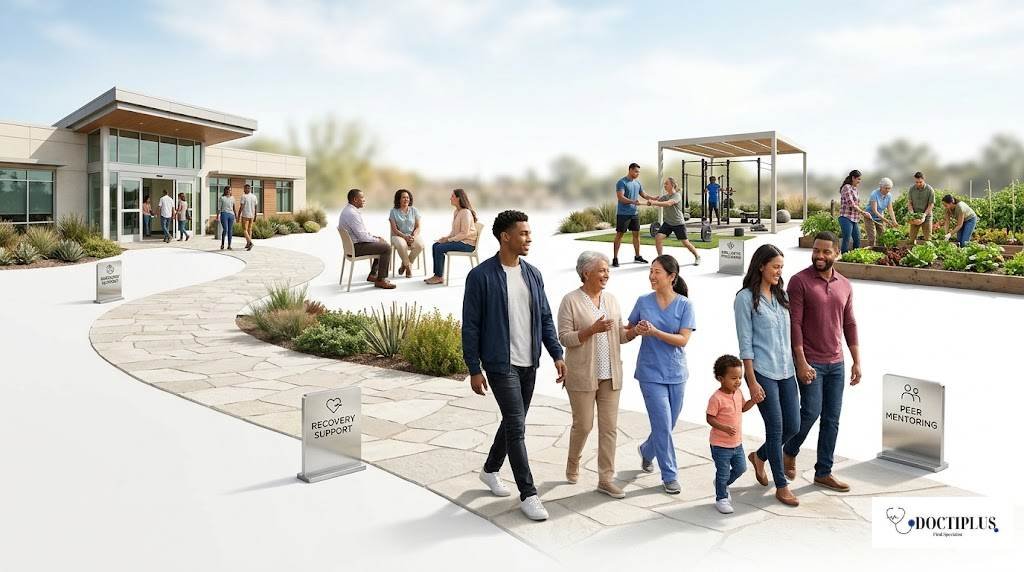
Recovery doesn’t end when a patient leaves a residential facility. The 2026 model focuses heavily on “Relapse Prevention” and outpatient support.
- Intensive Outpatient Programs (IOP): These allow individuals to live at home or in a halfway house while attending therapy several times a week.
- Peer Support Specialists: These are individuals who are in long-term recovery themselves, trained to provide mentorship and “lived experience” guidance to those just starting.
- Sober Living Networks: A bridge between the structure of rehab and the total freedom of home life, these environments provide accountability and a drug-free social circle.
Conclusion
Arizona is more than just a beautiful landscape; it is a sanctuary for those looking to start over. If you or a loved one is struggling, remember that financial status should never be a barrier to health. The state’s commitment to providing high-quality behavioral health through public insurance ensures that the door to recovery is open to everyone.
Medical Disclaimer
This content is provided for informational and educational purposes only and does not constitute medical advice, diagnosis, or treatment. Behavioral health conditions, including substance use disorders and mental health issues, require individualized care from qualified healthcare professionals. Always seek the advice of a licensed physician, psychiatrist, or other qualified health provider with any questions you may have regarding a medical condition or treatment options. Never disregard professional medical advice or delay seeking it because of something you have read in this guide.
If you or someone you know is experiencing a medical or psychiatric emergency, please get in touch with emergency services immediately.
References
- Substance Abuse and Mental Health Services Administration (SAMHSA). (2023). National Survey on Drug Use and Health (NSDUH). DOI: 10.3886/ICPSR38562.v1
- American Society of Addiction Medicine (ASAM). (2020). The ASAM Criteria: Treatment Criteria for Addictive, Substance-Related, and Co-Occurring Conditions (3rd ed.). DOI: 10.1093/med/9780190937206.001.0001
- National Institute on Drug Abuse (NIDA). (2022). Principles of Drug Addiction Treatment: A Research-Based Guide (Third Edition). DOI: 10.1037/e533512013-001
- Centers for Medicare & Medicaid Services (CMS). (2021). Integrated Care Models and Medicaid Behavioral Health Services. DOI: 10.1007/s11606-021-07025-7
- Drake, R. E., & Mueser, K. T. (2000). Psychosocial approaches to dual diagnosis. Schizophrenia Bulletin, 26(1), 105–118. DOI: 10.1093/oxfordjournals.schbul.a033430
- Moos, R. H., & Moos, B. S. (2006). Participation in treatment and Alcoholics Anonymous: A 16-year follow-up of initially untreated individuals. Journal of Clinical Psychology, 62(6), 735–750. DOI: 10.1002/jclp. 20259