


Recovery from substance use disorders is rarely linear. It involves rebuilding not only physical health, but also emotional balance, identity, and connection. music therapy has emerged as a powerful, evidence-informed complement to traditional treatment approaches. For individuals seeking care at a meth addiction facility in Boise, or anywhere else, music can become more than background noise; it can be an active tool for healing.
At its core, music therapy uses structured musical experiences such as listening, songwriting, rhythm exercises, and guided improvisation to address psychological, emotional, and cognitive needs. For those recovering from addiction, these interventions can help regulate mood, reduce cravings, process trauma, and restore a sense of agency.
Doctiplus explores how music functions as therapy in addiction recovery, why it is particularly relevant for stimulant use disorders like methamphetamine addiction, and how it fits into a comprehensive treatment plan.
Why Music Matters in Addiction Recovery

Addiction significantly alters the brain’s reward system. Substances like methamphetamine flood the brain with dopamine, reinforcing compulsive use while diminishing the ability to experience pleasure from everyday activities. Over time, individuals often feel emotionally numb, disconnected, or overwhelmed.
Music engages many of the same neural pathways affected by addiction. It stimulates dopamine release, activates memory and emotion centers, and can influence heart rate, breathing, and stress levels. This makes it a uniquely effective bridge between the brain’s impaired reward system and the process of recovery.
Rebuilding the Brain’s Reward System
One of the most challenging aspects of recovery is learning to feel pleasure again without substances. Music offers a natural, accessible way to reintroduce positive sensory experiences.
Listening to music that resonates emotionally can trigger dopamine release in a healthier, regulated way. Over time, this helps retrain the brain to respond to non-drug-related rewards. In structured therapy sessions, individuals are guided to notice these responses, strengthening awareness and reinforcing progress.
Emotional Expression Without Words
Many people entering treatment struggle to articulate their emotions. Shame, trauma, and internal conflict can make verbal communication difficult. Music provides an alternative channel.
Through songwriting, lyric analysis, or even selecting songs that reflect their current state, individuals can express feelings that might otherwise remain suppressed. This process can be especially helpful in early recovery, when emotional awareness is still developing.
How Music Therapy Works in Practice

Music therapy in addiction treatment is not simply listening to songs casually. It is a structured, goal-oriented process facilitated by trained professionals. Sessions are tailored to the individual’s needs, clinical history, and stage of recovery.
Active vs. Receptive Techniques
Music therapy generally falls into two categories: active and receptive.
Active techniques involve direct participation in playing instruments, singing, composing, or improvising. These activities encourage engagement, creativity, and self-expression.
Receptive techniques focus on listening. Clients may analyse lyrics, reflect on emotional responses, or use guided imagery while listening to specific pieces of music.
Both approaches are valuable. Active techniques often build confidence and interpersonal skills, while receptive techniques can promote relaxation and introspection.
Integrating Music into Daily Recovery
Outside of formal sessions, music can become part of a daily recovery routine. Individuals might create playlists for different emotional states, calming music for anxiety, uplifting songs for motivation, or reflective tracks for journaling.
At a meth addiction facility in Boise, incorporating music into structured schedules can help reinforce coping strategies. For example, clients may begin the day with grounding music or use rhythm exercises during group therapy to build cohesion and trust.
Music Therapy and Methamphetamine Addiction
Methamphetamine addiction presents unique challenges due to its intense impact on the central nervous system. Long-term use can lead to severe mood disturbances, cognitive deficits, and emotional dysregulation.
Music therapy offers specific benefits for this population.
Supporting Emotional Regulation
Individuals recovering from meth use often experience heightened anxiety, irritability, and depression. Music can help stabilize these emotional fluctuations.
Slow, rhythmic music can activate the parasympathetic nervous system, promote relaxation, and reduce stress. Upbeat music, when used intentionally, can counteract lethargy and improve mood.
Therapists guide clients in recognizing how different types of music affect their emotional state, helping them develop personalized coping tools.
Enhancing Cognitive Recovery
Methamphetamine use can impair memory, attention, and executive functioning. Music engages multiple areas of the brain simultaneously, making it a valuable tool for cognitive rehabilitation.
Activities like learning rhythms, memorizing lyrics, or coordinating group performances require focus and mental flexibility. Over time, these exercises can support cognitive recovery and improve overall functioning.
Addressing Cravings and Triggers
Cravings are often linked to environmental cues, emotional states, or memories associated with substance use. Music can be used to interrupt these patterns.
For example, a client might learn to replace a triggering situation with a specific playlist that shifts their emotional state. In therapy, they may also explore songs associated with past substance use and reframe those connections in a safe, guided setting.
The Role of Community and Connection
Addiction often isolates individuals from others. Rebuilding a sense of connection is a critical part of recovery, and music can play a central role in this process.
Group Music Experiences
Group music therapy sessions foster collaboration and shared experience. Whether through drumming circles, group songwriting, or collective listening, participants engage with one another in a nonverbal, inclusive way.
These experiences can reduce feelings of isolation and build trust among peers. They also provide opportunities to practice communication and emotional attunement.
Reconnecting With Identity
Many individuals lose touch with their sense of self during active addiction. Music can help reestablish identity by reconnecting people with their preferences, memories, and values.
A song from childhood, for instance, might evoke a sense of safety or nostalgia. Exploring these connections can help individuals rediscover aspects of themselves that existed before substance use.
Addressing Common Questions About Music Therapy
Is music therapy evidence-based?
Yes. Research supports the use of music therapy in treating substance use disorders, particularly as part of a comprehensive treatment plan. Studies have shown improvements in mood, motivation, engagement, and treatment retention.
However, it is most effective when combined with other evidence-based approaches such as cognitive behavioral therapy, medication-assisted treatment, and trauma-informed care.
Do you need musical talent to benefit?
Not at all. Music therapy does not require any prior musical experience. The focus is on expression and engagement, not performance or skill.
Therapists create a supportive environment where individuals can participate at their own comfort level.
Can music ever be triggering?
Yes, in some cases. Certain songs may be associated with past substance use or difficult memories. This is why guided therapy is important.
A trained therapist helps clients navigate these responses safely, using them as opportunities for insight and growth rather than avoidance.
Integrating Music Therapy into a Holistic Treatment Model
Music therapy is most effective when it is integrated into a broader, individualized treatment plan. This includes medical care, psychological therapy, peer support, and aftercare planning.
At a meth addiction facility in Boise, music therapy may be one component of a multidisciplinary approach that addresses the full spectrum of recovery needs.
Complementing Traditional Therapies
Music therapy works well alongside talk-based therapies. For example, a client might explore emotions through songwriting and then process those insights in a counseling session.
This integration enhances self-awareness and deepens therapeutic progress.
Supporting Long-Term Recovery
Recovery does not end when formal treatment concludes. Music can remain a lifelong resource.
Individuals can continue using music for stress management, emotional expression, and connection. Whether through listening, attending live performances, or creating their own music, this practice supports ongoing well-being.
The Future of Music in Behavioral Health
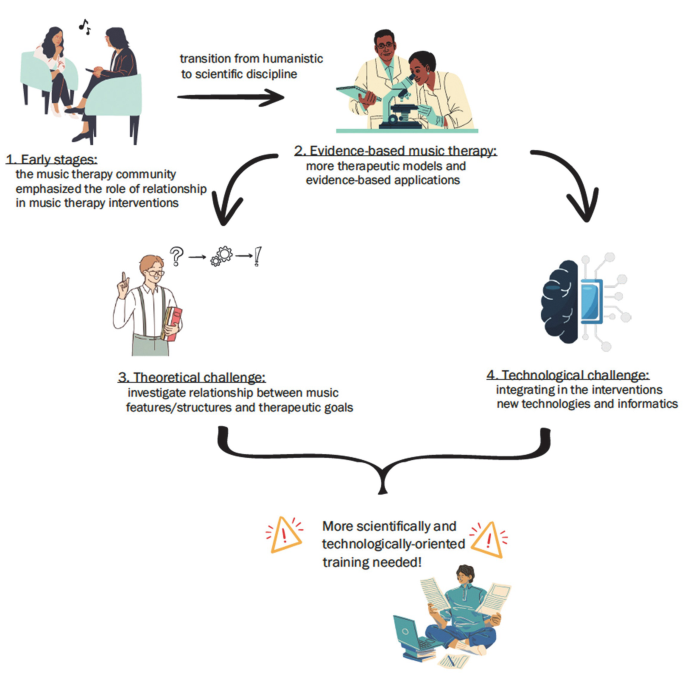
As the field of behavioral health evolves, there is growing recognition of the importance of creative and experiential therapies. Music therapy, in particular, offers a flexible, culturally adaptable approach that resonates with diverse populations.
Advancements in technology are also expanding access. Digital tools, virtual sessions, and personalized music platforms allow individuals to engage with therapeutic music practices beyond traditional settings.
For treatment providers, incorporating music therapy reflects a commitment to holistic, person-centered care. For individuals in recovery, it offers a meaningful, empowering way to reconnect with themselves and the world around them.
Putting Your Recovery in Perfect Harmony
Music has always been a part of human experience,ce marking milestones, expressing emotion, and bringing people together. In the context of addiction recovery, it becomes something more intentional: a pathway to healing.
For those navigating the challenges of methamphetamine addiction, including individuals seeking support at a meth addiction facility in Boise, music therapy provides a unique blend of science and creativity. It meets people where they are, offering both structure and freedom.
Recovery is not just about abstaining from substances. It is about rediscovering joy, connection, and purpose. Music, in its many forms, can help guide that journey one note at a time.