

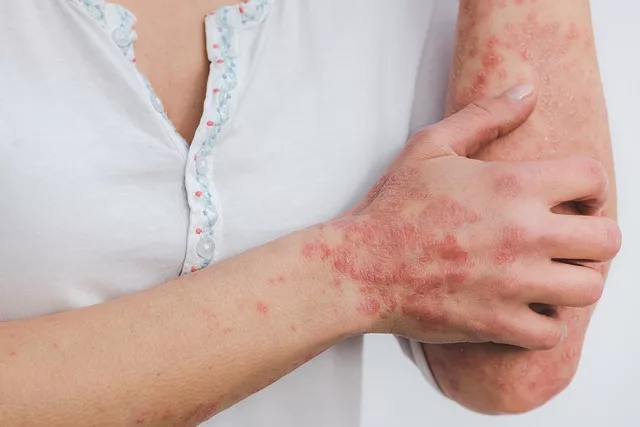
Addiction doesn’t just affect the brain and behavior; it often shows up on the skin, one of the body’s most visible and sensitive organs. For many people, changes in skin health can be among the earliest outward signs of substance use, and they can persist long after other symptoms develop.
In this article, Doctiplus helps you understand how addiction impacts the skin. This can help you recognize the warning signs earlier, seek appropriate care, and appreciate the importance of whole-person healing in recovery.
For those exploring treatment options, addressing physical health, including skin health, is often a key part of comprehensive care. Recovery is not only about stopping substance use; it’s also about restoring the body and rebuilding your overall well-being.
How Addiction Affects the Skin
The skin is deeply connected to internal health. It relies on proper hydration, nutrition, circulation, and hormonal balance, all of which can be disrupted by substance use. Different substances affect the body in different ways, but many share common pathways that lead to visible skin changes.
Disruption of Hydration and Nutrient Balance
Many addictive substances suppress appetite, alter metabolism, or lead to neglect of basic self-care. Over time, this can result in dehydration and deficiencies in essential vitamins and minerals such as vitamin C, vitamin A, zinc, and essential fatty acids. These nutrients play a critical role in maintaining skin elasticity, repairing damage, and supporting immune function.
When the body lacks these nutrients, the skin often becomes dry, flaky, and more prone to irritation. Fine lines and wrinkles may appear earlier, and the skin may lose its natural glow.
Impaired Blood Flow and Oxygenation
Substances like nicotine and certain stimulants constrict blood vessels, reducing blood flow to the skin. This limits the delivery of oxygen and nutrients while slowing the removal of toxins. As a result, the skin can appear dull, pale, or uneven in tone.
Over time, reduced circulation can also impair wound healing, making even minor cuts or blemishes take longer to heal.
Hormonal Imbalances
Addiction can disrupt the body’s endocrine system, leading to hormonal fluctuations that directly impact the skin. These changes can increase oil production, trigger acne breakouts, or worsen existing skin conditions such as eczema or psoriasis.
Hormonal shifts may also contribute to inflammation, which plays a role in redness, puffiness, and uneven texture.
Common Skin Conditions Linked to Substance Use
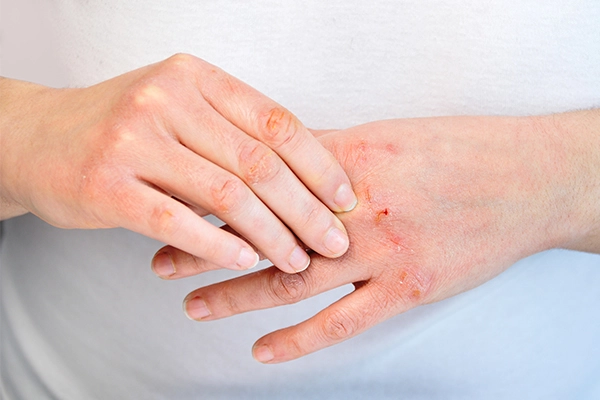
While the specific effects vary depending on the substance, there are several skin-related issues commonly associated with addiction.
Acne and Breakouts
Substances that affect hormones or increase oil production can lead to persistent acne. Poor hygiene, stress, and nutritional deficiencies can further worsen breakouts. In some cases, individuals may pick at their skin due to anxiety or stimulant use, leading to scarring and infection.
Premature Aging
Chronic substance use accelerates the aging process. Dehydration, oxidative stress, and reduced collagen production all contribute to fine lines, wrinkles, and sagging skin. The skin may also lose its elasticity, making it appear thinner and more fragile.
Skin Infections
Compromised immune function increases susceptibility to bacterial and fungal infections. This risk is particularly high for individuals who inject substances, as repeated skin punctures can introduce pathogens.
Infections may present as redness, swelling, warmth, or pus-filled lesions. Without proper treatment, they can become serious and spread to other parts of the body.
Hyperpigmentation and Discoloration
Changes in liver function, inflammation, and repeated skin trauma can lead to uneven pigmentation. Dark spots, blotchiness, and discoloration are common concerns among individuals with long-term substance use.
Itching and Skin Picking
Certain drugs can cause intense itching or the sensation of bugs crawling under the skin. This can lead to excessive scratching or picking, resulting in open wounds, scabs, and permanent scarring.Substance-Specific Effects on Skin
Different substances leave different marks on the skin, both literally and figuratively.
Alcohol
Alcohol is a diuretic, meaning it increases fluid loss and contributes to dehydration. Over time, this can leave the skin looking dry and tired. Alcohol also dilates blood vessels, which may lead to redness, particularly on the face.
Chronic alcohol use can impair liver function, which may result in jaundice, a yellowing of the skin and eyes, as well as increased susceptibility to bruising.
Opioids
Opioid use is often associated with itching, which can lead to skin damage from scratching. Injection use can result in track marks, scarring, and localized infections. Poor circulation and immune suppression further increase the risk of skin complications.
Stimulants
Stimulants such as cocaine and methamphetamine can cause severe skin issues. These substances may lead to repetitive picking behaviors, resulting in sores and scars. Reduced appetite and sleep deprivation also contribute to a gaunt appearance and poor skin health.
Cannabis and Other Substances
While cannabis is often perceived as less harmful, heavy use can still affect hormonal balance and skin condition in some individuals. Other substances, including synthetic drugs, may have unpredictable effects, sometimes causing rashes or allergic reactions.
Psychological Connection

Skin health and mental health are closely linked. Addiction often co-occurs with anxiety, depression, or trauma-related conditions, all of which can influence skin health.
Stress hormones like cortisol can increase inflammation and oil production, worsening conditions such as acne and eczema. Additionally, individuals struggling with addiction may feel self-conscious about their appearance, which can reinforce cycles of isolation and substance use.
Understanding this connection highlights the importance of integrated care that addresses both mental and physical health.
Can Skin Recover After Addiction?
A common question is whether the skin can heal once substance use stops. The answer is encouraging: in many cases, the skin can recover significantly with time, proper care, and medical support.
The Body’s Natural Healing Process
Once substance use is reduced or eliminated, the body begins to restore balance. Hydration improves, nutrient absorption stabilizes, and circulation gradually returns to normal. These changes can lead to noticeable improvements in skin texture, tone, and elasticity.
However, the timeline for recovery varies depending on factors such as age, duration of substance use, overall health, and access to care.
Role of Nutrition and Hydration
Replenishing the body with essential nutrients is critical for skin repair. Diets rich in fruits, vegetables, lean proteins, and healthy fats support collagen production and reduce inflammation. Adequate hydration helps maintain skin moisture and flush out toxins.
Medical and Dermatological Support
In some cases, professional treatment may be needed to address persistent skin issues. Dermatologists can provide targeted therapies for acne, scarring, pigmentation, and infections. For individuals in recovery, coordinating this care with addiction treatment providers ensures a holistic approach.
Why Integrated Treatment Matters
Addressing skin health in the context of addiction is not about vanity; it’s about recognizing the body as a whole system. Physical symptoms can provide important clues about underlying issues and can also affect self-esteem and motivation for recovery.
An evidence-based drug rehab in Henderson, NV often incorporates medical care, nutritional counseling, and mental health support into treatment plans. This integrated approach helps individuals rebuild their health from the inside out.
Building Healthy Routines
Recovery involves more than abstinence; it includes developing sustainable habits. Skincare routines, balanced nutrition, regular sleep, and stress management all contribute to long-term wellness.
These routines can also serve as grounding practices, helping individuals stay connected to their progress and maintain a sense of control.
Restoring Confidence
As the skin begins to heal, many individuals notice improvements in their appearance that can boost confidence. This can play a meaningful role in recovery, reinforcing positive changes and encouraging continued self-care.
Questions People Often Ask
How quickly does skin improve after quitting substances?
Some improvements, such as better hydration and reduced redness, can appear within weeks. More significant changes, like reduced scarring or improved elasticity, may take months or longer.
Are skin changes permanent?
Not always. While some damage, such as deep scars, may be long-lasting, many effects are reversible with proper care and time.
Should skincare be part of addiction recovery?
Yes. Skincare can be a valuable component of self-care and overall health. It also provides an opportunity to rebuild daily routines and focus on well-being.
When should someone seek professional help?
If skin issues are severe, painful, or persistent, it’s important to consult a healthcare provider. This is especially true for infections, unusual rashes, or symptoms that may indicate underlying medical conditions.
A Whole-Person Perspective on Healing
The effects of addiction on the skin are a visible reminder of the broader impact substance use can have on the body. But they also offer an opportunity for an early signal that something needs attention and care.
Recovery is not just about stopping harmful behaviors; it’s about restoring balance, rebuilding health, and creating a sustainable path forward. For individuals considering treatment, understanding the connection between addiction and skin health can provide additional motivation to seek support.
By addressing physical, emotional, and behavioral aspects together, recovery becomes more than a goal; it becomes a process of renewal that is visible both inside and out.