

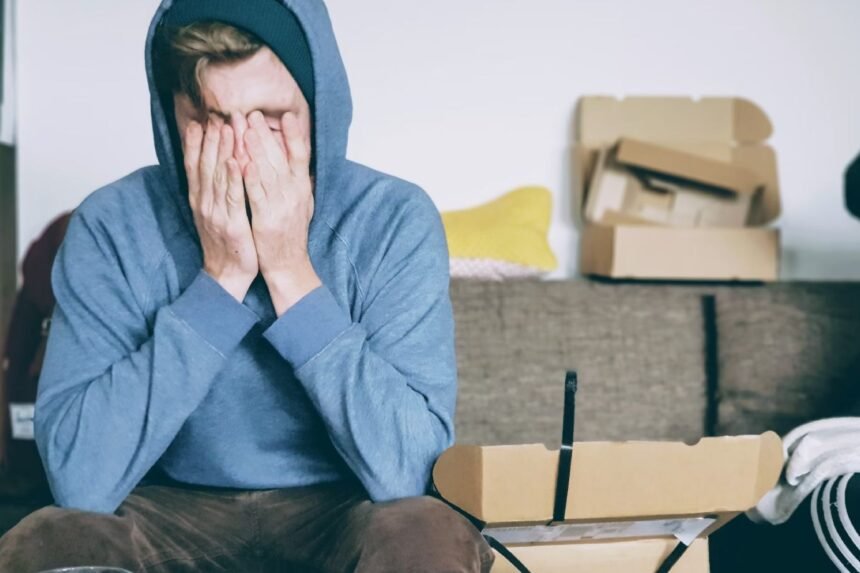
Parents often expect substance use to involve alcohol, marijuana, or illicit drugs. What can be more surprising and concerning is that many teens experiment with everyday household products to get high.
These items are legal, accessible, and often overlooked, making them particularly risky. Understanding what these substances are, how they’re used, and what warning signs to watch for can help families intervene early and effectively.
Doctiplus explores the hidden risks of household substance misuse and offers practical insights grounded in behavioral health expertise.
Why Teens Turn to Household Substances

Adolescence is a time of curiosity, risk-taking, and identity development. The brain’s reward system is highly active during this stage, while impulse control is still maturing. This combination can lead teens to experiment, especially when substances are easy to access.
Household items often feel “safer” to teens because they’re legal and commonly used by adults. There’s also a misconception that if something isn’t labeled as a drug, it must be harmless. Peer influence, stress, mental health challenges, and boredom can all contribute to this behavior.
Parents may wonder: Is this just experimentation, or something more serious? The answer depends on patterns, frequency, and underlying motivations. Even occasional misuse can be dangerous due to the unpredictable chemical effects of these substances.
Common Household Items Used to Get High
Inhalants: A Broad and Dangerous Category
Many household products fall under the category of inhalant substances that produce chemical vapors that can be inhaled to induce a psychoactive effect. These include:
Cleaning products, spray paints, glue, and air fresheners are among the most commonly misused. Teens may inhale fumes directly from the container, spray them into a bag, or soak a cloth and breathe through it.
The effects are often immediate but short-lived, creating a brief sense of euphoria, dizziness, or hallucination. However, inhalants can also cause sudden cardiac arrest, brain damage, and even death, sometimes on the first use.
Over-the-Counter Medications
Another category that often goes unnoticed is over-the-counter (OTC) medications. Cough syrups containing dextromethorphan (DXM), antihistamines, and motion sickness pills can be misused in high doses.
Teens may consume these products in quantities far beyond recommended dosages to achieve dissociative or hallucinogenic effects. Because these medications are readily available in most homes, misuse can escalate quickly without detection.
Prescription Medications Found at Home
Even when prescribed for legitimate reasons, medications like pain relievers, sedatives, or stimulants can be misused. Teens may take leftover prescriptions from family members or share medications with peers.
This type of misuse can be particularly dangerous due to the potency of these drugs and the risk of dependency or overdose.
Everyday Items with Unexpected Risks
Some teens experiment with items that may seem completely harmless at first glance. Whipped cream canisters, for example, contain nitrous oxide, which can produce a brief high when inhaled. Similarly, markers, correction fluid, and even gasoline fumes have been misused for their intoxicating effects.
These behaviors are often driven by curiosity and misinformation, but the consequences can be severe.
Signs Your Teen May Be Misusing Household Substances
Recognizing the signs of substance misuse is not always straightforward, especially when the substances are part of everyday life. However, there are behavioral and physical indicators that may signal a problem.
Changes in mood, increased secrecy, and a decline in academic performance can all be red flags. You might also notice chemical odors on clothing, missing household products, or unusual items like plastic bags or soaked rags in your teen’s room.
Physically, symptoms may include headaches, nausea, red eyes, or unexplained fatigue. In some cases, teens may appear disoriented or exhibit slurred speech. Persistent slurred speech can be a sign of an underlying neurological or speech-related condition that may require professional assessment.
Parents often ask: Should I confront my teen right away? The answer is yes—but with care. Approach the conversation with curiosity rather than accusation. Open-ended questions can help create a safe space for your teen to share what’s going on.
The Health Risks of Household Substance Misuse
Unlike regulated substances, many household items contain chemicals that are not intended for human consumption. This makes their effects unpredictable and often more dangerous.
Inhalants, for example, can displace oxygen in the brain, leading to hypoxia. Long-term use can result in cognitive impairment, memory loss, and damage to the liver and kidneys.
Even short-term use can be life-threatening. “Sudden sniffing death syndrome” is a well-documented risk associated with inhalant use, where the heart stops unexpectedly.
With OTC medications, the risks include organ damage, particularly to the liver and kidneys, as well as psychiatric symptoms like paranoia or hallucinations.
Understanding these risks is essential for prevention and early intervention.
Why Early Intervention Matters
The earlier substance misuse is identified, the better the outcomes. Adolescents are still developing neurologically, which means early exposure to harmful substances can have lasting effects on brain function and emotional regulation.
Intervening early also allows families to address underlying issues such as anxiety, depression, trauma, or social challenges. Substance use is often a symptom rather than the root problem.
Parents may feel unsure about when to seek professional help. If you notice repeated misuse, escalating behavior, or signs of dependency, it’s time to consult a specialist. Facilities like an accredited teen treatment center in Tucson offer comprehensive assessments and individualized care plans tailored to adolescents.
How Treatment Centers Support Teens and Families
Teen treatment centers are designed to address the unique developmental needs of adolescents. They combine clinical expertise with a supportive environment that fosters growth and resilience.
Individualized Therapy
Therapy is a cornerstone of treatment. Cognitive-behavioral therapy (CBT), dialectical behavior therapy (DBT), and trauma-informed approaches help teens understand their behaviors and develop healthier coping strategies.
Family Involvement
Family dynamics play a significant role in a teen’s recovery. Many programs include family therapy sessions to improve communication, rebuild trust, and create a supportive home environment.
Education and Skill Building
Teens in treatment continue their education while also learning life skills such as emotional regulation, decision-making, and stress management. These skills are essential for long-term success.
Aftercare Planning
Recovery doesn’t end when treatment does. Aftercare plans may include outpatient therapy, support groups, and ongoing family support to ensure continuity of care.
Preventing Household Substance Misuse
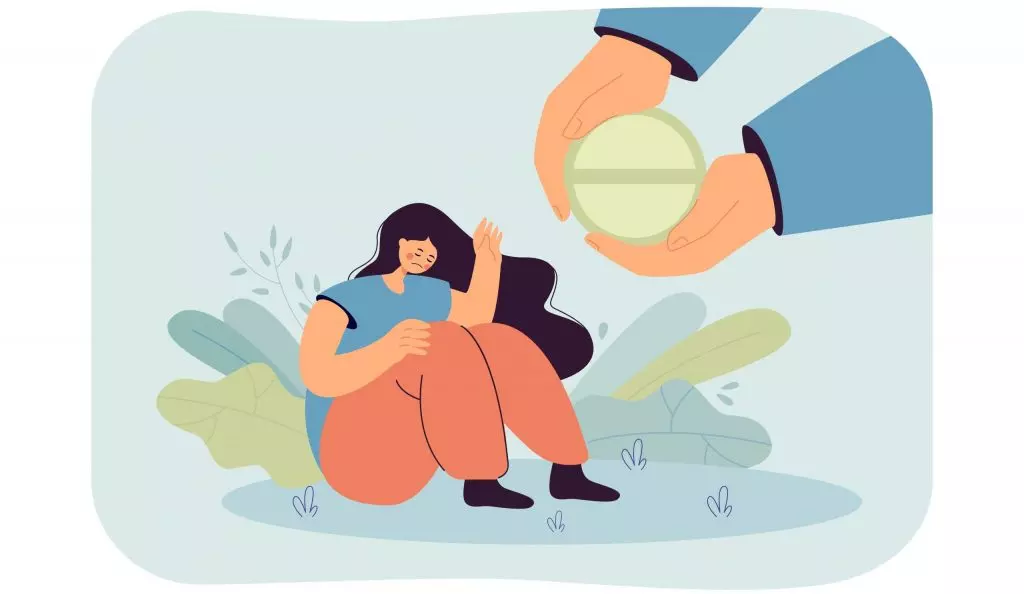
Prevention starts with awareness and communication. Parents can take proactive steps to reduce the risk of misuse without creating an atmosphere of fear or control.
Start by educating your teen about the risks associated with household substances. Be clear, factual, and open to questions. Avoid scare tactics, which can backfire.
Secure potentially harmful items, especially medications and products that could be misused. Keep track of quantities and store them in a safe place.
Most importantly, maintain open lines of communication. Teens are more likely to share their experiences and concerns when they feel heard and respected.
Questions Parents Often Ask
Is this behavior common among teens?
While not all teens engage in substance misuse, experimentation is relatively common. The use of household items is less visible but still a significant concern due to accessibility.
Can occasional misuse lead to addiction?
Yes. Even occasional use can lead to psychological dependence, especially if the behavior is used as a coping mechanism for stress or emotional pain.
What if my teen refuses help?
Resistance is not uncommon. Continue to express concern and keep the conversation open. In some cases, consulting a professional can help guide the next steps.
Protecting Your Teen’s Well-Being at Home
Discovering that your teen may be using household items to get high can be unsettling. However, it also presents an opportunity to intervene, educate, and support your child in meaningful ways.
By staying informed, maintaining open communication, and seeking professional guidance when needed, families can navigate this challenge with confidence.
Understanding the hidden risks in your own home is the first step toward protecting your teen’s health and well-being.