

Our immune system is a sophisticated network, constantly working to protect us from harm. While antibodies often get the spotlight, cell-mediated immunity (CMI) is an equally crucial player, acting as your body’s specialized forces that directly target and destroy infected or cancerous cells. Understanding and supporting this vital arm of your immunity is key to maintaining robust health and resilience against a wide range of threats. This guide provides clear, actionable, and medically sound advice to help you optimize your cell-mediated immunity.
Understanding Cell-Mediated Immunity’s Role
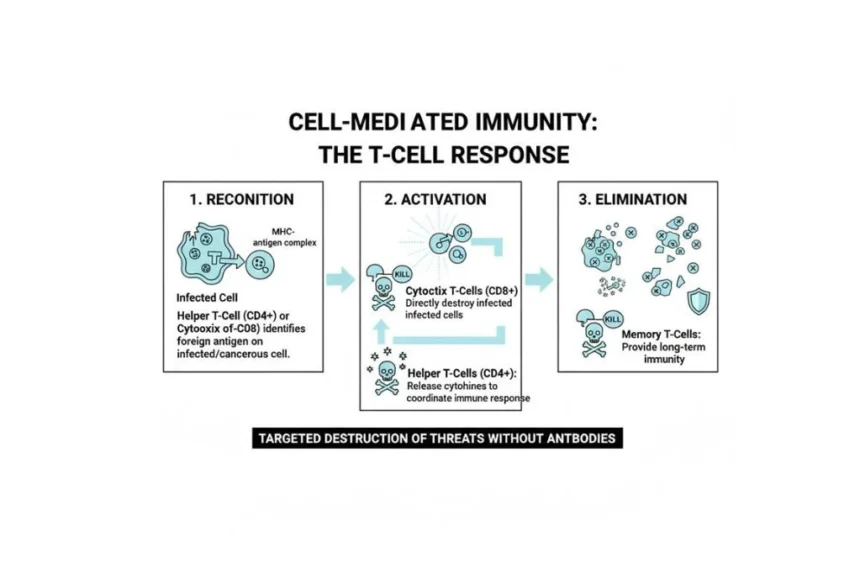
Cell-mediated immunity is a type of adaptive immunity that does not involve antibodies. Instead, it relies on specialized immune cells to identify and eliminate pathogens or abnormal cells.
- T-Lymphocytes (T-cells): These are the primary cells of CMI, maturing in the thymus gland.
- Cytotoxic T-cells (CD8+): Often called “killer T-cells,” they directly destroy infected cells or cancer cells.
- Helper T-cells (CD4+): Coordinate the immune response, activating other immune cells.
- Recognition: T-cells recognize specific antigens presented on the surface of infected or abnormal cells.
- Action: Once recognized, they either kill the target cell or release signaling molecules (cytokines) to orchestrate further immune responses.
Common Threats to CMI Function
Various factors can impair the efficiency of cell-mediated immunity, making the body more vulnerable to certain infections and diseases.
| Threat Factor | Mechanism of Harm |
| Chronic Stress | Increases cortisol, suppressing T-cell activity. |
| Poor Nutrition | Lacks essential vitamins/minerals for T-cell development. |
| Sedentary Lifestyle | Reduces overall immune surveillance. |
| Aging | Thymus gland shrinks, reducing T-cell production. |
Nutritional Strategies for CMI Support
Proper nutrition plays a crucial role in strengthening cell-mediated immunity, as specific nutrients and best amino acid supplements help support T-cell function, tissue repair, and overall immune response.
CMI-Enhancing Food List
| Category | Recommended Foods | Key Benefit |
| Zinc-Rich Foods | Oysters, Beef, Legumes, Pumpkin Seeds | Essential for T-cell development and function. |
| Vitamin D Sources | Fatty Fish (salmon), Fortified Dairy, Sunlight | Crucial for T-cell activation and modulation. |
| Antioxidant Vegetables | Spinach, Bell Peppers, Carrots, Broccoli | Protect immune cells from oxidative damage. |
| Protein (Lean) | Chicken, Fish, Tofu, Lentils | Provides amino acids for immune cell synthesis. |
The ‘Avoid’ List (Minimize Intake)
- Excessive Refined Sugars: Can dampen immune cell activity temporarily.
- Highly Processed Foods: Often lack essential nutrients and promote inflammation.
- Excessive Alcohol: Suppresses immune function and nutrient absorption.
Hydration and Daily Habits
Beyond nutrition, daily habits play a profound role in maintaining robust cell-mediated immunity.
Hydration is Key
Adequate water intake (aim for 2-3 liters daily) ensures optimal lymphatic flow, which is vital for the transport of immune cells throughout the body.
Power of Movement
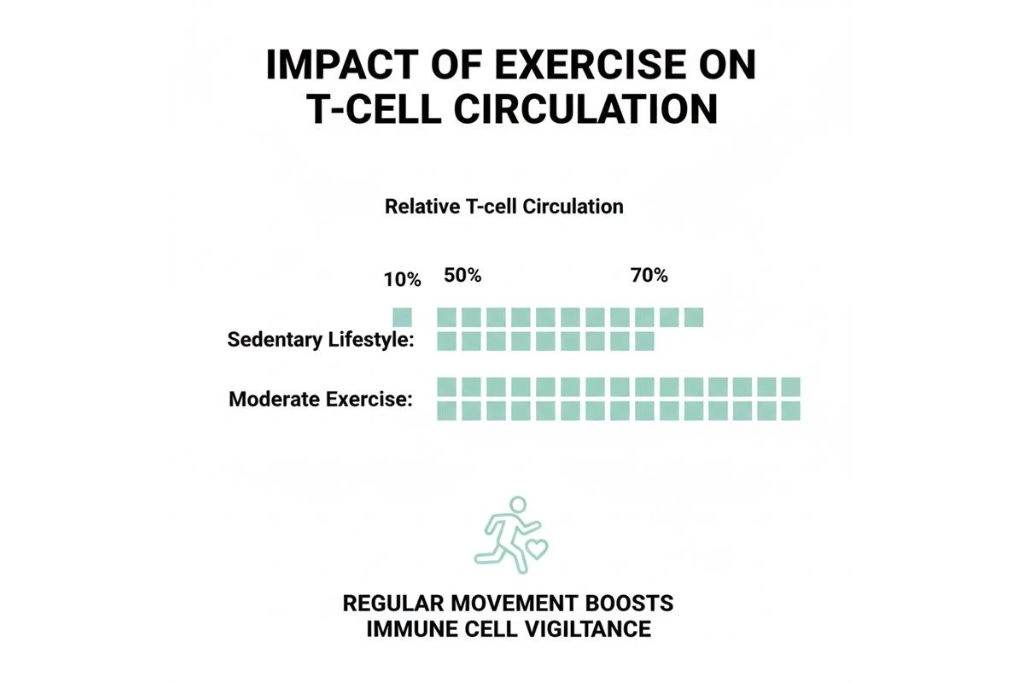
Regular, moderate exercise can significantly enhance immune function by increasing the circulation of immune cells, including T-cells.
Impact of Exercise on T-Cell Circulation (Illustrative ASCII Graph):
Simple Step-by-Step Immune Boosting Protocol
This holistic approach focuses on actionable steps to enhance your cell-mediated immunity over a consistent period.
- Prioritize Sleep: Aim for 7-9 hours of quality sleep per night. Sleep is critical for immune system regulation and T-cell memory formation.
- Manage Stress: Incorporate daily stress-reduction techniques like meditation, deep breathing, or yoga. Chronic stress significantly suppresses CMI.
- Gut Health Focus: Consume fermented foods (yogurt, kefir, sauerkraut) and plenty of fiber. A healthy gut microbiome positively influences immune cell development.
- Consider Targeted Supplementation (with caution): Discuss with your doctor supplements like Zinc, Vitamin D3, or Vitamin C, which are known to support CMI.
When to See a Doctor
While general immune support is beneficial, certain persistent or severe symptoms warrant professional medical attention.
- Frequent Infections: Recurring or unusually severe viral or bacterial infections.
- Slow Wound Healing: Wounds that take an abnormally long time to heal.
- Unexplained Fatigue: Persistent, debilitating tiredness that doesn’t improve with rest.
- Signs of Immunodeficiency: Any concerns about a weakened immune system should be discussed with a physician.
Improvement Timeline
Consistent efforts to boost your cell-mediated immunity can yield noticeable improvements in your overall resilience.
- 2-4 Weeks: You may experience increased energy levels and a general feeling of well-being.
- 3-6 Months: You might notice a reduction in the frequency or severity of common infections. Your body may also show improved recovery times.
- Long-Term (1 Year+): Sustained habits lead to a robust immune system, offering enhanced protection against a broader range of pathogens and contributing to overall longevity.
Final Advice
Nurturing your cell-mediated immunity is a continuous commitment to your health. It’s not about quick fixes but about building sustainable habits that empower your body’s intrinsic defenses. Consistency in nutrition, lifestyle, and stress management will provide the strong foundation your T-cells need to keep you healthy and resilient.
Medical Disclaimer
The information provided in this article is for educational purposes only and is not a substitute for professional medical advice, diagnosis, or treatment. Always seek the advice of a qualified healthcare provider with any questions you may have regarding a medical condition.
References
- National Institutes of Health (NIH). (Information on Immune System and T-cells).
- Journal of Immunology. (Research on Nutrition and Immune Function).
- Nature Reviews Immunology. (Articles on Cell-Mediated Immune Responses).