

Living with anxiety, panic symptoms, or seizures can feel overwhelming, especially when symptoms interrupt your daily routine or sleep. Clonazepam is a medication doctors often prescribe to help stabilise the brain’s electrical activity and calm the nervous system. This guide explains how it works, how to use it safely, and what to expect.
What Is Clonazepam?
Clonazepam is a benzodiazepine medication prescribed to reduce abnormal brain activity. It has calming, anti-anxiety, anti-seizure, and muscle-relaxing properties.
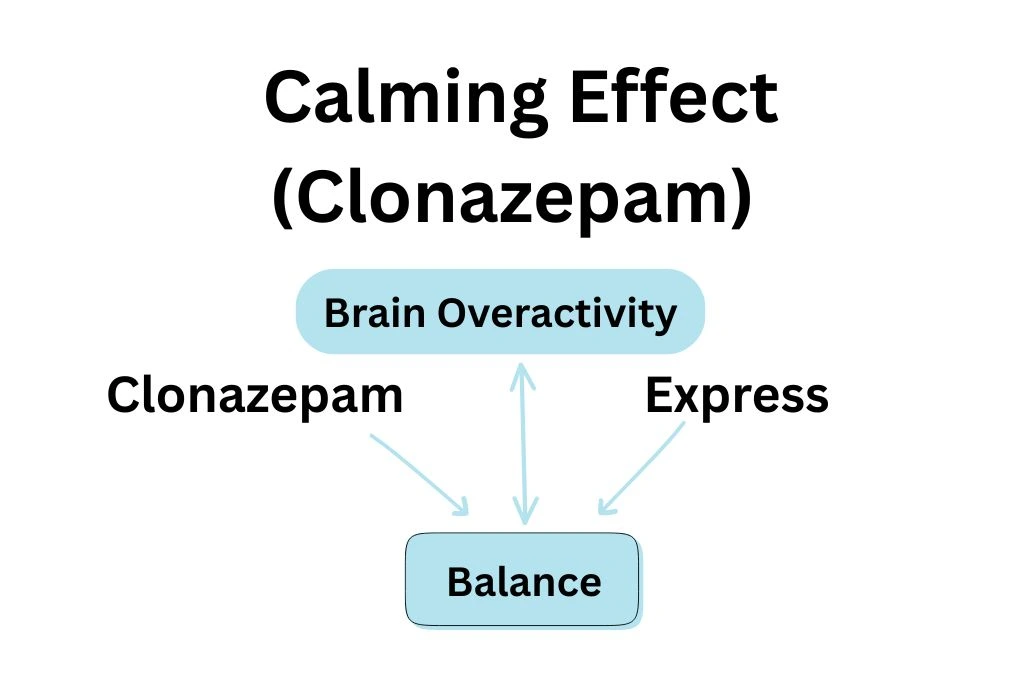
Simple Diagram (How It Feels in the Body)
How Clonazepam Works
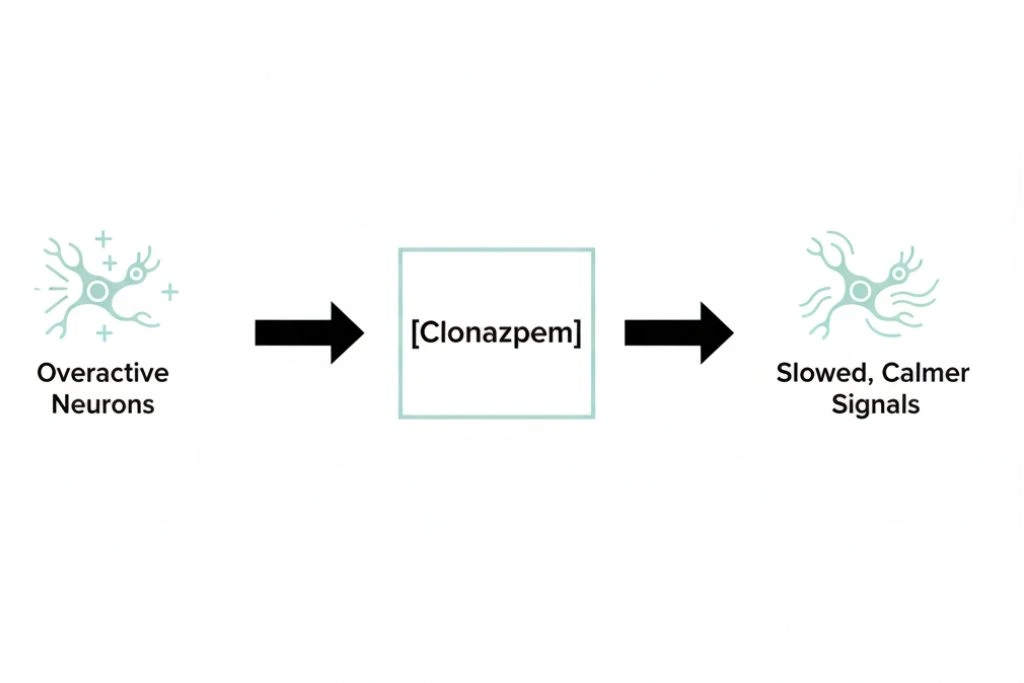
Clonazepam increases the effect of GABA, a calming neurotransmitter.
Think of it as a brake pedal for an overactive nervous system.
Approved Medical Uses
Doctors commonly prescribe clonazepam for:
- Panic disorder
- Generalised anxiety disorder (short-term use)
- Seizure disorders (e.g., absence seizures, myoclonic seizures)
- Restless sleep behaviours
- Acute muscle spasms
- Certain movement disorders (e.g., dystonia)
How to Take Clonazepam Safely
- Always follow your doctor’s dosing schedule.
- Do not increase or stop the medication suddenly.
- Avoid alcohol — the combination can dangerously suppress breathing.
- Take at the same time daily to maintain steady levels.
- Do not drive or operate machinery until you know how it affects you.
Dosage Guide (Doctor-Style Explanation)
Adults (Anxiety/Panic)
- Usually starts at low dose (e.g., 0.25–0.5 mg once or twice daily).
- May be adjusted slowly, depending on symptoms.
Seizure Disorders
- Often requires gradual titration to find the most stable level.
Children
- Dose is based on weight and medical condition.
Important: This is general guidance, your doctor will personalise your dose.
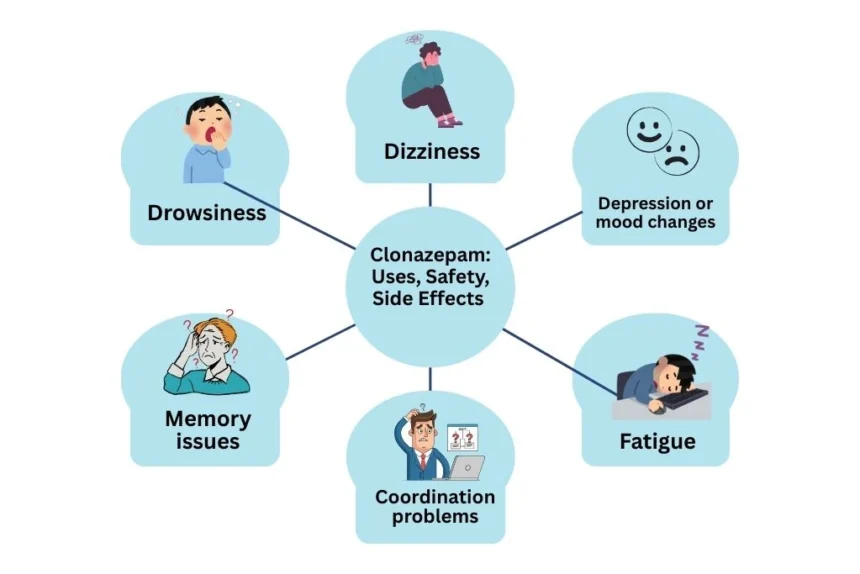
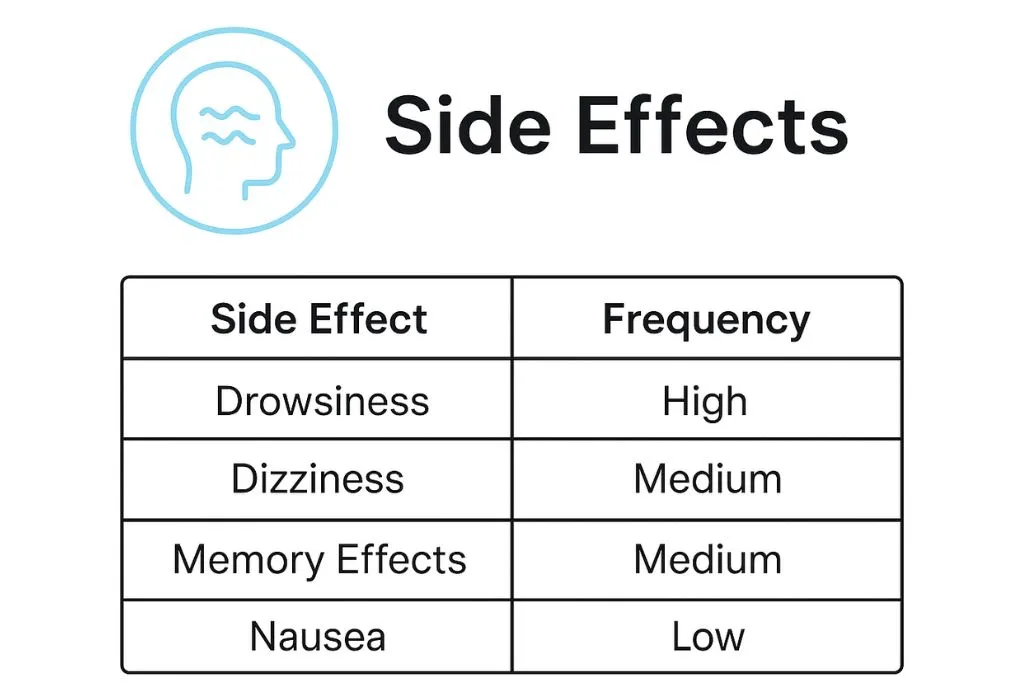
Side Effects
Common:
- Sleepiness
- Dizziness
- Light-headedness
- Memory fog
- Slow reaction time
Less common:
- Mood changes
- Confusion
- Balance issues
- Blurred vision
Rare but serious:
- Breathing difficulty
- Severe allergic reaction
- Worsening depression
Dependence, Tolerance and Withdrawal
Clonazepam can cause physical dependence if taken for more than a few weeks.
Withdrawal symptoms may include:
- Anxiety return
- Irritability
- Tremors
- Sleep disturbance
- Sweating
Never stop clonazepam suddenly; a doctor-guided taper is essential.
Foods, Habits and Lifestyle Tips
Foods that Support Calm Nervous Function
- Oats
- Almonds
- Bananas
- Chamomile tea
- Spinach
- Salmon
- Whole grains
Foods to Limit
- Caffeine
- Energy drinks
- Chocolate late at night
- Alcohol
Helpful Habits
- Regular sleep schedule
- 10–20 minutes daily deep breathing
- Light exercise
- Reduce screen time before bed
Daily Routine Example
Morning – Light breakfast + gentle walk
Midday – Medication (if prescribed) + hydration
Evening – Relaxation routine + limit screen exposure
Night – Take clonazepam if doctor prescribed night dosing
ASCII Diagrams and Graphs
Diagram: How Fast Clonazepam Starts Working
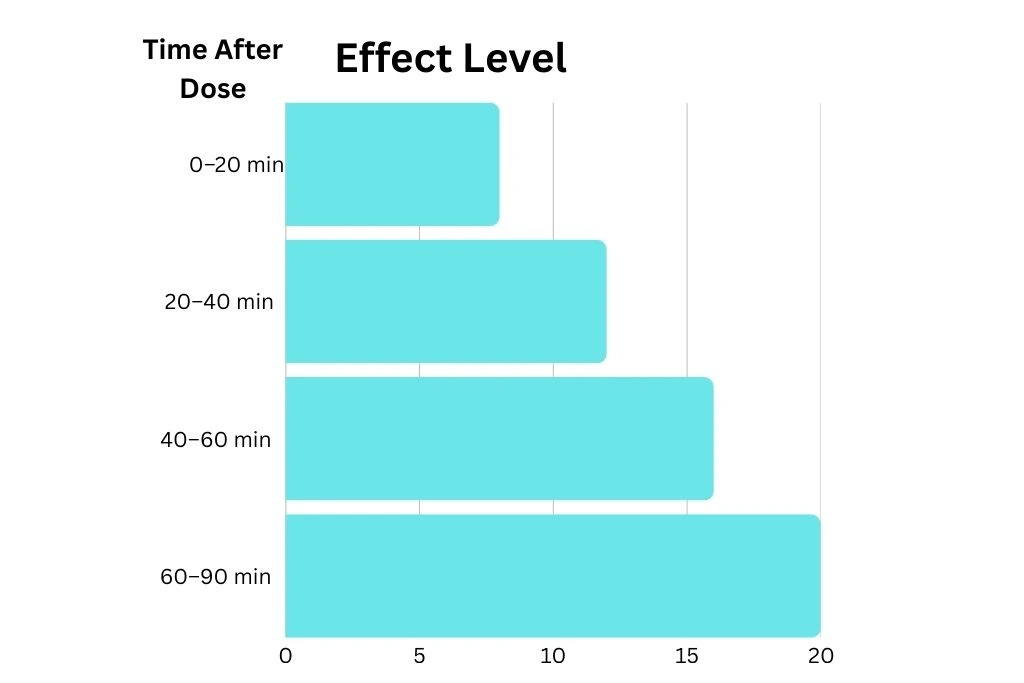
Table: Common Side Effects Frequency
When to See a Doctor
Seek medical help urgently if you experience:
- Trouble breathing
- Severe confusion
- Extreme drowsiness
- Chest pain
- Allergic swelling
Contact your doctor if:
- Anxiety is worsening
- You feel no improvement after several weeks
- You wish to stop the medication
- You’re pregnant or planning pregnancy
Improvement Timeline
First 1–2 hours: Initial calming
1–3 days: Reduced panic symptoms
1–2 weeks: More stable anxiety control
2–6 weeks: Evaluation of long-term plan
After 2+ months: Doctors often reassess due to dependence risk
Final Advice
Clonazepam can be highly effective when used correctly and temporarily. It’s important to stay in regular contact with your doctor, follow dosing instructions carefully, and develop healthy routines to support your recovery.