
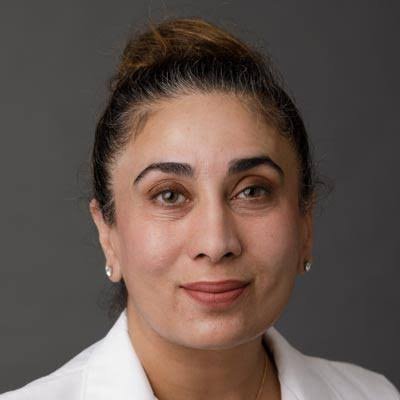
Dr. Amrit Thandi Family Medicine Physician
Dr. Amrit Thandi is a board-certified family medicine physician providing preventive, diagnostic, and continuing primary care for patients in Houston, Texas.
Her clinical work includes routine physical examinations, preventive screening, women’s health services, vaccination review, and management of common short-term and long-term medical conditions.
Patients may visit Dr. Thandi for high blood pressure, diabetes, cholesterol concerns, respiratory symptoms, digestive problems, urinary symptoms, thyroid concerns, joint pain, skin conditions, or a general health assessment.
As a family physician, she may also coordinate care with specialists when a patient needs cardiology, endocrinology, gastroenterology, surgery, mental healthcare, or another focused medical service.
Dr. Thandi practises through Thandi Medical Clinic & Spa in Houston and is affiliated with HCA Houston Healthcare North Cypress.
Patients comparing Houston primary care physicians may also read about Dr. Kyle L. Scarborough’s family medicine care.
Doctor Information
Name: Dr. Amrit Thandi, MD
Specialty: Family Medicine
Board Certification: American Board of Family Medicine
Medical School: Dayanand Medical College
Medical Degree Completed: 1997
Internship: Transitional Year, Wayne State University School of Medicine
Internship Period: 1999 to 2000
Residency: Family Medicine, University of Illinois College of Medicine at Chicago
Residency Period: 2000 to 2003
Practice: Thandi Medical Clinic & Spa
Primary Location: Houston, Texas
Hospital Affiliation: HCA Houston Healthcare North Cypress
Languages: English is consistently listed; some profiles also report Hindi, Punjabi, and Spanish
NPI Number: 1295771137
Texas Medical Licence: Current professional records list an active licence through 2027
Accepting New Patients: Availability should be confirmed directly with the practice
Online Scheduling: Listed through selected booking platforms, subject to current availability
About Dr. Amrit Thandi
Dr. Thandi earned her medical degree from Dayanand Medical College in India in 1997.
After moving to the United States, she completed a transitional internship at Wayne State University School of Medicine.
She then completed family medicine residency training at the University of Illinois College of Medicine at Chicago.
Family medicine training covers preventive healthcare and the diagnosis and management of common conditions affecting patients across different stages of life.
A family physician often serves as the first doctor a patient contacts when a new symptom develops.
Dr. Thandi may:
- Review symptoms and medical history
- Perform a physical examination
- Order laboratory or imaging tests
- Prescribe medicine
- Monitor long-term conditions
- Provide preventive screening
- Review vaccination needs
- Arrange specialist referrals
- Coordinate care after hospital treatment
The exact service provided depends on the patient’s age, symptoms, medical risks, previous results, and current treatment.
Family Medicine Services
Dr. Thandi may provide primary care involving:
- Annual physical examinations
- Preventive health assessments
- Women’s health visits
- Blood pressure management
- Diabetes monitoring
- Cholesterol treatment
- Thyroid evaluation
- Respiratory illness care
- Digestive symptom assessment
- Urinary symptom evaluation
- Skin-condition assessment
- Joint and muscle concerns
- Medication management
- Vaccination review
- Care coordination
Some conditions can be treated during one visit.
Others require repeat testing, long-term monitoring, medication adjustment, or referral to another medical specialist.
Annual Physical Examinations
An annual physical allows Dr. Thandi to review the patient’s overall health rather than focusing on one immediate symptom.
The visit may include:
- Updating the medical history
- Reviewing current prescriptions
- Checking blood pressure
- Measuring pulse and other vital signs
- Listening to the heart and lungs
- Reviewing recent weight changes
- Discussing sleep and activity
- Assessing preventive screening needs
- Reviewing vaccination records
- Ordering laboratory tests when appropriate
Not every patient requires the same tests every year.
Testing should be selected according to age, medical history, symptoms, family risks, and previous results.
Preventive Healthcare
Preventive care aims to identify health risks before they cause major complications.
Dr. Thandi may assess:
- High blood pressure
- Elevated blood glucose
- Abnormal cholesterol
- Kidney-health risks
- Liver-test changes
- Cancer-screening needs
- Bone-health risks
- Vaccination status
- Family medical history
- Medicine side effects
Preventive care also includes discussing changes in sleep, energy, appetite, bowel habits, urination, breathing, or physical function.
A screening test is intended for patients without symptoms.
A person who already has bleeding, persistent pain, a new lump, or another concerning change may need diagnostic testing instead.
High Blood Pressure
High blood pressure may cause no obvious symptoms while gradually affecting the heart, brain, kidneys, eyes, and blood vessels.
Dr. Thandi may manage hypertension through:
- Office blood pressure readings
- Review of home measurements
- Medication selection
- Dosage adjustment
- Kidney-function monitoring
- Cardiovascular risk assessment
- Review of medicine side effects
- Lifestyle-related medical guidance
One high reading does not always confirm hypertension.
Repeated measurements, correct cuff size, and home monitoring may provide a clearer picture.
Patients using a home monitor can record the date, time, reading, and whether medicine, activity, caffeine, or stress may have affected it.
Diabetes Care
Diabetes affects how the body controls blood glucose.
Long-term high glucose may affect the:
- Heart
- Blood vessels
- Kidneys
- Eyes
- Nerves
- Feet
- Immune system
Dr. Thandi may provide diabetes care through:
- A1C testing
- Fasting glucose testing
- Home glucose review
- Medication management
- Blood pressure treatment
- Cholesterol monitoring
- Kidney-function testing
- Urine-protein testing
- Foot assessment
- Eye-examination referrals
Treatment may include oral medicine, injectable treatment, insulin, or a combination of approaches.
The plan should consider kidney health, cardiovascular risk, glucose patterns, medicine tolerance, and the patient’s ability to follow the schedule.
Patients with difficult-to-control diabetes or another complex hormonal condition may also need care from an endocrinologist such as Dr. Jeffrey S. Brown.
Prediabetes
Prediabetes means glucose levels are higher than expected but have not reached the diagnostic range for diabetes.
Care may involve:
- Repeat A1C testing
- Nutrition changes
- Regular physical activity
- Blood pressure control
- Cholesterol assessment
- Sleep evaluation
- Review of medicines affecting glucose
- Medication in selected cases
The aim is to reduce future metabolic risks through realistic changes that can be maintained.
High Cholesterol
High levels of certain blood fats can contribute to plaque developing within the arteries.
A cholesterol assessment may include:
- Total cholesterol
- LDL cholesterol
- HDL cholesterol
- Triglycerides
- Diabetes status
- Blood pressure
- Kidney function
- Tobacco exposure
- Family cardiovascular history
- Previous heart or vascular disease
Treatment may include nutrition changes, physical activity, prescription medicine, or improved control of another condition.
Recommendations should reflect total cardiovascular risk rather than one number alone.
Cardiovascular Risk Assessment
Family medicine plays an important role in identifying conditions that increase the likelihood of heart disease or stroke.
Dr. Thandi may review:
- Blood pressure
- Cholesterol
- Diabetes
- Kidney disease
- Family history
- Physical activity
- Sleep-related breathing concerns
- Previous cardiovascular problems
- Current prescriptions
Depending on the findings, care may include an electrocardiogram, laboratory testing, medicine, or referral to a cardiologist.
Thyroid Conditions
The thyroid gland produces hormones that influence energy, digestion, temperature regulation, heart rate, and metabolism.
Possible thyroid-related symptoms include:
- Tiredness
- Unexplained weight changes
- Sensitivity to heat or cold
- Constipation
- Rapid heartbeat
- Tremor
- Dry skin
- Hair changes
- Muscle weakness
- Difficulty concentrating
These symptoms can have many causes.
Blood testing is normally needed before a thyroid disorder can be diagnosed.
Dr. Thandi may manage common thyroid conditions or refer the patient to an endocrinologist when testing or treatment becomes more complex.
Respiratory Symptoms
Cough, congestion, wheezing, and shortness of breath may develop because of:
- Viral infection
- Bacterial infection
- Asthma
- Allergies
- Chronic lung disease
- Acid reflux
- Medicine effects
- Heart conditions
- Environmental exposure
Dr. Thandi may ask when the symptoms began, whether fever is present, and whether breathing becomes worse during activity or sleep.
Evaluation may include oxygen measurement, lung examination, infection testing, chest imaging, or referral for breathing tests.
Cold and Flu-Like Illness
Viral respiratory illnesses may cause:
- Cough
- Sore throat
- Nasal congestion
- Fever
- Headache
- Muscle discomfort
- Tiredness
Antibiotics do not treat viral infections.
Dr. Thandi may assess whether symptoms are more consistent with a common viral illness, influenza, bacterial infection, pneumonia, asthma, or another condition.
Treatment may focus on symptom relief, hydration, rest, and monitoring unless testing or examination identifies a condition needing specific medicine.
Acute Bronchitis
Acute bronchitis causes inflammation within the breathing tubes and commonly follows a viral illness.
Symptoms may include:
- Continuing cough
- Mucus
- Chest discomfort
- Mild wheezing
- Tiredness
- Throat irritation
A cough can remain after the original infection improves.
Antibiotic treatment is not routinely useful unless there is evidence of a bacterial condition or another diagnosis.
Asthma
Asthma causes recurring inflammation and narrowing of the airways.
Symptoms may include:
- Wheezing
- Cough
- Chest tightness
- Shortness of breath
- Nighttime symptoms
- Symptoms after exercise
- Problems after allergen exposure
Dr. Thandi may review how often symptoms occur, which triggers are present, and how frequently rescue medicine is needed.
Treatment may involve inhaled medicine, trigger management, inhaler education, and further testing when appropriate.
Allergies
Allergic conditions may affect the nose, eyes, skin, lungs, or digestive system.
Possible symptoms include:
- Sneezing
- Nasal congestion
- Itchy eyes
- Watery eyes
- Skin irritation
- Hives
- Wheezing
- Symptoms after specific exposures
Dr. Thandi may review environmental triggers, seasonal patterns, food exposure, medicine use, and family history.
Treatment depends on whether symptoms are caused by allergy, infection, asthma, skin inflammation, or another condition.
Digestive Symptoms
Dr. Thandi may provide the first assessment for digestive concerns such as:
- Heartburn
- Acid reflux
- Abdominal discomfort
- Nausea
- Constipation
- Diarrhoea
- Bloating
- Changes in bowel habits
- Appetite changes
Evaluation may involve medication review, laboratory testing, stool studies, imaging, or referral to a gastroenterologist.
Patients should explain whether symptoms are connected with meals, bowel movements, particular foods, or a recently started medicine.
Acid Reflux
Acid reflux occurs when stomach contents move upward into the oesophagus.
Symptoms may include:
- Heartburn
- Regurgitation
- Sour taste
- Throat irritation
- Cough
- Symptoms after eating
- Symptoms while lying down
Dr. Thandi may review meal timing, medicine use, symptom frequency, and response to previous treatment.
Referral for upper endoscopy may be considered when reflux occurs with swallowing difficulty, bleeding, anemia, repeated vomiting, or unexplained weight loss.
Constipation
Constipation may involve hard stool, infrequent bowel movements, straining, or incomplete emptying.
Possible causes include:
- Low fibre intake
- Inadequate fluid intake
- Reduced activity
- Medicine
- Diabetes
- Thyroid disease
- Neurological conditions
- Structural bowel disease
Dr. Thandi may review bowel patterns, diet, prescriptions, and associated symptoms.
Further evaluation may be needed when constipation begins suddenly or occurs with bleeding, severe pain, anemia, or unexplained weight loss.
Diarrhoea
Diarrhoea may result from:
- Infection
- Food intolerance
- Medicine
- Digestive inflammation
- Irritable bowel syndrome
- Another medical condition
Dr. Thandi may ask:
- When symptoms began
- How often they occur
- Whether blood is present
- Whether fever has developed
- Whether travel occurred
- Which medicines were recently started
- Whether weight has changed
Testing may include blood work, stool studies, or specialist referral.
Urinary Symptoms
Urinary concerns may be caused by infection, bladder irritation, kidney stones, diabetes, medicine, prostate conditions, or another problem.
Dr. Thandi may assess:
- Painful urination
- Frequent urination
- Urgency
- Blood in the urine
- Lower abdominal discomfort
- Back or side pain
- Difficulty emptying the bladder
- Repeated urinary symptoms
Testing may include urine analysis, urine culture, blood work, or imaging.
Repeated symptoms do not always mean a bacterial infection is present.
Identifying the cause helps avoid unnecessary antibiotic treatment.
Kidney Health
Diabetes, high blood pressure, dehydration, medicine, and other conditions can affect kidney function.
Dr. Thandi may monitor kidney health through:
- Blood testing
- Urine testing
- Urine-protein measurement
- Blood pressure management
- Diabetes treatment
- Medication review
- Assessment of swelling
- Review of urination changes
Early kidney disease may produce few symptoms.
Routine monitoring is particularly important for patients with diabetes, hypertension, or cardiovascular disease.
Women’s Health Services
Family physicians may provide selected women’s health and preventive services.
Depending on current clinic services, Dr. Thandi may offer or coordinate:
- Routine gynecological examinations
- Cervical cancer screening
- Menstrual concern evaluation
- Menopause-related medical care
- Breast-health assessment
- Pregnancy testing
- Contraception discussions
- Referral to an obstetrician or gynecologist
Patients should confirm which examinations and procedures are currently offered when scheduling.
Cervical Cancer Screening
Cervical screening may involve a Pap test, HPV testing, or both, depending on age and medical history.
The recommended timing may change because of:
- Previous abnormal results
- Immune-system conditions
- Earlier cervical treatment
- Age
- Other health risks
Screening is intended to identify changes before they develop into serious disease.
A patient with bleeding, pain, or another symptom may require a diagnostic assessment rather than routine screening alone.
Breast Concerns
Dr. Thandi may provide an initial assessment for concerns such as:
- A new breast lump
- Localised pain
- Nipple discharge
- Skin changes
- Abnormal screening results
- Family history of breast cancer
The evaluation may include a clinical examination and referral for mammography, ultrasound, or specialist assessment.
Many breast changes are not cancerous, but a new or unexplained finding should be examined properly.
Menstrual and Menopause Concerns
Hormonal changes may affect:
- Menstrual timing
- Bleeding patterns
- Sleep
- Mood
- Temperature regulation
- Bone health
- Energy
- Vaginal comfort
Dr. Thandi may assess whether symptoms are consistent with a normal transition or require testing for thyroid disease, anemia, pregnancy, or another condition.
Treatment depends on symptom severity, medical history, and personal risks.
Skin Conditions
Family physicians evaluate many common skin concerns.
Dr. Thandi may assess:
- Rashes
- Eczema
- Acne
- Fungal infections
- Minor bacterial infections
- Allergic reactions
- Insect bites
- Changing skin growths
- Dry or irritated skin
Treatment depends on the appearance, location, duration, and associated symptoms.
A changing, bleeding, irregular, or persistent growth may require biopsy or referral to a dermatologist.
Joint and Muscle Pain
Joint or muscle discomfort may result from:
- Arthritis
- Injury
- Tendon irritation
- Overuse
- Inflammation
- Nerve problems
- Medicine effects
- Autoimmune disease
Dr. Thandi may assess movement, swelling, tenderness, strength, and the effect of activity.
Care may include laboratory tests, imaging, medicine, physical therapy, or referral to an orthopedic physician or rheumatologist.
Headaches
Headaches may be connected with:
- Migraine
- Tension
- Sinus symptoms
- Sleep disruption
- Dehydration
- Vision problems
- Medication
- High blood pressure
- Another medical condition
Dr. Thandi may ask about the location, severity, duration, triggers, and associated symptoms.
The assessment may include a neurological examination, blood-pressure check, medication review, or additional testing.
Tiredness and Low Energy
Tiredness can develop because of:
- Poor sleep
- Anemia
- Thyroid disease
- Infection
- Diabetes
- Medication
- Mood conditions
- Heart or lung disease
- Other medical causes
Dr. Thandi may review sleep, appetite, activity, medicine, and associated symptoms.
Blood testing may assess blood-cell counts, glucose, thyroid function, kidney health, or other possible contributors.
Anemia
Anemia occurs when the blood does not carry enough oxygen because haemoglobin or red-blood-cell levels are low.
Possible symptoms include:
- Tiredness
- Weakness
- Dizziness
- Shortness of breath
- Pale skin
- Rapid heartbeat
- Reduced exercise tolerance
Possible causes include iron deficiency, vitamin deficiency, kidney disease, chronic inflammation, or blood loss.
Dr. Thandi may order laboratory tests and investigate the underlying cause rather than treating the result alone.
Medication Management
Patients may receive prescriptions from several healthcare professionals.
A medication review may identify:
- Duplicate treatment
- Interactions
- Side effects
- Incorrect doses
- Medicine affecting kidney function
- Medicine contributing to dizziness
- Difficulty following the schedule
- Treatment that may no longer be needed
Patients should bring a complete list of prescriptions, vitamins, supplements, and non-prescription products.
Medicine should not be stopped suddenly unless the prescribing clinician provides instructions.
Vaccination Review
Vaccination is an important part of preventive family medicine.
Dr. Thandi may review vaccine needs according to:
- Age
- Previous records
- Medical conditions
- Work or travel
- Pregnancy status
- Medicine affecting immunity
- Previous vaccine reactions
Patients should bring available immunisation records to help identify missing doses and avoid unnecessary repetition.
Care After Hospital Treatment
A follow-up appointment after hospital discharge may include:
- Reviewing the diagnosis
- Checking recovery
- Comparing old and new prescriptions
- Reviewing test results
- Clarifying discharge instructions
- Arranging specialist appointments
- Ordering repeat tests
- Monitoring new symptoms
Patients should bring discharge documents and the medicines they are currently using.
Medication reconciliation is important because treatment often changes during a hospital stay.
Preparing for a Family Medicine Appointment
Patients can prepare by bringing:
- A current medicine list
- Recent laboratory reports
- Imaging results
- Hospital records
- Home blood pressure readings
- Blood glucose records
- Vaccination information
- A list of allergies
- Family medical history
- Questions about treatment
It may help to write down:
- When symptoms began
- How frequently they occur
- What makes them better or worse
- Which treatments have already been tried
- Whether sleep or daily activity is affected
- Whether another doctor recently changed a medicine
Patients with several concerns may wish to identify the most important two or three issues before the appointment.
Multilingual Primary Care
English is consistently listed across Dr. Thandi’s current profiles.
Some professional listings also report Hindi, Punjabi, and Spanish, although patients should confirm which languages are currently available directly from the clinic.
Clear communication can help patients:
- Describe symptoms accurately
- Understand medicine instructions
- Prepare for testing
- Review chronic disease results
- Ask questions about referrals
- Participate in treatment decisions
Patients who need interpretation assistance should ask what language support is available when scheduling.
Coordinated Family Healthcare
Family medicine may require cooperation with:
- Cardiologists
- Endocrinologists
- Gastroenterologists
- Kidney specialists
- Pulmonologists
- Neurologists
- Surgeons
- Gynecologists
- Physical therapists
- Mental health professionals
Coordination can reduce repeated testing, identify medicine interactions, and keep different treatment plans consistent.
Patients seeking another Houston-area internist may also review Dr. Hung M. Le’s internal medicine profile or Dr. Nancy T. Hoang’s family medicine profile.
Patient-Centered Family Medicine
Dr. Thandi provides family medicine care based on each patient’s symptoms, medical history, current prescriptions, preventive needs, laboratory results, and long-term health priorities.
Her services may include physical examinations, preventive screening, women’s health visits, vaccination review, diabetes and blood pressure treatment, cholesterol management, and assessment of common respiratory, digestive, urinary, skin, and musculoskeletal concerns.
Patients should confirm current appointment availability, accepted insurance plans, hospital participation, language services, women’s health services, online-booking options, and referral requirements directly with Thandi Medical Clinic & Spa.



Reviews
There are no reviews yet.