

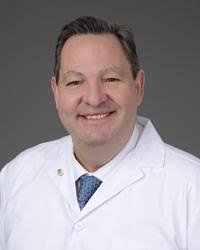
Dr. Amy L. Woodruff, MD Cardiac Electrophysiologist and Cardiologist
Dr. Amy L. Woodruff, MD, is a board-certified cardiologist who specializes in clinical cardiac electrophysiology. This branch of cardiology focuses on the electrical signals that control heart rate and rhythm.
Patients may consult Dr. Woodruff for palpitations, atrial fibrillation, an unusually fast or slow heartbeat, fainting, abnormal heart-monitor results, or another suspected rhythm disorder. Her practice may also provide assessment for catheter ablation, pacemakers, implantable defibrillators, and other rhythm-management procedures.
Current professional records identify her with Texas Electrophysiology Associates in Houston. They also confirm specialty certification in internal medicine, cardiovascular disease, and clinical cardiac electrophysiology.
An electrophysiology consultation does not automatically mean a procedure or implanted device is needed. The appointment may lead to monitoring, medication adjustment, additional testing, continued observation, or a procedure when the expected benefits support it.
About Dr. Amy L. Woodruff
Dr. Woodruff’s practice concentrates on electrical disorders of the heart. She provides care for patients whose heartbeat may be too fast, too slow, irregular, or interrupted by abnormal electrical pathways.
Her areas of assessment may include:
- Atrial fibrillation
- Atrial flutter
- Supraventricular tachycardia
- Ventricular arrhythmias
- Bradycardia
- Heart block
- Palpitations
- Unexplained fainting or near-fainting
- Abnormal electrocardiogram findings
- Rhythm disturbances identified by a wearable monitor
- Evaluation for catheter ablation
- Pacemaker assessment
- Implantable cardioverter-defibrillator assessment
- Follow-up of an implanted cardiac device
The exact conditions and procedures available should be confirmed with her office because treatment depends on the patient’s diagnosis, current practice services, and hospital arrangements.
Patients comparing specialists in this field can review other cardiology doctors through Doctiplus.
Professional Background
Dr. Woodruff completed her undergraduate and medical education at Baylor-affiliated institutions before continuing through internal medicine, cardiovascular disease, and cardiac electrophysiology training.
Her hospital biography identifies her as a cardiologist and electrophysiologist specializing in electrical heart disorders. It also lists leadership involvement at The Woman’s Hospital of Texas and professional staff participation with the Texas Heart Institute. Patients needing formal confirmation of current leadership titles should verify them directly with the relevant institution.
This combination of cardiology and electrophysiology training allows a physician to evaluate both the electrical rhythm problem and the wider heart conditions that may contribute to it.
Education and Medical Training
| Training area | Institution | Details |
|---|---|---|
| Undergraduate education | Baylor University | Bachelor of Science, completed in 1991 |
| Medical education | Baylor College of Medicine | Doctor of Medicine, completed in 1995 |
| Residency | Baylor College of Medicine | Internal medicine, 1995 to 1999 |
| Fellowship | Baylor College of Medicine | Cardiovascular disease, 1999 to 2002 |
| Advanced fellowship | Baylor-affiliated training program | Clinical cardiac electrophysiology, 2008 to 2009 |
| Board certification | American Board of Internal Medicine | Internal medicine |
| Board certification | American Board of Internal Medicine | Cardiovascular disease |
| Board certification | American Board of Internal Medicine | Clinical cardiac electrophysiology |
Current professional records state that Dr. Woodruff graduated from Baylor University magna cum laude and Baylor College of Medicine cum laude. Her later training included an internal medicine residency, a cardiovascular disease fellowship, and an advanced clinical cardiac electrophysiology fellowship.
Internal medicine residency provides broad preparation in adult health, including diabetes, kidney disease, respiratory illness, infection, medication management, and other conditions that may affect the heart.
Cardiovascular fellowship focuses more closely on heart disease, heart failure, coronary artery disease, valve conditions, cardiac imaging, and long-term cardiovascular treatment.
Clinical cardiac electrophysiology fellowship adds focused training in abnormal electrical signals, heart-rhythm testing, catheter ablation, and implanted cardiac devices.
Board Certification and Credentials
Dr. Woodruff is listed as certified by the American Board of Internal Medicine in:
- Internal medicine
- Cardiovascular disease
- Clinical cardiac electrophysiology
Her professional qualifications include:
- MD, meaning Doctor of Medicine
- Internal medicine residency training
- Cardiovascular disease fellowship training
- Advanced clinical cardiac electrophysiology training
- Board certification in three connected areas of medicine
- Experience evaluating and managing heart-rhythm disorders
- Membership in the American College of Cardiology
Her Texas medical license is publicly listed as active through 2027. Licensing and certification can change, so formal credentialing information should be confirmed through the appropriate professional board when necessary.
What a Cardiac Electrophysiologist Does
A cardiac electrophysiologist is a cardiologist with additional training in the heart’s electrical system.
The heartbeat begins when specialized cells generate an electrical signal. That signal travels through the heart in an organized pattern, causing the upper and lower chambers to contract.
A rhythm disorder can occur when:
- Signals begin in the wrong area
- Electrical activity moves along an abnormal pathway
- Signals travel too quickly
- Signals move too slowly
- The normal electrical pathway becomes blocked
- The heart’s electrical system is affected by another condition
An electrophysiologist may use heart monitoring, an electrophysiology study, medication, cardioversion, catheter ablation, or an implanted device to evaluate or manage the problem.
Palpitations
Palpitations are sensations that make a person unusually aware of their heartbeat.
They may feel like:
- Fluttering
- Racing
- Pounding
- Skipped beats
- Brief pauses
- Irregular beating
- A sudden thump in the chest
Palpitations can occur because of an arrhythmia, but they may also be connected with stress, fever, anemia, thyroid disease, dehydration, medication, caffeine, or another medical concern.
The pattern can help guide assessment. Dr. Woodruff may ask:
- Did the symptoms begin suddenly or gradually?
- How long does each episode last?
- Does the heartbeat feel regular or irregular?
- Do symptoms happen during activity or rest?
- Is dizziness, chest discomfort, or shortness of breath present?
- Does anything appear to trigger the episode?
- Has the rhythm been captured by a watch or monitor?
A normal heartbeat during the office visit does not exclude an intermittent rhythm problem. Longer monitoring may be needed when symptoms happen only occasionally.
Atrial Fibrillation
Atrial fibrillation, commonly called AFib, is an irregular rhythm that begins in the heart’s upper chambers.
Possible symptoms include:
- Palpitations
- Reduced exercise ability
- Shortness of breath
- Tiredness
- Dizziness
- Chest discomfort
- Weakness
- No noticeable symptoms
Treatment may focus on several separate goals:
- Controlling heart rate
- Restoring or maintaining a normal rhythm
- Reducing stroke risk
- Treating contributing health conditions
- Improving symptoms and daily function
Possible treatment choices include medication, electrical cardioversion, catheter ablation, and selected implanted-device procedures. The correct plan depends on symptoms, stroke risk, duration of AFib, heart function, age, and other medical conditions.
Patients should not stop a prescribed anticoagulant or rhythm medicine because symptoms have improved. Stroke prevention and rhythm control are separate decisions that require medical review.
Atrial Flutter
Atrial flutter is another fast rhythm beginning in the upper chambers of the heart.
It may cause:
- A rapid pulse
- Palpitations
- Shortness of breath
- Tiredness
- Dizziness
- Reduced ability to exercise
- Chest discomfort
Atrial flutter and atrial fibrillation are different rhythm patterns, but the same patient may experience both.
Treatment may involve medication, cardioversion, catheter ablation, and assessment of blood-clot or stroke risk.
Supraventricular Tachycardia
Supraventricular tachycardia is a group of fast rhythms that usually begin above the heart’s lower chambers.
An episode may begin and end suddenly.
Possible symptoms include:
- Rapid heartbeat
- Pounding in the neck or chest
- Lightheadedness
- Shortness of breath
- Chest pressure
- Weakness
- Anxiety caused by the sudden rhythm change
Some episodes last only a few minutes. Others continue long enough to require urgent treatment.
Assessment may include an electrocardiogram, wearable monitor, or electrophysiology study. Catheter ablation may be discussed when symptoms continue, medicine is unsuitable, or an abnormal electrical pathway can be targeted.
Ventricular Arrhythmias
Ventricular arrhythmias begin in the heart’s lower pumping chambers.
Some produce only brief symptoms, while others can interfere with blood flow and become life-threatening.
Possible symptoms include:
- Sudden rapid heartbeat
- Dizziness
- Fainting
- Chest discomfort
- Severe weakness
- Difficulty breathing
- Collapse
Evaluation may involve:
- Electrocardiography
- Heart monitoring
- Echocardiography
- Cardiac imaging
- Coronary artery assessment
- Electrophysiology testing
- Review of family history
- Laboratory testing
Treatment depends on the specific rhythm and underlying cause. It may include medication, catheter ablation, treatment of heart disease, or an implantable cardioverter-defibrillator.
Slow Heart Rhythms
Bradycardia means the heartbeat is slower than expected.
A slow rate is not always abnormal. It may be normal during sleep or in physically trained people.
It becomes more concerning when it prevents enough blood from reaching the brain and other organs.
Possible symptoms include:
- Tiredness
- Dizziness
- Fainting
- Weakness
- Shortness of breath
- Confusion
- Reduced exercise ability
Possible causes include:
- Changes in the heart’s natural pacemaker
- Heart block
- Medication effects
- Thyroid disease
- Electrolyte abnormalities
- Sleep-related breathing problems
- Earlier heart damage
Treatment focuses on the cause. A pacemaker may be discussed when a continuing electrical problem produces symptoms or creates a meaningful safety risk.
Heart Block
Heart block occurs when electrical signals are delayed or interrupted as they travel from the upper chambers to the lower chambers.
The seriousness depends on:
- Where the block occurs
- How many signals are delayed
- Whether symptoms are present
- Whether another heart condition exists
- Whether medication is contributing
Some forms need only monitoring. More advanced heart block may require a pacemaker.
Patients should bring earlier electrocardiograms and monitoring reports because comparison over time may help show whether the electrical problem is stable or progressing.
Unexplained Fainting
Fainting is also called syncope.
Possible causes include:
- A fast arrhythmia
- A slow heartbeat
- A sudden blood pressure change
- Dehydration
- Medication
- Neurologic conditions
- Reflex fainting
- Structural heart disease
- Other medical concerns
Electrophysiology evaluation may be useful when fainting is sudden, occurs during activity, happens with palpitations, or remains unexplained after initial testing.
A history of sudden death, serious rhythm disease, or unexplained fainting among close relatives should also be reported.
Electrocardiogram
An electrocardiogram, commonly called an ECG or EKG, records the electrical activity of the heart during a short period.
It may show:
- Heart rate
- Rhythm pattern
- Electrical conduction delays
- Evidence of a previous heart injury
- Selected signs of heart enlargement
- Medication-related electrical changes
- An abnormal pathway
An ECG may be normal when an intermittent arrhythmia is not happening during the test. That is why some patients also need longer monitoring.
Holter and Event Monitoring
A Holter monitor records the heart rhythm continuously, often for one or more days.
An event monitor or patch monitor may be worn for a longer period. It records automatically or when the patient marks a symptom.
Monitoring may help connect symptoms such as palpitations, dizziness, or fainting with the heart rhythm occurring at that moment.
Patients should record:
- The time symptoms happened
- What they were doing
- How long the symptoms lasted
- Whether medication had recently been taken
- Whether chest discomfort, dizziness, or breathing difficulty occurred
Wearable watches may provide useful clues, but their readings do not replace a medical-grade rhythm assessment.
Implantable Loop Recorder
An implantable loop recorder is a small monitoring device placed beneath the skin.
It can record the heartbeat over an extended period and may be considered when symptoms are infrequent or difficult to capture with an external monitor.
Possible reasons for using one include:
- Unexplained fainting
- Rare palpitations
- Suspected intermittent arrhythmia
- Monitoring after selected neurologic events
- Long-term rhythm observation
Patients should confirm which monitoring devices Dr. Woodruff currently places or manages through her practice.
Electrophysiology Study
An electrophysiology study evaluates electrical activity from inside the heart.
Thin catheters are passed through blood vessels and guided to the heart. Electrodes at their tips record signals and help identify where an abnormal rhythm begins or how it travels.
The study may help:
- Diagnose a fast rhythm
- Locate an abnormal electrical pathway
- Assess selected fainting episodes
- Determine whether ablation may help
- Evaluate the need for an implanted device
An electrophysiology study may be diagnostic only, or it may be followed by catheter ablation during the same procedure when appropriate.
Catheter Ablation
Catheter ablation is used to interrupt small areas of heart tissue that are producing or carrying abnormal electrical signals.
During the procedure:
- Catheters are passed through a blood vessel.
- The heart’s electrical activity is mapped.
- The abnormal area is identified.
- Energy is applied to create a controlled scar.
- The scar helps block the unwanted electrical signal.
Ablation may be considered for selected patients with:
- Atrial fibrillation
- Atrial flutter
- Supraventricular tachycardia
- Certain ventricular arrhythmias
- An abnormal accessory pathway
The procedure does not guarantee that an arrhythmia will never return. Some patients need continued medication, monitoring, or another procedure. Risks can include bleeding, infection, blood-vessel injury, heart damage, blood clots, stroke, or a new rhythm disturbance.
Patients should ask which ablation technology would be used and why it fits their diagnosis.
Electrical Cardioversion
Electrical cardioversion uses a controlled electrical shock to restore a more normal rhythm.
It may be considered for atrial fibrillation, atrial flutter, or another selected rhythm problem.
Before cardioversion, the medical team may review:
- How long the abnormal rhythm has been present
- Blood-thinning medication
- Stroke risk
- Heart imaging
- Recent food and drink
- Sedation planning
- Other heart conditions
Cardioversion may restore the rhythm without preventing it from returning. Medication or ablation may still be discussed as part of longer-term care.
Pacemaker Care
A pacemaker is a small implanted device that sends electrical signals when the heartbeat becomes too slow or electrical conduction is interrupted.
It may be considered for:
- Symptomatic bradycardia
- Advanced heart block
- Sick sinus syndrome
- Selected rhythm treatment plans
- Certain forms of heart failure requiring coordinated pacing
A pacemaker does not treat every arrhythmia. The reason for implantation should be clearly explained before the procedure.
Follow-up may include:
- Device programming
- Battery monitoring
- Lead assessment
- Review of recorded rhythm events
- Remote monitoring
- Checking the incision after implantation
Patients should bring their device identification card to appointments and medical procedures.
Implantable Cardioverter-Defibrillator
An implantable cardioverter-defibrillator, commonly called an ICD, monitors for dangerous ventricular rhythms.
The device may deliver:
- Rapid pacing to stop an abnormal rhythm
- An electrical shock when a life-threatening rhythm continues
- Standard pacing when the heart becomes too slow
An ICD may be considered for selected patients with:
- Previous cardiac arrest
- Serious ventricular arrhythmias
- Severely weakened heart function
- Certain inherited rhythm conditions
- A high estimated risk of sudden cardiac death
An ICD reduces risk but does not cure the underlying heart condition. Medication and ongoing cardiology care may still be needed.
Who May Benefit From Seeing Dr. Woodruff
An electrophysiology appointment may be appropriate for patients who:
- Experience recurring palpitations
- Have been diagnosed with atrial fibrillation
- Have atrial flutter or supraventricular tachycardia
- Have an unusually slow heartbeat
- Have heart block
- Faint without a clear explanation
- Received an abnormal heart-monitor result
- Need assessment for catheter ablation
- Have been advised to consider a pacemaker
- Need an ICD assessment
- Have an implanted cardiac device requiring follow-up
- Want another opinion about rhythm treatment
Patients may also read about the role of regular medical checkups in identifying blood pressure, medication, and cardiovascular concerns that can affect rhythm health.
What Patients Can Expect During an Appointment
The consultation normally begins with a detailed review of symptoms, medical history, medication, and previous heart testing.
Dr. Woodruff may ask:
- When did the rhythm symptoms begin?
- How often do they occur?
- Do episodes start and stop suddenly?
- How long do they last?
- Is fainting or dizziness present?
- Does chest discomfort occur?
- Is there shortness of breath?
- Have symptoms been captured on a monitor?
- Has ablation been performed before?
- Is a pacemaker or ICD already present?
- Is there a family history of rhythm disease or sudden death?
- Which medicines and supplements are being taken?
The physical examination may include:
- Blood pressure
- Heart rate and rhythm
- Oxygen level
- Heart sounds
- Lung sounds
- Leg swelling
- Signs of poor circulation
- Examination of an existing device site
Possible next steps include an electrocardiogram, wearable monitoring, echocardiography, medication changes, an electrophysiology study, ablation planning, device assessment, or continued observation.
Preparing for the Appointment
Patients can prepare by bringing:
- A complete medication list
- Medication dosages
- Allergy information
- Previous electrocardiograms
- Holter or event-monitor reports
- Wearable-device recordings
- Echocardiogram results
- Stress-test reports
- Cardiac catheterization records
- Hospital discharge documents
- Ablation reports
- Pacemaker or ICD records
- Device identification card
- Family history of rhythm disorders
- Insurance and referral documents
- Written questions
A brief symptom diary may also help. It can record:
- Date and time
- Heart-rate reading
- Length of the episode
- Activity at the time
- Associated dizziness or chest symptoms
- Medication taken before the event
- What caused the symptoms to stop
Patients should not stop rhythm medication, a beta blocker, anticoagulant, or another prescription before the appointment unless a clinician has given clear instructions.
Questions to Ask Dr. Woodruff
Patients may consider asking:
- What rhythm disorder do I have?
- Has the rhythm been documented clearly?
- Could another medical condition be causing it?
- Do I need additional monitoring?
- What is my stroke risk?
- Is medication appropriate?
- Why is ablation being considered?
- What type of ablation would be used?
- Could the rhythm return afterward?
- Do I need a pacemaker or ICD?
- What are the alternatives to an implanted device?
- How will the device be monitored?
- Could treatment affect my current medicine?
- Which activities will be restricted?
- When can I drive or return to work?
- Which symptoms require emergency assessment?
- Would another electrophysiology opinion be reasonable?
Practice and Appointment Information
Dr. Woodruff currently practices with Texas Electrophysiology Associates.
Practice address:
6624 Fannin Street, Suite 1920
Houston, TX 77030
Appointment phone:
713-795-5014
Fax:
713-795-4681
The American Medical Association, CardioVascular Care Providers, and current professional records identify cardiac electrophysiology as her specialty at this location. Patients should confirm the suite before traveling because some directories also display other suite numbers within the same building.
Dr. Woodruff’s individual National Provider Identifier is:
NPI: 1396768339
Her practice organization, Amy L. Woodruff, MD, PA, also has a separate organizational NPI.
Hospital Affiliations
Current official hospital information confirms an affiliation with:
- The Woman’s Hospital of Texas
Recent Medicare-derived records also associate Dr. Woodruff with Baylor St. Luke’s Medical Center and Houston Methodist Hospital. Hospital participation can change and may depend on the procedure, current privileges, insurance network, and facility availability. Patients should confirm the planned hospital before arranging a procedure.
Languages and Communication
Current hospital information lists:
- English
- Spanish interpreter availability
Some third-party directories describe Dr. Woodruff as speaking Spanish, but the official hospital listing specifically confirms interpreter support. Patients who need the full consultation in Spanish should ask what language assistance will be available when scheduling.
Insurance, New Patients, and Telehealth
Insurance coverage may differ among the physician, hospital, device company, laboratory, imaging provider, and electrophysiology facility.
Before scheduling, patients should ask:
- Is Dr. Woodruff included in my current network?
- Is a primary care or cardiology referral required?
- Is rhythm monitoring covered?
- Does an electrophysiology study require authorization?
- Is catheter ablation covered?
- Is the planned hospital in network?
- Are the physician and facility billed separately?
- Is device implantation covered?
- How is remote device monitoring billed?
- Are new patients currently being scheduled?
- Is telehealth available for follow-up?
- Which records should be sent before the visit?
Current public profiles differ on new-patient availability, and official information does not clearly confirm routine telehealth appointments. Patients should verify both directly with the office.
A new rhythm concern, fainting, device-site problem, or symptom requiring an electrocardiogram will normally need an in-person assessment.
When Heart-Rhythm Symptoms Require Urgent Care
Patients should not wait for a routine appointment when symptoms are severe, sudden, or accompanied by signs that the brain or heart may not be receiving enough blood.
Urgent assessment may be needed for:
- Chest pressure or severe chest discomfort
- Major breathing difficulty
- Fainting
- A rapid heartbeat with severe weakness
- A very slow heartbeat with confusion or dizziness
- New difficulty speaking
- Sudden weakness on one side
- A seizure
- Repeated ICD shocks
- An ICD shock followed by continuing symptoms
- Heavy bleeding from a catheter access site
- Increasing redness, drainage, or swelling around a device incision
- A device appearing to move through or break the skin
- Serious symptoms after ablation or device implantation
Patients can read general guidance about when immediate medical attention is the right choice, but potentially life-threatening heart symptoms require prompt emergency assessment.



Reviews
There are no reviews yet.