
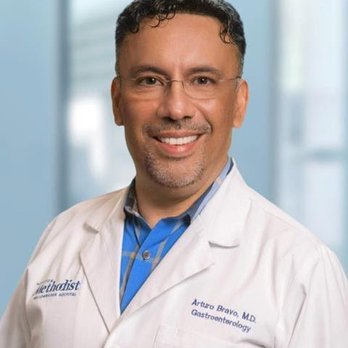
Dr. Arturo A. Bravo Gastroenterologist and Transplant Hepatologist
Dr. Arturo A. Bravo is a board-certified gastroenterologist and transplant hepatologist providing diagnostic, preventive, procedural, and continuing care for digestive and liver conditions.
His clinical work includes disorders affecting the oesophagus, stomach, small intestine, colon, liver, gallbladder, bile ducts, and pancreas. Patients may visit him for abdominal discomfort, acid reflux, swallowing problems, changes in bowel habits, rectal bleeding, abnormal liver tests, chronic liver disease, or colorectal cancer screening.
Dr. Bravo also has advanced training in transplant hepatology. This area of medicine focuses on serious liver disease, evaluation for liver transplantation, and continuing care after transplantation.
He practises at Bravo Gastroenterology in Cypress, Texas, serving patients from Northwest Houston and surrounding communities.
Patients comparing local digestive health specialists may also read about Dr. John Clemmons’s gastroenterology and advanced endoscopy care.
Doctor Information
Name: Dr. Arturo A. Bravo, MD
Specialty: Gastroenterology
Additional Specialty: Transplant Hepatology
Additional Clinical Focus: Advanced endoscopic procedures
Board Certifications: Internal Medicine, Gastroenterology, and Transplant Hepatology
Medical School: Central University of Ecuador School of Medicine
Medical Degree Completed: 1989
Transitional Internship: Henry Ford Hospital
Internal Medicine Residency: Henry Ford Hospital
Residency Completed: 1996
Gastroenterology Fellowship: Henry Ford Hospital
Fellowship Period: 1996 to 1999
Transplant Hepatology Fellowship: Beth Israel Deaconess Medical Center
Fellowship Period: 1999 to 2000
Practice: Bravo Gastroenterology
Primary Location: Cypress, Texas
Clinical Region: Northwest Houston
Languages: English and Spanish
NPI Number: 1952372484
Accepting New Patients: Current availability should be confirmed directly with the practice
About Dr. Arturo A. Bravo
Dr. Bravo completed his medical education at the Central University of Ecuador School of Medicine.
He then continued postgraduate medical training in the United States at Henry Ford Hospital. His education included a transitional internship, internal medicine residency, and a gastroenterology fellowship.
After completing general gastroenterology training, Dr. Bravo pursued additional fellowship education in transplant hepatology at Beth Israel Deaconess Medical Center.
This combination of training prepared him to treat common digestive disorders while also managing more complex conditions involving the liver.
A gastroenterologist evaluates diseases throughout the digestive system. A transplant hepatologist has additional expertise in advanced liver disease, liver failure, transplant evaluation, and medical care before and after liver transplantation.
Dr. Bravo may review symptoms, complete a physical examination, order blood or stool tests, interpret imaging, prescribe treatment, and perform endoscopic procedures when appropriate.
Gastroenterology Services
Dr. Bravo may evaluate and manage concerns such as:
- Acid reflux and heartburn
- Difficulty swallowing
- Gastritis
- Peptic ulcers
- Abdominal pain
- Nausea and vomiting
- Constipation
- Chronic diarrhoea
- Irritable bowel syndrome
- Inflammatory bowel disease
- Diverticular disease
- Rectal bleeding
- Haemorrhoids
- Colon polyps
- Unexplained anemia
- Abnormal liver tests
- Viral hepatitis
- Cirrhosis
- Gallbladder and bile-duct conditions
- Pancreatic disorders
His procedural services may include colonoscopy, upper endoscopy, capsule endoscopy, reflux monitoring, biopsy, polyp removal, and selected advanced endoscopic procedures.
The appropriate assessment depends on the patient’s symptoms, age, family history, earlier results, and current medical risks.
Abdominal Pain Evaluation
Abdominal pain can develop from conditions involving several organs.
Possible digestive causes include:
- Gastritis
- Peptic ulcers
- Acid reflux
- Gallstones
- Pancreatic inflammation
- Constipation
- Irritable bowel syndrome
- Diverticular disease
- Inflammatory bowel disease
- Liver conditions
- Infection
Dr. Bravo may ask:
- Where the pain occurs
- When it began
- How long it lasts
- Whether eating changes it
- Whether bowel movements affect it
- Whether nausea or vomiting is present
- Whether fever has occurred
- Whether weight has changed
- Whether bleeding is present
- Which medicines are being used
Testing may include laboratory work, stool studies, ultrasound, CT imaging, upper endoscopy, or colonoscopy.
A clear diagnosis helps avoid repeatedly treating discomfort without understanding its cause.
Acid Reflux and GERD
Gastroesophageal reflux disease, commonly called GERD, occurs when stomach contents repeatedly move upward into the oesophagus.
Symptoms may include:
- Heartburn
- Regurgitation
- A sour or bitter taste
- Burning behind the breastbone
- Throat irritation
- Hoarseness
- Chronic cough
- Symptoms after meals
- Symptoms that worsen while lying down
- Difficulty swallowing
Dr. Bravo may review eating patterns, body position, medicine use, symptom frequency, and response to previous treatment.
Care may involve meal-timing adjustments, acid-reducing medicine, weight-related medical support when appropriate, or further testing.
Upper endoscopy may be recommended when reflux occurs with swallowing difficulty, bleeding, anemia, unexplained weight loss, repeated vomiting, or symptoms that do not improve with treatment.
Bravo pH Monitoring
Dr. Bravo’s practice lists the Bravo pH monitoring system among its procedures.
This test measures acid exposure within the oesophagus over an extended period.
A small wireless capsule is temporarily attached to the oesophageal lining during upper endoscopy. It records acidity and sends information to a receiver carried by the patient.
The test may be useful when:
- Reflux symptoms continue despite treatment
- The diagnosis remains uncertain
- Symptoms do not match endoscopy findings
- Surgery or another reflux procedure is being considered
- Chest or throat symptoms may be related to reflux
Patients may be asked to record meals, sleep, activities, and symptoms during the monitoring period.
The findings help determine whether symptoms occur at the same time as abnormal acid exposure.
Difficulty Swallowing
Difficulty swallowing is known as dysphagia.
A patient may feel that food or liquid:
- Moves slowly
- Becomes stuck
- Causes pain
- Returns after swallowing
- Requires repeated swallowing
- Causes coughing or choking
Possible causes include:
- Oesophageal narrowing
- Reflux-related inflammation
- Scar tissue
- Allergic inflammation
- Abnormal muscle movement
- A structural growth
- Neurological disease
Dr. Bravo may recommend upper endoscopy to inspect the oesophagus.
Additional imaging, swallowing studies, or motility testing may be required when the problem appears related to muscle coordination rather than a visible blockage.
Upper Endoscopy
Upper endoscopy uses a thin flexible camera to examine the upper digestive tract.
The examination includes the:
- Oesophagus
- Stomach
- First part of the small intestine
It may be recommended for:
- Continuing reflux
- Difficulty swallowing
- Upper abdominal pain
- Persistent nausea
- Repeated vomiting
- Suspected ulcers
- Unexplained anemia
- Digestive bleeding
- Abnormal imaging
- Monitoring an established condition
During the procedure, Dr. Bravo may collect tissue samples or treat certain abnormalities.
A biopsy does not automatically mean that cancer is suspected. Tissue may be examined for infection, inflammation, celiac disease, allergic conditions, or precancerous changes.
Gastritis
Gastritis describes inflammation of the stomach lining.
Possible symptoms include:
- Upper abdominal discomfort
- Burning
- Nausea
- Bloating
- Reduced appetite
- Indigestion
- Vomiting
- Dark stool when bleeding occurs
Possible causes include:
- Helicobacter pylori infection
- Regular use of certain pain medicines
- Alcohol exposure
- Autoimmune disease
- Severe physical illness
- Other stomach conditions
Testing may involve breath testing, stool testing, blood tests, upper endoscopy, or biopsy.
Treatment depends on the cause and may include acid-reducing medicine, antibiotics for confirmed infection, or changes to medicines that irritate the stomach.
Peptic Ulcer Disease
A peptic ulcer is an open sore in the lining of the stomach or upper small intestine.
Symptoms may include:
- Burning upper abdominal pain
- Discomfort associated with meals
- Nausea
- Bloating
- Reduced appetite
- Dark stool
- Anemia
- Vomiting blood
Common causes include H. pylori infection and repeated use of non-steroidal anti-inflammatory medicines.
Dr. Bravo may use upper endoscopy to identify an ulcer, assess bleeding risk, and collect tissue when needed.
Treatment may include acid suppression, antibiotics, medicine changes, and follow-up testing to confirm healing.
Colonoscopy
Colonoscopy uses a flexible camera to examine the colon and rectum.
Dr. Bravo may recommend colonoscopy for:
- Colorectal cancer screening
- Rectal bleeding
- Changes in bowel habits
- Continuing diarrhoea
- Unexplained constipation
- Abdominal pain
- Iron-deficiency anemia
- Previous colon polyps
- Abnormal imaging
- Family history of colorectal cancer
During the examination, polyps may be removed and tissue samples may be collected.
Removing selected precancerous polyps can prevent them from developing into colorectal cancer.
Colorectal Cancer Screening
Colorectal cancer screening aims to find cancer early or identify growths before cancer develops.
Screening options may include:
- Colonoscopy
- Stool-based tests
- Other tests selected according to risk
The most suitable approach depends on:
- Age
- Family history
- Previous polyps
- Earlier screening findings
- Inflammatory bowel disease
- Genetic risks
- Current symptoms
Patients should tell Dr. Bravo if a parent, sibling, or child has had colorectal cancer or advanced polyps.
A strong family history may change the age at which screening begins and how often it is repeated.
Colon Polyps
Colon polyps are growths that form on the inner lining of the colon.
Many produce no symptoms and are identified during routine colonoscopy.
During the procedure, Dr. Bravo may:
- Identify a polyp
- Remove suitable growths
- Collect tissue for laboratory analysis
- Mark an area requiring additional treatment
- Recommend a follow-up schedule
The next colonoscopy depends on the number, size, type, and microscopic features of the removed polyps.
Not every polyp becomes cancer, but selected types have the potential to change over time.
Capsule Endoscopy
Dr. Bravo’s practice lists PillCam small-bowel capsule endoscopy among its procedures.
Capsule endoscopy involves swallowing a pill-sized camera that takes images as it travels through the digestive system.
It may be used to investigate:
- Unexplained digestive bleeding
- Iron-deficiency anemia
- Suspected small-bowel inflammation
- Crohn’s disease
- Small-bowel growths
- Abnormal imaging
- Symptoms not explained by standard endoscopy
The capsule can view areas of the small intestine that are difficult to reach with ordinary upper endoscopy or colonoscopy.
Patients may need preparation and should tell the practice about swallowing difficulties, previous bowel obstruction, implanted medical devices, and earlier abdominal surgery.
Rectal Bleeding
Rectal bleeding may appear as bright-red blood, darker blood mixed with stool, or black stool.
Possible causes include:
- Haemorrhoids
- Anal fissures
- Colon polyps
- Diverticular bleeding
- Inflammatory bowel disease
- Infection
- Ulcers
- Colorectal cancer
- Bleeding from higher in the digestive tract
The colour and amount of blood can provide helpful clues, but they cannot confirm the cause.
Dr. Bravo may recommend laboratory tests, examination, colonoscopy, or upper endoscopy depending on the bleeding pattern and patient’s medical risks.
Haemorrhoids
Haemorrhoids are swollen blood vessels in or around the anus and lower rectum.
Symptoms may include:
- Bright-red bleeding
- Itching
- Swelling
- Irritation
- Discomfort
- A tender lump
Constipation, repeated straining, and prolonged sitting during bowel movements can worsen symptoms.
Initial treatment may involve improving stool consistency, increasing suitable fibre intake, maintaining hydration, and using selected medicines.
Persistent bleeding should be assessed because another condition may be responsible.
Constipation
Constipation may involve hard stool, infrequent bowel movements, straining, or a feeling of incomplete emptying.
Possible causes include:
- Low fibre intake
- Inadequate fluid intake
- Reduced activity
- Medicine
- Thyroid disease
- Diabetes
- Pelvic-floor problems
- Irritable bowel syndrome
- Neurological conditions
- Narrowing within the colon
Dr. Bravo may review the patient’s bowel pattern, food intake, medicine, and associated symptoms.
Further testing may be needed when constipation begins suddenly or occurs with bleeding, weight loss, anemia, severe pain, or a family history of colorectal disease.
Chronic Diarrhoea
Diarrhoea that continues or repeatedly returns may result from:
- Infection
- Medicine side effects
- Food intolerance
- Irritable bowel syndrome
- Inflammatory bowel disease
- Celiac disease
- Microscopic colitis
- Pancreatic disease
- Thyroid disorders
- Previous digestive surgery
Evaluation may include blood tests, stool studies, colonoscopy, biopsy, or imaging.
Patients can help by recording how often symptoms occur, whether certain foods trigger them, and whether blood, fever, weight loss, or nighttime symptoms are present.
Irritable Bowel Syndrome
Irritable bowel syndrome, commonly called IBS, is associated with abdominal discomfort and changes in bowel habits.
Symptoms may include:
- Cramping
- Bloating
- Constipation
- Diarrhoea
- Alternating bowel patterns
- Urgency
- Incomplete emptying
IBS can strongly affect daily life but does not usually cause visible injury to the digestive tract.
Diagnosis requires assessment of the symptom pattern and consideration of signs that could indicate another condition.
Treatment may involve dietary changes, fibre management, medicine, stress-related support, and care directed toward the main bowel pattern.
Inflammatory Bowel Disease
Inflammatory bowel disease includes Crohn’s disease and ulcerative colitis.
These conditions cause continuing inflammation in the digestive tract.
Possible symptoms include:
- Persistent diarrhoea
- Rectal bleeding
- Abdominal pain
- Bowel urgency
- Weight loss
- Tiredness
- Anemia
- Reduced appetite
Diagnosis may involve blood tests, stool testing, colonoscopy, biopsy, and imaging.
Treatment depends on the location and severity of inflammation, previous response to therapy, and risk of complications.
Patients may need continued laboratory monitoring and repeat endoscopy to assess disease control.
Diverticular Disease
Diverticula are small pouches that can develop in the wall of the colon.
The presence of these pouches is known as diverticulosis. Many patients have no symptoms.
Diverticulitis occurs when one or more pouches become inflamed or infected.
Possible symptoms include:
- Lower abdominal pain
- Fever
- Tenderness
- Nausea
- Constipation
- Diarrhoea
- Changes in bowel habits
Testing may involve blood work and CT imaging.
Treatment depends on symptom severity and whether complications such as an abscess, perforation, or obstruction are present.
Liver Disease Care
Dr. Bravo’s transplant hepatology training supports the evaluation and treatment of liver disease at different stages.
He may assess conditions such as:
- Fatty liver disease
- Viral hepatitis
- Alcohol-related liver disease
- Autoimmune liver disease
- Medication-related liver injury
- Cirrhosis
- Portal hypertension
- Liver masses
- Abnormal liver enzymes
- Liver failure
- Complications after liver transplantation
Liver disease may cause few symptoms during its early stages.
Blood testing and imaging can help identify inflammation, scarring, impaired function, or structural changes before severe complications develop.
Abnormal Liver Tests
Liver blood tests may become abnormal because of:
- Fatty liver disease
- Viral infection
- Alcohol exposure
- Medication
- Supplements
- Autoimmune disease
- Bile-duct blockage
- Muscle injury
- Other medical conditions
Dr. Bravo may review:
- Which liver tests are abnormal
- How high the results are
- Whether they are changing
- Current medicines and supplements
- Alcohol exposure
- Metabolic health
- Infection risks
- Family medical history
- Previous imaging
Additional testing may include repeated blood work, viral testing, autoimmune markers, ultrasound, specialised imaging, or liver biopsy.
An abnormal result should be interpreted as part of a pattern rather than by one number alone.
Fatty Liver Disease
Fatty liver disease develops when excess fat accumulates within liver cells.
It may occur alongside:
- Diabetes
- Insulin resistance
- High cholesterol
- High triglycerides
- High blood pressure
- Sleep apnoea
- Other metabolic conditions
Many patients have no symptoms.
Some develop inflammation and liver scarring over time.
Dr. Bravo may assess liver enzymes, metabolic risks, imaging, and the possibility of fibrosis. Care may include management of diabetes, cholesterol, blood pressure, physical activity, nutrition, and other contributing medical conditions.
The purpose is to protect liver and cardiovascular health, not to promote a particular body shape.
Viral Hepatitis
Viral hepatitis causes inflammation of the liver.
Hepatitis B and hepatitis C can become chronic and may lead to cirrhosis or liver cancer.
Evaluation may include:
- Viral antigen or antibody testing
- Measurement of viral activity
- Liver-function tests
- Assessment of liver scarring
- Ultrasound or other imaging
- Review of previous treatment
Current antiviral medicines can control hepatitis B and cure many cases of hepatitis C.
The treatment and monitoring plan depends on the virus, liver condition, previous therapy, and other medical factors.
Cirrhosis
Cirrhosis is advanced scarring of the liver.
Possible causes include:
- Chronic viral hepatitis
- Metabolic fatty liver disease
- Long-term alcohol-related injury
- Autoimmune liver conditions
- Bile-duct disorders
- Inherited diseases
- Other chronic liver injury
Possible complications include:
- Fluid accumulation in the abdomen
- Swelling
- Internal bleeding
- Confusion
- Infection
- Poor nutrition
- Kidney problems
- Liver cancer
- Liver failure
Dr. Bravo may monitor blood tests, imaging, symptoms, medicine, and the development of complications.
Patients with advanced disease may need liver-transplant evaluation.
Portal Hypertension
Portal hypertension means pressure has increased within the blood vessels carrying blood through the liver.
It commonly develops because liver scarring restricts normal blood flow.
Possible complications include:
- Enlarged veins in the oesophagus or stomach
- Abdominal fluid
- Enlarged spleen
- Low platelet count
- Internal bleeding
- Confusion related to liver disease
Upper endoscopy may be used to look for enlarged veins that could bleed.
Treatment may involve medicine, endoscopic therapy, fluid management, or referral for a more advanced liver procedure.
Liver-Transplant Evaluation
Dr. Bravo’s practice includes liver-transplant evaluation.
A transplant assessment may be considered when a patient has:
- Advanced cirrhosis
- Repeated liver-related hospital admissions
- Liver failure
- Severe portal-hypertension complications
- Selected liver cancers
- Poor liver function despite treatment
- Complications that cannot be controlled adequately
Evaluation may include:
- Blood testing
- Heart and lung assessment
- Imaging
- Infection screening
- Cancer screening
- Nutrition assessment
- Medication review
- Social and caregiver planning
- Assessment of other medical conditions
Not every patient with liver disease needs transplantation.
The goal is to identify who may benefit, determine whether the timing is appropriate, and address factors that could affect transplant safety.
Care After Liver Transplantation
Dr. Bravo’s clinical experience includes post-transplant liver care.
Patients who receive a liver transplant need continuing monitoring.
Care may include:
- Anti-rejection medicine management
- Liver-function testing
- Kidney-function testing
- Infection monitoring
- Medication-interaction review
- Blood pressure management
- Diabetes monitoring
- Cholesterol assessment
- Cancer screening
- Coordination with the transplant centre
Anti-rejection medicines reduce the immune response against the transplanted liver but may increase infection and other health risks.
Patients should take these medicines exactly as directed and speak with their transplant team before changing them.
Gallbladder and Bile-Duct Conditions
The gallbladder stores bile produced by the liver. Bile ducts carry bile toward the small intestine.
Gallstones, inflammation, narrowing, or other obstruction may cause:
- Upper-right abdominal pain
- Pain after meals
- Nausea
- Vomiting
- Fever
- Yellowing of the skin or eyes
- Dark urine
- Pale stool
- Abnormal liver tests
Evaluation may involve ultrasound, CT imaging, MRI, or endoscopic procedures.
Some conditions require surgical removal of the gallbladder. Others may be treated through a specialised endoscopic procedure.
ERCP
Dr. Bravo’s practice lists endoscopic retrograde cholangiopancreatography among its procedural services.
ERCP is a specialised endoscopic procedure used mainly to diagnose and treat problems involving the bile ducts or pancreatic ducts.
It may be used to:
- Remove bile-duct stones
- Open a narrowed duct
- Place a temporary stent
- Collect cell or tissue samples
- Treat selected bile leaks
- Improve blocked bile flow
ERCP can provide important treatment without open surgery, but it also carries risks such as pancreatic inflammation, bleeding, infection, and perforation.
It is generally recommended when the expected clinical benefit outweighs these risks.
Pancreatic Conditions
The pancreas produces digestive enzymes and hormones that help regulate blood sugar.
Pancreatic disease may cause:
- Upper abdominal pain
- Pain spreading toward the back
- Nausea
- Vomiting
- Unexplained weight loss
- Greasy stool
- Abnormal pancreatic enzymes
- Changes in blood glucose
- Yellowing of the skin or eyes
Evaluation may involve blood testing, CT imaging, MRI, endoscopic ultrasound, ERCP, or other procedures.
The correct test depends on the suspected condition and the information already available from previous studies.
Unexplained Anemia
Iron-deficiency anemia may sometimes result from slow blood loss within the digestive system.
Dr. Bravo may investigate anemia when a patient has:
- Low haemoglobin
- Low iron levels
- Tiredness
- Weakness
- Shortness of breath
- Dark stool
- Visible bleeding
- No clear non-digestive cause
Evaluation may include colonoscopy, upper endoscopy, capsule endoscopy, laboratory testing, or imaging.
Replacing iron may improve the blood count, but finding and treating continued blood loss remains important.
Preparing for Colonoscopy
A clean colon is necessary because retained stool can hide polyps and other abnormalities.
Preparation may involve:
- Following dietary instructions
- Drinking prescribed bowel-cleansing medicine
- Adjusting selected prescriptions
- Avoiding food during the required period
- Arranging transportation
- Informing the practice about medical conditions
Patients should tell the office if they use:
- Blood thinners
- Diabetes medicine
- Insulin
- Iron supplements
- Weight-management injections
- Medicines affecting bowel movements
- Other prescriptions requiring special instructions
Medicine should not be stopped unless the procedural or prescribing team gives clear directions.
Preparing for Upper Endoscopy
Patients undergoing upper endoscopy are normally asked to avoid food and drink for a specified period.
They should provide information about:
- Current medicines
- Blood thinners
- Diabetes treatment
- Allergies
- Previous reactions to sedation
- Heart or lung conditions
- Sleep apnoea
- Earlier digestive procedures
Transportation is usually required when sedation is used.
Patients should not drive or make important decisions until the sedating medicine has worn off according to their discharge instructions.
Preparing for a Gastroenterology Appointment
Patients can prepare by bringing:
- A current medication list
- Previous colonoscopy reports
- Upper-endoscopy reports
- Biopsy or pathology findings
- Liver-test results
- Stool-test results
- Imaging reports
- Hospital discharge documents
- Transplant records
- A list of medicine allergies
- Family history of digestive disease
- Questions about treatment
It is helpful to explain when symptoms began, how often they occur, and whether eating or bowel movements affect them.
Patients should also mention bleeding, black stool, swallowing difficulty, unexplained weight loss, jaundice, abdominal swelling, or continuing vomiting.
Multilingual Digestive and Liver Care
Dr. Bravo speaks English and Spanish.
Clear communication can help patients:
- Describe symptoms accurately
- Understand bowel preparation
- Follow medicine instructions
- Discuss liver-test results
- Review procedure risks
- Understand transplant requirements
- Participate in treatment decisions
Patients should confirm language availability when scheduling, particularly when assistance is needed for forms or procedural instructions.
Coordinated Digestive and Liver Care
Digestive and liver conditions may require cooperation with:
- Primary care physicians
- General surgeons
- Colorectal surgeons
- Transplant surgeons
- Liver transplant centres
- Oncologists
- Radiologists
- Pathologists
- Nutrition professionals
- Other gastroenterologists
Coordination is especially important for advanced liver disease, transplant care, pancreatic disease, bile-duct obstruction, internal bleeding, or a condition requiring both endoscopic and surgical treatment.
Patients may also compare digestive services with Dr. Ramakrishna Chava’s gastroenterology profile and Dr. Shabbir Husain Jamali’s digestive healthcare profile.
Patient-Centered Gastroenterology and Liver Care
Dr. Bravo provides digestive and liver care based on each patient’s symptoms, examination findings, medical history, family risks, test results, previous procedures, and treatment needs.
His clinical services may include reflux evaluation, colonoscopy, upper endoscopy, capsule endoscopy, colorectal cancer screening, liver-disease treatment, transplant evaluation, post-transplant monitoring, and advanced endoscopic care.
Patients should confirm current appointment availability, accepted insurance plans, procedure locations, hospital participation, transplant-care arrangements, and referral requirements directly with Bravo Gastroenterology.




Reviews
There are no reviews yet.