
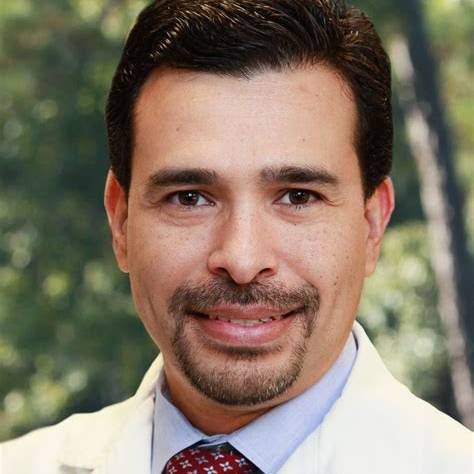
Dr. Cesar A. Ortega, MD Pediatrician and Child Health Care
Dr. Cesar A. Ortega, MD, is a pediatrician whose professional work centers on the health of infants, children, and adolescents. Texas Children’s currently lists his specialty as Pediatric Medicine, while HCA Houston Healthcare identifies Pediatrics as his specialty and associates him with HCA Houston Healthcare Northwest.
His medical training includes a Doctor of Medicine degree from Temple University School of Medicine followed by both pediatric internship and residency training at Baylor College of Medicine. Texas Children’s also lists English and Spanish among the languages he speaks.
For families, a pediatrician is often the physician who follows a child through many stages rather than treating only one illness. Preventive checkups, growth, development, immunizations, common infections, school concerns, chronic conditions, and referrals to pediatric specialists can all become part of continuing care.
Parents looking for doctors with similar training can browse pediatricians on Doctiplus, where physicians focused on infant, childhood, and adolescent healthcare are grouped together.
About Dr. Cesar A. Ortega
Dr. Ortega is currently listed by Texas Children’s as a physician in Pediatric Medicine. His practice, Ortega Medical Clinic, also identifies him as part of its pediatric team and describes the clinic as providing medical care for children’s physical, emotional, and developmental health.
Current clinic information describes services extending from prenatal visits for expecting parents through pediatric care for children up to age 18. The practice lists well-child examinations, immunizations, sick visits, developmental concerns, asthma, allergies, infections, ADHD, and several other pediatric issues among its services. These are clinic-wide services and should not be interpreted as confirmation that Dr. Ortega personally provides every specialized treatment listed by the practice.
That distinction matters when choosing any physician. A pediatrician may provide broad primary care while referring selected concerns to pediatric pulmonology, cardiology, neurology, developmental pediatrics, gastroenterology, or another specialty when more focused evaluation is needed.
Medical Education and Pediatric Training
Dr. Ortega earned his medical degree from Temple University School of Medicine in 2000. Texas Children’s then lists a pediatric internship at Baylor College of Medicine completed in 2001 and a pediatric residency at Baylor College of Medicine completed in 2003.
| Training Area | Institution | Details |
|---|---|---|
| Medical education | Temple University School of Medicine | Doctor of Medicine, 2000 |
| Internship | Baylor College of Medicine | Pediatrics, 2001 |
| Residency | Baylor College of Medicine | Pediatrics, 2003 |
| Specialty | Pediatric Medicine | Infant, child, and adolescent care |
Pediatric residency differs from adult internal medicine because children’s healthcare changes significantly with age. A newborn, preschooler, school-age child, and teenager may experience similar symptoms for very different reasons and can require different examination, testing, medication dosing, and follow-up.
Training therefore includes not only childhood illnesses but also growth, nutrition, development, vaccination, newborn care, adolescent health, and recognition of situations requiring pediatric subspecialty care.
Well-Child Visits and Preventive Pediatrics
Ortega Medical Clinic describes well-child examinations as a central part of its pediatric care, with routine visits beginning in infancy and continuing through childhood and adolescence.
These appointments serve a different purpose from sick visits.
When a child comes in with fever or cough, the immediate concern is understanding that illness. During a well-child appointment, the physician can step back and look at the larger picture, including growth, development, vaccination history, nutrition, behavior, school progress, sleep, and preventive health needs.
A child can appear healthy while still benefiting from routine monitoring. Changes in growth or development can sometimes become easier to recognize when measurements and observations are compared across several years rather than considered at one visit.
Doctiplus maintains a broader Children’s Health section with information about childhood growth, nutrition, vaccinations, common illnesses, and other pediatric concerns.
Growth and Development
Physical growth is only one part of pediatric development.
A pediatrician may also ask about communication, movement, learning, social interaction, behavior, and age-appropriate independence. The purpose is not to compare one child rigidly with another. Children develop at different rates, and the pattern over time can provide more meaningful information than one isolated milestone.
Parents can help by mentioning changes they have noticed at home, daycare, or school.
For a younger child, concerns may involve speech, walking, feeding, or social interaction. For an older child, the discussion may shift toward school performance, attention, behavior, friendships, sleep, or the transition into adolescence.
When communication concerns need a more focused assessment, families may find the Doctiplus guide explaining what speech therapy for kids involves useful for understanding the role of a speech-language pathologist.
Childhood Immunizations
Immunization is another service specifically identified by Ortega Medical Clinic. The practice describes vaccination review as part of preventive pediatric care and maintains dedicated immunization information for families.
Families changing doctors should bring vaccination records whenever possible.
Records can sometimes be spread across previous pediatric offices, schools, hospitals, pharmacies, or public health systems. Having a complete history makes it easier to determine what has already been given and whether anything still needs attention.
Parents can also use the appointment to ask about the purpose of a vaccine, timing, previous reactions, or how to handle an incomplete record rather than trying to reconstruct the schedule from memory.
Fever and Common Childhood Illnesses
Fever is one of the conditions listed by Ortega Medical Clinic, along with colds, influenza, bronchiolitis, strep throat, tonsillitis, conjunctivitis, whooping cough, and ear infections.
The same symptom can mean different things at different ages.
A fever in a very young infant is approached differently from a mild fever in an otherwise active school-age child. The pediatrician may consider age, temperature, hydration, breathing, activity, duration of symptoms, vaccination status, and what other symptoms are present.
Parents can make a sick visit more useful by knowing when the illness began, the highest measured temperature, what medicines have already been given, whether the child is drinking normally, and whether breathing or activity has changed.
A clear timeline often tells the physician more than simply saying the child has been sick for several days.
Ear Infections, Sore Throat and Respiratory Illness
Ear infections and throat or respiratory illnesses are common reasons children are brought to primary care. Ortega Medical Clinic lists ear infections, tonsillitis, strep throat, colds, influenza, bronchiolitis, and other infections among its pediatric services.
These illnesses can initially look similar.
A child with fever and sore throat could have a viral infection or another condition. A young child pulling at an ear may have an ear infection, but examination is needed before the cause becomes clear.
This is why antibiotics are not automatically appropriate for every cough, fever, or sore throat. The physician first needs to decide whether there is evidence suggesting a bacterial condition that would benefit from that treatment.
Childhood Asthma and Breathing Symptoms
Asthma is specifically listed among services offered through Ortega Medical Clinic.
Asthma can involve recurring cough, wheezing, chest tightness, shortness of breath, or symptoms that become more noticeable during exercise, respiratory infections, or exposure to certain triggers.
A child can also appear completely comfortable during an office appointment even when symptoms repeatedly occur at night or during sports.
Parents can therefore help by noting the pattern. It may be useful to know how often symptoms occur, whether they wake the child from sleep, whether exercise is being limited, and how often any prescribed rescue medication is needed.
Doctiplus also lists childhood asthma screening as part of its broader pediatric healthcare services.
More complicated or difficult-to-control breathing conditions may require pediatric pulmonary evaluation in addition to continuing primary pediatric care.
Allergies
Allergies are another service area identified by Ortega Medical Clinic.
Children may develop recurring nasal congestion, sneezing, itchy eyes, coughing, skin symptoms, or other problems that follow a seasonal or environmental pattern.
An allergy evaluation begins with the history.
Parents may notice that symptoms become worse around pets, during a particular season, after outdoor activity, or in another predictable setting. That type of information can help distinguish recurring allergies from frequent unrelated infections.
More complicated allergic conditions may eventually require an allergy specialist, particularly when symptoms remain difficult to control or involve more than one system.
ADHD, Learning and Developmental Concerns
Ortega Medical Clinic lists ADHD, autism, and learning or developmental disabilities among areas addressed within its pediatric services.
These concerns should not be diagnosed from one isolated behavior.
Difficulty paying attention can be affected by sleep, anxiety, learning differences, classroom environment, hearing or vision problems, developmental factors, and several other issues.
A pediatrician may begin by gathering information from parents and, when appropriate, teachers or other adults who regularly observe the child.
The goal is to determine whether concerns occur consistently across settings and whether a developmental, behavioral, educational, or medical evaluation would be useful.
For more specialized concerns, the pediatrician may coordinate with developmental pediatrics, psychology, psychiatry, neurology, speech-language therapy, occupational therapy, or school-based services depending on what the child needs.
Abdominal and Digestive Symptoms
Abdominal concerns are also included within Ortega Medical Clinic’s pediatric services.
Stomach pain in children can have many causes and should not automatically be interpreted as a serious digestive disease.
The pediatrician may ask where the discomfort occurs, how long it lasts, whether it is related to eating, whether bowel habits have changed, and whether vomiting, fever, urinary symptoms, or another problem is present.
A short symptom history can be particularly useful when abdominal pain is recurring rather than constant.
If symptoms suggest a more complicated gastrointestinal condition, pediatric gastroenterology may become appropriate while the primary pediatrician continues to coordinate the child’s overall care.
Chronic Conditions in Children
Ortega Medical Clinic also lists chronic conditions among its services.
Children with long-term medical problems often need both specialty treatment and ordinary pediatric care.
A child with asthma, diabetes, a congenital heart condition, developmental needs, or another chronic diagnosis still requires vaccinations, routine physicals, growth monitoring, school-related healthcare, and treatment of everyday illnesses.
The pediatrician can help keep these areas connected.
That coordination becomes particularly important when several specialists prescribe medications or recommend different testing schedules.
Sports Physicals and Activity-Related Concerns
The clinic lists sports injuries among its pediatric services, and routine pediatric care can also provide an opportunity to discuss participation in physical activity.
A pre-participation examination may involve reviewing previous injuries, exercise symptoms, medications, chronic conditions, and relevant family history.
Parents and young athletes should mention symptoms such as unusual shortness of breath, fainting, repeated joint problems, or an injury that has never fully recovered rather than treating the physical simply as paperwork for school or sports.
Some injuries can remain within primary pediatric care, while fractures, persistent joint problems, or more complicated sports injuries may require pediatric orthopedics or sports medicine.
Adolescent Health
Pediatric care continues beyond early childhood.
The Ortega Medical Clinic parent resource information describes care extending through age 18, meaning that adolescent health forms part of the practice’s pediatric scope.
Teenage appointments can gradually become more collaborative, with the young person taking a greater role in understanding their own medical history and asking questions.
Topics may involve sleep, school, sports, skin concerns, growth, medications, chronic illness, nutrition, emotional well-being, and preventive care.
This transition can also help adolescents learn practical healthcare skills, such as knowing their medication names, allergies, previous operations, and important diagnoses before eventually moving into adult medical care.
What Parents Can Expect During an Appointment
The structure of a pediatric visit depends heavily on why the child is being seen.
A preventive visit may focus on growth, development, immunization, nutrition, school, sleep, behavior, and family questions. A sick visit may concentrate on a much narrower symptom pattern.
Dr. Ortega or another member of the pediatric team may need information about previous illnesses, medications, allergies, earlier hospital care, vaccination records, and whether other specialists are involved.
Testing is most useful when it addresses a specific concern rather than being performed routinely without a reason.
The appointment should leave parents understanding what the physician thinks is happening, what treatment or monitoring is needed, and what kind of follow-up makes sense.
Preparing for an Appointment With Dr. Ortega
Parents can make pediatric visits more efficient by bringing the information most closely related to the current concern. An up-to-date medication list, medication allergies, immunization records, previous hospital records, relevant specialist reports, and recent laboratory or imaging results can all be useful depending on the reason for the appointment.
For a sick child, parents can also note when symptoms started, temperature readings, changes in eating or drinking, medicines already given, and whether symptoms are getting better, worse, or staying about the same.
For developmental or school concerns, reports from teachers, therapists, or school evaluations may provide useful context.
The goal is not to arrive with every record the child has ever had. It is to bring the information most likely to help answer the reason for the visit.
When a Pediatric Specialist May Be Needed
General pediatrics covers a very broad range of childhood healthcare, but it does not replace every pediatric subspecialty.
A referral may become useful for complicated heart problems, persistent respiratory disease, seizures or other neurological symptoms, significant endocrine concerns, difficult gastrointestinal disease, developmental conditions requiring focused assessment, or another problem needing specialized testing.
A referral does not necessarily mean Dr. Ortega would stop providing general pediatric care.
The primary pediatrician can continue following routine health, immunizations, growth, common illnesses, and the way specialist recommendations fit into the child’s overall medical plan.
Current Practice and Appointment Information
Ortega Medical Clinic currently lists Dr. Cesar Ortega as part of its pediatric staff. The practice lists 3313 Orlando Street as one current office location and 713-699-9177 as its main telephone number. Its published schedule currently includes weekday appointments and Saturday morning hours, although schedules can change.
A separate current Healow provider listing identifies Dr. Ortega in Pediatrics, notes English and Spanish, and currently lists him as accepting new patients through Ortega Medical Clinic and Houston Pediatric Clinic.
Texas Children’s also lists English and Spanish among his languages and continues to identify him in Pediatric Medicine.
Appointment availability, office schedules, insurance participation, telehealth options, and hospital affiliations can change. Families should confirm the current arrangements with the clinic when scheduling.
Understanding Dr. Ortega’s Clinical Profile
The clearest verified professional picture of Dr. Cesar A. Ortega is that of a pediatrician educated at Temple University School of Medicine who completed pediatric internship and residency training at Baylor College of Medicine. Texas Children’s currently identifies Pediatric Medicine as his specialty, while HCA Houston Healthcare also lists him in Pediatrics.
His current clinic provides broad pediatric services including well-child visits, immunizations, sick care, asthma assessment, allergies, common infections, developmental concerns, ADHD-related care, and other childhood health services. Because those services are listed at the practice level, families with a particularly complex condition should confirm whether Dr. Ortega manages it directly or coordinates care with another pediatric specialist.
For parents, the practical value of a pediatrician is continuity. A doctor who follows growth, development, vaccination history, recurring illnesses, school concerns, chronic medical conditions, and specialist recommendations over time can help keep a child’s healthcare from becoming a series of disconnected visits.
Readers can also use the Doctiplus Children’s Health resources for additional patient-focused information about childhood growth, nutrition, safety, vaccinations, and common illnesses.


Reviews
There are no reviews yet.