
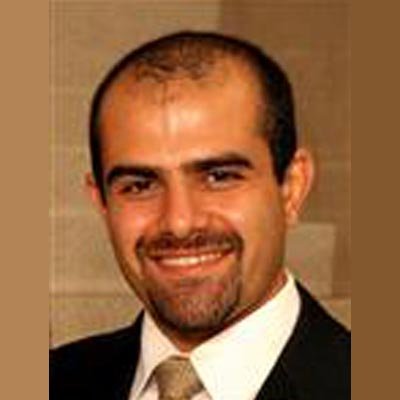
Dr. George E. Manoukian Cardiac Electrophysiologist
Dr. George E. Manoukian is a cardiologist and clinical cardiac electrophysiologist providing diagnostic, procedural, and continuing care for adults with abnormal heart rhythms.
His clinical work includes atrial fibrillation, atrial flutter, supraventricular tachycardia, slow heart rhythms, premature heartbeats, fainting related to possible rhythm disorders, and selected dangerous rhythms arising from the heart’s lower chambers.
He may also provide catheter ablation, pacemaker care, implantable cardioverter-defibrillator management, cardiac rhythm monitoring, and follow-up for patients with implanted heart devices.
Dr. Manoukian sees patients at locations in The Woodlands, Tomball, and Houston, Texas. Current hospital profiles associate him with Memorial Hermann and HCA Houston Healthcare facilities.
Patients needing treatment for heart failure, structural heart disease, or complex coronary disease may also review Dr. Pranav Loyalka’s advanced cardiovascular care.
Doctor Information
Name: Dr. George Edward Manoukian, MD
Primary Specialty: Clinical Cardiac Electrophysiology
Additional Specialty: Cardiovascular Disease
Medical School: St. George’s University School of Medicine
Medical Degree Completed: 2008
Postgraduate Training: University of Texas Health Science Center at Houston
Cardiovascular Disease Fellowship: UTHealth Houston
Cardiovascular Fellowship Completed: 2015
Clinical Cardiac Electrophysiology Fellowship: McGovern Medical School at UTHealth Houston
Electrophysiology Fellowship Completed: 2016
Primary Practice Area: The Woodlands and Shenandoah, Texas
Additional Locations: Tomball and Houston, Texas
Hospital Affiliations: Current profiles include Memorial Hermann The Woodlands Medical Center, Memorial Hermann Cypress Hospital, HCA Houston Healthcare Tomball, and other Houston-area facilities
NPI Number: 1619265485
Languages: English; patients should confirm any additional language services directly with the office
Accepting New Patients: Current availability should be confirmed with the practice
Telemedicine: Current availability should be confirmed directly with the office
About Dr. George E. Manoukian
Dr. Manoukian earned his medical degree from St. George’s University School of Medicine in 2008.
He continued his postgraduate medical education through the University of Texas Health Science Center at Houston. His advanced training included cardiovascular disease and clinical cardiac electrophysiology fellowships.
Cardiovascular disease training prepares a physician to diagnose and manage conditions affecting the heart and blood vessels.
Clinical cardiac electrophysiology requires additional training focused on the heart’s electrical system. Electrophysiologists assess why the heart beats too quickly, too slowly, or irregularly and determine whether the patient needs medicine, monitoring, catheter ablation, or an implanted cardiac device.
Dr. Manoukian may evaluate patients after they experience palpitations, unexplained dizziness, fainting, an abnormal electrocardiogram, or a rhythm problem detected by a smartwatch, hospital monitor, or another physician.
His assessment may include:
- Reviewing the symptom pattern
- Examining previous electrocardiograms
- Evaluating heart structure and function
- Reviewing current medicines
- Ordering portable rhythm monitoring
- Assessing stroke risk
- Determining whether an electrophysiology procedure is appropriate
- Monitoring an existing pacemaker or defibrillator
Clinical Cardiac Electrophysiology
The heart contains an electrical system that controls when and how its chambers contract.
Electrical signals normally begin in the sinus node, travel through the upper chambers, pass through the atrioventricular node, and continue into the lower chambers.
A rhythm disorder may occur when:
- Electrical signals begin in the wrong location
- An additional electrical pathway is present
- Signals travel in a repeating circular pattern
- The natural pacemaker becomes too slow
- Electrical conduction becomes blocked
- Damaged heart tissue creates an unstable circuit
- Medicine or another medical condition affects the rhythm
Dr. Manoukian may determine whether the rhythm is harmless, requires monitoring, can be treated with medicine, or would benefit from a procedure.
Heart Rhythm Conditions
Dr. Manoukian may evaluate and manage conditions such as:
- Atrial fibrillation
- Atrial flutter
- Supraventricular tachycardia
- Premature atrial contractions
- Premature ventricular contractions
- Ventricular tachycardia
- Bradycardia
- Sick sinus syndrome
- Heart block
- Palpitations
- Unexplained fainting
- Rhythm problems related to heart disease
- Rhythm problems after heart surgery
- Pacemaker or defibrillator concerns
The appropriate treatment depends on the exact rhythm, symptom severity, heart function, medical history, and risk of complications.
Palpitations
Palpitations are sensations of the heartbeat that feel unusual or more noticeable than expected.
Patients may describe:
- Racing
- Fluttering
- Pounding
- Skipped beats
- Pauses
- Sudden rapid episodes
- An irregular pulse
Palpitations can occur because of a heart rhythm disorder, but they may also be connected with:
- Exercise
- Fever
- Dehydration
- Stress
- Poor sleep
- Thyroid disease
- Anemia
- Caffeine
- Certain medicines
- Other medical conditions
Dr. Manoukian may ask when the episodes occur, how long they last, whether they begin suddenly, and whether they are accompanied by dizziness, chest discomfort, breathing difficulty, or fainting.
Because the rhythm may return to normal before the appointment, portable monitoring is often helpful.
Electrocardiogram
An electrocardiogram, commonly called an ECG or EKG, records the heart’s electrical activity through adhesive sensors placed on the skin.
It can provide information about:
- Heart rate
- Heart rhythm
- Electrical conduction
- Previous heart injury
- Chamber enlargement
- Selected inherited electrical conditions
- Medicine effects
The test is quick and does not send electricity into the body.
A normal ECG does not rule out a rhythm disorder that occurs only occasionally. Dr. Manoukian may recommend longer monitoring when symptoms are intermittent.
Holter Monitoring
A Holter monitor continuously records the heart rhythm, commonly for one or more days.
It may help identify:
- Frequent palpitations
- Premature beats
- Episodes of rapid rhythm
- Slow heart rates
- Pauses
- Rhythm changes during sleep
- Symptoms related to activity
Patients may be asked to record symptoms, exercise, sleep, meals, and medicine use.
Dr. Manoukian can compare the diary with the rhythm recording to determine whether symptoms occurred during an abnormal heartbeat.
Event and Patch Monitors
An event monitor or adhesive patch can record heart rhythm for a longer period than a standard Holter monitor.
These devices may be useful when symptoms happen only once or twice a week or less often.
Depending on the monitor, it may:
- Record continuously
- Save the rhythm when the patient presses a button
- Automatically detect selected abnormalities
- Send information to a monitoring service
The monitor may identify a rhythm problem that would not appear during a brief office ECG.
Implantable Loop Recorder
An implantable loop recorder is a small device placed beneath the skin of the chest.
It continuously monitors heart rhythm for an extended period.
It may be considered for:
- Unexplained fainting
- Infrequent palpitations
- Suspected intermittent rhythm problems
- Selected stroke evaluations
- Symptoms not captured through shorter monitoring
The device does not treat an abnormal rhythm. It records information that may help establish a diagnosis.
Dr. Manoukian may review transmitted recordings and decide whether additional treatment is necessary.
Atrial Fibrillation
Atrial fibrillation is an irregular rhythm beginning in the heart’s upper chambers.
The atria do not contract in a coordinated way, and the pulse may become fast, irregular, or both.
Possible symptoms include:
- Palpitations
- Tiredness
- Shortness of breath
- Reduced exercise tolerance
- Dizziness
- Chest discomfort
- Weakness
- No noticeable symptoms
Atrial fibrillation may occur occasionally or become persistent.
Treatment has several possible goals:
- Control the heart rate
- Restore or maintain a normal rhythm
- Reduce symptoms
- Prevent blood clots and stroke
- Treat related medical conditions
Dr. Manoukian may discuss medicine, cardioversion, catheter ablation, or another rhythm-control approach according to the patient’s needs.
Stroke Risk in Atrial Fibrillation
Atrial fibrillation can allow blood to remain within parts of the upper heart, increasing the possibility of clot formation.
A clot can travel to the brain and cause a stroke.
Dr. Manoukian may assess stroke risk by reviewing factors such as:
- Age
- High blood pressure
- Diabetes
- Heart failure
- Previous stroke
- Blood-vessel disease
- Other medical history
Some patients are advised to take an anticoagulant, often called a blood thinner.
The decision should balance the risk of stroke against the risk of bleeding.
Patients should not start, stop, or reduce an anticoagulant without guidance from the prescribing clinician.
Atrial Fibrillation Medication
Medicines used in atrial fibrillation may help control heart rate, maintain rhythm, or reduce clot risk.
Dr. Manoukian may consider:
- Heart function
- Kidney function
- Liver health
- Other heart disease
- Previous rhythm treatment
- Current prescriptions
- Risk of medicine interactions
- Frequency of episodes
- Patient symptoms
Some rhythm medicines require an ECG, laboratory monitoring, or supervised initiation.
A medicine that is suitable for one patient may not be safe for another because of differences in heart structure or medical history.
Electrical Cardioversion
Electrical cardioversion uses a controlled electrical shock to restore a normal heart rhythm.
The procedure is generally performed under sedation.
It may be considered for:
- Atrial fibrillation
- Atrial flutter
- Selected other rapid rhythms
Before cardioversion, Dr. Manoukian may review:
- How long the abnormal rhythm has been present
- Anticoagulant use
- Stroke risk
- Heart imaging
- Current medicine
- Previous cardioversion results
Cardioversion can restore a normal rhythm, but the abnormal rhythm may return later.
Additional medicine or catheter ablation may be discussed when recurrence is likely or symptoms remain significant.
Atrial Fibrillation Ablation
Catheter ablation treats selected areas of heart tissue that initiate or maintain atrial fibrillation.
Thin catheters are guided through blood vessels into the heart.
The procedure may use heat, cold, or another form of energy to create controlled areas of tissue treatment.
Dr. Manoukian may consider ablation when:
- Symptoms continue despite medicine
- Medicine causes unacceptable side effects
- A rhythm-control strategy is preferred
- The patient has repeated atrial fibrillation
- The expected benefit is reasonable for the individual patient
Ablation reduces atrial fibrillation for many patients, but it does not guarantee that the rhythm will never return.
Some patients need a repeat procedure or continued medicine.
Atrial Flutter
Atrial flutter is a rapid rhythm caused by an organised electrical circuit within an upper heart chamber.
The heart rate may be fast and regular or may vary depending on how signals pass into the lower chambers.
Symptoms may include:
- Palpitations
- Tiredness
- Shortness of breath
- Reduced exercise ability
- Dizziness
- Chest discomfort
Atrial flutter may occur alone or alongside atrial fibrillation.
Treatment may include medicine, cardioversion, anticoagulation, or catheter ablation.
Typical atrial flutter can often be treated through a focused ablation procedure targeting the responsible circuit.
Supraventricular Tachycardia
Supraventricular tachycardia, commonly called SVT, is a rapid rhythm arising above the heart’s lower chambers.
It often begins and ends suddenly.
Symptoms may include:
- Rapid heartbeat
- Pounding in the chest or neck
- Dizziness
- Shortness of breath
- Chest pressure
- Weakness
- Fainting in selected cases
Episodes may last seconds, minutes, or longer.
SVT can result from an additional electrical pathway or a circuit involving the atrioventricular node.
Dr. Manoukian may use an ECG, portable monitor, or electrophysiology study to identify the exact rhythm.
SVT Ablation
Catheter ablation may be offered when SVT episodes are recurrent, prolonged, or difficult to control with medicine.
The procedure aims to identify and treat the small area of tissue responsible for the abnormal electrical circuit.
Potential benefits may include:
- Fewer episodes
- Reduced dependence on medicine
- Improved confidence during activity
- Better symptom control
Possible risks and alternatives should be reviewed before the procedure.
The success rate and risk profile depend on the type and location of the rhythm pathway.
Premature Atrial Contractions
Premature atrial contractions are early heartbeats beginning in the upper chambers.
They may feel like:
- A skipped beat
- A flutter
- A pause followed by a stronger beat
- Brief irregularity
These beats are common and often harmless.
They may become more noticeable with poor sleep, stress, dehydration, caffeine, alcohol exposure, or illness.
Dr. Manoukian may recommend monitoring when the beats are frequent, symptomatic, or associated with another rhythm disorder.
Premature Ventricular Contractions
Premature ventricular contractions, commonly called PVCs, are early beats beginning in the lower heart chambers.
Some patients feel no symptoms. Others notice pounding, pauses, or an irregular pulse.
PVCs may occur in people with a normal heart or alongside structural heart disease.
Evaluation may include:
- ECG
- Rhythm monitoring
- Echocardiography
- Exercise testing
- Blood tests
- Cardiac MRI in selected cases
Treatment depends on the frequency, symptoms, effect on heart function, and underlying cause.
Options may include observation, medicine, or catheter ablation.
Ventricular Tachycardia
Ventricular tachycardia is a rapid rhythm arising from the lower pumping chambers.
It may reduce the heart’s ability to pump blood effectively.
Possible symptoms include:
- Palpitations
- Dizziness
- Fainting
- Chest discomfort
- Shortness of breath
- Sudden weakness
Ventricular tachycardia may occur in patients with heart scarring, cardiomyopathy, previous heart attack, or certain inherited electrical conditions.
Treatment may involve:
- Medicine
- Catheter ablation
- Implantable defibrillator placement
- Treatment of underlying heart disease
- Emergency care during unstable episodes
Dr. Manoukian may coordinate with heart failure or structural heart specialists when ventricular rhythm problems occur alongside weakened heart function.
Bradycardia
Bradycardia means the heart rate is slower than expected.
A slow rate may be normal during sleep or in physically active people.
It becomes a medical concern when it does not provide enough blood flow for the body’s needs.
Possible symptoms include:
- Tiredness
- Dizziness
- Fainting
- Shortness of breath
- Reduced exercise ability
- Confusion
- Weakness
Dr. Manoukian may review medicines, thyroid function, heart conduction, sleep patterns, and portable rhythm recordings.
Some patients require only monitoring or a medication adjustment. Others may benefit from a pacemaker.
Sick Sinus Syndrome
Sick sinus syndrome occurs when the heart’s natural pacemaker does not produce signals normally.
The heart rate may become:
- Too slow
- Inappropriately slow during activity
- Alternately fast and slow
- Interrupted by pauses
Symptoms may include tiredness, dizziness, fainting, or reduced exercise tolerance.
Treatment depends on the rhythm pattern and symptoms.
A pacemaker may be considered when clinically important slow rates or pauses are documented.
Heart Block
Heart block occurs when electrical signals are delayed or interrupted as they move through the heart.
Some forms are mild and require only monitoring.
More advanced forms may cause:
- Slow pulse
- Dizziness
- Fainting
- Shortness of breath
- Weakness
- Reduced blood pressure
Heart block may result from age-related conduction changes, heart disease, medicine, surgery, or other conditions.
Dr. Manoukian may use an ECG and rhythm monitoring to determine the type and severity.
A pacemaker may be required when conduction is significantly impaired.
Pacemaker Implantation
A pacemaker is a small implanted device that monitors the heart rhythm and provides electrical signals when the heartbeat becomes too slow.
The system usually includes:
- A pulse generator beneath the skin
- One or more leads connected to the heart
- Programming matched to the patient’s rhythm needs
Pacemaker placement may be considered for:
- Symptomatic bradycardia
- Sick sinus syndrome
- Advanced heart block
- Selected conduction disorders
- Certain patients requiring cardiac resynchronisation
Dr. Manoukian may discuss the device type, procedure, possible risks, battery life, and follow-up requirements.
Pacemaker Follow-Up
Pacemakers require regular checks after implantation.
A device evaluation may assess:
- Battery status
- Lead function
- Heart rhythm
- Percentage of pacing
- Stored abnormal rhythm events
- Programming
- Signs of device or lead problems
Many devices can transmit information remotely.
Remote monitoring does not replace every in-person visit, but it may identify changes between scheduled appointments.
Patients should keep their device identification information and tell other healthcare professionals that a pacemaker is present.
Implantable Cardioverter-Defibrillator
An implantable cardioverter-defibrillator, commonly called an ICD, monitors for selected dangerous ventricular rhythms.
If a dangerous rhythm occurs, the device may provide pacing or a shock to restore a safer rhythm.
An ICD may be considered for patients who:
- Survived certain dangerous rhythm events
- Have significantly reduced heart function
- Have selected inherited rhythm conditions
- Have cardiomyopathy with elevated rhythm risk
- Meet other recognised risk criteria
An ICD does not prevent every abnormal rhythm and does not treat the underlying heart disease.
Dr. Manoukian may review the expected benefits, possible shocks, device complications, and continuing monitoring.
Defibrillator Follow-Up
An ICD stores information about heart rhythm and any treatment delivered.
Follow-up may include:
- Battery assessment
- Lead testing
- Review of recorded events
- Confirmation that therapy was appropriate
- Programming changes
- Remote monitoring review
Patients should report a device shock to their clinical team according to the instructions they have received.
More than one shock, significant symptoms, or a continuing rapid rhythm may require urgent medical assessment.
Cardiac Resynchronisation Therapy
Cardiac resynchronisation therapy uses a specialised pacemaker or defibrillator to coordinate contraction of the heart’s lower chambers.
It may be considered for selected patients with:
- Reduced heart pumping function
- Heart failure symptoms
- A wide electrical conduction pattern
- Continued symptoms despite appropriate medicine
The purpose is to improve pumping coordination and heart function.
Not every patient with heart failure benefits from this treatment. Eligibility depends on the ECG pattern, heart function, symptoms, and other clinical findings.
Electrophysiology Study
An electrophysiology study examines electrical activity inside the heart.
Thin catheters are guided through blood vessels to selected areas of the heart.
The study may help:
- Identify the source of a rapid rhythm
- Test electrical conduction
- Determine whether an abnormal pathway is present
- Assess the risk of selected rhythm problems
- Guide catheter ablation
An electrophysiology study is often combined with ablation when the responsible rhythm can be identified and safely treated during the same procedure.
Catheter Ablation
Catheter ablation treats small areas of heart tissue involved in abnormal electrical activity.
It may be used for:
- Atrial fibrillation
- Atrial flutter
- SVT
- Selected premature ventricular contractions
- Ventricular tachycardia
- Other rhythm disorders
The procedure is performed in an electrophysiology laboratory.
Patients generally receive sedation or anaesthesia according to the procedure and clinical needs.
Possible risks depend on the rhythm and location being treated and may include bleeding, blood-vessel injury, heart injury, stroke, or the need for another procedure.
Dr. Manoukian may explain the expected success, limitations, alternatives, and recovery plan before treatment.
Preparing for an Electrophysiology Procedure
Preparation may include:
- Blood testing
- ECG
- Echocardiography
- Review of rhythm recordings
- Medication instructions
- Anticoagulant planning
- Instructions about food and drink
- Transportation arrangements
- Anaesthesia assessment
- Pregnancy testing when relevant
Patients should tell the team about:
- Blood thinners
- Diabetes medicine
- Rhythm medicine
- Allergies
- Kidney disease
- Previous contrast reactions
- Implanted devices
- Earlier anaesthesia complications
Medicine should not be stopped unless Dr. Manoukian or the prescribing clinician provides specific instructions.
Recovery After Catheter Ablation
After ablation, patients may need to remain still for a period while the catheter entry site begins healing.
Instructions may cover:
- Incision care
- Activity limits
- Driving
- Returning to work
- Anticoagulant use
- Rhythm medicine
- Follow-up monitoring
- Symptoms to report
Palpitations can occur during early healing and do not always mean the procedure failed.
The heart may need time to settle after treatment, particularly following atrial fibrillation ablation.
Long-term success is assessed through symptoms, ECG results, and rhythm monitoring.
Syncope and Fainting
Syncope is a temporary loss of consciousness caused by reduced blood flow to the brain.
Possible causes include:
- A sudden blood-pressure change
- Dehydration
- A slow heart rhythm
- A rapid heart rhythm
- Reflex fainting
- Medicine
- Structural heart disease
- Other medical or neurological conditions
Dr. Manoukian may ask:
- What happened before the episode
- Whether warning symptoms occurred
- Whether fainting happened during exercise
- How quickly the patient recovered
- Whether palpitations were present
- Whether injury occurred
- Whether relatives have experienced sudden cardiac death
Testing may include ECG, echocardiography, rhythm monitoring, or an implantable loop recorder.
Dizziness
Dizziness may mean light-headedness, spinning, imbalance, or feeling close to fainting.
It can result from several conditions not involving the heart.
Dr. Manoukian may focus on whether dizziness occurs with:
- A slow or rapid pulse
- Palpitations
- Standing
- Physical activity
- Medicine changes
- Fainting
- Chest discomfort
- Shortness of breath
Rhythm monitoring can help determine whether an electrical abnormality is present during the symptoms.
Heart Rhythm Problems and Exercise
Exercise naturally increases heart rate.
A rhythm assessment may be needed when activity causes:
- Sudden racing
- Fainting
- Near-fainting
- Unusual chest discomfort
- Severe shortness of breath
- A heart rate that remains high after stopping
- A rhythm alert from a monitor
Dr. Manoukian may order an exercise stress test or portable monitor to evaluate what happens during physical activity.
Activity recommendations should be based on the diagnosis, heart structure, treatment, and risk of recurrence.
Wearable Heart Rhythm Alerts
Smartwatches and portable consumer devices can detect pulse irregularity or record a limited rhythm tracing.
These devices may help capture an episode, but they do not replace a clinical ECG or specialist assessment.
A wearable alert may be affected by:
- Movement
- Poor skin contact
- Extra beats
- Device limitations
- An irregular rhythm
Patients should save available recordings and note what symptoms were present.
Dr. Manoukian can determine whether formal monitoring or additional testing is needed.
Rhythm Medicine Management
Medicines used for rhythm disorders may affect:
- Heart rate
- Blood pressure
- Electrical conduction
- Kidney function
- Liver function
- Other prescriptions
Dr. Manoukian may review:
- Dose and timing
- ECG intervals
- Side effects
- Kidney and liver tests
- Other heart medicine
- Interactions
- Recurring symptoms
Patients should provide a complete list of prescriptions, non-prescription products, and supplements.
A rhythm medicine should not be stopped suddenly unless the prescribing team provides instructions.
Anticoagulant Management
Anticoagulants reduce the blood’s ability to form clots.
They may be prescribed for selected patients with atrial fibrillation or around certain procedures.
Dr. Manoukian may consider:
- Stroke risk
- Bleeding history
- Kidney function
- Other medicine
- Previous stroke
- Planned procedures
- Age and general health
Patients should tell all healthcare professionals and dentists that they take an anticoagulant.
Treatment should not be interrupted for a procedure without a coordinated plan.
Heart Structure and Rhythm Disorders
Abnormal heart rhythms may occur alongside:
- Coronary artery disease
- Heart failure
- Cardiomyopathy
- Valve disease
- Previous heart surgery
- Congenital heart disease
- High blood pressure
- Sleep apnoea
Dr. Manoukian may review an echocardiogram, cardiac MRI, stress test, or other cardiovascular study before selecting rhythm treatment.
Patients with coronary or structural heart disease may also need coordinated care from a general or interventional cardiologist such as Dr. Asif Akhtar.
Sleep Apnoea and Heart Rhythm
Obstructive sleep apnoea causes repeated breathing interruptions during sleep.
It may contribute to:
- Atrial fibrillation
- High blood pressure
- Daytime tiredness
- Low oxygen during sleep
- Cardiovascular strain
Possible signs include loud snoring, witnessed breathing pauses, morning headaches, and daytime sleepiness.
Dr. Manoukian may recommend sleep evaluation when the symptom pattern suggests a possible connection.
Treating sleep apnoea may support broader heart health and rhythm management.
Thyroid Disease and Heart Rhythm
Thyroid hormones influence heart rate and electrical activity.
An overactive thyroid may contribute to:
- Rapid heartbeat
- Atrial fibrillation
- Palpitations
- Tremor
- Heat intolerance
An underactive thyroid may contribute to a slower heart rate.
Dr. Manoukian may review thyroid blood tests when a rhythm change does not have a clear explanation.
Treatment of the thyroid condition may improve the rhythm, although additional cardiac treatment can still be necessary.
Preparing for a Heart Rhythm Appointment
Patients can prepare by bringing:
- A current medicine list
- ECG copies
- Rhythm-monitor reports
- Smartwatch recordings
- Echocardiogram reports
- Hospital discharge records
- Pacemaker or defibrillator identification
- Previous ablation reports
- Blood-pressure records
- A list of medicine allergies
- Family heart history
It is helpful to record:
- When symptoms began
- How often they occur
- How long they last
- Whether they begin and end suddenly
- The pulse rate during symptoms
- Whether exercise triggers them
- Whether dizziness or fainting occurs
- Which treatments have already been tried
A clear timeline can help Dr. Manoukian determine which type of monitoring is most useful.
Coordinated Heart Rhythm Care
Electrophysiology care may require cooperation with:
- General cardiologists
- Interventional cardiologists
- Heart failure specialists
- Cardiac surgeons
- Primary care physicians
- Sleep medicine physicians
- Endocrinologists
- Neurologists
- Anticoagulation services
- Cardiac rehabilitation teams
Coordination is important when a rhythm disorder occurs alongside coronary disease, weakened heart function, valve disease, stroke risk, or another medical condition.
Patient-Centered Cardiac Electrophysiology
Dr. Manoukian provides heart rhythm care based on each patient’s symptoms, ECG findings, monitoring results, heart function, medical history, current medicine, and personal treatment priorities.
His clinical work may include atrial fibrillation treatment, SVT care, rhythm monitoring, electrophysiology studies, catheter ablation, pacemaker implantation, defibrillator management, and assessment of fainting linked with possible rhythm abnormalities.
Patients should confirm current appointment availability, accepted insurance plans, office locations, hospital participation, device-clinic arrangements, telemedicine options, and referral requirements directly with the practice.




Reviews
There are no reviews yet.