

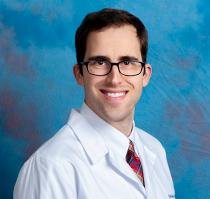
Dr. Joseph Gathe Infectious Disease Specialist
Dr. Joseph C. Gathe Jr. is a board-certified infectious disease specialist and internal medicine physician providing diagnostic and continuing care for adults with HIV, viral hepatitis, complex infections, and other conditions caused by bacteria, viruses, fungi, or parasites.
His clinical work is especially associated with HIV medicine. He has cared for people living with HIV for several decades and has participated in clinical research involving established and newer antiretroviral treatments, including therapies for patients whose virus is resistant to several medicines.
Dr. Gathe practises in Houston, Texas, and serves as chief executive officer of Therapeutic Concepts. Patients may be referred to him because of a newly diagnosed infection, difficult-to-treat HIV, an unexplained fever, a recurrent infection, abnormal infectious disease testing, or the need for specialist guidance after hospital treatment.
As both an infectious disease specialist and internist, Dr. Gathe can consider how infection interacts with the patient’s immune system, kidneys, liver, heart, medicines, and other long-term health conditions.
Doctor Information
Name: Dr. Joseph Clayton Gathe Jr., MD, FACP, FIDSA
Specialty: Infectious Disease
Additional Specialty: Internal Medicine
Primary Clinical Focus: HIV and AIDS medicine
Board Certifications: Internal Medicine and Infectious Disease
Medical School: Baylor College of Medicine
Medical Degree Completed: 1981
Residency: Internal Medicine, Baylor College of Medicine
Residency Period: 1981 to 1984
Fellowship: Infectious Disease, Baylor College of Medicine
Fellowship Period: 1985 to 1986
Current Organisation: Therapeutic Concepts
Leadership Role: Chief Executive Officer
Primary Location: Houston, Texas
NPI Number: 1871620070
Professional Designations: Fellow of the American College of Physicians and Fellow of the Infectious Diseases Society of America
Accepting New Patients: Current availability should be confirmed directly with the practice
Telemedicine: Current availability should be confirmed directly with the practice
About Dr. Joseph C. Gathe Jr.
Dr. Gathe earned his medical degree from Baylor College of Medicine in 1981.
He remained at Baylor for internal medicine residency training, which he completed in 1984. He then completed an infectious disease fellowship at Baylor College of Medicine from 1985 to 1986.
Internal medicine training prepared him to assess a broad range of medical conditions affecting adults. His infectious disease fellowship added advanced education in infections involving the blood, lungs, skin, bones, nervous system, digestive tract, heart, and other organs.
Dr. Gathe has been in private practice in Houston since the 1980s. His career has become particularly connected with the treatment of HIV and AIDS.
His work has included clinical care, medical education, research participation, and assessment of people whose HIV has become resistant to several treatment options.
Infectious Disease Services
Dr. Gathe may evaluate and manage conditions such as:
- HIV infection
- AIDS-related complications
- Treatment-resistant HIV
- Viral hepatitis
- Recurrent infections
- Complicated bacterial infections
- Skin and soft-tissue infections
- Bone and joint infections
- Bloodstream infections
- Respiratory infections
- Infections in people with reduced immunity
- Fever without a clear cause
- Infections associated with medical devices
- Selected fungal infections
- Sexually transmitted infections
- Infections following surgery or hospitalisation
The correct treatment depends on the suspected organism, infection location, laboratory findings, immune status, medicine history, and whether the patient has other medical conditions.
HIV Medicine
HIV is a virus that affects the immune system, particularly cells that help the body respond to infection.
Without treatment, HIV can gradually weaken immune protection and increase the risk of serious infections and selected cancers.
Modern antiretroviral treatment can reduce the amount of virus in the blood to very low levels. Many people receiving effective treatment can maintain long-term health and avoid progression to advanced disease.
Dr. Gathe may provide HIV care involving:
- Confirming and explaining the diagnosis
- Measuring viral load
- Monitoring CD4 cell levels
- Selecting antiretroviral treatment
- Reviewing previous treatment
- Assessing medicine resistance
- Monitoring side effects
- Screening for related infections
- Managing long-term health risks
- Coordinating care with other specialists
Treatment should be adapted to the individual patient rather than based only on a general medicine list.
Newly Diagnosed HIV
A new HIV diagnosis can involve several medical and practical questions.
Dr. Gathe may review:
- Confirmatory test results
- HIV viral load
- CD4 cell count
- Previous HIV testing
- Symptoms
- Other infections
- Kidney and liver function
- Current medicine
- Pregnancy considerations when relevant
- Previous exposure to HIV treatment
- Possible medicine interactions
Treatment is generally selected after considering effectiveness, resistance, safety, dosing, and the patient’s ability to use it consistently.
Starting treatment early can protect immune function and reduce the likelihood of HIV-related complications.
HIV Viral Load
Viral load testing measures the amount of HIV genetic material in the blood.
It helps show whether treatment is controlling the virus.
A falling viral load after treatment begins generally indicates that the medicine is working.
A sustained undetectable viral load means the amount of virus is below the test’s measurement limit. It does not mean HIV has been removed from the body.
Dr. Gathe may repeat viral load testing after treatment begins or changes and at appropriate intervals once the condition becomes stable.
A rising result may require assessment of medicine use, interactions, absorption, or drug resistance.
CD4 Cell Monitoring
CD4 cells are immune cells that HIV can damage.
A CD4 count helps show the current strength of the immune system.
Lower counts may increase the risk of selected infections.
Dr. Gathe may use the CD4 result to help determine:
- How strongly HIV has affected the immune system
- Whether preventive medicine is needed
- Whether certain infections require screening
- How the immune system responds to treatment
- Whether additional monitoring is appropriate
The CD4 count may rise after effective antiretroviral treatment, although the degree of recovery differs between patients.
Antiretroviral Treatment
Antiretroviral treatment uses a combination of medicines to prevent HIV from making new copies of itself.
The treatment plan may involve one tablet containing several medicines or a combination of separate prescriptions.
Dr. Gathe may consider:
- Resistance results
- Previous treatment history
- Kidney function
- Liver health
- Other prescriptions
- Cardiovascular risks
- Bone health
- Pregnancy plans
- Ability to follow the schedule
- Insurance and medicine access
- Previous side effects
The most appropriate treatment is one that is effective, safe, and realistic for the patient to use consistently.
Treatment-Resistant HIV
HIV can develop resistance when changes in the virus reduce the effectiveness of one or more medicines.
Resistance may develop because of:
- Earlier treatment failure
- Inconsistent medicine exposure
- Drug interactions
- Problems with absorption
- A virus already resistant at the time of transmission
- Previous treatment with older regimens
Dr. Gathe’s research and clinical background include care involving multidrug-resistant HIV.
Evaluation may include resistance testing and a detailed review of every previous HIV medicine.
The treatment plan may combine active medicines from several classes to create the strongest possible regimen.
HIV Resistance Testing
Resistance testing examines whether the virus contains changes that affect medicine response.
It may be recommended:
- At the time of diagnosis
- Before certain treatment changes
- When viral load does not decrease as expected
- When the virus becomes detectable after earlier control
- After a period of incomplete treatment
Resistance results should be interpreted together with previous medicine exposure.
A medicine that appears partly active may still have a useful role when combined with other treatments, depending on the complete clinical picture.
Long-Acting HIV Treatment
Some patients may be candidates for long-acting antiretroviral treatment given by injection or another specialised method.
Suitability may depend on:
- Viral suppression
- Resistance history
- Previous treatment
- Ability to attend scheduled appointments
- Medicine interactions
- Hepatitis B status
- Other medical factors
Long-acting treatment can reduce the need for daily tablets, but it does not remove the need for regular monitoring.
Missing scheduled doses may create a period in which medicine levels are too low to control the virus effectively.
HIV Treatment Adherence
Antiretroviral medicine works best when taken according to the prescribed schedule.
Challenges may include:
- Side effects
- Complex dosing
- Work or school schedules
- Travel
- Cost
- Pharmacy access
- Difficulty swallowing tablets
- Privacy concerns
- Changes in housing
- Depression or anxiety
- Other health conditions
Dr. Gathe may help identify the reason doses are being missed rather than assuming the patient is unwilling to follow treatment.
A simpler regimen, reminder system, pharmacy support, or treatment of side effects may improve consistency.
Undetectable Viral Load
When treatment suppresses HIV to an undetectable level and the patient maintains that suppression, HIV is not sexually transmitted.
Continued treatment and monitoring remain necessary because the virus is still present in the body.
Patients should keep taking medicine even when they feel well and laboratory results remain stable.
Stopping treatment can allow viral load to rise and may increase the risk of resistance or illness.
Advanced HIV and AIDS
AIDS is the most advanced stage of HIV infection.
It may be diagnosed when immune function becomes severely reduced or when a person develops a particular HIV-related condition.
Possible symptoms or complications may include:
- Repeated fever
- Significant tiredness
- Unexplained weight change
- Persistent diarrhoea
- Certain pneumonias
- Fungal infections
- Neurological symptoms
- Selected cancers
- Recurrent infections
Treatment includes effective HIV medicine and management of any active infection or other complication.
Even patients with advanced disease may experience substantial immune recovery after treatment is started and maintained.
Opportunistic Infections
Opportunistic infections occur more easily when immune protection is weakened.
They may affect the:
- Lungs
- Brain
- Eyes
- Digestive tract
- Skin
- Blood
- Other organs
Possible infections include certain bacterial, fungal, viral, and parasitic diseases.
Dr. Gathe may use symptoms, CD4 count, imaging, cultures, molecular tests, or tissue samples to identify the cause.
Treatment may involve several medicines and may need to continue for an extended period.
Preventive medicine may be recommended for selected patients whose immune counts remain below specific levels.
HIV and Other Medical Conditions
People living with HIV may also need continuing care for conditions not directly caused by the virus.
These may include:
- High blood pressure
- Diabetes
- High cholesterol
- Kidney disease
- Liver disease
- Heart disease
- Bone-health concerns
- Cancer risks
- Mental health conditions
HIV medicine can interact with treatment prescribed for these concerns.
Dr. Gathe may coordinate with primary care physicians, cardiologists, kidney specialists, endocrinologists, and other professionals.
Patients needing broader adult medical care may also review Dr. Hung M. Le’s internal medicine profile.
HIV and Kidney Health
HIV, certain infections, high blood pressure, diabetes, and some medicines may affect kidney function.
Monitoring may include:
- Blood creatinine
- Estimated kidney filtration
- Urine testing
- Urine-protein measurement
- Blood pressure
- Medicine review
Kidney function can affect the choice or dose of antiretroviral medicine.
An unexpected change may require repeat testing, treatment adjustment, or referral to a kidney specialist.
HIV and Liver Health
Liver health is important because HIV may occur alongside hepatitis B, hepatitis C, fatty liver disease, or medicine-related liver injury.
Dr. Gathe may review:
- Liver blood tests
- Viral hepatitis testing
- Alcohol exposure
- Prescription medicine
- Supplements
- Imaging
- Previous liver conditions
Some antiretroviral medicines also treat hepatitis B. Changing these medicines without a proper plan may allow hepatitis B to become active again.
Patients with more advanced liver disease may need coordinated care from a hepatologist such as Dr. Arturo A. Bravo.
Viral Hepatitis
Viral hepatitis causes inflammation of the liver.
Hepatitis B and hepatitis C can become chronic and may gradually cause liver scarring.
Possible evaluation may include:
- Hepatitis antibody or antigen testing
- Measurement of viral activity
- Liver-function tests
- Assessment of liver scarring
- Ultrasound
- Review of previous treatment
Many people have few or no symptoms during the early stages.
Treatment depends on the type of virus, level of activity, liver condition, and other medical factors.
HIV and Hepatitis B
HIV and hepatitis B can occur in the same patient.
Treatment needs careful planning because selected medicines are active against both viruses.
Dr. Gathe may monitor:
- HIV viral load
- Hepatitis B viral activity
- Liver tests
- Kidney function
- Medicine response
- Signs of liver scarring
Treatment should not be stopped or changed without specialist guidance.
Removing hepatitis-active medicine unexpectedly may lead to worsening liver inflammation.
HIV and Hepatitis C
Hepatitis C can cause chronic liver infection.
Modern antiviral treatment can cure many patients.
For a person with HIV, Dr. Gathe may consider interactions between hepatitis C treatment and antiretroviral medicine.
Assessment may include:
- Hepatitis C viral testing
- Virus type when relevant
- Liver-scarring evaluation
- Kidney function
- Previous hepatitis treatment
- Current HIV medicine
Successful hepatitis C treatment removes the current infection but does not prevent a person from becoming infected again after a new exposure.
Sexually Transmitted Infections
Infectious disease care may include assessment and treatment of selected sexually transmitted infections.
Testing may be considered for:
- Syphilis
- Gonorrhoea
- Chlamydia
- Hepatitis
- HIV
- Other infections based on symptoms and exposure
Some infections cause no obvious symptoms.
Testing recommendations depend on exposure, anatomy, symptoms, previous results, pregnancy considerations, and individual health risks.
Patients should provide accurate information so the correct testing sites and treatment can be selected.
HIV Prevention Care
Infectious disease specialists may provide or coordinate HIV prevention for people who do not have HIV but may benefit from preventive medicine.
Pre-exposure prophylaxis, commonly called PrEP, uses medicine to reduce the likelihood of acquiring HIV.
Before starting PrEP, testing may include:
- HIV testing
- Kidney-function testing
- Hepatitis B screening
- Sexually transmitted infection screening
- Pregnancy testing when relevant
- Review of current medicine
Regular follow-up remains important to confirm HIV-negative status, monitor safety, and renew treatment appropriately.
Post-Exposure Assessment
Post-exposure prophylaxis, commonly called PEP, is time-sensitive medicine used after a possible HIV exposure.
It must be started promptly to provide the greatest potential benefit.
Assessment may consider:
- Type of exposure
- Timing
- Source information when available
- Current HIV test
- Kidney and liver health
- Medicine interactions
- Hepatitis B status
Because timing is important, patients should seek immediate medical evaluation rather than wait for a routine future appointment.
Fever Without a Clear Cause
A persistent or recurrent fever may have several possible causes.
These include:
- Infection
- Inflammatory disease
- Medicine reactions
- Selected cancers
- Blood clots
- Other medical conditions
Dr. Gathe may review:
- Duration and pattern of fever
- Travel
- Animal exposure
- Work exposure
- Recent procedures
- Implanted devices
- Medicine
- Immune status
- Associated symptoms
- Previous laboratory and imaging results
Testing may include blood cultures, urine studies, imaging, specialised infectious tests, or consultation with another medical specialist.
Bloodstream Infections
A bloodstream infection occurs when bacteria, fungi, or another organism enters the blood.
It may develop from:
- A urinary infection
- Pneumonia
- A skin infection
- An intravenous catheter
- Abdominal infection
- Heart-valve infection
- Another source
Treatment depends on the organism and source.
Care may involve intravenous antibiotics, removal of an infected device, drainage of an abscess, heart imaging, or surgery.
Repeat blood cultures may be needed to confirm that the infection has cleared.
Endocarditis
Endocarditis is an infection involving the inner lining of the heart or a heart valve.
Risk may be higher in people with:
- Certain valve conditions
- Artificial heart valves
- Previous endocarditis
- Implanted heart devices
- Bloodstream infection
- Other specific medical risks
Possible symptoms include:
- Fever
- Chills
- Tiredness
- Shortness of breath
- New heart murmur
- Unexplained skin findings
- Signs of infection elsewhere
Diagnosis may involve repeated blood cultures and echocardiography.
Treatment commonly requires several weeks of intravenous antibiotics. Some patients also need heart surgery.
Bone and Joint Infections
Bone infection is called osteomyelitis. A joint infection is called septic arthritis.
Possible symptoms include:
- Local pain
- Swelling
- Warmth
- Reduced movement
- Fever
- Drainage from a wound
- Slow healing
Diagnosis may require blood testing, imaging, fluid sampling, or tissue culture.
Treatment may involve antibiotics, drainage, removal of infected tissue, or orthopedic surgery.
The duration of treatment depends on the organism, location, blood supply, implanted hardware, and response to care.
Skin and Soft-Tissue Infections
Skin infections may range from mild inflammation to deeper abscesses or rapidly spreading disease.
Possible signs include:
- Redness
- Warmth
- Swelling
- Pain
- Drainage
- Fever
- Increasing size
- Darkening or blistering skin
Treatment depends on whether the condition involves cellulitis, an abscess, an infected wound, or another process.
An abscess may require drainage because antibiotics alone may not remove a collection of infected fluid.
People with diabetes, reduced immunity, poor circulation, or recent surgery may require closer monitoring.
Recurrent Infections
Repeated infections may occur because of:
- Incomplete treatment
- Antibiotic resistance
- An untreated source
- Structural abnormalities
- Diabetes
- Reduced immunity
- An infected medical device
- Repeated exposure
- Another underlying condition
Dr. Gathe may review previous culture results, imaging, antibiotic use, and the pattern of recurrence.
Repeatedly prescribing the same medicine without identifying why the infection returns may delay effective treatment.
Antibiotic Resistance
Antibiotic resistance develops when bacteria change in ways that reduce the effect of one or more medicines.
Risk may increase after repeated antibiotic exposure, hospital treatment, or infection with a resistant organism.
Dr. Gathe may use culture and susceptibility results to identify which antibiotics are active.
The treatment plan may consider:
- Infection location
- Organism
- Kidney and liver function
- Allergies
- Drug interactions
- Route of administration
- Previous antibiotic exposure
A broad antibiotic is not always the best option. A narrower medicine may be more appropriate once the organism is known.
Intravenous Antibiotic Treatment
Some infections require antibiotics given through a vein.
Treatment may occur:
- In hospital
- At an infusion centre
- At home with professional support
- In another supervised setting
Dr. Gathe may help determine:
- Which medicine is suitable
- How long treatment should continue
- Which laboratory tests are needed
- Whether a central line is required
- When the patient can change to oral medicine
- How treatment response will be assessed
Intravenous treatment is not automatically stronger or better than oral medicine for every infection. The route should match the diagnosis and available evidence.
Infections in Immunocompromised Patients
A person may have reduced immune protection because of:
- HIV
- Cancer treatment
- Organ transplantation
- Immune-suppressing medicine
- Certain inherited conditions
- Advanced medical illness
Infections may present differently in these patients.
Fever may be absent, symptoms may be less typical, and uncommon organisms may need consideration.
Dr. Gathe may coordinate care with oncologists, transplant teams, or other specialists to balance infection treatment with the medicine controlling the underlying disease.
Respiratory Infections
Respiratory infections may involve the upper airways, lungs, or tissues surrounding the lungs.
Possible causes include bacteria, viruses, fungi, or other organisms.
Evaluation may include:
- Oxygen measurement
- Chest imaging
- Blood testing
- Sputum testing
- Viral testing
- Bronchoscopy in selected cases
Treatment depends on the likely cause and severity.
Antibiotics do not treat viral respiratory illnesses, and unnecessary treatment may cause side effects or contribute to resistance.
Tuberculosis Assessment
Tuberculosis is an infection caused by Mycobacterium tuberculosis.
It may exist as inactive infection or active disease.
Inactive tuberculosis usually causes no symptoms and is not contagious.
Active tuberculosis may cause:
- Continuing cough
- Fever
- Night sweats
- Tiredness
- Unexplained weight change
- Coughing blood
Testing may include a skin or blood test, chest imaging, and sputum studies.
Treatment requires several medicines used for a defined period, with laboratory monitoring and public health coordination when necessary.
Fungal Infections
Fungal infections can range from superficial skin conditions to serious disease affecting the lungs, blood, brain, or other organs.
Risk may be higher in people with reduced immune protection.
Diagnosis may require:
- Culture
- Antigen testing
- Antibody testing
- Imaging
- Tissue samples
- Molecular testing
Antifungal medicines can interact with other prescriptions and may affect liver or kidney function.
Dr. Gathe may select treatment according to the fungal organism, infection location, immune status, and medicine interactions.
Infection After Surgery
Postoperative infection may affect an incision, deeper tissue, an internal organ, or implanted material.
Possible signs include:
- Increasing redness
- Swelling
- Drainage
- Fever
- Worsening pain
- Poor wound healing
- New internal symptoms
Treatment may involve wound care, cultures, antibiotics, drainage, removal of infected material, or another operation.
Care often requires coordination between the infectious disease specialist and the surgeon.
Clinical Research
Dr. Gathe has participated in clinical research involving HIV treatment.
His published work has included studies of antiretroviral medicines for treatment-experienced patients and people with multidrug-resistant HIV.
Clinical research helps assess:
- Whether a treatment controls the virus
- How long the response lasts
- Which side effects occur
- How medicine behaves in the body
- Which patients may benefit
- How a new treatment compares with existing care
Participation in research does not mean that every patient receives an experimental medicine.
Eligibility depends on the study requirements, diagnosis, previous treatment, laboratory results, and informed consent.
Preparing for an Infectious Disease Appointment
Patients can prepare by bringing:
- A complete medication list
- Antibiotic history
- Antiretroviral treatment history
- Previous resistance results
- Laboratory reports
- Culture results
- Imaging reports
- Hospital discharge records
- Surgical reports
- Vaccination records
- Allergy information
- A timeline of symptoms
Patients with HIV should bring available records showing:
- Viral load
- CD4 count
- Previous HIV medicines
- Resistance testing
- Hepatitis results
- Earlier treatment side effects
A complete treatment history can prevent unnecessary repetition and help Dr. Gathe identify which medicines remain useful.
Medication Review
Infectious disease treatment can interact with many other prescriptions.
Dr. Gathe may review:
- HIV medicine
- Antibiotics
- Antifungal treatment
- Blood thinners
- Seizure medicine
- Cholesterol treatment
- Acid-reducing medicine
- Supplements
- Other long-term prescriptions
Patients should include non-prescription products and herbal supplements.
A supplement may change medicine levels even when it is described as natural.
Patients should not stop antiretroviral or long-term infection treatment without instructions from the prescribing team.
Laboratory Monitoring
Monitoring may include:
- Complete blood count
- Kidney function
- Liver tests
- Viral load
- CD4 count
- Drug-resistance testing
- Cultures
- Inflammatory markers
- Medicine levels in selected cases
The tests required depend on the infection and treatment.
Laboratory monitoring helps determine whether therapy is working and whether the medicine is affecting another organ.
Vaccination and Infection Prevention
Vaccination recommendations may depend on:
- Age
- HIV status
- CD4 count
- Previous vaccines
- Chronic medical conditions
- Travel
- Work exposure
- Immune-suppressing medicine
Some vaccines may require different timing for patients with reduced immune protection.
Dr. Gathe may review available records and coordinate vaccination with primary care or pharmacy services.
Coordinated Infectious Disease Care
Complex infections may require cooperation with:
- Primary care physicians
- Hospitalists
- Pharmacists
- Surgeons
- Cardiologists
- Gastroenterologists
- Kidney specialists
- Pulmonologists
- Neurologists
- Public health departments
- Home infusion services
Coordination is especially important when infection treatment affects other medical conditions or requires several weeks of follow-up.
Patients requiring continuing management of diabetes or another hormonal condition may also review Dr. Jeffrey S. Brown’s endocrinology profile.
Patient-Centered Infectious Disease Care
Dr. Gathe provides infectious disease care based on each patient’s diagnosis, immune status, laboratory findings, previous treatment, resistance results, medical history, and current medicine.
His clinical work may include HIV treatment, management of resistant HIV, viral hepatitis care, complicated infection assessment, antibiotic planning, and monitoring for infections in patients with reduced immune protection.
Patients should confirm current appointment availability, accepted insurance plans, clinical locations, telemedicine options, laboratory arrangements, and referral requirements directly with Therapeutic Concepts.



Reviews
There are no reviews yet.