
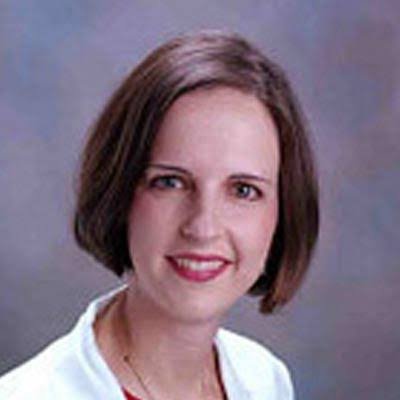
Dr. Joy P. LeBlanc, MD Obstetrician-Gynecologist and Women’s Health Care
Dr. Joy P. LeBlanc, MD, is a board-certified obstetrician-gynecologist providing care for pregnancy, preventive gynecology, adolescent reproductive health, menstrual concerns, and menopause management. She practices with Bay Area Women’s Specialists and is affiliated with HCA Houston Healthcare Clear Lake.
Her work supports patients through different stages of reproductive health, including early gynecologic care, pregnancy planning, prenatal monitoring, childbirth, postpartum recovery, changing menstrual cycles, and menopause.
An appointment with an OB-GYN is not limited to pregnancy. Patients may also seek care for abnormal bleeding, pelvic discomfort, cervical screening, contraception, vaginal symptoms, ovarian concerns, uterine conditions, and questions about reproductive health.
About Dr. Joy P. LeBlanc
Dr. LeBlanc provides obstetric and gynecologic care through Bay Area Women’s Specialists. Her stated professional interests include adolescent gynecology, support during complicated or unexpected pregnancies, and menopause management.
Her areas of care may include:
- Routine gynecologic examinations
- Preventive women’s health care
- Adolescent gynecology
- Pregnancy confirmation
- Prenatal monitoring
- Labor and delivery planning
- Postpartum care
- Menstrual concerns
- Abnormal vaginal bleeding
- Cervical cancer screening
- Contraception counseling
- Pelvic pain evaluation
- Menopause management
- Vaginal and vulvar symptoms
- Uterine and ovarian conditions
Patients comparing doctors in this field can review other gynecology specialists available through Doctiplus.
Education and Medical Training
| Training Area | Institution | Details |
|---|---|---|
| Undergraduate education | Lamar University | Bachelor of Science |
| Medical education | University of Texas Health Science Center at Houston | Doctor of Medicine, completed in 1998 |
| Internship and residency | University of Texas Health Science Center at Houston and Hermann Hospital | Obstetrics and gynecology, 1998 to 2002 |
| Board certification | American Board of Obstetrics and Gynecology | Obstetrics and gynecology |
| Professional fellowship | American College of Obstetricians and Gynecologists | Fellow |
Dr. LeBlanc completed her undergraduate education at Lamar University before earning her medical degree from the University of Texas Medical School at Houston. She then completed her obstetrics and gynecology residency within the University of Texas Health Science Center at Houston system.
OB-GYN residency prepares physicians to provide preventive reproductive care, manage pregnancy and childbirth, respond to obstetric complications, evaluate gynecologic symptoms, and perform surgical procedures.
Board Certification and Professional Credentials
Dr. LeBlanc is certified by the American Board of Obstetrics and Gynecology and holds the FACOG professional designation.
Her credentials include:
- MD, meaning Doctor of Medicine
- Residency training in obstetrics and gynecology
- Board certification in obstetrics and gynecology
- FACOG, meaning Fellow of the American College of Obstetricians and Gynecologists
- Experience in general obstetrics and women’s health
Board certification is separate from medical licensing. A medical license allows a physician to practice within a jurisdiction, while board certification reflects specialty training and professional assessment.
Preventive Gynecologic Care
Preventive gynecology helps identify health concerns before they cause serious symptoms or become more difficult to treat.
A routine visit may include:
- Reviewing menstrual cycles
- Checking blood pressure
- Discussing medication
- Updating family medical history
- Cervical screening when due
- Breast health discussion
- Pelvic examination when appropriate
- Contraception counseling
- Pregnancy planning
- Infection screening
- Menopause discussion
- Reviewing previous test results
Not every patient needs every test at each visit. Recommendations depend on age, symptoms, pregnancy history, previous screening results, medical conditions, and individual risk factors.
Patients can also read about the wider role of regular medical checkups in long-term health.
Adolescent Gynecology
Adolescent gynecology focuses on reproductive and menstrual health during the teenage years and early adulthood.
Reasons for an appointment may include:
- Periods that have not started when expected
- Very heavy periods
- Severe menstrual pain
- Irregular cycles
- Concerns about normal development
- Vaginal discharge or irritation
- Acne or unwanted hair growth
- Possible polycystic ovary syndrome
- Questions about contraception
- Reproductive health education
An adolescent visit does not always require a pelvic examination. The appointment may begin with a discussion of symptoms, menstrual patterns, medical history, medication, and any concerns the patient wants explained.
Clear communication can help younger patients understand which changes are normal and which symptoms may need testing or treatment.
Pregnancy and Prenatal Care
Prenatal care monitors the health of the pregnant patient and the developing baby throughout pregnancy.
Care may include:
- Confirming pregnancy
- Estimating the expected delivery date
- Reviewing earlier pregnancies
- Checking blood pressure and weight
- Ordering blood and urine tests
- Reviewing medication and supplements
- Monitoring fetal growth
- Discussing ultrasound results
- Screening for gestational diabetes
- Assessing pregnancy-related anemia
- Preparing for labor and delivery
Patients should tell Dr. LeBlanc about previous miscarriages, premature deliveries, cesarean sections, pregnancy-related high blood pressure, diabetes, blood clots, or other complications.
Every prescription, over-the-counter medicine, vitamin, and herbal product should be reviewed. A product described as natural is not automatically safe during pregnancy.
Patients can use Doctiplus to review other doctors providing obstetric and pregnancy care.
Pregnancy Blood Pressure Concerns
Blood pressure is checked regularly during prenatal visits because some pregnancy-related conditions may develop without obvious early symptoms.
Possible warning signs include:
- Severe or continuing headache
- Vision changes
- Sudden swelling
- Pain beneath the ribs
- Shortness of breath
- Rapid weight gain caused by fluid
- High home blood pressure readings
- Nausea or vomiting later in pregnancy
Symptoms alone cannot confirm a diagnosis. Assessment may involve repeated blood pressure measurements, urine testing, blood work, and fetal monitoring.
Severe symptoms during pregnancy should not wait for a routine appointment. Doctiplus provides additional guidance about high-risk pregnancy warning signs.
Gestational Diabetes
Gestational diabetes develops when blood sugar becomes elevated during pregnancy.
Many patients do not notice symptoms, which is why screening is commonly included in prenatal care.
Management may involve:
- Home blood sugar monitoring
- Nutrition planning
- Appropriate physical activity
- Medication when needed
- Additional fetal monitoring
- Delivery planning
- Follow-up testing after pregnancy
Blood sugar management can reduce the likelihood of excessive fetal growth, difficult delivery, newborn blood sugar problems, and other complications.
Patients who develop gestational diabetes should continue follow-up after delivery because the condition can increase the likelihood of developing type 2 diabetes later in life.
Labor and Delivery Planning
Delivery planning considers the patient’s health, pregnancy progress, fetal position, previous deliveries, and personal preferences.
Topics may include:
- Signs that labor has started
- When to contact the maternity team
- When to travel to the hospital
- Pain relief options
- Vaginal delivery
- Induction of labor
- Assisted delivery
- Cesarean delivery
- Support people during labor
- Newborn care
- Postpartum recovery
A birth plan can help patients communicate their preferences. However, the plan may need to change when an unexpected medical concern affects the patient or baby.
Postpartum Care
Postpartum care supports physical and emotional recovery after delivery.
Follow-up may include:
- Reviewing vaginal bleeding
- Checking blood pressure
- Examining cesarean incisions or tears
- Discussing pain control
- Reviewing breastfeeding concerns
- Assessing bladder or bowel symptoms
- Contraception planning
- Discussing pelvic floor recovery
- Emotional health screening
- Planning a safe return to activity
Patients should mention persistent sadness, severe anxiety, panic symptoms, difficulty sleeping when the baby is resting, or problems completing basic daily care.
Heavy bleeding, severe headache, chest pain, breathing difficulty, fever, or painful swelling in one leg requires prompt medical assessment.
Menstrual Problems and Abnormal Bleeding
Menstrual cycles may change because of age, pregnancy, medication, hormone changes, stress, illness, or conditions affecting the uterus and ovaries.
Patients may seek care for:
- Very heavy periods
- Bleeding between periods
- Periods lasting longer than expected
- Missing periods
- Severe menstrual pain
- Bleeding after intercourse
- Irregular cycles
- Weakness or dizziness during menstruation
- Bleeding after menopause
Possible causes include:
- Pregnancy
- Fibroids
- Uterine polyps
- Hormonal changes
- Thyroid conditions
- Polycystic ovary syndrome
- Perimenopause
- Infection
- Medication effects
- Changes in the uterine lining
Evaluation may include pregnancy testing, blood tests, pelvic examination, ultrasound, cervical testing, or an endometrial biopsy when appropriate.
Bleeding after menopause should be medically evaluated even when it occurs only once.
Endometriosis
Endometriosis occurs when tissue similar to the lining of the uterus develops outside the uterus.
Possible symptoms include:
- Painful periods
- Pelvic pain between periods
- Pain during sexual activity
- Pain with bowel movements
- Difficulty becoming pregnant
- Heavy or irregular bleeding
- Lower-back discomfort
- Fatigue
Symptoms do not always show how extensive the condition may be. Some patients have considerable pain with limited visible disease, while others have more extensive findings with fewer symptoms.
Treatment may involve medication, hormonal management, pain control, surgery, fertility evaluation, or a combination of approaches.
Uterine Fibroids
Fibroids are noncancerous growths that develop from the muscular tissue of the uterus.
Some fibroids cause no symptoms. Others may lead to:
- Heavy periods
- Pelvic pressure
- Painful menstruation
- Frequent urination
- Constipation
- Abdominal fullness
- Anemia
- Pregnancy or fertility concerns
Treatment depends on the size and location of the fibroids, symptom severity, age, general health, and future pregnancy plans.
Options may include monitoring, medication, minimally invasive treatment, or surgery.
Polycystic Ovary Syndrome
Polycystic ovary syndrome, commonly called PCOS, is a hormonal and metabolic condition that may affect menstrual cycles, ovulation, skin, hair growth, and fertility.
Possible signs include:
- Irregular periods
- Missed periods
- Acne
- Increased facial or body hair
- Difficulty becoming pregnant
- Weight changes
- Darkened areas of skin
- Blood sugar concerns
A diagnosis is not based only on the appearance of the ovaries on an ultrasound. The doctor may review symptoms, menstrual history, laboratory results, and other possible causes.
Treatment depends on the patient’s goals. A patient seeking pregnancy may need a different plan from someone mainly concerned about irregular bleeding or skin symptoms.
Pelvic Pain
Pelvic pain may be sudden, recurring, or present for a long period.
Possible causes include:
- Menstrual cramping
- Endometriosis
- Ovarian cysts
- Fibroids
- Pelvic infection
- Bladder conditions
- Digestive concerns
- Pelvic floor problems
- Pregnancy-related complications
- Scar tissue after surgery
Patients should describe whether the pain feels sharp, cramping, burning, aching, or pressure-like.
It may also help to note whether the pain is connected with periods, urination, bowel movements, exercise, pregnancy, or sexual activity.
Sudden severe pelvic pain accompanied by fainting, vomiting, weakness, or pregnancy requires urgent assessment.
Ovarian Cysts
An ovarian cyst is a fluid-filled or partly solid area that develops on or inside an ovary.
Many cysts are related to normal ovulation and disappear without treatment. Further evaluation may be needed when a cyst:
- Causes continuing pain
- Increases in size
- Appears complex on imaging
- Develops after menopause
- Causes pressure or bloating
- Is associated with abnormal bleeding
The doctor may recommend repeat ultrasound, blood testing, monitoring, or surgical consultation depending on the findings.
Cervical Screening and Abnormal Pap Results
Cervical screening helps identify abnormal cell changes before they become more serious.
Screening may involve:
- A Pap test
- HPV testing
- Both tests together
An abnormal result does not automatically mean cervical cancer is present.
Further care may involve:
- Repeat testing
- Colposcopy
- Cervical biopsy
- Removal of abnormal cells
- Closer monitoring
Patients should provide information about previous abnormal results, cervical procedures, pregnancy, immune-system conditions, and HPV vaccination.
Contraception and Family Planning
Contraception counseling helps patients compare available methods according to health, pregnancy goals, menstrual preferences, and daily routine.
Options may include:
- Birth control pills
- Patches
- Vaginal rings
- Injections
- Contraceptive implants
- Intrauterine devices
- Barrier methods
- Fertility-awareness approaches
- Permanent contraception
No single method is suitable for everyone.
The doctor may consider blood pressure, migraine history, clotting risk, tobacco exposure, menstrual symptoms, medication use, and future pregnancy plans.
Patients should ask about effectiveness, possible side effects, expected bleeding changes, and how quickly fertility may return after stopping a method.
Menopause Management
Menopause marks the end of menstrual periods, while perimenopause is the transition leading up to it.
Possible symptoms include:
- Hot flashes
- Night sweats
- Irregular bleeding
- Sleep difficulty
- Mood changes
- Vaginal dryness
- Urinary symptoms
- Reduced concentration
- Changes in sexual comfort
- Joint or muscle discomfort
Treatment may involve:
- Lifestyle support
- Vaginal moisturizers
- Local vaginal medication
- Nonhormonal treatment
- Hormone therapy for suitable patients
- Bone health assessment
- Cardiovascular risk review
Hormone treatment is not appropriate for every patient. Personal history, breast health, blood-clotting risk, cardiovascular health, unexplained bleeding, and medication use must be considered.
Breast Pain and Breast Health Concerns
Breast discomfort may be connected with menstrual hormone changes, pregnancy, medication, infection, cysts, muscle strain, or another cause.
An assessment may consider:
- Whether pain affects one or both breasts
- Whether a lump is present
- Whether symptoms follow the menstrual cycle
- Pregnancy or breastfeeding status
- Skin or nipple changes
- Family history
- Recent injury
- Medication use
Persistent breast pain, a new lump, nipple discharge, skin dimpling, or visible changes may require examination and imaging.
Who May Benefit From Seeing Dr. LeBlanc
An appointment may be appropriate for patients who:
- Need a routine gynecologic examination
- Are planning a pregnancy
- Need prenatal care
- Have menstrual changes
- Experience pelvic pain
- Need cervical screening
- Want contraception guidance
- Have an abnormal Pap or HPV result
- Need evaluation of a fibroid or ovarian cyst
- Have symptoms of PCOS
- Experience perimenopause or menopause symptoms
- Need postpartum follow-up
- Want support with an adolescent gynecologic concern
- Need another opinion about a women’s health condition
Patients can also use the Doctiplus directory to find doctors by specialty.
What Patients Can Expect During an Appointment
The consultation usually begins with a discussion of the patient’s main concern, medical history, reproductive history, medication, and previous test results.
Dr. LeBlanc may ask about:
- Menstrual cycle patterns
- Pregnancy history
- Previous deliveries
- Current contraception
- Medication and allergies
- Earlier surgery
- Family medical history
- Pelvic or vaginal symptoms
- Previous Pap or HPV results
- Pregnancy plans
- Menopause symptoms
- Recent laboratory or imaging results
The examination depends on the reason for the appointment. A pelvic or breast examination may be recommended when clinically appropriate.
Possible next steps include:
- Pregnancy testing
- Blood or urine testing
- Cervical screening
- Infection testing
- Ultrasound
- Medication
- Prenatal monitoring
- Follow-up examination
- Referral to another specialist
- Discussion of a procedure
Patients can ask for an explanation before an examination, test, or procedure begins.
Preparing for the Appointment
Patients can prepare by bringing:
- A medication and supplement list
- Allergy information
- Dates of recent periods
- Pregnancy records
- Previous ultrasound reports
- Earlier Pap or HPV results
- Surgical records
- Blood pressure or blood sugar readings
- Insurance information
- Referral documents
- Written questions
Patients with abnormal bleeding may find it helpful to record the timing, duration, and approximate heaviness of each episode.
Pregnant patients should bring details about previous pregnancy complications and all medicines or supplements currently being used.
Questions to Ask Dr. LeBlanc
Patients may consider asking:
- What could be causing my symptoms?
- Which tests are necessary?
- Are my menstrual changes expected?
- Is my pregnancy developing normally?
- What treatment options are available?
- Could medication be contributing to the problem?
- Is a procedure necessary?
- Are there nonsurgical alternatives?
- Could this condition affect pregnancy?
- What menopause treatments may be suitable?
- When should I return for follow-up?
- Which symptoms require urgent assessment?
Written instructions may help when the care plan includes several medicines, tests, or follow-up appointments.
Practice and Appointment Information
Dr. LeBlanc provides care through Bay Area Women’s Specialists.
Practice address:
830 Gemini Street, Suite B
Houston, TX 77058
Appointment phone:
832-553-5430
The practice currently lists Dr. LeBlanc as accepting new obstetrical patients. Her hospital affiliation includes HCA Houston Healthcare Clear Lake. Appointment availability, office hours, hospital participation, and new-patient status may change, so patients should confirm current details before traveling.
Languages and Communication
English is listed as the primary language used in Dr. LeBlanc’s practice profile. Patients who require another language should ask whether interpreter support can be arranged when scheduling.
Insurance and Telehealth Information
Insurance participation depends on the patient’s exact policy and provider network.
Before scheduling, patients should ask:
- Is Dr. LeBlanc included in my current network?
- Is the hospital or delivery facility also in network?
- Is a referral required?
- Does prenatal care require prior authorization?
- Are laboratory and ultrasound services billed separately?
- Are delivery charges separate from office visits?
- Is telehealth suitable for the appointment type?
- Are new gynecology patients being accepted?
Telehealth may be useful for selected follow-up visits, medication discussions, or test-result reviews. New pelvic symptoms, abnormal bleeding, pregnancy concerns, or conditions requiring an examination may need an in-person appointment.
When Symptoms Require Urgent Care
Patients should not wait for a routine gynecology appointment when symptoms are severe, sudden, or rapidly worsening.
Urgent assessment may be needed for:
- Heavy vaginal bleeding
- Severe pelvic or abdominal pain
- Fainting or severe dizziness
- A positive pregnancy test with pain or bleeding
- Severe headache during pregnancy
- Vision changes during pregnancy
- Difficulty breathing
- Chest pain
- Reduced fetal movement later in pregnancy
- Fluid leaking during pregnancy
- Labor symptoms earlier than expected
- Fever with severe pelvic pain
- Pain and swelling in one leg
- Serious symptoms after delivery or surgery
Patients can review guidance about when immediate medical attention may be necessary, but severe symptoms should be assessed without delay.




Reviews
There are no reviews yet.