
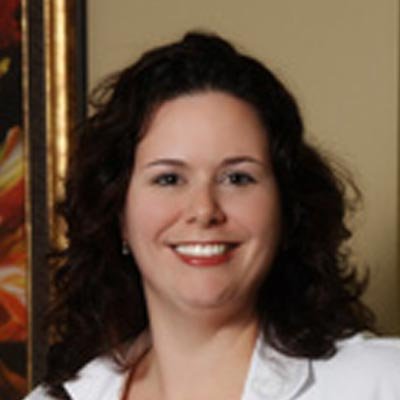
Dr. Maria G. Berdayes-Bowles Family Medicine Physician
Dr. Maria G. Berdayes-Bowles is a board-certified family medicine physician providing preventive, diagnostic, and continuing primary care for patients and families.
Her work includes routine physical examinations, treatment for common illnesses, chronic disease management, medication monitoring, health screenings, and coordination with specialists. She cares for patients who need help with a new symptom as well as those managing several long-term conditions.
As an osteopathic physician, Dr. Berdayes-Bowles received medical training that considers how physical health, daily habits, family history, medication, and other personal factors can influence a patient’s overall well-being.
She speaks English and Spanish, making it easier for more patients to discuss symptoms, test results, medicines, and treatment choices in a language they understand.
Patients comparing osteopathic primary care physicians can also read about Dr. Brynn Anna Macedo’s family medicine care.
Doctor Information
Name: Dr. Maria Grace Berdayes-Bowles, DO
Specialty: Family Medicine
Board Certification: American Board of Family Medicine
Medical School: Lake Erie College of Osteopathic Medicine
Medical Degree Completed: 2004
Internship: St. Joseph Mercy Medical Center
Residency: Family Medicine, Flower Hospital in Sylvania, Ohio
Practice: Better Medicine Today
Primary Location: Kingwood, Texas
Additional Practice Area: Humble, Texas
Academic Position: Clinical Instructor, Baylor College of Medicine
Hospital Affiliation: HCA Houston Healthcare Kingwood
Languages Spoken: English and Spanish
NPI Number: 1871524348
Telehealth: Available for suitable appointments
Accepting New Patients: Yes, according to current public provider profiles
About Dr. Maria G. Berdayes-Bowles
Dr. Berdayes-Bowles earned her Doctor of Osteopathic Medicine degree from Lake Erie College of Osteopathic Medicine in 2004.
She continued her postgraduate medical education through an internship at St. Joseph Mercy Medical Center and family medicine residency training at Flower Hospital in Sylvania, Ohio.
This training prepared her to diagnose and manage medical concerns involving several body systems. Family medicine physicians often serve as the first point of contact when patients develop unexplained symptoms, need preventive care, or require continuing support for an established condition.
Dr. Berdayes-Bowles may review the patient’s health history, perform a physical examination, request laboratory or imaging tests, begin treatment, and monitor the response over time.
When a condition requires more focused care, she may coordinate with an appropriate specialist while continuing to manage the patient’s general health.
Osteopathic Family Medicine
A Doctor of Osteopathic Medicine, or DO, completes medical education and clinical training required to diagnose illness, prescribe medication, and provide medical treatment.
Osteopathic education also places emphasis on understanding the patient as a whole rather than looking at one symptom without considering related health factors.
During an appointment, Dr. Berdayes-Bowles may consider:
- Current symptoms
- Previous diagnoses
- Family medical history
- Prescription medicines
- Non-prescription products
- Nutrition
- Physical activity
- Sleep
- Work and home routines
- Changes in daily function
- Preventive healthcare needs
This approach can be especially useful for patients managing several conditions at the same time.
Family Medicine Services
Dr. Berdayes-Bowles may provide care for concerns such as:
- Annual physical examinations
- Preventive screenings
- High blood pressure
- Type 2 diabetes
- Prediabetes
- High cholesterol
- Respiratory infections
- Asthma and chronic lung conditions
- Thyroid concerns
- Digestive symptoms
- Urinary problems
- Headaches
- Joint and muscle discomfort
- Skin conditions
- Medication management
- Follow-up after hospital care
Some concerns can be diagnosed during an office appointment. Others may require blood testing, urine testing, X-rays, advanced imaging, or referral to another physician.
Preventive Healthcare
Preventive care focuses on finding health risks before they cause serious symptoms or complications.
Dr. Berdayes-Bowles may review:
- Blood pressure
- Blood glucose
- Cholesterol
- Vaccination history
- Family medical history
- Weight changes
- Nutrition
- Physical activity
- Tobacco exposure
- Medication use
- Previous screening results
- Age-related health risks
Screening recommendations differ from one patient to another. Age, symptoms, family history, existing conditions, and previous findings can all affect which tests are appropriate.
Preventive visits also give patients an opportunity to mention gradual changes in energy, sleep, appetite, digestion, memory, movement, or daily function.
Routine Physical Examinations
A routine physical examination provides a broad review of the patient’s health.
The appointment may include:
- Updating the medical history
- Reviewing prescriptions and supplements
- Measuring blood pressure
- Checking heart and lung function
- Reviewing weight changes
- Discussing current symptoms
- Assessing previous laboratory results
- Reviewing vaccination needs
- Recommending suitable screenings
- Discussing practical health goals
Not every patient needs the same laboratory tests each year. Testing should be selected according to medical history, symptoms, medicines, and individual risks.
Patients should mention recent emergency visits, hospital admissions, specialist consultations, or changes made to their treatment.
Acute Illness Care
Family medicine physicians diagnose and treat many illnesses that begin suddenly.
Dr. Berdayes-Bowles may evaluate:
- Fever
- Cough
- Sore throat
- Nasal congestion
- Sinus symptoms
- Ear discomfort
- Influenza-like illness
- Acute bronchitis
- Digestive upset
- Urinary discomfort
- Minor skin infections
- Headaches
- Unexpected tiredness
An appointment may include a physical examination and selected diagnostic testing.
Treatment depends on whether symptoms are caused by a virus, bacterial infection, allergy, inflammation, medication, or another medical condition.
Antibiotics do not treat viral illnesses and are normally considered only when findings support a bacterial infection that may benefit from them.
High Blood Pressure Management
High blood pressure may not cause noticeable symptoms. When it remains uncontrolled, it can gradually affect the heart, kidneys, brain, eyes, and blood vessels.
Dr. Berdayes-Bowles may manage hypertension through:
- Office blood pressure measurements
- Review of home readings
- Medication selection
- Dosage adjustments
- Kidney-function testing
- Cardiovascular risk assessment
- Nutrition guidance
- Physical activity discussions
- Monitoring for medication side effects
Patients who measure blood pressure at home should keep a record of the date, time, and result.
It may also be useful to note whether headache, dizziness, weakness, chest discomfort, or another symptom occurred around the same time.
Diabetes and Prediabetes Care
Prediabetes means blood sugar is above the expected range but has not reached the level used to diagnose diabetes.
Early management may help delay or prevent progression in some patients.
Dr. Berdayes-Bowles may provide:
- Blood glucose testing
- A1C monitoring
- Medication management
- Nutrition discussions
- Physical activity planning
- Kidney-function monitoring
- Foot and nerve assessment
- Diabetic eye examination referrals
- Cardiovascular risk management
- Review of home glucose readings
Type 2 diabetes treatment may include changes to daily habits, oral medicine, injectable treatment, insulin, or a combination of approaches.
The plan should consider blood sugar patterns, kidney health, cardiovascular risk, medication tolerance, and the patient’s normal routine.
Patients seeking another physician for long-term family healthcare may review Dr. Mohammad Ahmed’s family medicine profile.
Cholesterol Management
High levels of certain blood fats can contribute to plaque forming inside the arteries. This may increase the long-term risk of heart attack, stroke, and circulation problems.
Dr. Berdayes-Bowles may assess:
- Total cholesterol
- LDL cholesterol
- HDL cholesterol
- Triglycerides
- Blood pressure
- Blood glucose
- Tobacco exposure
- Family cardiovascular history
- Age
- Previous heart or blood vessel disease
Treatment may include nutrition changes, physical activity, prescription medication, weight-related health support, or improved control of diabetes and thyroid disease.
Recommendations are based on the patient’s complete cardiovascular risk rather than one laboratory result alone.
Heart and Circulation Concerns
Primary care plays an important role in identifying risk factors for cardiovascular disease.
Dr. Berdayes-Bowles may evaluate patients with:
- High blood pressure
- High cholesterol
- Diabetes
- Irregular heartbeats
- Reduced exercise tolerance
- Leg swelling
- Family history of heart disease
- Tobacco exposure
- Kidney disease
- Weight-related cardiovascular risks
Testing may include an electrocardiogram, blood tests, imaging, or referral to a cardiologist.
The type of assessment depends on the patient’s symptoms, medical history, age, and examination findings.
Respiratory and Lung Care
Coughing, wheezing, congestion, and breathing discomfort may be caused by infection, asthma, chronic lung disease, allergies, tobacco exposure, or another medical condition.
Dr. Berdayes-Bowles may review:
- When symptoms began
- Whether fever is present
- Possible environmental triggers
- Previous asthma or lung disease
- Inhaler use
- Nighttime symptoms
- Exercise-related breathing changes
- Tobacco exposure
- Response to previous treatment
Testing may include oxygen measurement, lung examination, infection testing, chest X-ray, or breathing studies.
Treatment is based on the suspected cause and severity of symptoms.
Chronic Obstructive Pulmonary Disease
Chronic obstructive pulmonary disease, commonly called COPD, can cause ongoing coughing, mucus production, wheezing, and shortness of breath.
Management may include:
- Inhaled medication
- Review of inhaler technique
- Vaccination guidance
- Monitoring oxygen levels
- Evaluation of worsening symptoms
- Physical activity planning
- Smoking-cessation support
- Lung specialist referral
- Pulmonary rehabilitation when appropriate
Patients should explain whether breathing problems are becoming more frequent, interfering with sleep, or limiting ordinary activities.
Kidney Health Monitoring
Diabetes, high blood pressure, heart conditions, dehydration, and some medicines can affect kidney function.
Dr. Berdayes-Bowles may monitor kidney health through:
- Blood testing
- Urine testing
- Urine-protein assessment
- Blood pressure control
- Diabetes management
- Medication review
- Evaluation of swelling
- Review of changes in urination
Early kidney disease may cause few obvious symptoms. Routine testing can therefore be important for patients with increased risk.
A kidney specialist may become involved when testing shows significant or continuing changes.
Digestive Health
A family medicine physician can provide the first evaluation for many digestive concerns.
Dr. Berdayes-Bowles may assess:
- Heartburn
- Acid reflux
- Abdominal discomfort
- Nausea
- Bloating
- Constipation
- Diarrhoea
- Diverticular symptoms
- Changes in bowel habits
- Unexplained appetite or weight changes
An evaluation may involve medication review, laboratory testing, stool studies, imaging, or referral to a gastroenterologist.
Recurring digestive symptoms should be assessed properly rather than repeatedly treated without identifying the cause.
Diverticular Disease
Diverticula are small pouches that may develop in the wall of the colon. Their presence is known as diverticulosis.
When the pouches become inflamed or infected, the condition is called diverticulitis.
Possible symptoms include:
- Lower abdominal pain
- Tenderness
- Fever
- Nausea
- Constipation or diarrhoea
- Reduced appetite
- Changes in bowel habits
Treatment depends on symptom severity and whether complications are present.
Some patients can be treated outside the hospital, while others may require imaging, specialist care, or inpatient treatment.
Urinary Health
Urinary symptoms can result from infection, bladder irritation, stones, medication, pelvic floor changes, or another medical condition.
Dr. Berdayes-Bowles may evaluate:
- Painful urination
- Frequent urination
- Sudden urgency
- Urinary leakage
- Lower abdominal pressure
- Blood in the urine
- Repeated urinary symptoms
- Back or side discomfort
- Fever with urinary changes
Testing may include urine analysis and culture.
Repeated urinary symptoms do not always mean that an infection is present. Proper assessment can help identify other possible causes.
Thyroid Concerns
The thyroid gland produces hormones that influence metabolism, energy, heart rate, digestion, and temperature regulation.
Possible symptoms of thyroid disease include:
- Tiredness
- Weight changes
- Sensitivity to heat or cold
- Changes in heart rate
- Constipation
- Tremor
- Dry skin
- Hair changes
- Muscle weakness
- Changes in concentration
These symptoms can have several possible causes. Blood tests are generally needed before a thyroid disorder can be confirmed.
Dr. Berdayes-Bowles may manage common thyroid conditions and arrange endocrinology care when the diagnosis or treatment is more complex.
Joint and Muscle Symptoms
Joint stiffness, back discomfort, muscle pain, and reduced movement may develop because of injury, repetitive activity, arthritis, inflammation, or nerve irritation.
Dr. Berdayes-Bowles may recommend:
- Temporary activity changes
- Medication
- Home exercises
- Physical therapy
- Strength training
- X-rays
- Laboratory testing
- Specialist referral
Treatment depends on whether symptoms involve a joint, bone, muscle, ligament, tendon, or nerve.
Patients should explain when the symptoms began and how they affect work, walking, sleep, exercise, or daily activities.
Headache Evaluation
Headaches may be associated with migraine, muscle tension, sinus symptoms, sleep problems, medication, vision changes, blood pressure, or another condition.
Dr. Berdayes-Bowles may ask about:
- Where the pain occurs
- How long it lasts
- How often it returns
- Possible triggers
- Nausea
- Sensitivity to light or sound
- Vision changes
- Medication use
- Sleep patterns
- Previous head or neck injuries
A headache diary can help identify patterns involving meals, stress, sleep, activity, or medication.
Laboratory tests, imaging, or referral to a neurologist may be considered when symptoms are unusual, persistent, or changing.
Medication Management
Patients may receive prescriptions from several healthcare professionals. Reviewing the complete medication list can help identify possible safety concerns.
Dr. Berdayes-Bowles may check for:
- Duplicate prescriptions
- Drug interactions
- Side effects
- Incorrect doses
- Medicines that may no longer be needed
- Conflicts with non-prescription products
- Supplements that affect prescribed treatment
- Difficulty following the dosing schedule
Patients should bring an updated list of prescriptions, over-the-counter products, vitamins, and supplements.
Medication should not be stopped or changed without guidance from the prescribing healthcare professional.
Vaccinations and Health Screenings
Vaccination and screening needs change according to age, medical history, work, travel, and existing conditions.
Dr. Berdayes-Bowles may review:
- Routine adult vaccinations
- Seasonal vaccination needs
- Diabetes screening
- Cholesterol testing
- Blood pressure screening
- Colorectal cancer screening
- Bone-health assessment
- Other age-appropriate preventive services
Patients should bring available vaccination and screening records to their appointments.
Earlier screening may be recommended for patients with a strong family history or previous abnormal results.
Chronic Condition Management
Long-term conditions require continuing monitoring because symptoms, laboratory results, and medication needs can change.
Dr. Berdayes-Bowles may help patients manage:
- High blood pressure
- Type 2 diabetes
- High cholesterol
- Chronic lung disease
- Asthma
- Kidney concerns
- Thyroid disease
- Arthritis
- Heart-related risk factors
- Several conditions at the same time
Follow-up appointments allow her to review test results, medication response, side effects, and changes in daily function.
Patients should mention missed doses, new symptoms, and treatment provided by another healthcare professional.
Telehealth Appointments
Telehealth may be available for concerns that do not require an immediate physical examination.
A virtual appointment may be useful for:
- Medication follow-up
- Review of laboratory results
- Stable chronic conditions
- Preventive care planning
- Discussion of minor symptoms
- Follow-up after earlier treatment
Some conditions still require an office examination, diagnostic testing, imaging, or urgent evaluation.
The practice can determine whether a virtual or in-person appointment is more appropriate.
Academic and Clinical Teaching
Dr. Berdayes-Bowles holds a clinical instructor position with Baylor College of Medicine.
Clinical teaching roles may involve supporting the education of medical students, residents, or other healthcare trainees in real clinical settings.
This work can include demonstrating patient assessment, discussing diagnosis and treatment, reviewing professional responsibilities, and helping trainees understand continuity of care in family medicine.
Coordinated Medical Care
Patients managing several conditions may receive care from multiple specialists.
Dr. Berdayes-Bowles may coordinate with:
- Cardiologists
- Endocrinologists
- Gastroenterologists
- Pulmonologists
- Kidney specialists
- Neurologists
- Orthopedic physicians
- Surgeons
- Physical therapists
- Other healthcare professionals
Coordination can help reduce repeated testing, identify medication conflicts, and keep treatment recommendations consistent.
Patients comparing other established family physicians can also review Dr. John G. Creel’s primary care profile.
Preparing for an Appointment
Patients can prepare by bringing:
- A current medication list
- Recent laboratory results
- Imaging reports
- Hospital discharge records
- Home blood pressure readings
- Blood glucose records
- Vaccination information
- A list of medication allergies
- Family medical history
- Questions about testing or treatment
It is helpful to explain when symptoms began, how frequently they occur, and what makes them better or worse.
Patients should also mention changes in sleep, appetite, weight, energy, physical activity, or daily function.
Patient-Centered Family Medicine
Dr. Berdayes-Bowles provides family medicine care based on each patient’s symptoms, health history, medication, preventive needs, and long-term goals.
Her services may include routine physical examinations, acute illness treatment, chronic disease management, health screening, vaccination review, telehealth appointments, medication monitoring, and coordination with specialists.
Patients should confirm current appointment availability, accepted insurance plans, telehealth eligibility, office locations, and referral requirements directly with Better Medicine Today.



Reviews
There are no reviews yet.