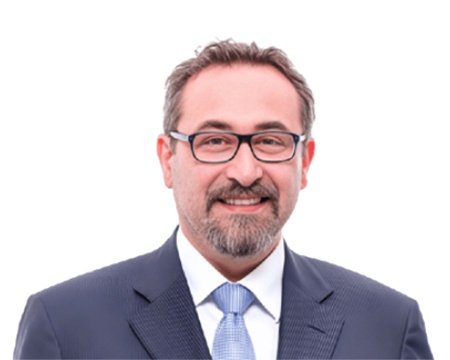
Mr Marco Sinisi is a consultant peripheral nerve surgeon focused on traumatic nerve injuries, brachial plexus disorders, nerve tumours, decompression, nerve repair, and reconstructive treatment after paralysis.
Mr Marco Sinisi Peripheral Nerve Surgeon and Nerve Repair
Mr Marco Sinisi is a consultant neurosurgeon whose clinical work focuses on peripheral nerve injuries, brachial plexus disorders, nerve compression, nerve tumours, and reconstructive treatment following paralysis. He treats nerve conditions that may affect movement, strength, sensation, comfort, and a patient’s ability to complete everyday tasks.
Peripheral nerves carry signals between the brain, spinal cord, muscles, skin, and other parts of the body. When a nerve is compressed, stretched, divided, or otherwise damaged, patients may experience pain, tingling, numbness, muscle weakness, reduced coordination, or loss of movement. Mr Sinisi’s role is to identify the affected nerve, assess its potential for recovery, and determine whether observation, rehabilitation, surgery, or combined care may be appropriate.
About Mr Marco Sinisi
Mr Sinisi trained in neurosurgery before directing his practice towards complex peripheral nerve conditions. His documented clinical interests include adult and obstetric brachial plexus injuries, traumatic nerve damage, peripheral nerve tumours, and reconstructive procedures for patients affected by paralysis.
His work may be relevant for patients whose nerve symptoms developed after an accident, fracture, dislocation, sports injury, birth injury, previous operation, long-term compression, or tumour. Some patients seek assessment soon after an injury, while others need a second opinion because strength, movement, or sensation has not returned as expected.
Mr Sinisi’s practice forms part of specialised surgical care, where treatment decisions depend on the nerve involved, the cause and severity of the damage, the patient’s general health, and the time that has passed since symptoms began.
Professional Background and Experience
Mr Sinisi graduated in medicine from the University of Milan in 1997 and completed specialist neurosurgical training at the Institute of Neurosurgery of Milan.
He later worked at the Carlo Besta Neurological Institute, where he was involved in developing surgical treatment for peripheral nerve disorders. In 2004, he joined the Peripheral Nerve Injury Unit at the Royal National Orthopaedic Hospital as a consultant.
His professional work combines patient care, complex surgical planning, medical education, and research related to peripheral nerve injuries. He also holds an honorary academic appointment at University College London and has contributed to numerous scientific papers and professional presentations.
Education and Specialist Training
Training Area
Institution
Details
Medical education
University of Milan
Medical degree completed in 1997
Specialist training
Institute of Neurosurgery of Milan
Neurosurgical training
Early consultant work
Carlo Besta Neurological Institute
Surgical care for peripheral nerve disorders
Specialist appointment
Royal National Orthopaedic Hospital
Peripheral Nerve Injury Unit
Academic work
University College London
Honorary academic appointment
Neurosurgical training provides detailed knowledge of the brain, spinal cord, nerve roots, and peripheral nervous system. Mr Sinisi later developed a focused practice in peripheral nerve surgery, where treatment may involve microsurgical techniques, nerve reconstruction, tendon transfers, and coordinated rehabilitation.
Main Areas of Peripheral Nerve Care
Traumatic Peripheral Nerve Injuries
A peripheral nerve may be damaged by a cut, crush injury, fracture, dislocation, stretching force, or severe impact. Nerve damage can also occur during an operation or when scar tissue develops around a nerve.
The effect of an injury depends on whether the nerve has been bruised, compressed, stretched, partly divided, or completely severed. A mild nerve injury may recover naturally, while a more serious injury may require surgical exploration, repair, grafting, or nerve transfer.
Possible symptoms include:
Loss of normal feeling
Tingling or burning sensations
Muscle weakness
Reduced grip strength
Difficulty lifting an arm or foot
Loss of movement in part of a limb
Pain following an accident
Muscle wasting
Reduced coordination
Increased sensitivity around the injured area
Patients can read more about peripheral neuropathy symptoms to understand how damaged peripheral nerves may affect sensation and movement. Symptoms vary widely, so a clinical assessment is needed to identify the actual cause.
Brachial Plexus Injuries
The brachial plexus is a network of nerves that begins near the neck and controls much of the movement and sensation in the shoulder, arm, forearm, and hand.
A brachial plexus injury may occur when these nerves are stretched, compressed, or torn. Causes can include road accidents, falls, contact sports, tumours, inflammation, or injuries during birth.
The severity may range from temporary weakness in a small group of muscles to extensive loss of movement and feeling throughout an arm.
Patients may notice:
Shoulder weakness
Difficulty bending the elbow
Loss of wrist or hand movement
Numbness in part of the arm
Burning or electric-like pain
Reduced grip
Muscle wasting
A heavy or unsupported feeling in the arm
Mr Sinisi’s documented interests include adult and obstetric brachial plexus lesions and reconstructive work for patients affected by paralysis.
Obstetric Brachial Plexus Injury
An obstetric brachial plexus injury develops around the time of birth and may affect movement in a baby’s shoulder, arm, or hand. Erb’s palsy is one recognised pattern of this type of nerve injury.
Some children show gradual improvement as the affected nerves recover. Others may require specialist monitoring, physiotherapy, imaging, electrical testing, or surgery.
Assessment may consider:
Entrapment neuropathy occurs when a nerve is compressed within a narrow passage or by surrounding tissue. The pressure may initially cause occasional tingling but can eventually lead to persistent numbness, weakness, reduced coordination, or muscle loss.
Examples include carpal tunnel syndrome at the wrist and cubital tunnel syndrome around the elbow.
Possible symptoms include:
Numbness in particular fingers
Tingling that becomes worse at night
Hand weakness
Reduced grip strength
Difficulty handling small objects
Pain around the wrist or elbow
Symptoms linked to certain arm positions
Dropping objects more frequently
Not every compressed nerve requires surgery. Treatment may begin with activity changes, splinting, therapy, medication, or management of an underlying condition.
Patients can review reliable information about carpal tunnel syndrome, including common symptoms, diagnostic testing, and treatment approaches.
Peripheral Nerve Tumours
Peripheral nerve tumours form within or near the protective tissues surrounding a nerve. Many nerve sheath tumours are non-cancerous, but any unexplained lump, increasing pain, weakness, or change in sensation requires proper assessment.
A tumour may cause:
A noticeable lump
Localised pain
Pain travelling along a nerve
Tingling or numbness
Muscle weakness
Loss of function
Increasing symptoms as the growth becomes larger
Assessment may involve MRI, ultrasound, electrical nerve studies, and sometimes a biopsy. Surgical planning must balance removal of the tumour with protection of functioning nerve fibres.
The National Cancer Institute provides information about malignant peripheral nerve sheath tumours, which are rare cancers arising from the tissues covering peripheral nerves. Most nerve-related symptoms are not evidence of cancer, but unexplained or progressive problems should be medically evaluated.
Reconstructive Care After Paralysis
A serious nerve injury may leave a muscle without a working nerve supply. When natural nerve recovery is unlikely to restore useful movement, reconstructive procedures may be considered.
Treatment may aim to improve:
Shoulder stability
Elbow bending
Wrist position
Hand opening or closing
Grip strength
Finger movement
Foot or ankle control
Independence with everyday activities
It may not be possible to restore every lost movement. Treatment is often planned around the functions that would provide the greatest practical benefit to the patient.
Conditions Mr Sinisi May Evaluate
Mr Sinisi’s documented areas of specialist care include:
Peripheral nerve injuries
Adult brachial plexus injuries
Obstetric brachial plexus injuries
Erb’s palsy
Traumatic nerve lesions
Entrapment neuropathies
Carpal tunnel syndrome
Cubital tunnel syndrome
Peripheral nerve tumours
Pain caused by nerve trauma
Muscle weakness linked to nerve damage
Paralysis affecting an arm or limb
Loss of function after an accident
Persistent symptoms following nerve surgery
Complex nerve injuries requiring reconstruction
An appointment does not automatically mean an operation will be recommended. The first step is to determine whether the symptoms arise from a peripheral nerve, nerve root, spinal cord condition, muscle disorder, joint problem, or another cause.
Procedures Connected With His Practice
Mr Sinisi’s listed procedures include nerve repair, nerve decompression, peripheral nerve surgery, carpal tunnel decompression, cubital tunnel release, tendon transfer surgery, and reconstructive treatment after paralysis.
Nerve Decompression
Nerve decompression involves releasing tissue that is placing pressure on a nerve.
It may be considered when symptoms continue despite suitable nonsurgical care, electrical tests show significant nerve compression, or muscle weakness is becoming more noticeable.
The goal is to reduce pressure and create enough space for the nerve to function and recover.
Neurolysis
Neurolysis involves carefully freeing a nerve from scar tissue or surrounding structures that restrict its movement.
This procedure may be considered following trauma or previous surgery when scar tissue has formed around the nerve. The surgeon must determine whether releasing the nerve is likely to improve symptoms or function.
Direct Nerve Repair
When a nerve has been cleanly divided, it may sometimes be repaired by bringing the healthy ends together.
Direct repair is more likely to be possible when the gap is small and the nerve ends can be joined without excessive tension.
Nerve Grafting
A nerve graft may be required when damaged tissue creates a gap between the healthy nerve ends.
A section of another suitable nerve is used to create a pathway across the injured area. New nerve fibres then need to grow through the graft towards the affected muscles or skin.
Nerve Transfer Surgery
A nerve transfer connects a functioning nerve, or part of one, to a damaged nerve pathway.
This approach may reduce the distance new nerve fibres must travel before reaching an important muscle. It can be considered in selected brachial plexus and severe peripheral nerve injuries.
Tendon or Muscle Transfer
When nerve recovery is unlikely to restore a useful movement, a functioning tendon or muscle may be redirected to perform a different action.
This type of reconstruction is planned around the movements the patient still has and the functions they most need to regain.
How Peripheral Nerve Conditions Are Assessed
A specialist assessment usually combines the patient’s history, physical examination, previous treatment records, imaging, and nerve tests.
The consultation may examine:
How and when the injury occurred
Which movements were lost
Whether function has changed over time
The pattern of pain or numbness
Individual muscle strength
Reflexes
Joint movement
Muscle wasting
Skin sensitivity
Previous surgical scars
The effect on work, school, sleep, and daily activities
Tests may include:
MRI
Ultrasound
Electromyography
Nerve conduction studies
X-rays after fractures or dislocations
CT imaging in selected cases
Repeat examinations to monitor recovery
Imaging and electrical tests provide different information. A scan can show the structures surrounding a nerve, while nerve conduction studies and electromyography examine how signals travel through nerves and muscles.
Who May Benefit From Seeing Mr Sinisi
A specialist consultation may be useful for patients who:
Have lost movement following an injury
Have persistent numbness or weakness
Experience severe pain along a nerve
Have a suspected brachial plexus injury
Have a child with a birth-related nerve injury
Have been diagnosed with a peripheral nerve tumour
Have symptoms that continued after decompression surgery
Need an opinion about nerve grafting or nerve transfer
Want a second opinion before reconstructive surgery
Have unexplained weakness following trauma
Need coordinated surgical and rehabilitation care
Have been told that nerve recovery is uncertain
Patients can use the Doctiplus doctor and specialist directory when comparing suitable healthcare professionals or seeking an additional opinion.
What Patients Can Expect During an Appointment
The first consultation usually focuses on understanding how the condition began, what functions have been affected, and whether symptoms are improving.
Patients may be asked:
When did the problem begin?
Was there an accident, operation, or birth injury?
Which movements are difficult or impossible?
Has strength improved since the injury?
Is there pain, numbness, or tingling?
Have previous operations been performed?
Has physiotherapy helped?
Which tests have already been completed?
How does the condition affect daily life?
Which result matters most to the patient?
A physical examination may test individual muscles rather than only checking general arm or leg strength. This can help identify which nerve pathways remain active and which appear damaged.
The treatment plan may involve continued observation, further tests, physiotherapy, pain care, surgery, or referral to another professional.
Preparing for the Consultation
Patients can prepare by bringing:
A current medication list
Details of the original injury
Accident or operation reports
Previous clinic letters
MRI or CT images
Ultrasound reports
Electromyography results
Nerve conduction study reports
Previous surgical notes
Physiotherapy records
A timeline of changes in movement
Videos showing earlier or changing function
A list of questions
Insurance or referral documents
For a recent injury, it is useful to record which movements were possible immediately afterwards and whether any strength has returned.
For a longer-term condition, patients should explain which daily activities remain difficult. Examples may include dressing, holding cutlery, writing, walking, using stairs, driving, or returning to work.
Questions to Ask During the Consultation
Patients may consider asking:
Which nerve or part of the brachial plexus is affected?
Is the nerve likely to recover without surgery?
How long should recovery be observed?
Are more scans or electrical tests required?
What type of operation may be considered?
What movement could the procedure realistically restore?
Are nerve grafting or nerve transfer suitable?
What may happen if surgery is delayed?
Could tendon or muscle transfer be needed?
How long may nerve recovery take?
What rehabilitation will be required?
Could more than one procedure be necessary?
What are the main surgical risks?
How will progress be measured?
Would another specialist opinion be helpful?
Clear expectations are important because peripheral nerve recovery is often gradual. The final result may take months to become apparent and can vary between patients.
Recovery and Rehabilitation
Peripheral nerves generally recover more slowly than skin or bone. A repaired nerve may need to grow a considerable distance before reaching the muscle or area of skin it supplies.
Recovery may involve:
Wound care
Temporary protection of the repaired area
Pain management
Splinting
Physiotherapy
Occupational therapy
Strengthening exercises
Sensory retraining
Prevention of joint stiffness
Repeat nerve testing
Monitoring for returning movement
Adaptations for work or daily activities
Patients should follow the plan provided by their surgical and rehabilitation teams. Excessive activity too early may place stress on healing tissues, while prolonged inactivity may increase stiffness and muscle loss.
General NHS guidance explains that treatment for peripheral neuropathy depends on its underlying cause and may include symptom management, rehabilitation, or care for nerve pain.
Practice and Appointment Information
Mr Sinisi is associated with the Peripheral Nerve Injury Unit at the Royal National Orthopaedic Hospital. His private appointments are also connected with The Wellington Hospital and The Portland Hospital.
He provides care for peripheral nerve conditions affecting adults, while some paediatric consultations and procedures may be arranged through specialist children’s services. English and Italian are listed among the languages he speaks.
Appointment availability, clinic location, referral requirements, insurance participation, and treatment facilities may change. Patients should confirm current information directly with the relevant hospital or clinic before booking.
Insurance and Referral Preparation
Before arranging a consultation, patients may wish to ask:
Is a referral letter required?
Should medical records be reviewed before booking?
Does the clinic need imaging in advance?
Is the consultation covered by insurance?
Does the insurer require prior authorisation?
Are diagnostic tests charged separately?
Which hospital would provide treatment?
Will rehabilitation be arranged through the same team?
Is an initial remote consultation available?
Are international referrals accepted?
Insurance approval for a consultation may not automatically include diagnostic tests, hospital fees, surgery, or rehabilitation. Each part of the proposed care should be confirmed separately.
When Symptoms Need Urgent Medical Care
A routine specialist appointment is not suitable for an immediate emergency.
Urgent assessment may be needed for:
Sudden loss of movement after a serious injury
Severe bleeding or an open wound
A cold, pale, blue, or severely swollen limb
Rapidly increasing weakness
Severe pain following a fracture or dislocation
Loss of sensation after major trauma
Signs of infection after surgery
Breathing difficulty following a neck or shoulder injury
New weakness affecting several limbs
Sudden bladder or bowel problems with neurological symptoms
Patients should contact emergency services or attend an emergency department when symptoms are sudden, severe, or rapidly worsening.
Profile Accuracy
This profile has been prepared using publicly available professional, academic, and institutional information.
Readers can review the Doctiplus editorial policy to understand how patient-focused medical content is written and maintained.
Doctiplus also provides a list of trusted healthcare information resources used to support clear and responsible health content.
Reviews
There are no reviews yet.
Be the first to review “Mr Marco Sinisi” Cancel reply





Reviews
There are no reviews yet.