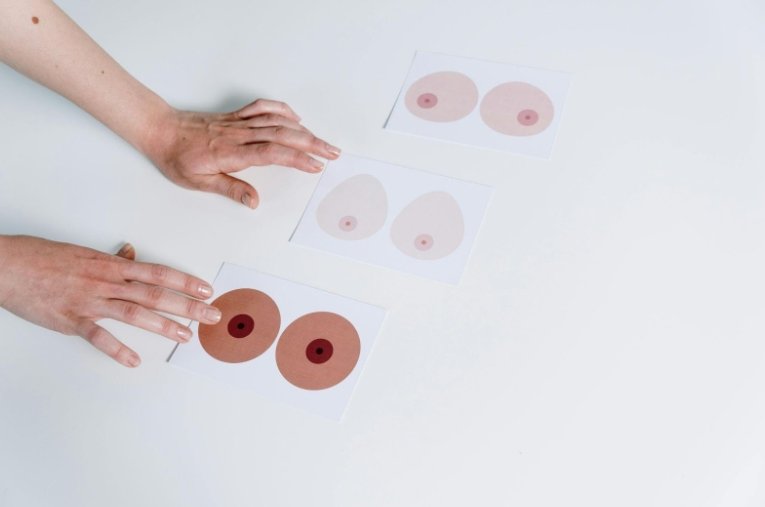
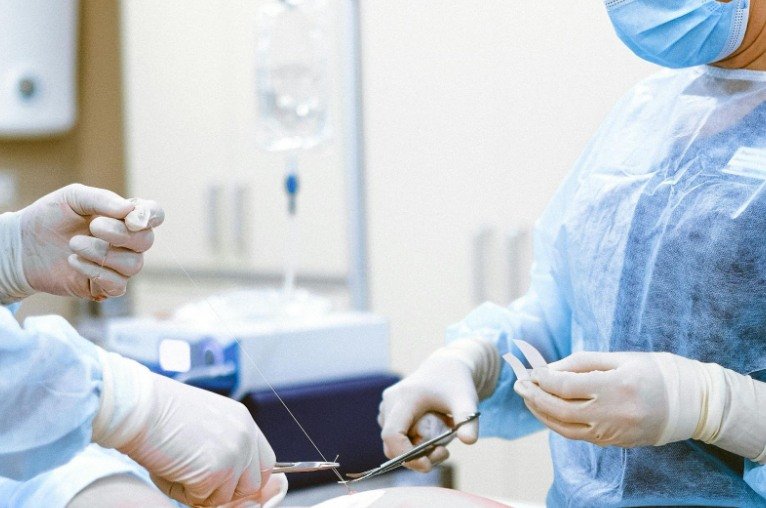
Pricing for this procedure is all over the map. One friend paid a certain amount. A clinic online advertises something else. It can feel confusing. Why the big range? Well, it is not a simple product with a fixed tag. It is more like a custom piece of art. The final number depends on a few key things. Your choices in style, size, and even what is popular at the moment all play a role. Let’s break down how those pieces move the needle on your total.
Every surgeon has a starting point. That base fee covers their time and the facility. But that is just the beginning. The final breast augmentation cost changes based on the details you pick. Think of it like ordering a car. The base model is one price. Then you pick the upgraded engine, the special paint, the premium sound system. Each choice adds a little more. Your implants work the same way. The style you want and the size you choose will shift the number before you even add in other factors.
Style: Saline vs. Silicone
The simplest choice is the implant filling. Saline implants are usually the more budget-friendly option. They cost less to manufacture. They are also less expensive for the surgeon to purchase. Those savings often get passed to you. The procedure itself is straightforward. Many surgeons can place them with a smaller incision. That can mean slightly less operating time.
Silicone implants are a different story. They cost more upfront. The material is more advanced. The gel inside is designed to feel like natural tissue. Manufacturers put a lot of research into that feel. So the implant itself carries a higher price tag. Most surgeons will quote you a higher total for silicone. It is a premium product. And that premium comes with a premium price.
Style: Round vs. Shaped
If you go with silicone, you have another style decision. Round implants are the standard. They are widely available. They are easier to place. Because they are symmetrical, the surgery is often more predictable. That usually keeps the cost in check. It is a trusted, time-tested option.
Shaped implants are different. They are sometimes called anatomical or teardrop. They require more skill to position correctly. The surgeon has to be precise. If the implant rotates, the look changes. So the surgery takes more time. It takes more expertise. That extra time and skill add to the total cost. You are paying for a more complex procedure. And you are paying for a surgeon with advanced experience in that specific implant type.
Size: It Is Not Just About More Volume
Bigger implants always cost more. But that is not exactly true. The implant size itself has a small range in price. A very large implant might cost slightly more than a small one. But that difference is usually minor. The real cost comes from what that size requires from your body.
If you go very large, the surgery gets more complex. The surgeon has to create more pocket space. They have to manage your skin tension. The operating time often increases. You might need a different incision location. Sometimes a larger implant means a longer recovery. All of those factors can push the total price upward. So it is not the volume of the implant you pay for. It is the extra work that volume demands.
Trends: What Is Popular Right Now
Trends influence costs more than people realize. Right now, the natural look is having a moment. More people want subtle curves. They want a result that does not scream “surgery.” That trend has shaped implants and moderate profiles very popular. High demand for specific products can affect pricing. Manufacturers know which styles are in demand. Surgeons know which styles patients are asking for.
On the flip side, trends in technique also matter. Many surgeons now use the “no-touch” technique. They use special devices to place the implant without contact. That reduces infection risk. But it adds a bit to the cost. Trends in safety and technology often become standard. And when standards go up, the price often follows. You are paying for the latest best practices.
Geographic Trends and Clinic Reputation
Where you live plays a big role, too. Certain cities have higher costs of living. Surgeons in those areas charge more. Their facility fees are higher. Their staff costs more. So the same procedure in a big city often costs more than in a smaller town. That is just economics.
But there is also a trend in reputation. Some clinics become known for a certain style. They build a name. They attract patients from out of state. That reputation carries a premium. You are paying for their specific eye. You are paying for their track record. And for many people, that is worth the extra money. They want a specific look. They go to the specialist who does that look every day.
Putting It All Together
So how do you navigate all this? You start by knowing your own goals. Do you want saline or silicone? Do you want a round shape or a shaped one? Do you want a modest size or a bold change? Those three choices set your baseline.
Then you factor in the surgeon’s expertise. A specialist in the exact style you want might cost more. But they also deliver better results in that style. You pay for alignment. You pay for a match between what you want and what they do best. Trends come and go. But your body is yours forever. So make your choices based on what fits you. The cost will follow those choices. And that is okay. You are building a result that lasts. That is worth every bit of the planning.
References
American Society of Plastic Surgeons. (2023). Breast Augmentation: What to Expect. Retrieved from https://www.plasticsurgery.org
Rohrich, R. J., & Adams, W. P. (2012). Understanding Breast Implant Costs and Surgical Considerations. Plastic and Reconstructive Surgery, 130(2), 302–310.
Stevens, W. G., & Hirsch, E. (2015). Saline vs. Silicone Breast Implants: Patient Considerations and Cost Differences. Aesthetic Surgery Journal, 35(6), 720–728.
Spear, S. L., & Onyewu, C. (2000). Staged and Simultaneous Techniques in Breast Augmentation. Plastic and Reconstructive Surgery, 105(2), 792–801.
Maxwell, G. P., & Van Natta, B. (2013). Shaped vs. Round Implants: Surgical Techniques and Outcomes. Clinics in Plastic Surgery, 40(3), 345–354.
Brown, S., & Eaves, F. (2018). How Implant Size Affects Surgical Planning and Costs in Breast Augmentation. Aesthetic Plastic Surgery, 42(5), 1248–1255.
Cunningham, B. (2010). Current Trends in Breast Implant Selection and Patient Preferences. Plastic and Reconstructive Surgery, 125(1), 23–35.
Tebbetts, J. B. (2006). Dual Plane Breast Augmentation: Technique, Safety, and Cost Considerations. Plastic and Reconstructive Surgery, 118(7), 1893–1903.
Handel, N., & Bi, R. (2017). Geographic Variation and Cost Differences in Breast Augmentation Procedures. Aesthetic Surgery Journal, 37(5), 562–571.
Munhoz, A. M., & Montag, E. (2014). Factors Influencing Breast Augmentation Costs: Trends, Technology, and Surgical Expertise. Clinics in Plastic Surgery, 41(4), 501–510.
At Doctiplus, our strength lies in the expertise and dedication of our team. We bring together highly qualified doctors, therapists, and health specialists across a wide range of medical fields to provide trusted online care, available 24/7.