

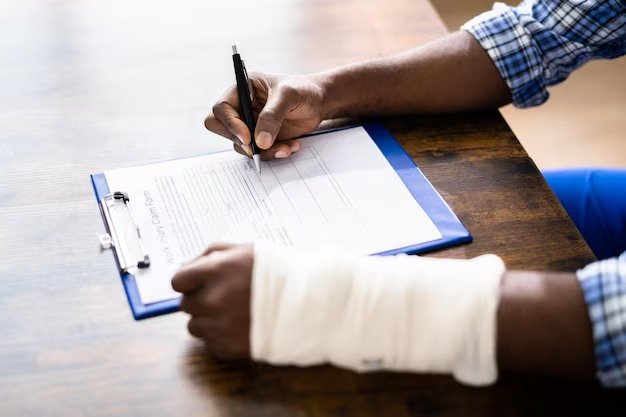
The Expert Institute held verdicts in various personal injury cases in which entities such as businesses or governments were found responsible. In these cases, calls for safety rules within the safety code of industrial processes grew and became the basis for landmark cases in the United States in 2025.
Personal injury settlements can be an overwhelming ordeal to deal with. The payout for these cases relies on other elements, such as the severity of the plaintiff’s injuries and the medical costs.
Becoming a victim and having personal injuries could disrupt the flow of your normal day. That’s why seeking the right amount of compensation should be your priority to get back to your routine as soon as possible. According to New Orleans personal injury lawyer Robert J. David, you need seasoned lawyers to pursue every avenue so you can receive fair compensation for your damages.
Let’s understand the process of negotiating personal injury settlements and their implications for your case.
Key Factors That Influence Personal Injury Settlement Amounts

Settlement negotiation is the primary way by which personal injury claims are resolved. Once you sit down and discuss with the other party, you need to know the average personal injury settlement amount to secure an adequate amount for your recovery.
When it comes to statements about personal injury settlements, some key factors significantly affect the ultimate value of actual settlements.
The severity of the injury is one of the primary factors that influence settlement amounts. The more severe the harm, the more significant the damages to be recovered.
Expenses for medical treatment are another factor. For detailed proof of your argument, you must have thorough documentation that you can refer to.
Your claims should include lost wages, the loss of life quality, and damages equivalent to pain and suffering.
Liability is also important. The clearer the liability of the other party, the more chances you have for a higher settlement.
A diligent and seasoned counsel can strongly advocate for your interests and secure the highest possible settlement.
What to Expect From Personal Injury Settlements
Knowing what will come will help you handle the challenges you might face in settlement bargains. During the settlement process, both sides usually assertively present their cases in an attempt to reach a fair resolution.
You would likely receive an initial offer from the insurance company that could be far below what you expect. Follow the advice of your legal counsel and take your time to weigh the offer against the evidence you have.
When discussions of settlement fall through, litigation remains an available option, but keep in mind that it is a very lengthy process. So much preparation is necessary to guarantee that a suitable settlement is reached in light of one’s requirements and circumstances.
Typical Settlement Ranges for Common Injuries
During your journey on the road to settlement, it must be noted that usual settlement ranges will vary greatly depending upon the type and scope of injury received.
For minor and soft tissue damage, sprain or strain, and minimal concussion, you may expect settlements within the range of between $2000 and $10000.
Normally, a fracture, concussion, or serious injury costs an average of $10,000 to $50,000. It could even go up to $100,000 in the case of serious brain injuries and spinal cord injuries.
Actual reports indicate that the amounts listed above are merely an average indication. In reality, the damages for either kind of injury could, in each instance, fall just under or over the average number. The real amount would still be dependent on actual medical costs, loss of income, and other factors being included or accounted for.
Understanding how these verdicts and factors work together can help you set realistic goals.
How Insurance Companies Affect Your Settlement
To maximize the outcome of your settlement, it is necessary to understand how insurance companies can manipulate the situation. Insurance companies formulate their evaluations based on their way of valuing the claim, but it is mostly to their benefit rather than in favor of fair compensation. They undervalue your injuries and push for a low settlement.
Their adjusters may question the level of your injuries or liability and hope that compensation and negotiations stall, probably resulting in an outcome that doesn’t match the victim’s wishes. Insurers are designed to delay payouts by asking you to receive their initial offer. They hope that their policyholders will not dig deeper and demand proper representation of their loss.
Knowing how to protect yourself and demand the damages to which you are morally entitled is an important endeavor. During the talks on the insurance claim, assert your demands for the payment and also display the evidence you have collected.
Effective Strategies for Negotiating Your Personal Injury Settlement
It might seem hard to negotiate your personal injury settlement, but don’t give up too easily. Setting some negotiating terms in place could make the conditions more favorable.
You should first obtain the necessary documentation in support of your side of the claim, including all medical reports and accident reports.
Total up the costs afterwards. For a fair assessment of remuneration, considerable damages like medical expenses and earning capacity must be included.
Stay calm and diplomatic during negotiations. Failing to keep emotional excitement off your mind may compromise your case.
Whenever negotiating settlement amounts, always start with an amount higher than what you think is possible. This approach will give you an advantage when discussing your payout.
Always listen eagerly and respond with your feelings to the insurance adjuster’s various offers.
Do not rush for any settlement. Take time again to finally be satisfied that you will obtain the highest option.
When to Seek Legal Representation for Your Personal Injury Case?

Determining the perfect time to hire an attorney for help in one’s personal injury claim affects the result of a case.
When an insurance company offers an inadequate settlement, never decline the idea of hiring an attorney. Their legal training allows them to identify liability when the claim is restricted or involves a difficult situation.
You should hire a lawyer to help you with the legal paperwork.
When you sustain serious injuries or have acquired big medical bills, take into account the idea of engaging legal experts.
Another need for a personal injury attorney is trial representation. Lawyers are prepared to fight for any of your rights in court. Prompt action provides you with better chances of reaching a sustainable solution.
Understanding settlements in a personal injury case makes for a more efficient resolution. Knowledge of the factors that determine the amount and expectations puts one in a better position to set realistic goals.
Acquiring a more favorable settlement is all about negotiating with the insurance companies, and many times it may require legal representation. Strive for a combination of knowledge and initiative, which will help you obtain appropriate compensation for your injuries.
Conclusion
Personal injury settlements can vary widely depending on several factors, including the severity of injuries, medical expenses, liability, and the strength of your evidence. Understanding how settlements are calculated and what to expect during negotiations gives you a stronger position when pursuing compensation.
While insurance companies may attempt to minimize payouts, being well-prepared with proper documentation and a clear strategy can significantly improve your outcome. In more complex or high-value cases, working with an experienced personal injury lawyer can make a meaningful difference in securing fair compensation.
Someday, patience, knowledge, and the right support system are key to achieving a settlement that truly reflects your losses and helps you move forward with confidence.
Disclaimer
This article is provided for general informational purposes only and does not constitute legal advice. Personal injury laws, settlement values, and claim processes may vary depending on jurisdiction and individual case circumstances. The settlement ranges and strategies discussed are general estimates and should not be interpreted as guaranteed outcomes.
For advice specific to your situation, consult a qualified personal injury attorney or legal professional who can evaluate your case based on its unique facts and applicable laws.