

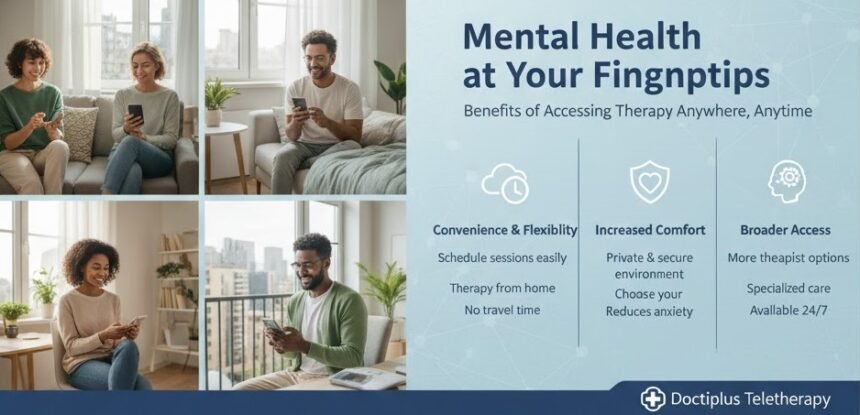
Mental health support has evolved significantly over the years, becoming more accessible and flexible than ever before. In the past, seeking therapy often required fixed appointments, long-distance travel, and long waiting times in clinical settings. Today, mental health care can be seamlessly integrated into daily life with minimal effort through Digital therapy options.
As people juggle work, family, and personal responsibilities, mental health care is often pushed aside. However, the increased accessibility of support has helped bring it back to its rightful place. When care is easy to access, individuals are more likely to seek help, remain consistent with therapy sessions, and experience meaningful progress.
With the growing use of Online therapy services, many people have discovered how therapy can fit conveniently into their daily schedules. This approach removes limitations related to location and timing, allowing individuals to connect with support when they feel ready. That flexibility can make the first step toward therapy feel less overwhelming, especially for those who have postponed seeking help for a long time.
Comfort Builds Openness
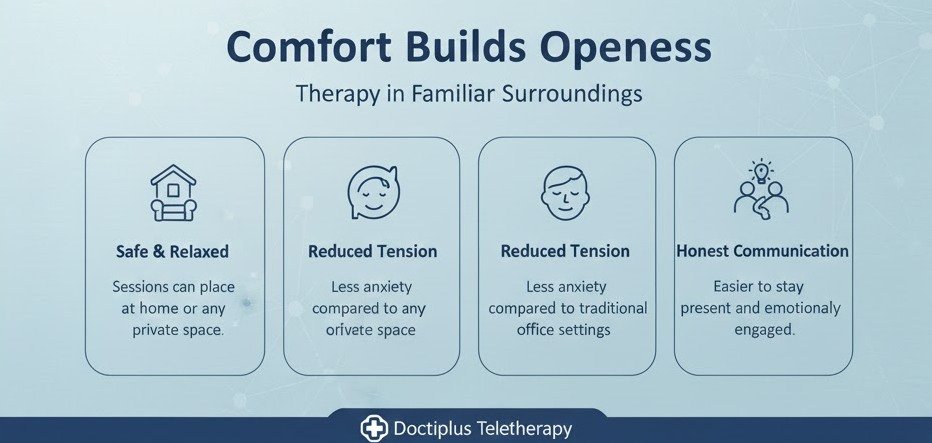
Therapy is most effective when individuals feel safe and relaxed. Being in familiar surroundings helps reduce tension and encourages honest communication.
• Sessions can take place at home or in any private space
• Less anxiety compared to traditional office settings
• Easier to stay present and emotionally engaged
Time Flexibility Matters
Busy schedules often make traditional therapy appointments difficult. Digital therapy allows people to prioritise their mental health without disrupting their day.
• Early morning or late evening availability
• No commute or waiting time
• Fits around work and family commitments
Consistent Access to Support
Regular therapy sessions are essential for progress. When attending therapy becomes easier, people are more likely to stay committed.
• Consistent routines support better outcomes
• Fewer missed sessions due to travel or scheduling conflicts
• Continued connection with the same mental health professional
Reduced Barriers to Care
Many individuals avoid therapy because of cost, distance, or discomfort. Online therapy services help remove several of these barriers at once.
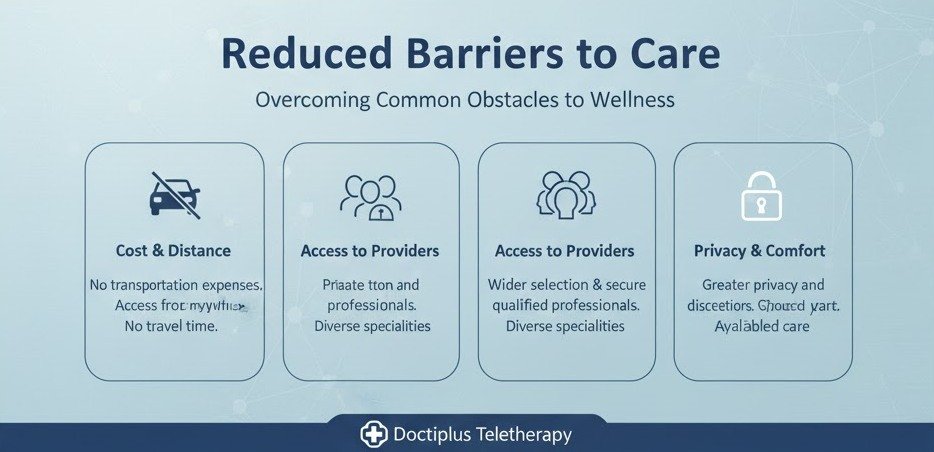
• No transportation expenses
• Wider selection of qualified professionals
• Greater privacy and discretion
Support During Life Changes
Life transitions such as moving, changing jobs, or personal challenges can interrupt mental health care. Digital therapy allows continuity during these times.
• Ongoing support regardless of location
• Helpful during stressful transitions
• Maintains progress without lengthy interruptions
Empowerment Through Choice
Having choices fosters a sense of control over one’s mental health journey. Online platforms allow individuals to select the format that suits them best.
• Video, voice, or text-based sessions
• Freedom to communicate at a comfortable pace
• Increased confidence in managing emotional well-being
For many individuals, turning to Online therapy services creates a sense of calm and control. Therapy becomes something that adapts to life, rather than another obligation to manage. This shift often leads to more substantial commitment, emotional balance, and long-term well-being.
Conclusion
Mental health care is most effective when it is accessible, flexible, and consistent. Digital therapy allows individuals to seek help on their own terms, when they are ready and in a way that suits their lifestyle. By bringing therapy to people instead of requiring people to adjust their lives around therapy, support becomes more personal, sustainable, and impactful. This accessibility encourages healthier habits, clearer thinking, and a stronger connection to overall wellness in everyday life.
Disclaimer
This content is intended for informational purposes only and does not replace professional medical or mental health advice, diagnosis, or treatment. Always seek the guidance of a qualified mental health professional or healthcare provider with any questions regarding mental health conditions or treatment options.