

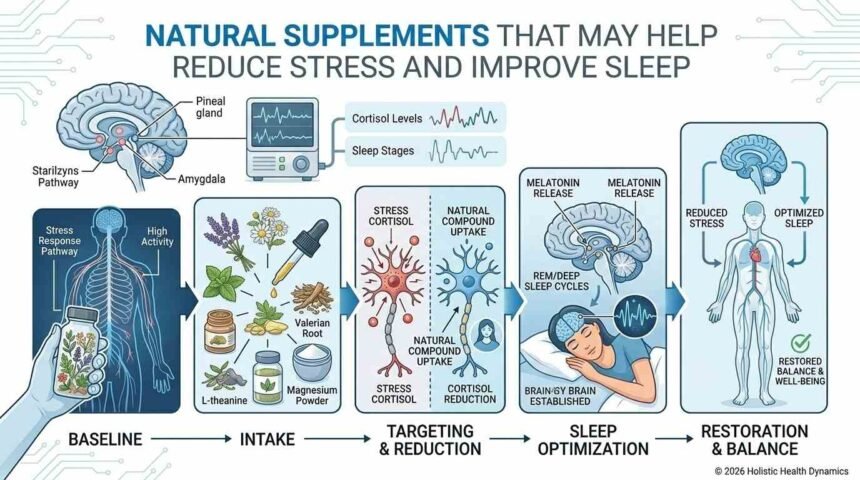
Stress and poor sleep are common challenges affecting millions of people worldwide. Many are turning to natural supplements as supportive tools to help manage stress, promote relaxation, and improve sleep quality.
Why So Many People Are Turning to Natural Solutions
Stress and disrupted sleep have become two of the most widespread health concerns of the modern era. The World Health Organization has described stress as a global epidemic, and studies consistently show that a significant portion of adults report difficulty falling or staying asleep regularly. Many people find that pharmaceutical sleep aids and anti-anxiety medications, while sometimes necessary, carry side effects or dependency risks that make them unsuitable for long-term daily use.
Natural supplements offer a middle path for many individuals: options that work with the body’s existing systems, carry generally lower risk profiles at recommended doses, and can be integrated into a broader wellness routine. This guide covers the most researched options, explains how each one works, and provides practical tips for using them effectively.
Quick overview: This guide covers melatonin, magnesium, valerian root, ashwagandha, L-theanine, rhodiola rosea, collagen peptides, and passionflower. Each section includes what the research says, dosage guidance, practical examples, and important cautions.
Understanding Stress and Why It Disrupts Sleep
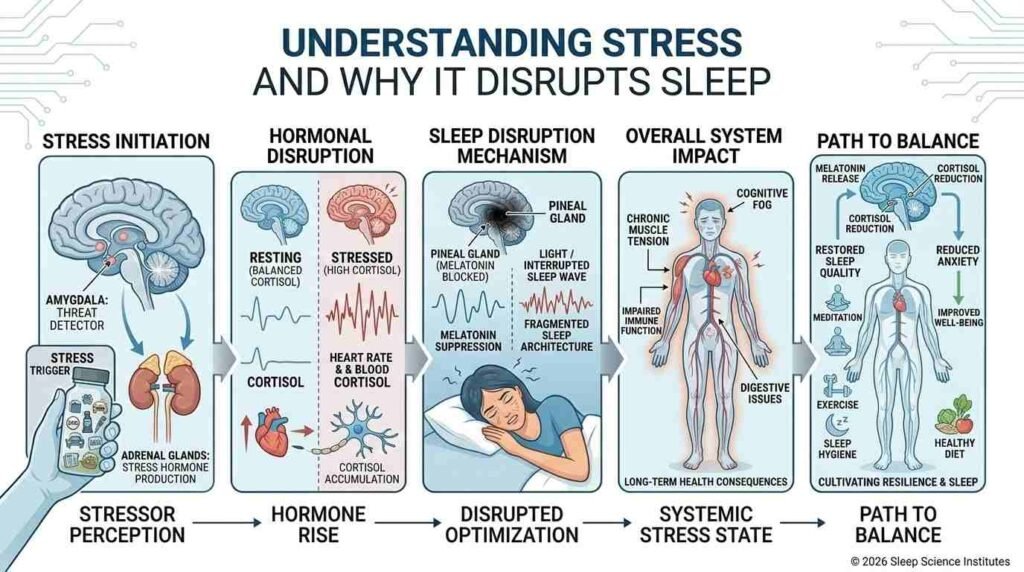
Stress is the body’s natural response to perceived threats or demands, regulated primarily by the hypothalamic-pituitary-adrenal (HPA) axis. When stress is triggered, the body releases cortisol and adrenaline, elevating heart rate, sharpening alertness, and suppressing non-essential functions, including digestion and deep sleep. This response is adaptive in short bursts but becomes harmful when it remains chronically activated.
Chronic stress keeps cortisol elevated throughout the day and into the night, directly interfering with the body’s ability to transition into restful sleep. The relationship runs both ways: poor sleep increases cortisol production the following day, creating a cycle that can be difficult to break without targeted intervention.
Signs your stress may be affecting your sleep
• Difficulty falling asleep even when physically tired
• Waking in the early hours of the morning with a racing mind
• Feeling unrefreshed after a full night of sleep
• Increased sensitivity to noise or light at bedtime
• Persistent fatigue combined with difficulty sleeping at night
Real example: A person working long hours under a tight deadline may notice they feel exhausted by 9pm but cannot fall asleep until 1am. This pattern often reflects high evening cortisol rather than a true sleep disorder, and it frequently responds well to targeted supplementation and lifestyle adjustment.
Understanding the Sleep Cycle
Sleep is not a single uniform state but a sequence of distinct stages that cycle roughly every 90 minutes throughout the night. The main stages are light sleep (stages 1 and 2), deep or slow-wave sleep (stage 3), and rapid eye movement (REM) sleep.
Deep sleep is primarily responsible for physical restoration, immune function, and the release of growth hormone. REM sleep drives emotional processing, memory consolidation, and cognitive recovery. Most adults need 7 to 9 hours of sleep to complete enough cycles of each stage, though individual needs vary by age and health status.
Supplements that support natural sleep generally work by one of three mechanisms: increasing the brain’s production of calming neurotransmitters such as GABA or serotonin, regulating the cortisol rhythm that determines when the body prepares for rest, or directly extending time spent in deep or REM sleep stages.
Natural Supplements That Support Better Sleep
1. Melatonin
Melatonin is a hormone produced naturally by the pineal gland in response to darkness. It signals to the brain and body that it is time to prepare for sleep. Melatonin production can be suppressed by blue light exposure from screens, irregular schedules, and aging.
- What the research shows: A meta-analysis published in PLOS ONE found that melatonin supplementation significantly reduces sleep onset latency, increases total sleep time, and improves overall sleep quality, particularly in individuals with circadian rhythm disruptions such as jet lag or shift work.
- Typical dosage: 0.5 to 3 mg taken 30 to 60 minutes before the desired bedtime. Contrary to popular practice, lower doses are often as effective as higher ones and carry fewer next-morning grogginess effects.
- Best for: Difficulty falling asleep, jet lag, shift work sleep disorder, irregular sleep schedules
- Practical tip: Pair melatonin with a consistent dark and cool sleep environment. Dim your lights and avoid screens for at least 30 minutes before taking it to allow your body’s natural melatonin response to align with the supplement.
2. Magnesium
Magnesium is one of the most important and most commonly deficient minerals in the modern diet. It plays a direct role in sleep by regulating GABA receptors, the same calming neurotransmitter system that many prescription sleep aids target.
- What the research shows: A randomised controlled trial published in the Journal of Research in Medical Sciences found that older adults with insomnia who supplemented with magnesium experienced significant improvements in sleep efficiency, sleep duration, and early morning awakening frequency compared to placebo.
- Typical dosage: 200 to 400 mg of magnesium glycinate or magnesium threonate in the evening. These forms are better absorbed and gentler on digestion than magnesium oxide.
- Best for: Restless sleep, early morning waking, muscle tension at night, stress-related insomnia
- Practical tip: Foods rich in magnesium include dark leafy greens, pumpkin seeds, almonds, and dark chocolate. If your diet is low in these foods, supplementation is likely to produce noticeable improvements.
3. Valerian Root
- Valerian root has been used as a sleep and anxiety remedy in European traditional medicine for over two thousand years. Its active compounds are thought to increase GABA availability in the brain and may also interact with adenosine receptors involved in sleep pressure.
- What the research shows: A systematic review published in the American Journal of Medicine found that valerian may improve sleep quality without producing side effects. However, individual response varies, and the quality of studies in this area is mixed.
- Typical dosage: 300 to 600 mg of standardised valerian root extract taken 30 to 60 minutes before bed. Effects may take two to four weeks of consistent use to become fully apparent.
- Best for: Difficulty relaxing before sleep, mild anxiety at bedtime, sleep onset issues
- Caution: Valerian can interact with sedative medications and should not be combined with alcohol. Avoid use before driving or operating machinery.
4. Passionflower
Passionflower is a climbing plant native to the Americas whose leaves and flowers have been used traditionally to ease anxiety and insomnia. It works primarily through GABA modulation, similar to valerian root.
- What the research shows: A small double-blind crossover study published in Phytotherapy Research found that passionflower tea consumed nightly for one week significantly improved subjective sleep quality compared to a placebo in healthy adults.
- Typical dosage: Passionflower tea using 1 to 2 teaspoons of dried herb steeped for 10 minutes, or 200 to 400 mg extract in capsule form before bed
- Best for: Racing thoughts at bedtime, mild anxiety-related sleep disruption, those preferring a herbal tea ritual as part of a wind-down routine
Natural Supplements That Support Stress Reduction
5. Ashwagandha
Ashwagandha is an adaptogenic herb used for thousands of years in Ayurvedic medicine. Adaptogens are a category of plants that help the body regulate and recover from physical and psychological stress more efficiently. Ashwagandha’s primary active compounds, called withanolides, have demonstrated direct effects on HPA axis regulation and cortisol production.
- What the research shows: A double-blind, randomised controlled trial published in Medicine found that participants taking 600 mg of ashwagandha root extract daily for 60 days showed a 27.9 percent reduction in serum cortisol levels and significant improvements in perceived stress scores compared to placebo.
- Typical dosage: 300 to 600 mg of standardised root extract daily. Some people split the dose between morning and evening for steady effects throughout the day.
- Best for: Chronic workplace stress, anxiety driven by sustained life pressures, fatigue alongside stress, poor sleep caused by elevated cortisol
- Caution: Ashwagandha may interact with thyroid medications and immunosuppressants. It is not recommended during pregnancy.
6. L-Theanine
L-theanine is an amino acid found naturally in green and black tea leaves. Unlike most calming compounds, it promotes relaxation without causing drowsiness, making it uniquely suited for managing daytime stress while maintaining alertness and focus.
- What the research shows: A study published in Nutrients found that L-theanine supplementation at 200 mg per day significantly reduced self-reported stress and anxiety in healthy adults under experimental conditions. EEG studies have shown that L-theanine increases alpha brain wave activity, a pattern associated with calm, alert relaxation.
- Typical dosage: 100 to 200 mg taken as needed during stressful periods or daily for ongoing stress support. Often combined with caffeine in a 2:1 ratio to smooth the stimulant effects of coffee or tea.
- Best for: Acute stress situations such as presentations or difficult conversations, daytime anxiety, mental tension without desire for sedation
- Practical example: Taking 200 mg of L-theanine 30 minutes before a stressful work meeting can help maintain calm and focus without the sedation that other calming supplements might produce.
7. Rhodiola Rosea
Rhodiola is an adaptogenic herb native to arctic and mountainous regions of Europe and Asia. It has a particularly strong evidence base for addressing stress-related fatigue, a common condition where the body becomes exhausted from sustained stress even without significant physical exertion.
- What the research shows: A randomised, double-blind, placebo-controlled study published in Planta Medica found that Rhodiola significantly improved symptoms of burnout, including stress, exhaustion, anxiety, and impaired concentration, after just four weeks of daily supplementation.
- Typical dosage: 200 to 400 mg of standardised extract (3 percent rosavins and 1 percent salidroside) taken in the morning or early afternoon. Rhodiola is mildly stimulating, and taking it late in the day may affect sleep for some people.
- Best for: Stress-related fatigue, burnout, mental fog under pressure, low motivation due to chronic stress
Role of Collagen Peptides in Stress and Sleep
Pro marine collagen peptides represent an emerging area of interest in the conversation about natural supplements for stress and sleep. Collagen is the most abundant protein in the human body, forming the structural foundation of skin, joints, tendons, and gut lining. Marine collagen, derived from fish skin and scales, is considered particularly bioavailable due to the small molecular size of its peptides, which allows for rapid absorption into the bloodstream.
How Collagen May Support Sleep
Collagen is exceptionally rich in glycine, a non-essential amino acid that has demonstrated direct sleep-promoting properties. Glycine constitutes approximately one-third of the amino acid composition of collagen. Research published in the journal Sleep and Biological Rhythms found that oral glycine supplementation (3 grams taken before bed) significantly improved subjective sleep quality, reduced time to sleep onset, and decreased daytime sleepiness the following morning.
The proposed mechanism involves glycine’s role in lowering core body temperature at bedtime, a key physiological trigger for deep sleep, as well as its function as an inhibitory neurotransmitter in the spinal cord and brainstem that promotes calmness and reduces motor activity during sleep.
How Collagen May Support Stress Resilience
The glycine content of collagen also plays a role in stress regulation. Glycine is a precursor to glutathione, the body’s primary antioxidant, and supports the methylation processes involved in stress hormone clearance. A diet low in glycine, which is common in people who do not regularly consume connective tissue or bone broth, may leave the body less equipped to manage oxidative stress generated by chronic emotional pressure.
- Typical dosage: 10 to 15 grams of hydrolysed marine collagen peptides daily. For sleep benefits specifically, taking collagen in the evening may maximise the glycine-mediated effects on sleep onset.
- Best for: Individuals who also want skin, joint, and gut health benefits alongside sleep and stress support. Marine collagen is a particularly good choice for those wanting a highly bioavailable form.
- Practical tip: Marine collagen peptides dissolve easily in warm liquids and have a neutral taste, making them simple to add to an evening herbal tea, warm water with lemon, or a post-dinner drink.
Note on collagen and sleep research: While the glycine research is robust, studies specifically on marine collagen peptides for sleep are still emerging. The sleep benefits are most firmly attributed to the glycine content of collagen rather than collagen itself as a unique compound. Look for marine collagen products with a transparent amino acid profile confirming high glycine content.
Building a Complete Holistic Routine
Supplements work most effectively when they are part of a broader lifestyle that supports the body’s natural stress and sleep systems. No supplement can fully compensate for consistently poor sleep habits, a nutrient-deficient diet, or chronic lifestyle stressors that go unaddressed.
Sleep hygiene practices that amplify supplement benefits
- Keep a consistent sleep and wake time, even on weekends. This stabilises your circadian rhythm and makes it easier for melatonin and cortisol to follow their natural patterns.
- Keep your bedroom cool, dark, and quiet. A temperature between 60 and 67 degrees Fahrenheit (15 to 19 degrees Celsius) supports the core body temperature drop required for deep sleep.
- Avoid screens for at least 30 to 60 minutes before bed. Blue light suppresses melatonin production and delays sleep onset even when you feel tired.
- Avoid caffeine after 2pm. Caffeine has a half-life of approximately five to six hours, meaning half of a 3pm coffee is still active in your system at 8pm.
- Create a wind-down ritual lasting 20 to 30 minutes before bed. This signals to the nervous system that the active, stress-response phase of the day is ending.
Stress management techniques that work alongside supplements
- Diaphragmatic breathing: Four counts in, hold for four, six counts out. This pattern activates the parasympathetic nervous system and lowers cortisol within minutes. Practice for five minutes before bed or during acute stress.
- Progressive muscle relaxation: Systematically tensing and releasing muscle groups from feet to face. Particularly effective for people who carry physical tension from stress and struggle to relax before sleep.
- Mindfulness meditation: Even 10 minutes of daily mindfulness practice has been shown to reduce perceived stress and improve sleep quality over four to eight weeks. Apps like Headspace, Calm, and Insight Timer provide structured guided sessions.
- Regular moderate exercise: 150 minutes of moderate aerobic activity per week consistently improves sleep quality, reduces cortisol reactivity, and enhances the effectiveness of adaptogenic supplements. Avoid intense exercise within three hours of bedtime, as it can temporarily elevate cortisol.
- Dietary support: A diet rich in whole foods, leafy greens, omega-3 fatty acids, and fermented foods supports gut health, which directly influences the gut-brain axis and serotonin production underlying both mood and sleep regulation.
How to Start: A Practical Step-by-Step Approach
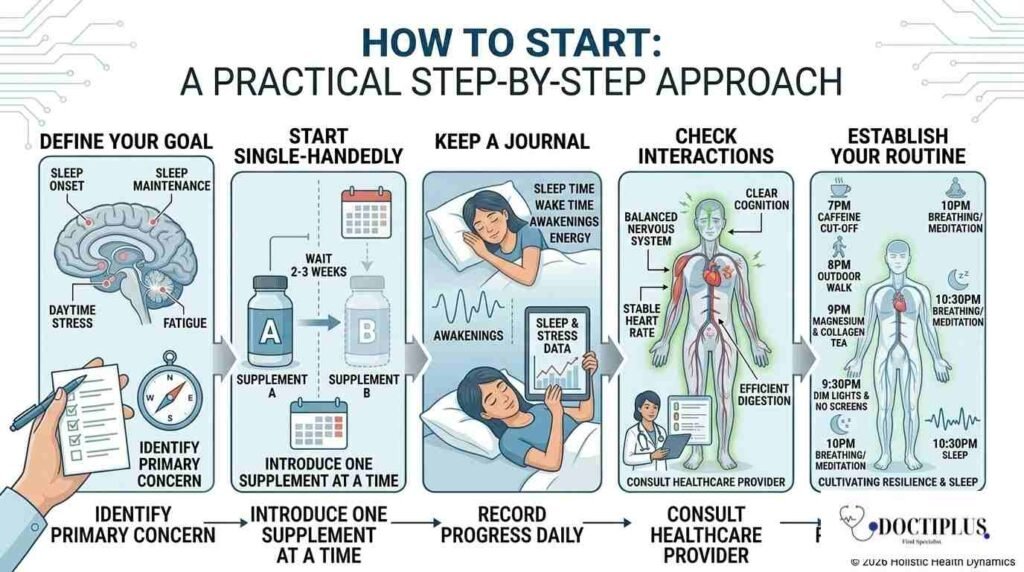
- Identify your primary concern. Is your main challenge falling asleep, staying asleep, daytime stress, fatigue, or all of the above? Matching the supplement to your specific pattern produces better results than a generic approach.
- Start with one supplement at a time. Introducing multiple supplements simultaneously makes it impossible to identify what is helping or causing any side effects. Allow at least two to three weeks with a single supplement before adding another.
- Track your sleep and stress. Use a simple journal or a sleep tracking app to record sleep onset time, wake time, number of awakenings, and morning energy and mood. This data helps you identify what is working.
- Check for interactions. Bring a list of all supplements you are considering to your next healthcare appointment and ask specifically about interactions with any medications you take.
- Choose quality products. Look for supplements that have been third-party tested for purity and potency. Certifications from NSF International, USP, or Informed Sport are reliable quality indicators in this area.
- Be patient. Most natural supplements require consistent use for two to four weeks before their full effects become apparent. Melatonin is an exception and may work from the first use for sleep onset.
Sample evening routine combining several approaches: 7pm: Final caffeine cut-off. 8pm: 30-minute walk outdoors. 9pm: Take magnesium glycinate (300 mg) and marine collagen peptides (10 g) in warm herbal tea. 9:30pm: Dim lights, no screens. 10pm: 10 minutes of diaphragmatic breathing or guided meditation. 10:30pm: Sleep. Adjust timing to suit your own schedule.
Conclusion
Stress and sleep difficulties are among the most common and most impactful health challenges people face today. Yet, they are also two of the areas where thoughtful, evidence-informed lifestyle changes produce the most meaningful improvements.
Natural supplements, including melatonin, magnesium, valerian root, ashwagandha, L-theanine, rhodiola rosea, passionflower, and marine collagen peptides, each offer a distinct mechanism of support. None of them is a cure, and none of them operates in isolation. Their greatest value comes when they are paired with consistent sleep hygiene, stress management practices, regular exercise, and a nutrient-dense diet.
The most important step is to begin with clarity about your specific needs, move forward one change at a time, track your results, and seek professional guidance when patterns persist despite your best efforts. Better sleep and lower stress are achievable goals, and natural supplements, used wisely, can be a meaningful part of the path toward them.
Disclaimer
This article is provided for general informational and educational purposes only. It does not constitute medical advice, diagnosis, or treatment and should not be used as a substitute for consultation with a licensed physician, registered dietitian, or qualified healthcare professional. Natural supplements are not regulated with the same rigour as pharmaceutical medications in many countries, and individual responses to supplementation vary significantly based on health status, medications, age, and other factors. Some supplements mentioned in this article may interact with prescription or over-the-counter medications. Pregnant or breastfeeding individuals and those with chronic health conditions should seek medical guidance before using any supplement. The dosage ranges provided are general guidance based on available research and do not constitute personalised medical recommendations.
References and Resources
Sleep and Melatonin
• Ferracioli-Oda E, et al. (2013). Meta-Analysis: Melatonin for the Treatment of Primary Sleep Disorders. PLOS ONE. https://doi.org/10.1371/journal.pone.0063773
• Abbasi B, et al. (2012). The effect of magnesium supplementation on primary insomnia in the elderly. Journal of Research in Medical Sciences, 17(12), 1161-1169.
• National Sleep Foundation. Sleep Stages and Architecture. https://www.thensf.org/sleep-stages
Stress, Adaptogens, and Amino Acids
• Chandrasekhar K, et al. (2012). A prospective, randomized double-blind study of ashwagandha root extract in reducing stress and anxiety. Indian Journal of Psychological Medicine, 34(3), 255-262.
• Dimpfel W, et al. (2018). Assessing the quality and effectiveness of Rhodiola rosea supplementation. Nutrients, 10(8), 1012.
• Kimura K, et al. (2007). L-Theanine reduces psychological and physiological stress responses. Biological Psychology, 74(1), 39-45.
Glycine, Collagen, and Sleep
• Bannai M, et al. (2012). New therapeutic strategy for amino acid medicine: glycine improves the quality of sleep. Journal of Pharmacological Sciences, 118(2), 145-148.
• Inagawa K, et al. (2006). Subjective effects of glycine ingestion before the sleep period on sleep quality. Sleep and Biological Rhythms, 4(1), 75-77.
• Shaw G, et al. (2017). Vitamin C-enriched gelatin supplementation before intermittent activity augments collagen synthesis. American Journal of Clinical Nutrition, 105(1), 136-143.
Holistic Approaches and Sleep Hygiene
• Centers for Disease Control and Prevention (CDC). Tips for Better Sleep. https://www.cdc.gov/sleep/about_sleep/sleep_hygiene.html
• American Academy of Sleep Medicine. Sleep Hygiene and Behavioral Strategies. https://aasm.org
• National Institutes of Health, National Center for Complementary and Integrative Health. Relaxation Techniques for Health. https://www.nccih.nih.gov/health/relaxation-techniques-what-you-need-to-know
• Harvard T.H. Chan School of Public Health. Sleep and Mental Health. https://www.hsph.harvard.edu/nutritionsource/sleep
Consumer Guidance
• National Institutes of Health, Office of Dietary Supplements. Dietary Supplement Fact Sheets. https://ods.od.nih.gov/factsheets/list-all
• ConsumerLab.com. Independent testing and reviews of dietary supplements. https://www.consumerlab.com
• NSF International. Certified for Sport and dietary supplement verification. https://www.nsf.org/consumer-resources/certifications/sports-supplements