

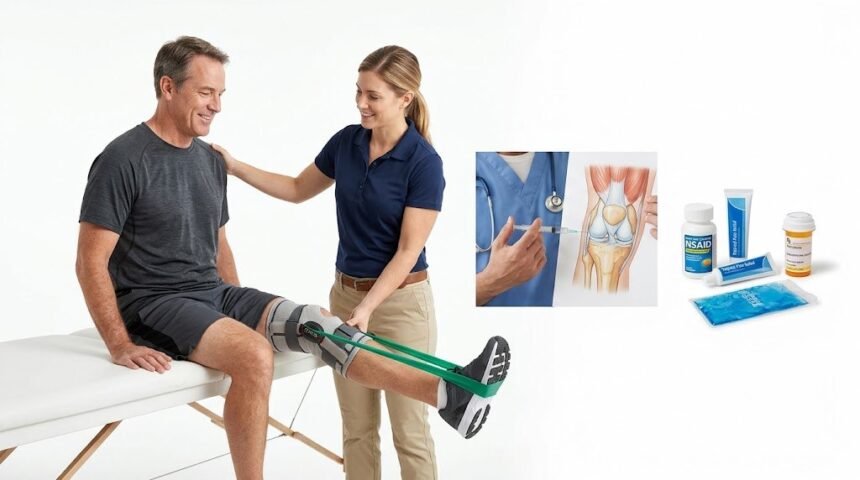
Knee pain is one of the most common musculoskeletal complaints across all age groups. Whether triggered by injury, aging, arthritis, or overuse, it can severely limit daily activity and reduce overall quality of life. For years, debilitating knee pain was often treated with surgery. Today, medical science has developed a range of effective non-surgical alternatives that offer meaningful relief with lower risks and shorter recovery times.
Understanding these options empowers patients to make informed decisions about their health. Most non-surgical treatments aim to relieve pain, restore function, and address the root cause of discomfort, helping patients find solutions that align with their lifestyle and long-term health goals.
What Causes Knee Pain?
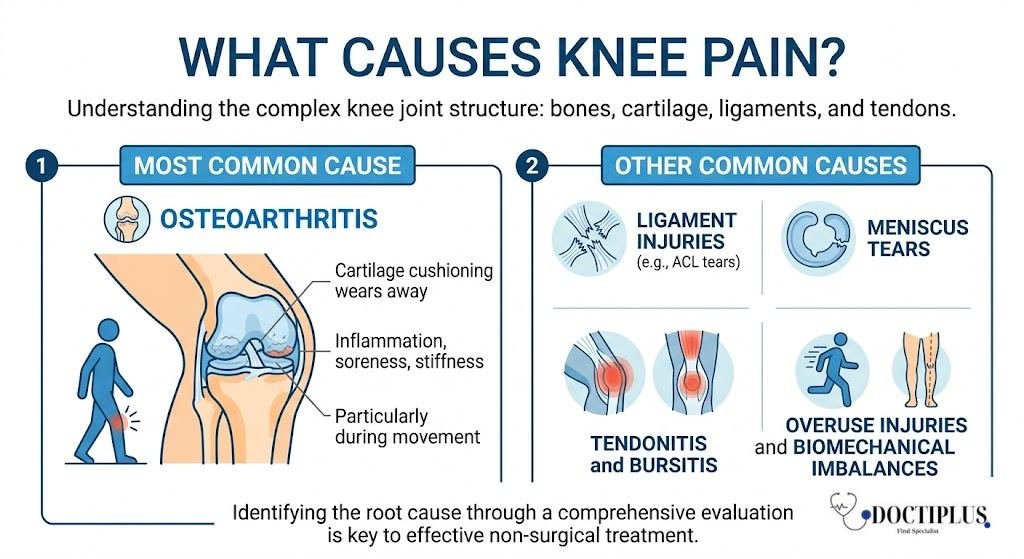
Before exploring treatment options, it helps to understand what is happening inside the joint. The knee is a complex structure composed of bones, cartilage, ligaments, and tendons that work together. Damage or degeneration of any of these components can cause pain and limit the range of motion.
Osteoarthritis
Osteoarthritis is the most common cause of chronic knee pain. It occurs when the cartilage cushioning the joint gradually wears away, resulting in inflammation, soreness, and stiffness, particularly during movement.
Other common causes
- Ligament injuries (such as ACL tears)
- Meniscus tears
- Tendonitis and bursitis
- Overuse injuries and biomechanical imbalances
Identifying the root cause through a comprehensive clinical assessment is essential before beginning any treatment plan.
Shift Toward Non-Surgical Solutions
Over recent years, non-surgical approaches to knee pain have taken centre stage in orthopaedic care. This shift is driven by advances in medical technology and a growing focus on reducing patient risk and rehabilitation time. Noninvasive and minimally invasive treatments have become progressively more effective, allowing many patients to find lasting relief without going under the knife.
These treatments aim to control pain, enhance joint function, and, in some cases, slow the progression of underlying conditions. They can be used independently or as part of a broader plan that includes lifestyle changes and physical rehabilitation.
Physical Therapy and Rehabilitation
Physical therapy is typically one of the first lines of treatment for knee pain. It focuses on strengthening the muscles that support the knee, improving flexibility, and enhancing joint stability. A well-designed rehabilitation programme can correct movement imbalances, reduce pain, and lower the risk of future injury.
What physical therapy involves
A physiotherapist will typically combine targeted exercises with hands-on manual therapy techniques, along with heat or cold modalities where appropriate. Consistency matters enormously. Regular attendance and commitment to a home exercise routine make a significant difference over time.
Beyond symptom relief, physical therapy equips patients with the knowledge and tools needed to protect their joints for years to come.
Medications and Pain Management
Medications play an important role in managing knee pain, particularly during acute flare-ups. Anti-inflammatory medicines, available both over-the-counter and by prescription, are commonly used to reduce pain and swelling.
Topical and oral options
Topical treatments such as creams and gels can deliver localised relief and are often recommended alongside other therapies. Oral anti-inflammatories are effective but carry potential side effects with prolonged use, so all medications should be taken under medical supervision.
Injection-Based Therapies
Injection therapies have become a widely used non-operative option for knee pain management. By delivering medication directly into the joint, they offer more targeted relief than oral medication alone.
Corticosteroid injections
Often referred to as cortisone shots, corticosteroid injections reduce inflammation and provide temporary but meaningful pain relief for many patients.
Hyaluronic acid injections
These injections work by improving joint lubrication, helping to ease movement and reduce discomfort in patients with moderate osteoarthritis.
Platelet-rich plasma (PRP) therapy
PRP is a regenerative treatment that uses components drawn from the patient’s own blood to stimulate healing within the joint. Research into its long-term efficacy is ongoing, but early results show promise, particularly for patients who have not responded to other approaches. Learn more about how PRP therapy works from WebMD.
Advanced Minimally Invasive Procedures
Among the most exciting developments in knee pain management are minimally invasive procedures that target the source of pain with precision. These techniques aim to reduce inflammation and improve blood flow within the joint.
Genicular artery embolization (GAE)
Genicular artery embolization is a procedure designed to limit abnormal blood vessel growth that accompanies chronic inflammation in osteoarthritic knees. It is an outpatient procedure with a shorter recovery period compared to surgery, making it an attractive option for patients seeking effective relief without a lengthy downtime. Patients researching GAE Treatment in Woodbridge may find it especially relevant if they have not achieved adequate relief through conventional methods.
For a clinical overview of this procedure, see the research published in the Journal of Vascular and Interventional Radiology.
Lifestyle Modifications and Preventive Care
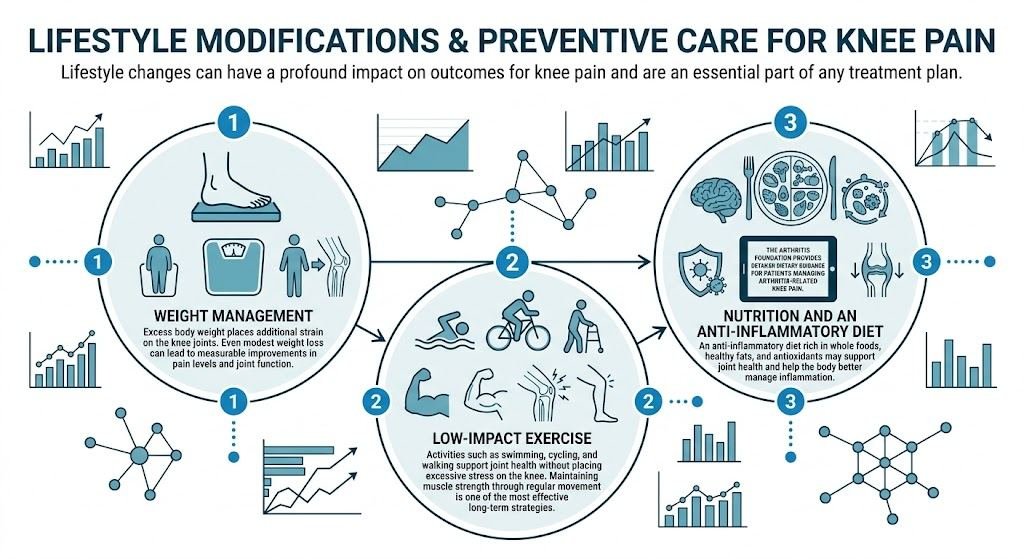
Lifestyle changes can have a profound impact on outcomes for knee pain and are an essential part of any treatment plan.
Weight management
Excess body weight places additional strain on the knee joints. Even modest weight loss can lead to measurable improvements in pain levels and joint function.
Low-impact exercise
Activities such as swimming, cycling, and walking support joint health without placing excessive stress on the knee. Maintaining muscle strength through regular movement is one of the most effective long-term strategies.
Nutrition and an anti-inflammatory diet
An anti-inflammatory diet rich in whole foods, healthy fats, and antioxidants may support joint health and help the body better manage inflammation. The Arthritis Foundation provides detailed dietary guidance for patients managing arthritis-related knee pain.
Importance of Early Intervention
Acting early is one of the most effective ways to prevent knee pain from becoming a long-term limitation. Delaying treatment allows conditions to progress, potentially narrowing the range of non-surgical options available. Early intervention can relieve symptoms, slow disease progression, and preserve mobility.
Patients should seek medical advice when persistent discomfort or changes in mobility occur. A proactive approach makes it significantly easier to establish an effective treatment plan and avoid complications down the line.
For guidance on when to see a doctor about knee pain, the Mayo Clinic offers a comprehensive symptom guide.
Choosing the Right Treatment Plan
There is no single best treatment for knee pain. The most effective approach depends on individual factors, including age, activity level, symptom severity, and overall health. Patients and their healthcare providers should work together to establish clear goals and realistic expectations.
In most cases, a combination of therapies, perhaps physical therapy alongside injections and lifestyle changes, produces better outcomes than any single treatment in isolation. A personalised care plan ensures that each patient’s specific concerns are addressed while minimising risk.
The National Institute of Arthritis and Musculoskeletal and Skin Diseases (NIAMS) provides authoritative patient resources on knee conditions and treatment approaches.
Future of Non-Surgical Knee Pain Treatment
The landscape of knee pain treatment continues to evolve rapidly. Advances in imaging, regenerative medicine, and minimally invasive techniques are widening the range of options available to patients. These developments are making treatments more targeted and effective while reducing the need for surgery.
As technology advances, patients can expect more personalised care, with the emphasis shifting from symptom management alone to preserving joint function and quality of life in the long term. The American Academy of Orthopaedic Surgeons regularly updates its guidance as new treatments emerge.
Conclusion
Non-surgical treatments for knee pain offer a wide range of options for patients who want meaningful relief without the risks associated with surgery. From physical therapy and medications to injection-based therapies and minimally invasive procedures, there are effective approaches for addressing both symptoms and their underlying causes.
By understanding these options, patients are better positioned to engage actively in their own care. A thoughtful combination of medical treatment, lifestyle modification, and preventive measures can make a real and lasting difference to mobility and quality of life.
Knee pain does not have to define your daily life. With prompt, skilled management, most patients can return to the activities they value, preserve joint function, and live well.
Medical disclaimer: This article is intended for general informational purposes only and does not constitute medical advice. The content presented here should not be used as a substitute for professional medical diagnosis, advice, or treatment. Always consult a qualified healthcare provider regarding any medical condition or treatment options. Individual results may vary.