

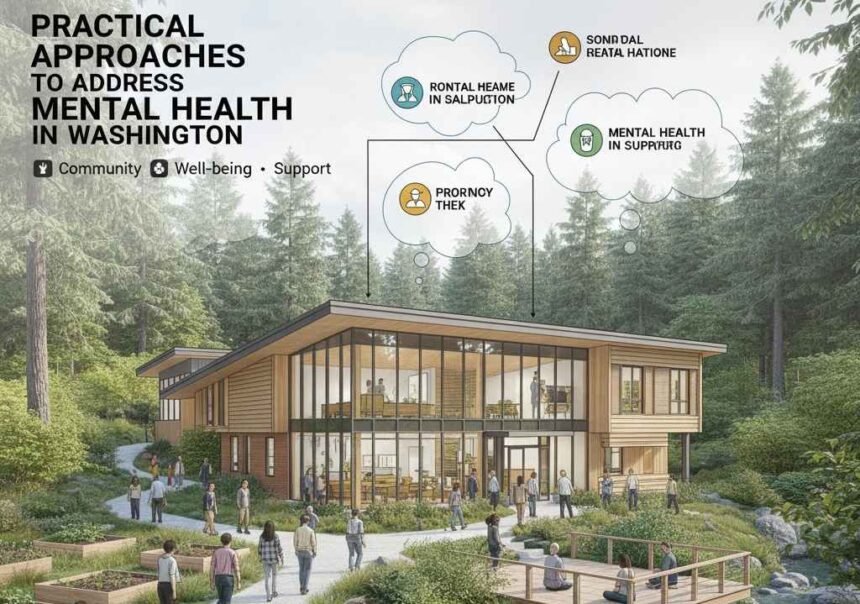
Mental health is a critical component of overall well-being, yet many individuals in Washington struggle to access the resources and support they need. Understanding the diverse approaches to mental health care can empower individuals and families to seek timely intervention. Treat Mental Health Washington provides comprehensive services tailored to the unique needs of the community, offering both preventative strategies and treatment solutions for a wide range of mental health concerns.
Mental health challenges can manifest in numerous ways, including anxiety, depression, mood disorders, trauma, and substance use disorders. Early intervention is key to preventing the escalation of these conditions and promoting recovery. The first step in addressing mental health is awareness—recognizing signs, understanding the underlying causes, and knowing where to find help. Washington has seen significant progress in mental health services over the years, with initiatives to increase accessibility, reduce stigma, and integrate mental health care into broader health systems.
Understanding the Scope of Mental Health Needs
The prevalence of mental health conditions in Washington mirrors national trends. Anxiety and depression are among the most common issues, affecting individuals across age groups. Adolescents and young adults are particularly vulnerable due to the challenges of identity formation, academic pressure, and social transitions. Adults may face stress related to employment, family responsibilities, or chronic health conditions. For older adults, social isolation and cognitive decline can exacerbate mental health concerns.
The impact of untreated mental health issues is far-reaching, affecting personal relationships, workplace productivity, and physical health. Chronic stress and untreated mental disorders can lead to increased risk of heart disease, weakened immune function, and decreased quality of life. Addressing mental health proactively is essential not only for individual well-being but also for the broader community’s health.
Approaches to Mental Health Care in Washington
Mental health care in Washington encompasses a range of strategies, from outpatient counseling to intensive inpatient programs. Evidence-based approaches, such as cognitive-behavioral therapy (CBT), dialectical behavior therapy (DBT), and group therapy, have demonstrated effectiveness in treating various conditions. These therapies help individuals develop coping mechanisms, regulate emotions, and build resilience against stressors.
Community-based programs play a critical role in promoting mental health awareness and accessibility. Support groups, educational workshops, and peer mentorship programs provide safe spaces for individuals to share experiences and learn practical strategies to manage their mental well-being. Integration of mental health services within primary care clinics also facilitates early identification and intervention, bridging gaps that might otherwise delay treatment.
Role of Personalized Care
Every individual experiences mental health uniquely, which is why personalized treatment plans are essential. Treat Mental Health Washington emphasizes individualized care, tailoring interventions to each client’s specific needs, history, and preferences. Customized care includes a thorough assessment of mental health symptoms, social factors, and lifestyle considerations, allowing clinicians to design a holistic plan that addresses both immediate concerns and long-term well-being.
Personalized mental health care also includes monitoring progress and adjusting treatment as needed. Regular check-ins, therapy adjustments, and collaboration with other healthcare providers ensure that individuals receive comprehensive support throughout their recovery journey.
Telehealth and Virtual Mental Health Support
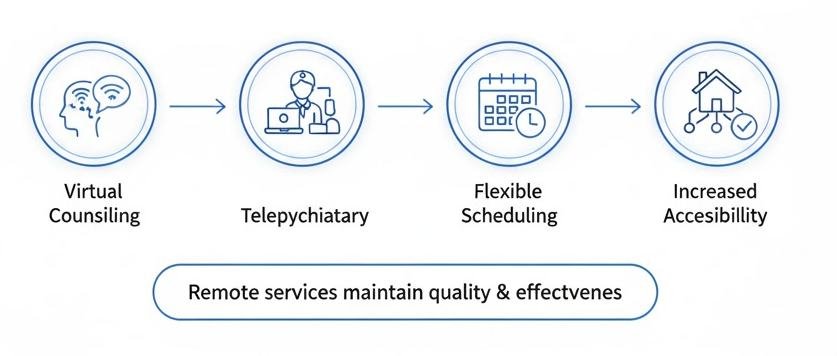
In response to evolving healthcare needs, Washington has expanded access to telehealth services. Virtual counseling and telepsychiatry have become vital tools, particularly for individuals in remote areas or those with mobility challenges. Telehealth allows clients to connect with licensed professionals, attend therapy sessions, and receive ongoing support from the comfort of their homes.
The integration of technology into mental health care also facilitates timely intervention, reducing wait times for appointments and offering flexible scheduling options. Treat Mental Health Washington leverages these advancements to provide remote services that maintain the quality and effectiveness of in-person care while increasing accessibility for a broader population.
Preventative Strategies and Community Engagement
Prevention is a crucial component of effective mental health care. Public awareness campaigns, educational initiatives, and community-based programs help individuals recognize early warning signs and seek support before conditions worsen. Mindfulness practices, stress management techniques, and lifestyle modifications such as regular exercise, balanced nutrition, and sufficient sleep contribute significantly to mental health maintenance.
Schools, workplaces, and community organizations in Washington are increasingly incorporating mental health education into their programs. By fostering an environment where mental health is openly discussed and prioritized, communities can reduce stigma and encourage individuals to seek help without fear of judgment.
Addressing Challenges and Barriers
Despite progress, barriers to mental health care still exist in Washington. These include limited access to specialized providers, financial constraints, and persistent social stigma. Rural areas face unique challenges, including a shortage of mental health professionals and transportation barriers that limit access to services. Culturally competent care is also essential to ensure that diverse populations receive adequate support that respects their backgrounds and experiences.
Efforts to overcome these challenges involve policy initiatives, increased funding for mental health programs, and community outreach. Expanding insurance coverage, offering sliding-scale payment options, and developing culturally sensitive resources are strategies to improve access and equity in mental health care.
Importance of Early Intervention
Early intervention is one of the most effective strategies for promoting long-term mental wellness. Identifying and addressing mental health concerns promptly can prevent the escalation of symptoms and reduce the risk of associated complications. Routine screenings, proactive counseling, and public education are all vital components of early intervention.
Parents, educators, and healthcare providers play critical roles in recognizing signs of distress and guiding individuals toward appropriate resources. Collaboration between families, schools, and mental health professionals ensures a supportive network that enhances resilience and recovery.
Conclusion
Addressing mental health effectively requires a combination of awareness, accessible services, personalized care, and community support. Washington has made significant strides in providing comprehensive mental health resources, yet continuous efforts are necessary to ensure equitable access for all residents. By understanding the scope of mental health needs, leveraging evidence-based interventions, and promoting early intervention, individuals can achieve lasting well-being.