

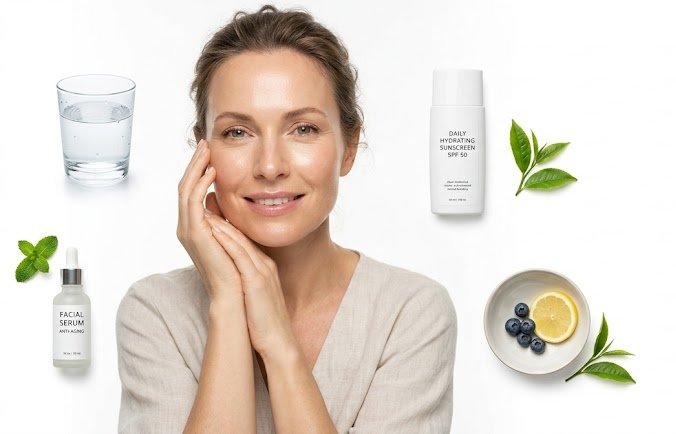
Keeping your skin looking youthful is about consistent care, smart habits, and understanding what your skin truly needs over time. While aging is a natural process, there are simple and effective ways to support your skin so it stays healthy, radiant, and resilient for years to come.
The good news? You don’t need an overly complicated routine to make a real difference. Small, intentional steps can go a long way in preserving that natural glow.
Prioritize Daily Sun Protection
If there’s one habit that has the biggest impact on how your skin ages, it’s sun protection. Exposure to UV rays breaks down collagen and elastin, leading to fine lines, wrinkles, and uneven skin tone.
Using a broad-spectrum sunscreen every day helps protect your skin from premature aging. Think of it as a long-term investment rather than a short-term fix.
Keep Your Skin Hydrated
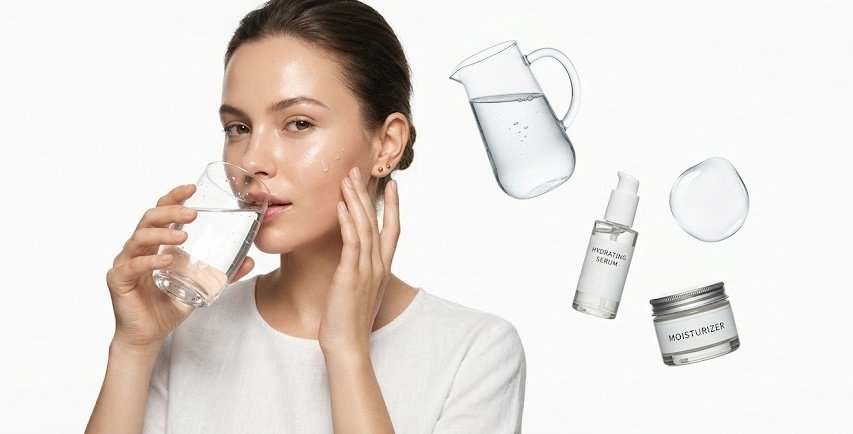
Hydration plays a key role in maintaining youthful-looking skin. When your skin is well-hydrated, it appears plumper, smoother, and more radiant.
This means:
- Drinking enough water throughout the day
- Using hydrating skincare products like serums and moisturizers
- Avoiding harsh products that strip your skin
Over time, consistent hydration helps reduce the appearance of fine lines and keeps your skin barrier strong.
Follow a Simple, Consistent Skincare Routine
It’s easy to get overwhelmed by the number of skincare products available today, but more isn’t always better. A simple, consistent routine is often more effective than constantly switching products.
Focus on the essentials:
- Gentle cleanser
- Moisturizer
- Sunscreen
- Targeted treatments when needed
Support Collagen Production
Collagen is the protein responsible for keeping your skin firm and elastic. As you age, collagen production naturally decreases, which is why skin starts to lose its firmness over time.
In addition to using products that support collagen, professional treatments can also help stimulate its production. Options like microneedling Boston are often recommended to encourage skin renewal and improve overall texture, making them a valuable addition to a long-term skincare plan.
Get Quality Sleep
Sleep is often called “beauty rest” for a reason. During sleep, your body repairs and regenerates skin cells. Without enough rest, this process slows down, leading to dullness, dark circles, and tired-looking skin.
Aim for 7–8 hours of quality sleep each night. Creating a calming nighttime routine and limiting screen time before bed can make a noticeable difference in how your skin looks and feels.
Manage Stress Effectively
Stress doesn’t just affect your mood; it also shows up on your skin as well. Increased stress levels can lead to breakouts, sensitivity, and even premature aging.
Incorporating stress-management practices into your daily routine can help maintain both your mental well-being and your skin health. Simple activities like walking, meditation, or spending time doing something you enjoy can have a positive impact over time.
Eat a Skin-Friendly Diet
What you eat plays a significant role in how your skin looks. A balanced diet rich in vitamins, antioxidants, and healthy fats helps support your skin from within.
Foods that benefit your skin include:
- Fruits and vegetables are rich in antioxidants
- Nuts and seeds for healthy fats
- Foods high in vitamins A, C, and E
Avoid Over-Exfoliating
Exfoliation helps remove dead skin cells and promotes a brighter complexion.
Over-exfoliating can damage your skin barrier, leading to irritation, dryness, and sensitivity. Instead, stick to a gentle exfoliation routine that suits your skin type and gives your skin time to recover.
Stay Consistent with Professional Care
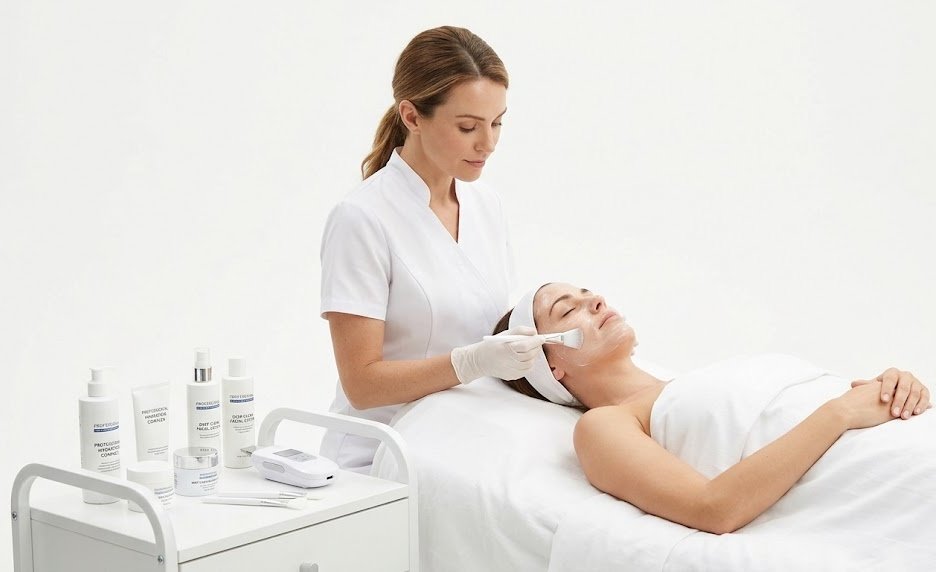
While at-home care is essential, professional spa services can provide an added boost that supports long-term skin health. Facials and advanced treatments are designed to deeply cleanse, hydrate, and rejuvenate your skin in ways that daily routines cannot.
Regular professional care helps maintain your skin’s balance and address concerns before they become more noticeable.
Be Gentle with Your Skin
Sometimes, the simplest advice is the most effective. Being gentle with your skin, avoiding harsh rubbing, using the right products, and listening to how your skin reacts can go a long way in preserving its health.
Your skin doesn’t need to be “fixed” constantly. It needs to be supported and cared for consistently.
Final Thoughts
Keeping your skin looking youthful longer is about building habits that support your skin over time. From protecting it against sun damage to staying hydrated, managing stress, and exploring professional treatments when needed, every small step adds up.
The key is consistency. When you take care of your skin regularly and thoughtfully, it rewards you with a natural, healthy glow that lasts far beyond temporary results.
Because in the end, youthful skin is about how well it’s cared for every single day.
Disclaimer
This content is for informational and educational purposes only and is not intended as medical or dermatological advice. Individual skin types and conditions vary, and results from skincare routines or treatments may differ. Always consult a qualified dermatologist or healthcare professional before starting any new skincare regimen or undergoing cosmetic procedures.
References
- Fisher, G. J., et al. “Mechanisms of photoaging and chronological skin aging.” Archives of Dermatology. DOI: 10.1001/archderm.138.11.1462
- Baumann, L. “Skin aging and its treatment.” The Journal of Pathology. DOI: 10.1002/path. 2098
- Kammeyer, A., & Luiten, R. M. “Oxidation events and skin aging.” Aging Research Reviews. DOI: 10.1016/j.arr.2015.10.001
- Proksch, E., et al. “The skin: an indispensable barrier.” Experimental Dermatology. DOI: 10.1111/j.1600-0625.2008.00786.x
- Varani, J., et al. “Decreased collagen production in chronologically aged skin.” The American Journal of Pathology. DOI: 10.1016/S0002-9440(10)65134-3
- Watson, R. E. B., et al. “UV-induced damage and skin aging.” Photochemical & Photobiological Sciences. DOI: 10.1039/B314989C
- Pullar, J. M., et al. “The roles of vitamin C in skin health.” Nutrients. DOI: 10.3390/nu9080866