


New nurses enter the healthcare field with fresh knowledge, strong motivation, and a strong sense of responsibility toward patient well-being. Their presence strengthens care teams while enhancing the overall patient experience. Early in their careers, they support clinical efficiency through attentive monitoring, accurate documentation, and timely interventions. Clear communication with patients and colleagues ensures continuity of care, which remains essential in medical environments.
Patient interactions often reflect their dedication to compassionate service. Thoughtful engagement helps ease anxiety and fosters trust, particularly for individuals navigating unfamiliar healthcare settings. Strong academic preparation and a willingness to learn enable them to adapt quickly to evolving clinical demands.
Building Strong Educational Foundations for Clinical Practice
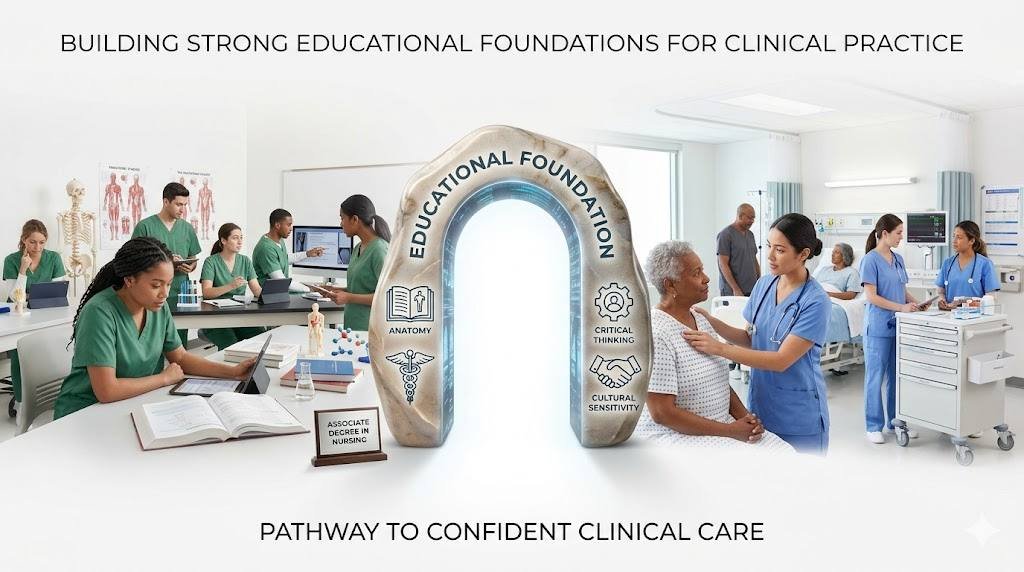
A solid academic background prepares new nurses for the complexities of modern healthcare. Nursing programs equip students with essential knowledge in anatomy, pharmacology, and patient care techniques. Clinical training strengthens decision-making skills and introduces real-world scenarios that build confidence and competence.
Aspiring healthcare professionals can opt for an associate degree in nursing to commence their journey into clinical practice with confidence and competence. This pathway offers a balanced blend of theoretical instruction and hands-on experience, enabling graduates to transition smoothly into entry-level roles. Exposure to patient care settings during training helps them develop critical thinking abilities and professional judgment. Academic preparation also emphasizes ethical practice and cultural sensitivity. These competencies allow new nurses to deliver care that respects diverse patient backgrounds and needs.
Delivering Compassionate and Patient-Centered Care
New nurses play a vital role in creating a supportive environment where patients feel heard and respected. Empathy, patience, and active listening contribute to meaningful interactions that enhance comfort and trust.
Personalized care strengthens relationships between nurses and patients. Thoughtful attention to individual needs promotes dignity and encourages cooperation throughout treatment. Effective communication further ensures that patients understand their conditions, medications, and care plans, which supports informed decision-making. Compassionate care also contributes to emotional well-being. Encouragement and reassurance can reduce stress and foster a sense of security. These human-centered qualities reflect the essence of nursing and highlight the vital role new professionals play in patient recovery and satisfaction.
Supporting Healthcare Teams Through Effective Collaboration
Quality healthcare depends on strong teamwork, and new nurses serve as essential contributors to interdisciplinary collaboration. Close coordination with physicians, therapists, and experienced nurses ensures seamless patient care. Clear communication supports accurate treatment plans and minimizes the risk of misunderstandings.
Participation in team discussions allows new nurses to share observations and insights that enhance patient outcomes. Their attention to detail and willingness to learn strengthen collective decision-making. Mutual respect and cooperation foster a positive work environment that benefits both staff and patients.
Enhancing Patient Safety Through Vigilance and Accuracy
Patient safety remains a cornerstone of nursing practice, and new nurses contribute significantly through diligence and precision. Careful monitoring of vital signs, accurate medication administration, and thorough documentation ensure that patients receive appropriate treatment. Attention to detail reduces the likelihood of errors and enhances clinical outcomes.
Adherence to established protocols strengthens safety standards across healthcare facilities. Infection control measures, proper use of medical equipment, and timely reporting of changes in patient conditions reflect their commitment to excellence. These responsibilities reinforce trust among patients and colleagues alike.
Adopting Technology to Improve Healthcare Delivery
Technological advancements have transformed modern healthcare, and new nurses adapt readily to these innovations. Familiarity with electronic health records enables accurate documentation and efficient information sharing. Digital tools enhance coordination among healthcare professionals, ensuring continuity of care.
Comfort with medical equipment and telehealth platforms supports effective patient management. Proficiency in technology improves accuracy, streamlines workflows, and contributes to informed clinical decisions. These capabilities enhance efficiency while maintaining high standards of care.
Promoting Health Education and Preventive Care
Health education stands at the core of effective nursing practice, and new nurses play a key role in empowering patients with essential knowledge. Clear explanations about diagnoses, medications, and treatment plans help individuals make informed decisions regarding their health. Patients who understand their care are more likely to follow medical advice, leading to improved outcomes and reduced hospital readmissions.
Preventive care remains equally important. New nurses guide patients on healthy lifestyle choices, including balanced nutrition, regular exercise, and stress management. They also emphasize the importance of routine screenings, vaccinations, and early detection measures. Such efforts contribute to long-term wellness and reduce the burden on healthcare systems.
Demonstrating Adaptability in Fast-Paced Clinical Environments
Healthcare environments demand resilience and flexibility, qualities that new nurses develop early in their careers. Each shift presents unique challenges, ranging from fluctuating patient needs to unexpected emergencies. The ability to adapt quickly ensures that care remains consistent and effective under pressure.
Strong organizational skills support efficient time management and task prioritization. New nurses learn to balance multiple responsibilities while maintaining accuracy and professionalism. This adaptability enables them to function confidently in diverse settings, including hospitals, clinics, and long-term care facilities.
Contributing Fresh Perspectives and a Commitment to Lifelong Learning
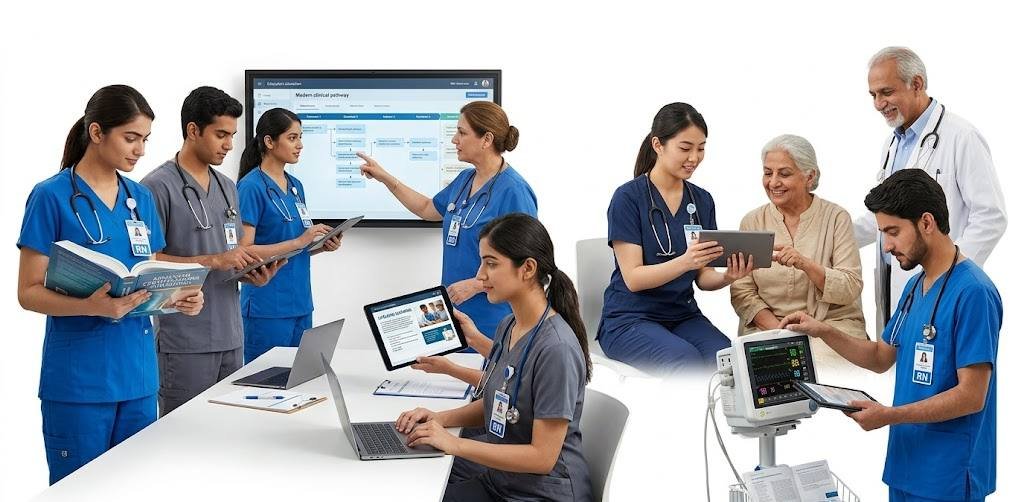
New nurses bring enthusiasm and contemporary knowledge that enrich healthcare teams. Their education reflects current research, evidence-based practices, and modern approaches to patient care. These insights introduce innovative ideas that support quality improvement and encourage progressive thinking within medical institutions.
A strong commitment to lifelong learning drives professional development. Pursuing certifications, advanced degrees, and specialized training allows nurses to expand their expertise and remain aligned with evolving industry standards. This dedication ensures sustained competence and enhances the quality of care provided to patients.
New nurses serve as vital contributors to patient care from the very beginning of their professional journeys. Their strong educational foundations, compassionate approach, and collaborative spirit support the delivery of safe and effective healthcare. Through vigilance, technological proficiency, and a dedication to patient education, they enhance clinical outcomes and improve patient experiences.
Adaptability and a commitment to continuous learning position them for long-term success in an ever-evolving field. Fresh perspectives and evidence-based practices strengthen healthcare systems and promote innovation. As they refine their skills and embrace new opportunities, their impact continues to grow. Healthcare institutions rely on the energy, knowledge, and dedication of new nurses to meet the demands of modern medicine.
Final Conclusion
New nurses play an essential role in strengthening healthcare systems through their knowledge, compassion, and commitment to patient-centered care. From supporting clinical efficiency to enhancing patient safety and education, their contributions are evident across every stage of treatment. Their adaptability and willingness to learn ensure they can meet the evolving demands of modern healthcare environments with confidence. As they continue to grow professionally, their impact becomes even more significant, helping improve outcomes, patient satisfaction, and overall quality of care. Investing in the development and support of new nurses ultimately benefits both healthcare institutions and the communities they serve.
Disclaimer
This content is intended for informational and educational purposes only and does not constitute medical, professional, or career advice. Nursing roles, responsibilities, and educational pathways may vary depending on location, healthcare institution, and regulatory requirements. Readers are encouraged to consult accredited nursing programs, professional bodies, or healthcare institutions for specific guidance related to education, licensing, and career decisions.